Private Back Pain Specialist London

Back Pain Specialist London

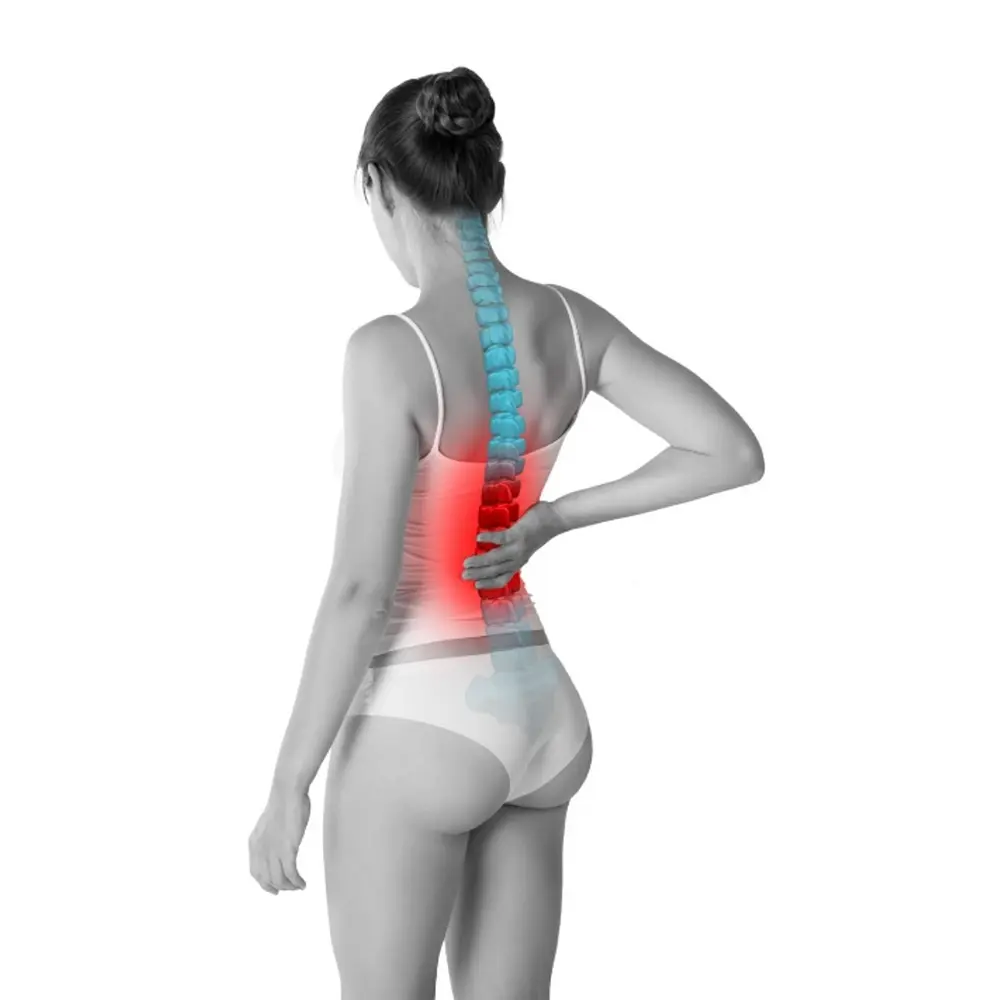
Not All Back Pain Is The Same

Back pain is one of the most common reasons people seek medical help — but many patients are treated with a generic approach that fails to identify the true source of their symptoms.

At RRMG, we believe effective treatment begins with precision diagnosis.

Lower back pain, sciatica, buttock pain, nerve irritation, stiffness, instability, and mechanical pain can all originate from very different structures within the spine and pelvis. Understanding the exact pain pattern is critical in choosing the right treatment pathway.

Our approach combines specialist assessment, advanced diagnostics, targeted treatments, rehabilitation, and image-guided procedures to help patients move better, recover function, and regain confidence in daily life.

List of Our Insurance Partners

Understanding Your Back Pain

Every patient experiences back pain differently.

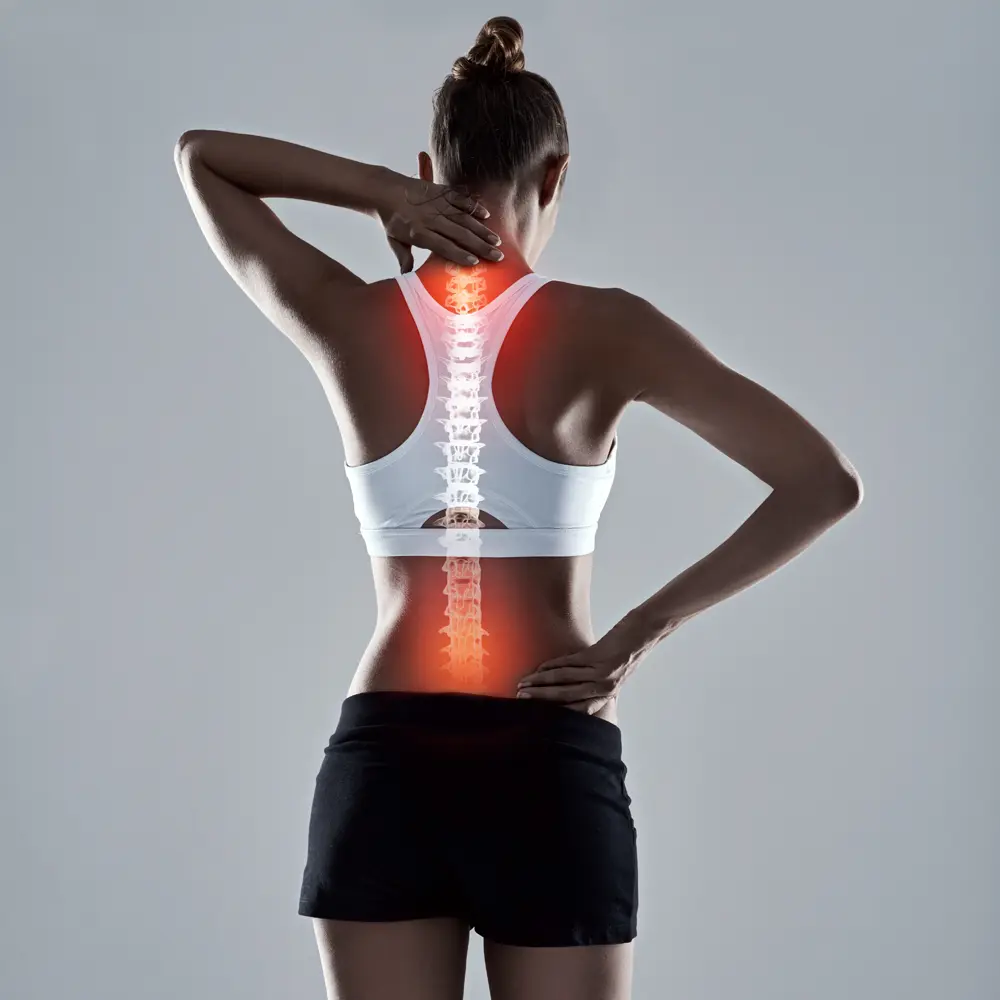
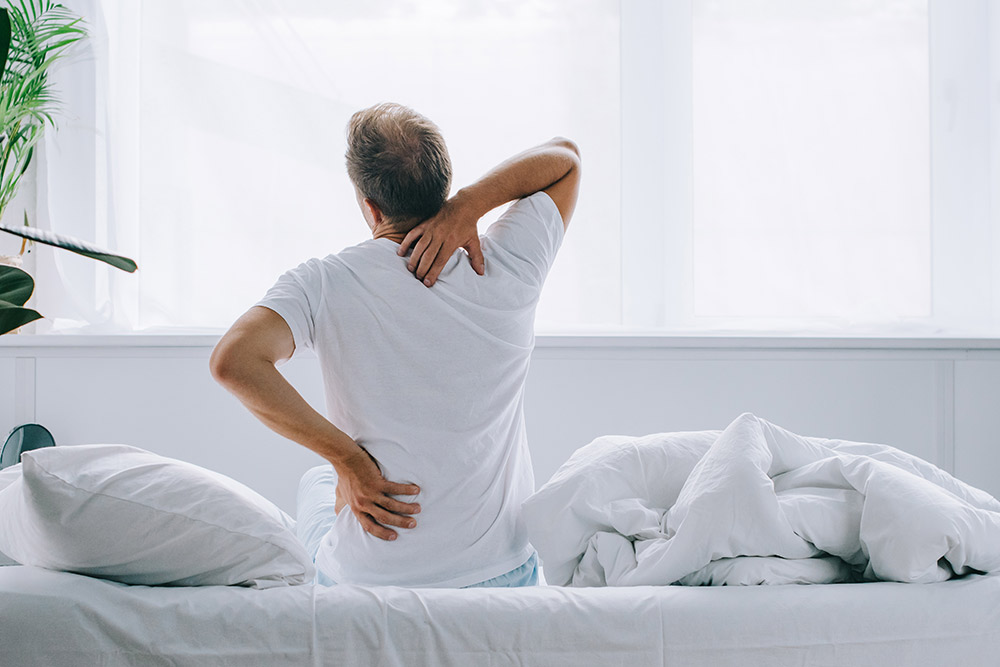
For some, the pain remains central in the lower back. Others experience burning pain down the leg, numbness, or pain deep within the buttock or pelvis. These symptoms may appear similar on the surface, but clinically they can represent very different pain phenotypes.

At RRMG, we focus on identifying:

  • Where your pain is coming from
  • What structures may be involved
  • Why your symptoms behave the way they do
  • Which treatments are most appropriate for your condition

Rather than simply treating symptoms, our goal is to understand the underlying driver of your pain and build a treatment strategy tailored specifically to you.
Explore The 3 Main Types Of Back Pain

Sciatica & Leg Pain

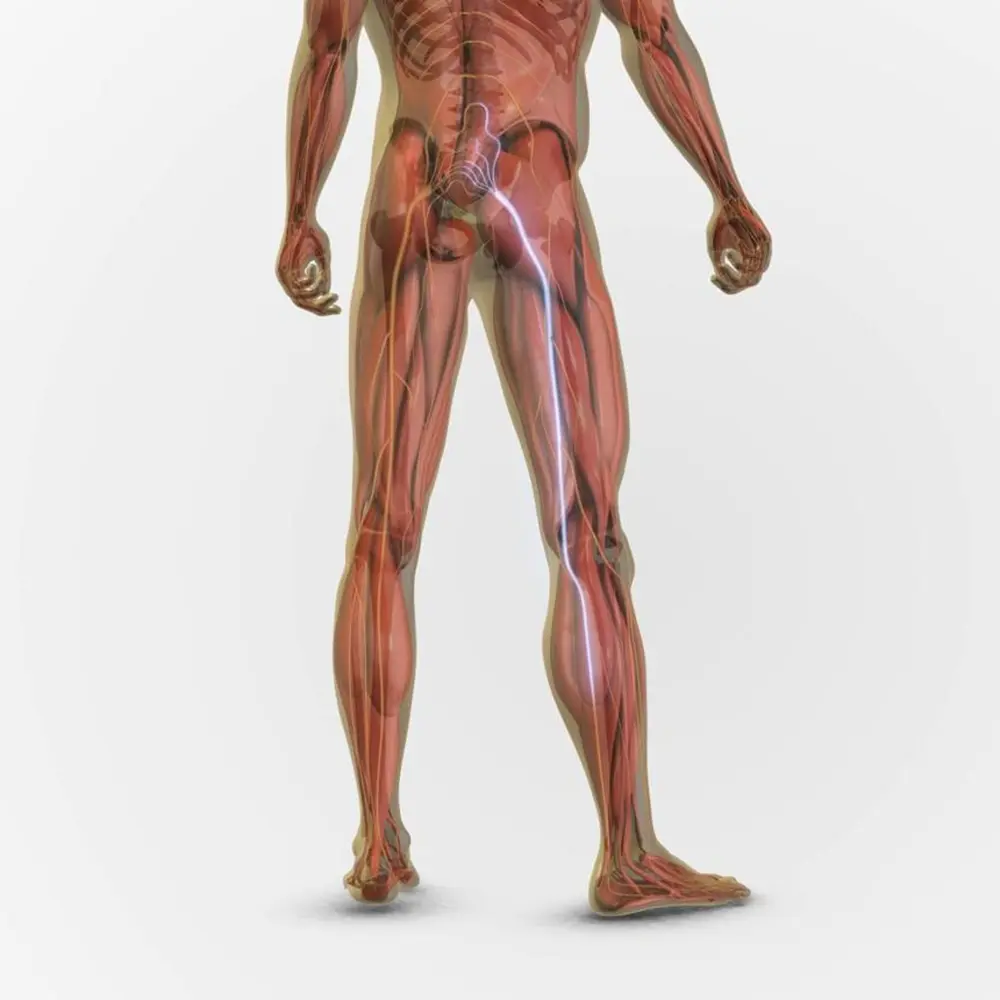
Burning, electric or radiating pain travelling into the leg

Sciatica is often caused by irritation or compression of a spinal nerve. Symptoms may include leg pain, tingling, numbness, weakness, or pain that worsens while sitting, coughing, or bending.

This type of pain commonly relates to:

  • Disc prolapse
  • Nerve root irritation
  • Foraminal stenosis

Typical treatments may include:

  • Image-guided injections
  • Rehabilitation
  • Nerve-targeted treatment approaches

Low Back Pain

Mechanical and axial lower back pain

Sciatica is often caused by irritation or compression of a spinal nerve. Symptoms may include leg pain, tingling, numbness, weakness, or pain that worsens while sitting, coughing, or bending.

This category may involve:

  • Facet joints
  • Disc degeneration
  • Multifidus dysfunction
  • Mechanical instability

Treatment approaches may include:

  • Facet joint injections
  • Rehabilitation
  • Movement restoration
  • Regenerative medicine strategies

Buttock & Sacroiliac Joint Pain

Deep buttock pain, instability and referred pain patterns

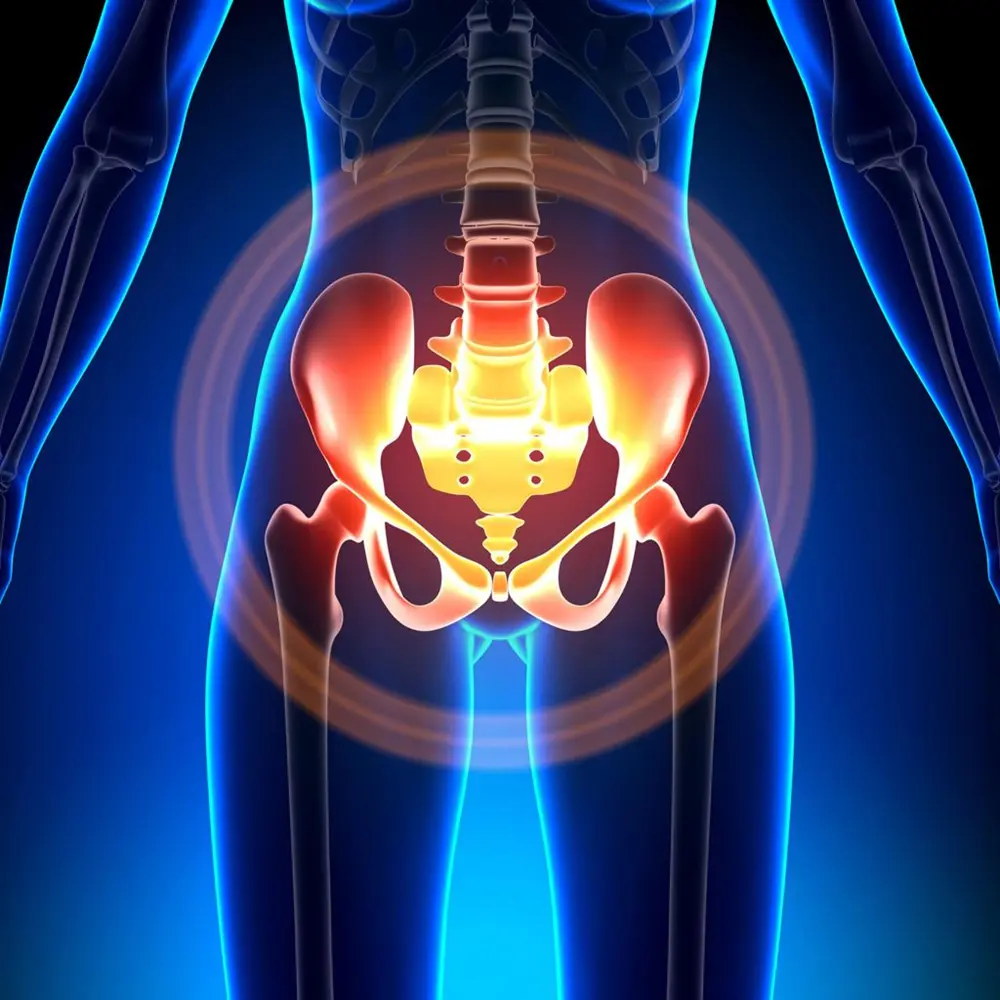
Pain around the buttock and sacroiliac joint is frequently overlooked and can often mimic sciatica. Patients may experience pain when walking, standing from sitting, climbing stairs, or transitioning between movements.

Potential contributing structures include:

  • Sacroiliac joint dysfunction
  • Ligament instability
  • Gluteal dysfunction
  • Pelvic mechanical overload

Treatment may include:

  • SI joint injections
  • Rehabilitation
  • Stability-focused therapy
  • Selected regenerative procedures

Our Philosophy

At RRMG, we do not believe in a “one-size-fits-all” approach to spinal pain.

Many patients arrive frustrated after months or years of unsuccessful treatment, conflicting advice, or recurring symptoms. Our goal is to simplify the process through clear diagnosis, patient education, and targeted treatment planning.

We combine:

  • Specialist clinical assessment
  • Advanced imaging interpretation
  • Functional movement analysis
  • Ultrasound and image-guided procedures
  • Rehabilitation strategies
  • Long-term recovery planning

We believe patients should understand:

  • what is happening,
  • why it is happening,
  • and how treatment may help.

Through education, visual explanation, and collaborative planning, we aim to help patients feel informed, reassured, and confident in their recovery pathway.

The RRMG Patient Journey

Step 1 — Specialist Assessment

We begin with a detailed consultation focused on your symptoms, pain behaviour, movement patterns, and medical history.

Step 2 — Precision Diagnosis

Using clinical examination and imaging where appropriate, we identify the structures and mechanisms potentially driving your pain.

Step 3 — Targeted Treatment Plan

Your treatment pathway may include rehabilitation, image-guided procedures, movement correction, or regenerative medicine strategies depending on your condition.

Step 4 — Recovery & Long-Term Function

Our focus is not simply pain reduction — but restoring movement, function, confidence, and long-term physical resilience.

Advanced Treatments & Rehabilitation

Treatment is always guided by diagnosis and patient goals.

Depending on your condition, treatment options may include:

  • Image-guided spinal injections
  • Facet joint procedures
  • Sacroiliac joint injections
  • Nerve root injections
  • Rehabilitation and physiotherapy
  • Stability and movement retraining
  • Regenerative medicine approaches including PRP

Our approach prioritises precision, function, and long-term outcomes rather than temporary symptom suppression alone.

Educational Videos & Patient Resources

Our goal is to make complex spinal conditions easier to understand and less overwhelming for patients navigating persistent pain.

Introduction to Back Pain Services

Causes of Back Pain

Medial Branch Block Diagnostic under Fluoroscopy to indentufy source of the pain

Radiofrequency ablation under fluoroscopy

Book A Specialist Back Pain Assessment

If you are struggling with persistent lower back pain, sciatica, buttock pain, or recurring spinal symptoms, our team can help assess the underlying cause and guide you through the most appropriate treatment pathway.

A detailed medical history review

A thorough physical examination

Diagnostic scans if required

A tailored treatment plan

Our aim is to give you clear answers and a roadmap to recovery from day one.

FAQ’s for Back Pain

Back pain can originate from multiple structures including discs, joints, nerves, ligaments, muscles, or the sacroiliac joint. A specialist assessment helps identify the likely source of symptoms.

If symptoms are persistent, worsening, recurrent, affecting movement, or limiting quality of life, a specialist evaluation may help clarify diagnosis and treatment options.

Yes. Sacroiliac joint dysfunction and gluteal-related pain can often mimic nerve-related symptoms and require careful clinical assessment.

No. Treatment recommendations depend entirely on diagnosis, symptom severity, functional limitations, and patient goals. Many patients improve with rehabilitation and movement-focused strategies alone.

Our approach focuses on precision diagnosis, patient education, targeted treatments, rehabilitation, and understanding the individual pain phenotype rather than applying generic treatment pathways.

Let's Talk

Get in Touch with Us

Have a question or want to learn more about what we do? We're here to help you.

This site is protected by reCAPTCHA and the Google Privacy Policy and Terms of Service apply.

Any Questions, We Can Help You?

Any Specific Queries? Get In Touch

Email Us On:
pa@rrmg.com

Rogers Regenerative Medical Group (RRMG)

Dr Ralph Rogers is internationally recognised as a leader in Sports & Exercise Medicine, with over 25 years of experience treating elite athletes, world-class performers, and patients seeking life-changing non-surgical care.
Newsletter
Get expert tips on injury recovery, regenerative medicine, and wellness—straight to your inbox.
Rogers Regenerative Medical Group (RRMG) © 2026 All Rights Reserved.

Webdesign by EyeMedia Creative

Some of my highlights

Dr Rogers has had a rich and illustrious career so far, which is continuing to grow and develop. Everything Ralph has been involved in since qualifying has added value to his knowledge and experience, but there have been some impressive highlights to note:


  • 2018 – Present Founder Medical Director: Rogers Regenerative Medical Group (RRMG)

  • 2012 – 2024 Medical Advisor – National Basketball Association

  • 2008 – 2018 Medical Director: The London Sports Injury Clinic London

  • 2010-2011 First Team Doctor, Chelsea Football Club

  • 2007- 2010 The Football Association (Team Physician for England under 19 and development squads)

  • 2005-2006 Medical Advisor: Trinidad & Tobago World Cup Football Team

  • 2002 – 2008 Club Doctor: Walsall Football Club, West Midlands England

  • 1998 – 2009 Medical Director: Medical & Orthopaedic Sports Therapy,

  • 2000 – 2005 Sports Physician: Warwickshire County Cricket Club, Birmingham
My Philosophy

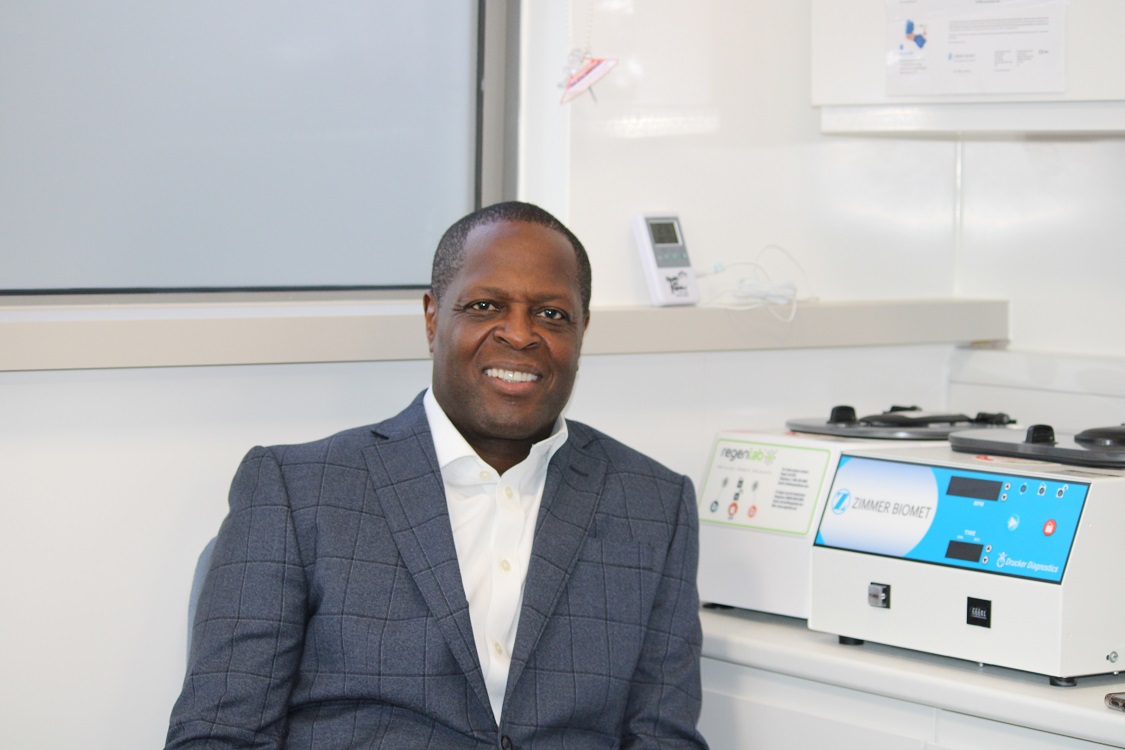
Your body is the greatest tool you’ll ever have; it’s vital to treat it like that. The intricacies and capabilities of the human body are nothing short of astounding, and that is true for everyone from elite sports stars to weekend warriors. Athletes, amateurs and the general public alike have a responsibility to seek out the best sports and orthopaedic medicine when injury strikes, Dr Rogers offers a combination of world-class qualifications, reams of experience and a distinctive sense of style to ensure your treatment is the best.

Dr. Ralph Rogers' Biography

Dr Ralph Rogers is a renowned Consultant in Regenerative Orthopaedics and Sports Medicine, helping patients overcome chronic pain and injury with advanced regenerative treatments. As Founder and CEO of Rogers Regenerative Medical Group (RRMG), he leads clinics across London, providing elite care to both athletes and the general public.

​His academic journey began with a degree in Psychology from the University of Delaware, followed by a Medical Degree from the Catholic University of Leuven in Belgium. Dr Rogers expanded his expertise with a PhD in Exercise Physiology at the University of Maryland, supported by a prestigious NIH Research Fellowship. He also holds a Sports Medicine Fellowship from the Free University of Brussels, an MSc in Musculoskeletal Ultrasound Imaging from Bournemouth University, and an MBA from the University of Leicester.

​Dr. Rogers’ career highlights include serving as First Team Doctor for Chelsea Football Club and over a decade as Medical Advisor to the NBA, where he developed medical protocols for major events including NBA Global Games, Basketball Without Borders, and the Basketball Africa League. During the COVID-19 pandemic, he played a key role in implementing the NBA’s “Bubble” in Orlando, ensuring player safety through rigorous protocols.

​Specialising in non-surgical treatments, Dr Rogers uses cutting-edge therapies like Platelet Rich Plasma (PRP) and alpha-2 macroglobulin (A2M) injections to support joint health and mobility, minimising recovery times.

​He is a Fellow of the American College of Sports Medicine (FACSM) and The Faculty of Sports & Exercise Medicine in the UK and Ireland (FFSEM UK, IRE), where he also serves as an examiner. His dedication to innovation, excellence, and patient-centred care ensures that Dr Ralph Rogers remains at the forefront of regenerative sports medicine.

Phone

Address

Social