Knee Pain Specialist London – Non-Surgical Joint Pain Treatments

Knee Osteoarthritis Treatment London

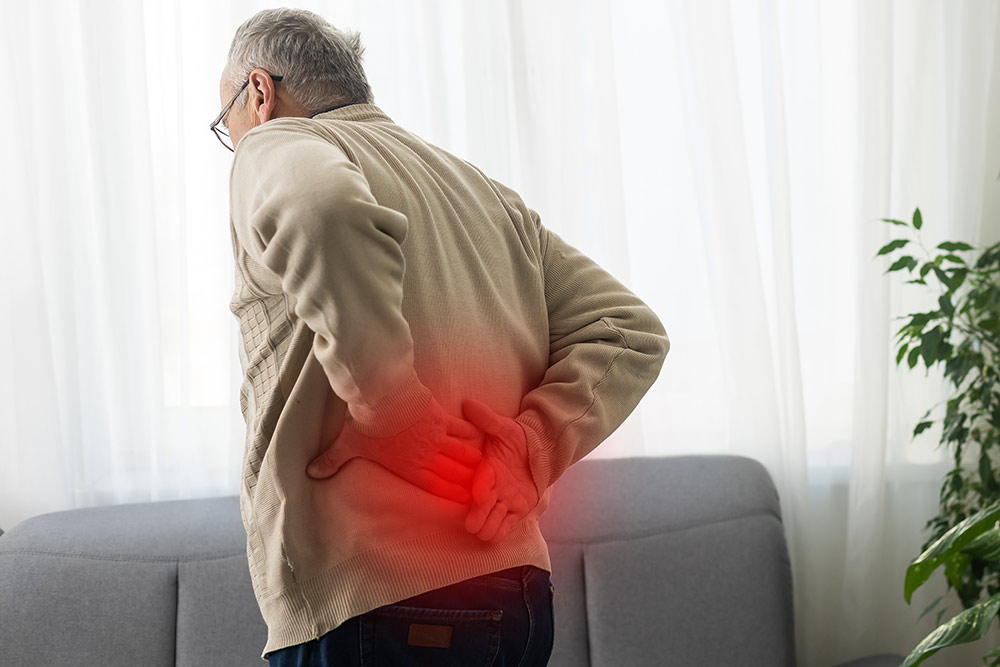
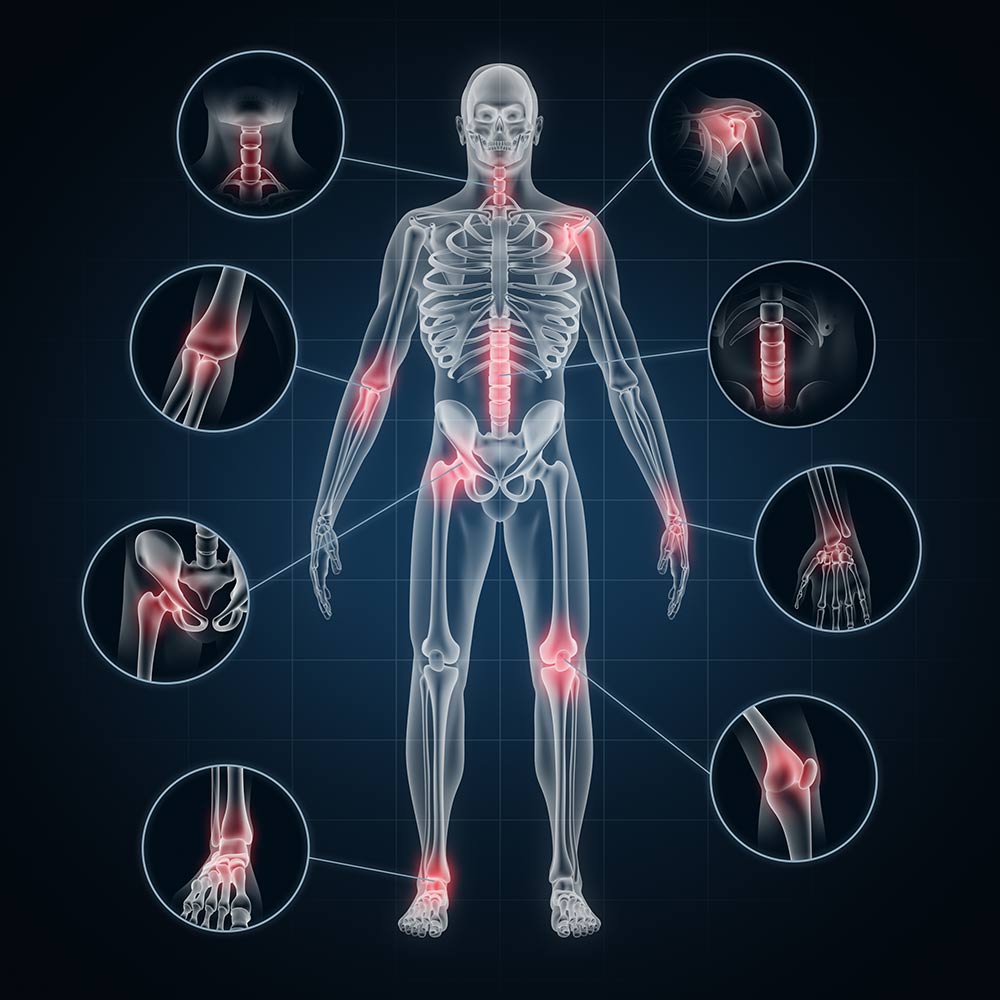
Joint Pain is an area covered by Sports and Orthopaedic Medicine. Our Consultants are experts at the diagnosis, treatment and management of Patients with Joint Pain including Osteoarthritis. We help patients who are experiencing pain in the following joints and are seeking a diagnosis and relief from their symptoms. This pain can be caused by osteoarthritis (OA) but there may be other causes.

Types of Joint Pain

Knee Pain: Patient Information

Patient-Facing Information

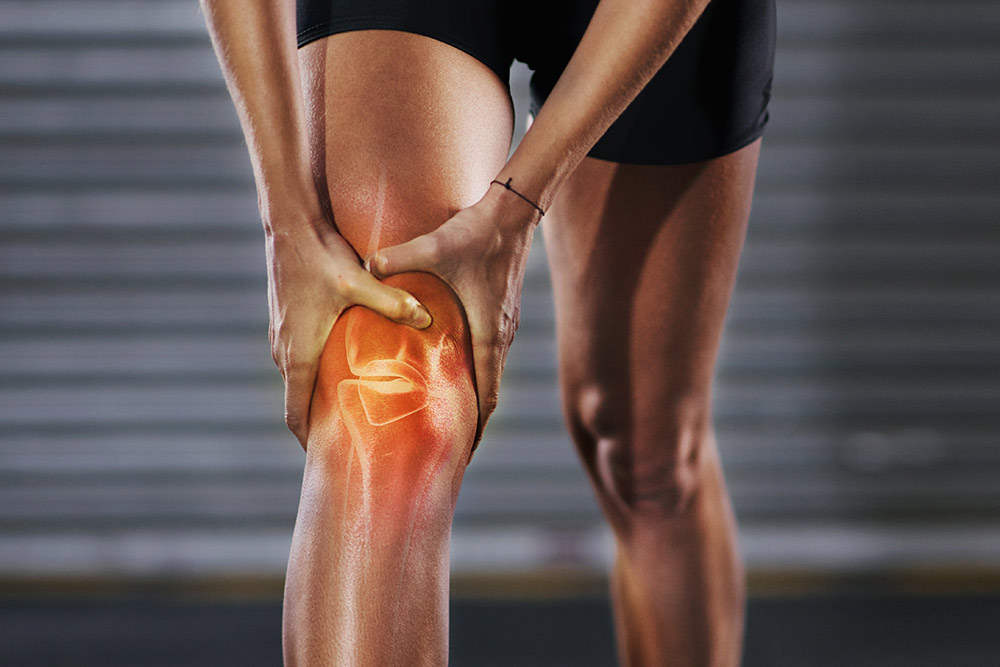
Knee pain is one of the most common joint problems. It may stem from arthritis, ligament/cartilage injuries, or tendon problems. Non-surgical options can often relieve pain and restore function.

Non-Surgical Treatments

  • Self-care: rest, ice, analgesia, supportive footwear
  • Physiotherapy: strengthening, stability, stretching
  • Injections: corticosteroids, hyaluronic acid, PRP
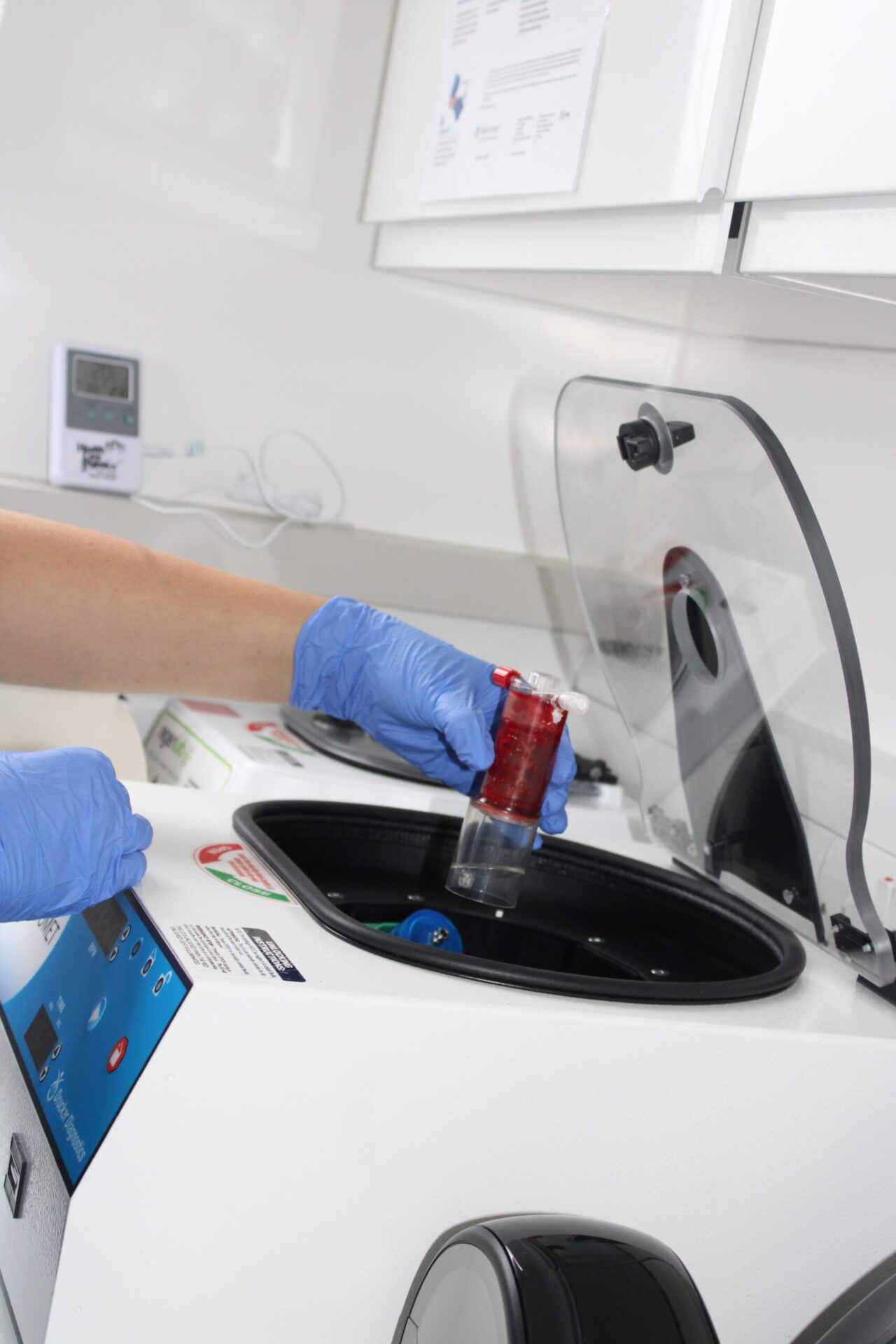
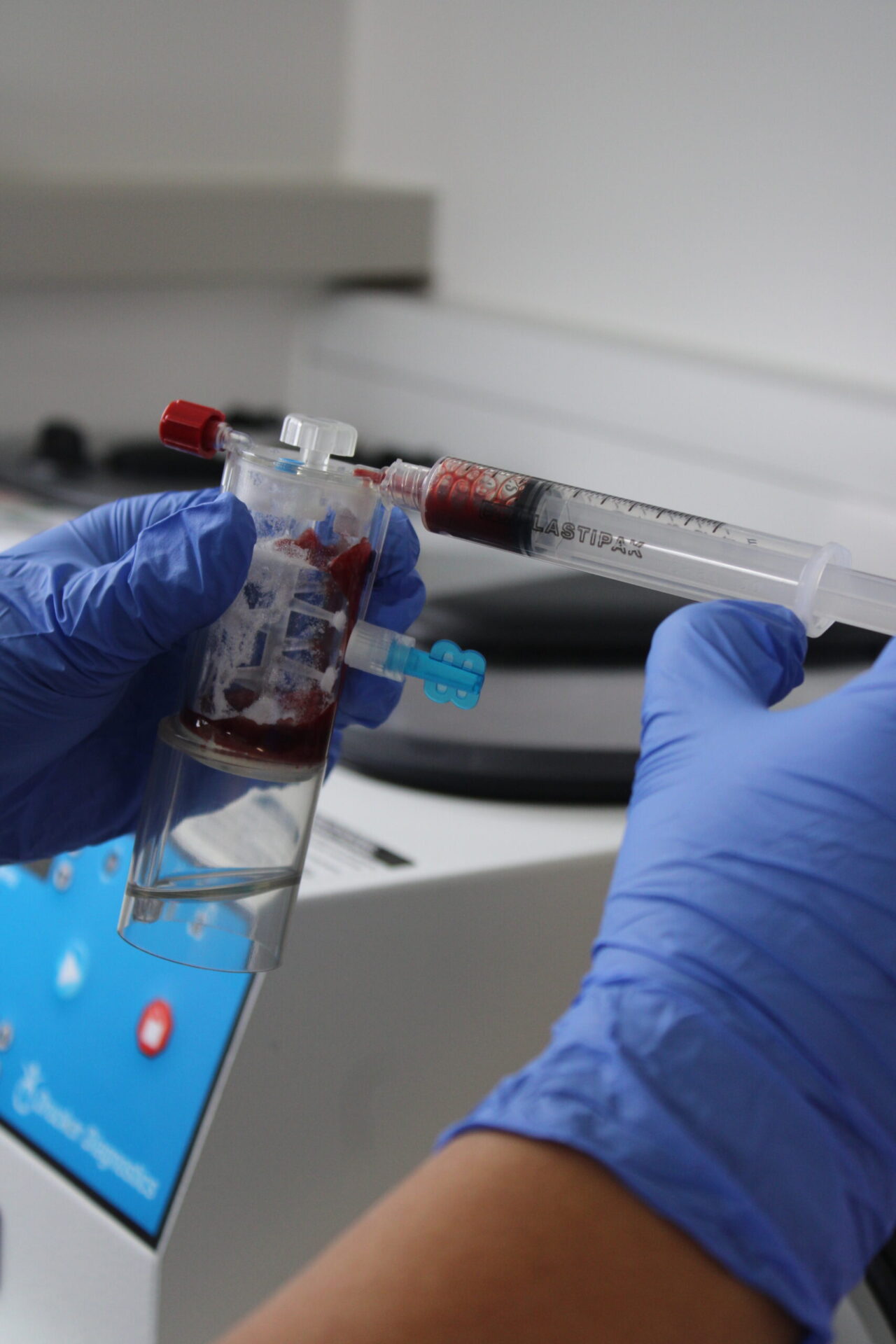
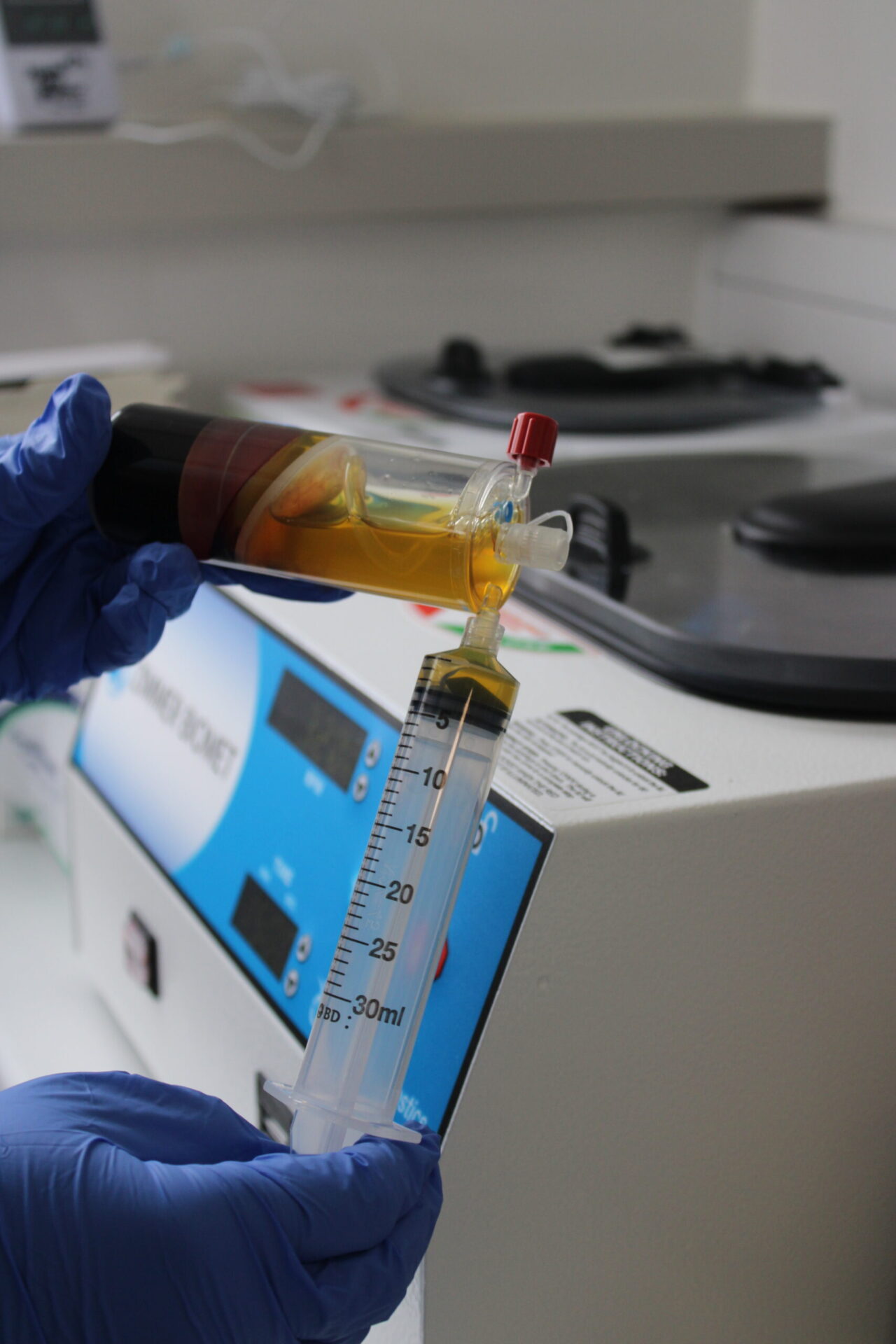
  • Advanced: Lipogems® therapy, genicular nerve ablation, shockwave therapy
  • Bracing/orthotics, weight management

Key Takeaway

Knee pain can often be managed with physiotherapy, injections, and advanced non-surgical therapies like Lipogems® and genicular nerve ablation.

Most Commonly Asked Questions About Knee Pain

Often due to arthritis, cartilage wear, or tendon issues. Pain worsens with stairs or activity.

Physiotherapy, weight loss, footwear, bracing, injections (steroid, HA, PRP), Lipogems®, genicular nerve ablation.

Yes, Lipogems® uses micro-fragmented fat to reduce inflammation and support repair in arthritis/cartilage injury.

A procedure targeting nerves that transmit knee pain, used in advanced arthritis.
Understanding Ankle Pain: Causes, Symptoms and Treatments

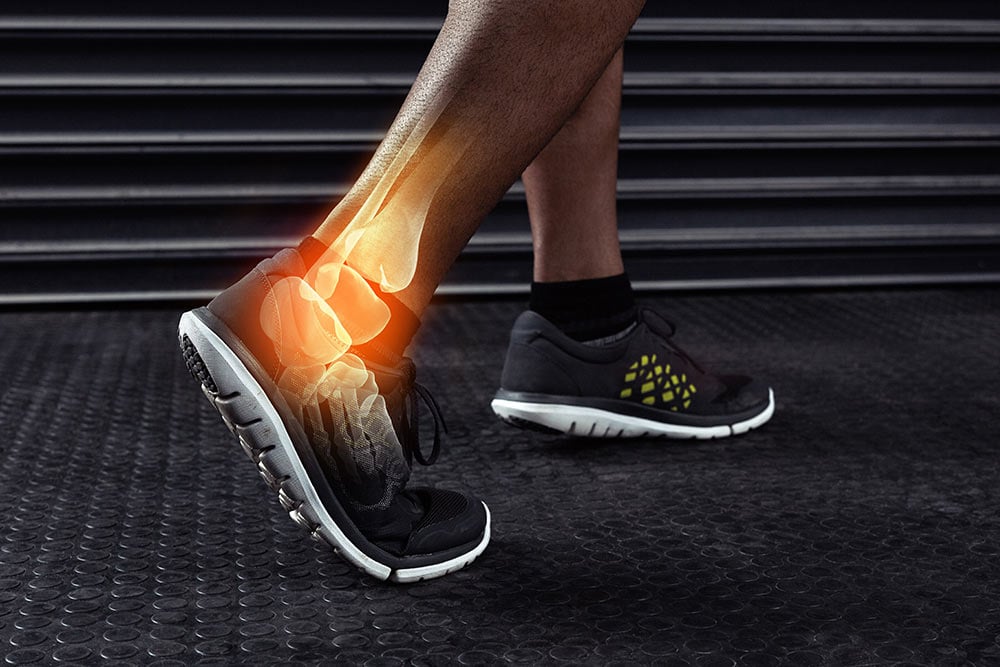
Ankle pain is a common condition that affects people of all ages. It can happen suddenly after an injury or build up gradually due to arthritis, tendon problems, or everyday wear and tear. Knowing the cause of ankle pain is essential to finding the right treatment and preventing long-term issues.

What Causes Ankle Pain?

  • Ankle sprains – stretching or tearing of ligaments after twisting or rolling the ankle
  • Arthritis – osteoarthritis (wear-and-tear) or inflammatory arthritis (e.g. rheumatoid arthritis, gout)
  • Tendonitis – inflammation of tendons around the ankle due to overuse or poor footwear
  • Achilles tendon problems – pain at the back of the heel, often linked to running or jumping
  • Fractures – broken bones in or around the ankle
  • Flat feet or high arches – foot structure increasing strain on the ankle
  • Obesity or excess weight – placing extra pressure on joints and tendons

Why Does My Ankle Hurt Without Injury?

Not all ankle pain comes from a fall or twist. Conditions such as arthritis, gout, tendonitis, or poorly fitting shoes can trigger pain without any clear injury. This pain often develops gradually and may worsen with activity or at the end of the day.
👉 If you’re struggling with ankle pain, book an appointment with Dr Ralph Rogers to explore the best non-surgical treatment options for your condition.

What Are the Symptoms of Ankle Pain?

  • Swelling or stiffness around the joint
  • Pain when walking, standing, or exercising
  • Reduced range of motion
  • Warmth, tenderness, or bruising
  • Instability or “giving way”
There are many non-surgical and minimally invasive treatments available like injections therapies:

Injection Therapies

  • Ultrasound-guided steroid injections – reduce inflammation and pain, especially for arthritis or tendonitis
  • Hyaluronic acid injections – improve joint lubrication and movement
  • Platelet-Rich Plasma (PRP) therapy – uses your body’s own platelets to promote healing in tendons, ligaments, or mild arthritis
  • Shockwave therapy (ESWT) – stimulates healing in chronic tendon problems
  • Bracing and ankle supports – improve stability and reduce strain
  • Targeted exercise programmes – designed by physiotherapists to strengthen the ankle and prevent recurrence

Key Takeaway

Ankle pain can be caused by injuries, arthritis, or tendon problems. Treatment ranges from simple home care (rest, ice, physiotherapy, orthotics) to advanced non-surgical options like PRP, ultrasound-guided steroid injections, shockwave therapy, and hyaluronic acid injections. Getting the right diagnosis early can help you recover faster and avoid long-term damage.

Back Pain: Patient Information

Patient-Facing Information

Back pain affects nearly one-third of adults. Dr Ralph Rogers and RRMG offer advanced diagnostics and non-surgical treatments including injections and radiofrequency procedures.

Non-Surgical Treatments

  • Pain medication, physiotherapy, rehab
  • Facet joint and sacroiliac joint injections
  • Medial branch blocks
  • Radiofrequency ablation (RFA)
  • Coolief® Cooled Radiofrequency

Key Takeaway

Back pain is often treatable with image-guided injections and advanced procedures like cooled radiofrequency, without surgery.

Most Commonly Asked Questions About Back Pain

Muscle strain, facet joint irritation, disc issues, stenosis, sacroiliac dysfunction, or posture.

Physiotherapy, medication, injections (facet, SI), medial branch blocks, RFA, cooled radiofrequency.

Injection of anti-inflammatory medication into facet joints to relieve pain and stiffness.

FA interrupts pain signals from spinal nerves. Cooled RF (Coolief®) creates a broader treatment zone for longer relief.
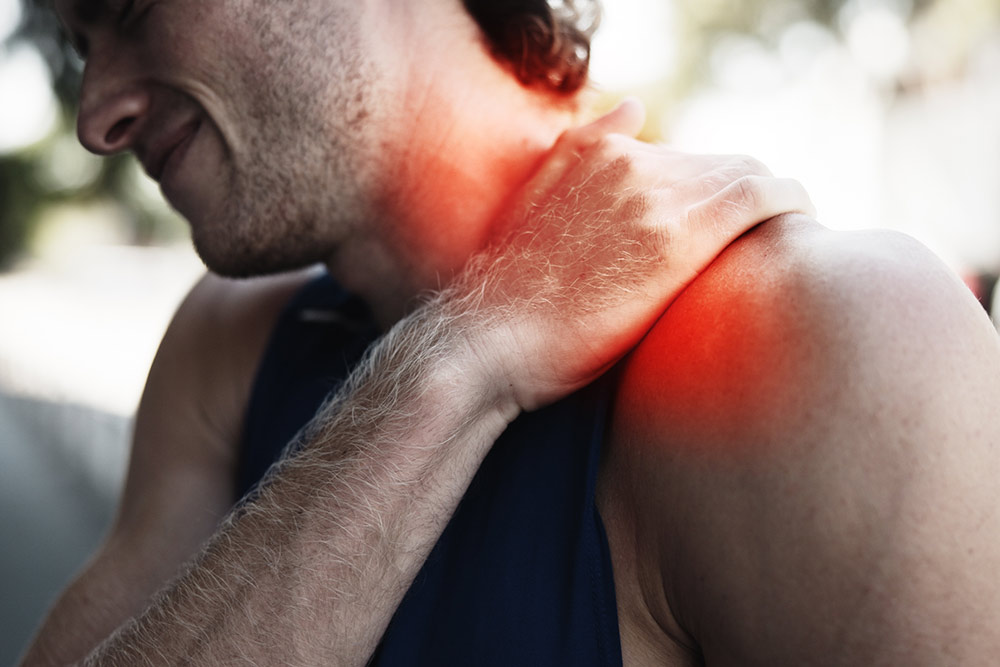
Shoulder Pain: Patient Information

Patient-Facing Information

Shoulder pain is common and can affect sleep, work, and sport. It often develops from overuse, posture, or age-related changes to the rotator cuff and surrounding structures. Most cases improve with conservative, non-surgical care.

Common Causes of Shoulder Pain

  • Rotator cuff tendinopathy/tear
  • Shoulder impingement
  • Frozen shoulder (adhesive capsulitis)
  • Calcific tendonitis
  • AC joint arthritis
  • Biceps tendinopathy
  • Referred pain from neck/posture issues

Symptoms

  • Pain lifting the arm or reaching overhead/behind back
  • Night pain, difficulty lying on that side
  • Weakness, stiffness, catching/clicking
  • Reduced range of motion

Non-Surgical Treatments

  • Self-care: rest, ice/heat, posture correction
  • Physiotherapy: strengthening, stretching, scapular control
  • Supports: bracing, taping, sleep strategies
  • Image-guided treatments: corticosteroid injections, hydrodilatation for frozen shoulder, barbotage for calcific tendonitis, shockwave therapy, HA/PRP

Condition-Specific

  • Rotator cuff/impingement: rehab + injection if needed
  • Frozen shoulder: pain relief, hydrodilatation, stretching
  • Calcific tendonitis: physio + ESWT or barbotage

When to See a Clinician

  • Pain >6–8 weeks
  • Weakness post-injury (possible tear)
  • Night pain not improving
  • Fever, redness, or trauma history

Key Takeaway

Most shoulder pain improves with non-surgical care. Physiotherapy plus targeted treatments such as injections or ESWT can restore movement and reduce pain.

Most Commonly Asked Questions About Shoulder Pain

Often rotator cuff tendinopathy or impingement. Tissues are irritated as the arm elevates.

Rest, ice/heat, physio. If pain blocks rehab, an ultrasound-guided steroid injection may help.

Analgesia, stretching, physiotherapy. Hydrodilatation or steroid injections may help restore motion.

Yes, especially for calcific tendonitis and some chronic rotator cuff issues.

Ultrasound-guided lavage to remove calcium deposits from the tendon.
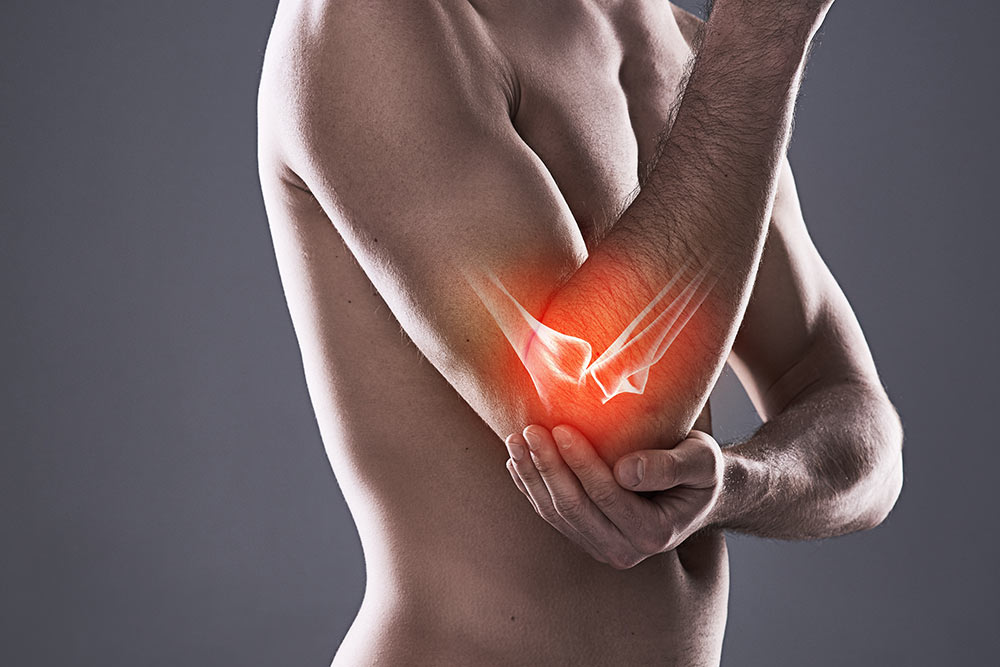
Elbow Pain: Patient Information

Patient-Facing Information

Elbow pain is common in active people and desk-based workers alike. It often arises from overload of the forearm tendons, nerve irritation at the elbow, or bursitis from pressure/trauma. Most cases improve with structured rehab and conservative care.

What Causes Elbow Pain?

  • Tennis elbow (lateral epicondylitis) – pain on the outside of the elbow from overuse of wrist/forearm extensors
  • Golfer’s elbow (medial epicondylitis) – pain on the inside of the elbow from overuse of wrist/forearm flexors
  • Olecranon bursitis – swelling over the bony tip of the elbow
  • Ulnar nerve entrapment (cubital tunnel syndrome) – numbness/tingling in ring & little fingers
  • Distal biceps/brachialis tendinopathy – pain at the front of the elbow with lifting
  • Referred pain from neck/shoulder or poor ergonomics

Symptoms To Look For

  • Tenderness outside (tennis elbow) or inside (golfer’s elbow)
  • Pain gripping, lifting, typing, or using a mouse
  • Morning stiffness, aching after tasks
  • Numbness/tingling in 4th–5th fingers (ulnar nerve)
  • Swelling over the elbow tip (bursitis)

Best Treatments for Elbow Pain Without Surgery

1) Self-Care & Load Management
• Relative rest, ice/heat, topical NSAIDs, ergonomic changes

2) Physiotherapy-Led Rehab
• Eccentric–isometric loading of wrist extensors/flexors, shoulder conditioning, nerve-gliding

3) Bracing & Supports
• Counterforce strap, wrist splint, elbow pad

4) Clinic-Based, Non-Surgical Options
• Ultrasound-guided corticosteroid injection, PRP therapy, shockwave therapy, aspiration for bursitis, splinting for cubital tunnel

Condition-Specific Quick Guides

  • Tennis elbow: eccentric loading, counterforce strap, ESWT or PRP if persistent
  • Golfer’s elbow: flexor/pronator loading, ergonomic changes, PRP for chronic cases
  • Olecranon bursitis: offload pressure, compression sleeve, aspirate if large
  • Cubital tunnel: avoid prolonged elbow bend, night extension splint, nerve glides

When Should I See a Clinician?

  • Pain lasting longer than 6–8 weeks
  • Sudden weakness, catching, or bruising after injury
  • Progressive numbness/tingling or hand weakness
  • Red, hot swelling over the elbow (possible infection)

Key Takeaway

Most elbow pain improves with load management, rehab, and supports. Persistent cases may benefit from non-surgical treatments like PRP, ultrasound-guided steroid injections, shockwave therapy, or aspiration. These work best alongside physiotherapy.

Most Commonly Asked Questions About Elbow Pain

This is often tennis elbow, caused by overuse of the wrist extensor tendons. Pain worsens with gripping and lifting.

Relative rest, ice, counterforce strap, and eccentric–isometric loading of the wrist extensors. Topical NSAIDs may help. Shockwave therapy or PRP can support recovery in chronic cases.
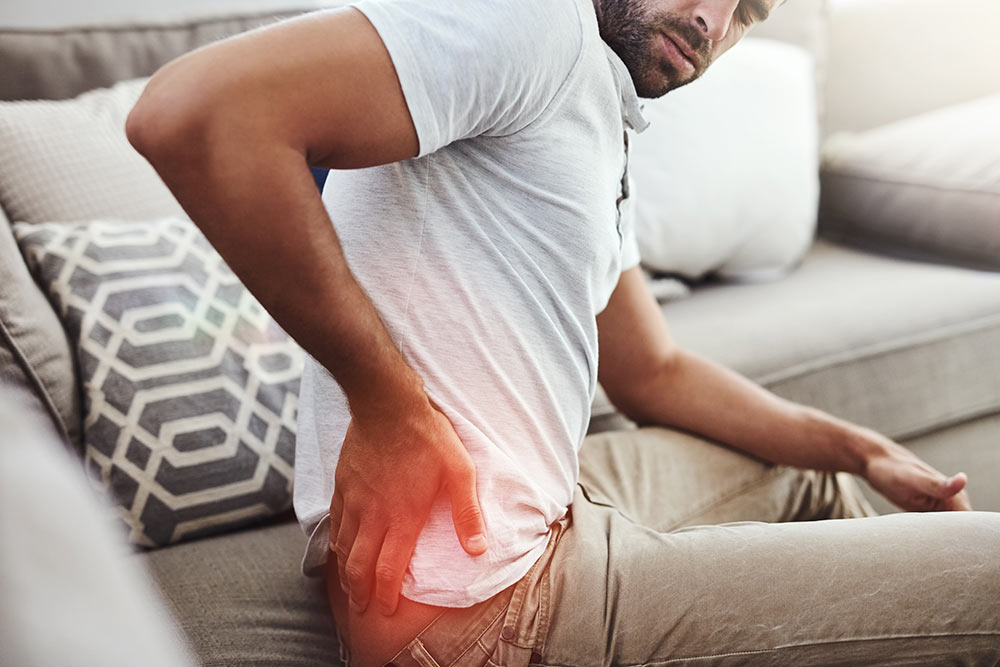
Hip Pain: Patient Information

Patient-Facing Information

Hip pain can affect walking, sitting, sleep, and sport. It may develop suddenly after an injury or gradually due to arthritis, bursitis, or tendon problems. Most hip pain can be managed with conservative, non-surgical treatments.

What Causes Hip Pain?

  • Hip osteoarthritis – gradual wear-and-tear of the joint cartilage
  • Hip labral tears – cartilage ring damage causing catching/clicking
  • Trochanteric bursitis / Greater Trochanteric Pain Syndrome (GTPS) – pain on the outside of the hip
  • Hip impingement (FAI) – abnormal bone shape causing pinching
  • Gluteal or hamstring tendinopathy – pain at tendon attachment sites
  • Referred pain – from the lower back, sacroiliac joint, or pelvis

Symptoms To Look For

  • Groin pain (arthritis, labral tear, hip impingement)
  • Pain on the outside of the hip (bursitis/tendinopathy)
  • Clicking, catching, or locking in the joint
  • Pain worse with walking, stairs, prolonged sitting, or lying on the affected side
  • Stiffness and reduced range of motion

Best Treatments for Hip Pain Without Surgery

1) Self-Care & Lifestyle
• Modify activities, use ice/heat, take analgesia if suitable, and manage weight

2) Physiotherapy & Exercise Rehab
• Strengthening (glutes, core), stretching, mobility, posture correction

3) Bracing & Supports
• Cushions/wedges for sitting, orthotics for biomechanics

4) Image-Guided, Non-Surgical Treatments
• Ultrasound-guided corticosteroid injection for bursitis/arthritis
• Hyaluronic acid injections for arthritis
• Platelet-Rich Plasma (PRP) for tendon injuries or early arthritis
• Shockwave therapy (ESWT) for GTPS or gluteal tendinopathy

When Should I See a Clinician?

  • Pain lasting more than 6–8 weeks despite self-care
  • Difficulty weight-bearing after trauma
  • Locking, catching, or instability
  • Severe night pain or inability to lie on one side
  • Redness, swelling, or fever with hip pain

Key Takeaway

Hip pain may be due to arthritis, bursitis, tendon problems, or labral injury. Most cases improve with a mix of physiotherapy, load management, and targeted non-surgical options such as injections and shockwave therapy.

Most Commonly Asked Questions About Hip Pain

Hip pain may be caused by arthritis, bursitis, tendon problems, labral tears, impingement, or referred pain from the back or pelvis.

Non-surgical care includes physiotherapy, exercise rehab, pain relief medication, and image-guided injections such as corticosteroid, hyaluronic acid, or platelet-rich plasma (PRP).

Yes, ultrasound-guided corticosteroid injections can reduce inflammation and pain in trochanteric bursitis or greater trochanteric pain syndrome.

Shockwave therapy (ESWT) is particularly effective for greater trochanteric pain syndrome (GTPS) and chronic gluteal tendon problems.

Seek medical advice if hip pain lasts more than 6–8 weeks, follows trauma, is associated with locking or instability, or is severe at night. Redness, swelling, or fever with hip pain requires urgent assessment.

Hand & Wrist Pain

Patient-Facing Information

Hand and wrist pain can interfere with work, hobbies, sports, and daily life. It may arise from repetitive strain, arthritis, tendon problems, or nerve entrapment. Most cases improve with conservative, non-surgical management.

What Causes Hand & Wrist Pain?

  • Carpal tunnel syndrome – nerve compression causing numbness/tingling
  • Tendonitis / tenosynovitis – inflammation of tendons (e.g. De Quervain’s)
  • Trigger finger – painful locking/catching when bending a finger
  • Wrist sprain or ligament injury – after falls or strain
  • Ganglion cysts – fluid-filled lumps
  • Arthritis – osteoarthritis, rheumatoid arthritis, base-of-thumb arthritis
  • Repetitive strain injury (RSI) – from typing or manual tasks

Symptoms To Look For

  • Pain with gripping, typing, twisting, or lifting
  • Tingling/numbness (especially carpal tunnel)
  • Stiffness, swelling, or reduced range of motion
  • Clicking or locking in a finger
  • Weakness or dropping objects

When Should I See a Clinician?

  • Pain lasting longer than 6 weeks
  • Night symptoms waking you (carpal tunnel)
  • Triggering or locking in a finger
  • Trauma with swelling, bruising, or deformity
  • Severe weakness or dropping objects

Key Takeaway

Hand and wrist pain can result from arthritis, tendonitis, nerve compression, or repetitive strain. Most cases respond to splinting, therapy, ergonomic changes, and targeted image-guided treatments such as injections or PRP.

Dr Ralph Rogers offers a variety of Image-Guided & Clinic-Based Treatments:

  • Ultrasound-guided corticosteroid injections (carpal tunnel, trigger finger, thumb arthritis, wrist arthritis)
  • PRP injections for tendons or early arthritis in selected cases
  • Shockwave therapy for chronic tendon problems
  • Aspiration of ganglion cysts

If you would like to find out about your treatment options book an appointment with Dr Ralph Rogers.

Treatment Options

01
Whilst RRMG aims to help patients avoid surgery through its use of non-surgical techniques the team work with leading joint specific orthopaedic surgeons should a surgical opinion or intervention be required.
02
Lifestyle changes including exercise to develop muscle strength around the joint and lose weight, if required, to reduce the stress on the joint. These can be assisted by physiotherapy and Osteopathy.
03
Steroid or joint lubricant image guided injections into the joint.
04
Non surgical techniques such as Lipogems , Coolief.
05
Anti-inflammatory medications which can help to control the symptoms if the OA is in its early stages..
Let's Talk

Get in Touch with Us

Have a question or want to learn more about what we do? We're here to help you.

This site is protected by reCAPTCHA and the Google Privacy Policy and Terms of Service apply.

Any Questions, We Can Help You?

Any Specific Queries? Get In Touch

Email Us On:
pa@rrmg.com

Rogers Regenerative Medical Group (RRMG)

Dr Ralph Rogers is internationally recognised as a leader in Sports & Exercise Medicine, with over 25 years of experience treating elite athletes, world-class performers, and patients seeking life-changing non-surgical care.
Newsletter
Get expert tips on injury recovery, regenerative medicine, and wellness—straight to your inbox.
Rogers Regenerative Medical Group (RRMG) © 2026 All Rights Reserved.

Webdesign by EyeMedia Creative

Some of my highlights

Dr Rogers has had a rich and illustrious career so far, which is continuing to grow and develop. Everything Ralph has been involved in since qualifying has added value to his knowledge and experience, but there have been some impressive highlights to note:


  • 2018 – Present Founder Medical Director: Rogers Regenerative Medical Group (RRMG)

  • 2012 – 2024 Medical Advisor – National Basketball Association

  • 2008 – 2018 Medical Director: The London Sports Injury Clinic London

  • 2010-2011 First Team Doctor, Chelsea Football Club

  • 2007- 2010 The Football Association (Team Physician for England under 19 and development squads)

  • 2005-2006 Medical Advisor: Trinidad & Tobago World Cup Football Team

  • 2002 – 2008 Club Doctor: Walsall Football Club, West Midlands England

  • 1998 – 2009 Medical Director: Medical & Orthopaedic Sports Therapy,

  • 2000 – 2005 Sports Physician: Warwickshire County Cricket Club, Birmingham

My Philosophy

Your body is the greatest tool you’ll ever have; it’s vital to treat it like that. The intricacies and capabilities of the human body are nothing short of astounding, and that is true for everyone from elite sports stars to weekend warriors. Athletes, amateurs and the general public alike have a responsibility to seek out the best sports and orthopaedic medicine when injury strikes, Dr Rogers offers a combination of world-class qualifications, reams of experience and a distinctive sense of style to ensure your treatment is the best.

Dr. Ralph Rogers' Biography

Dr Ralph Rogers is a renowned Consultant in Regenerative Orthopaedics and Sports Medicine, helping patients overcome chronic pain and injury with advanced regenerative treatments. As Founder and CEO of Rogers Regenerative Medical Group (RRMG), he leads clinics across London, providing elite care to both athletes and the general public.

​His academic journey began with a degree in Psychology from the University of Delaware, followed by a Medical Degree from the Catholic University of Leuven in Belgium. Dr Rogers expanded his expertise with a PhD in Exercise Physiology at the University of Maryland, supported by a prestigious NIH Research Fellowship. He also holds a Sports Medicine Fellowship from the Free University of Brussels, an MSc in Musculoskeletal Ultrasound Imaging from Bournemouth University, and an MBA from the University of Leicester.

​Dr. Rogers’ career highlights include serving as First Team Doctor for Chelsea Football Club and over a decade as Medical Advisor to the NBA, where he developed medical protocols for major events including NBA Global Games, Basketball Without Borders, and the Basketball Africa League. During the COVID-19 pandemic, he played a key role in implementing the NBA’s “Bubble” in Orlando, ensuring player safety through rigorous protocols.

​Specialising in non-surgical treatments, Dr Rogers uses cutting-edge therapies like Platelet Rich Plasma (PRP) and alpha-2 macroglobulin (A2M) injections to support joint health and mobility, minimising recovery times.

​He is a Fellow of the American College of Sports Medicine (FACSM) and The Faculty of Sports & Exercise Medicine in the UK and Ireland (FFSEM UK, IRE), where he also serves as an examiner. His dedication to innovation, excellence, and patient-centred care ensures that Dr Ralph Rogers remains at the forefront of regenerative sports medicine.

Phone

Address

Social