














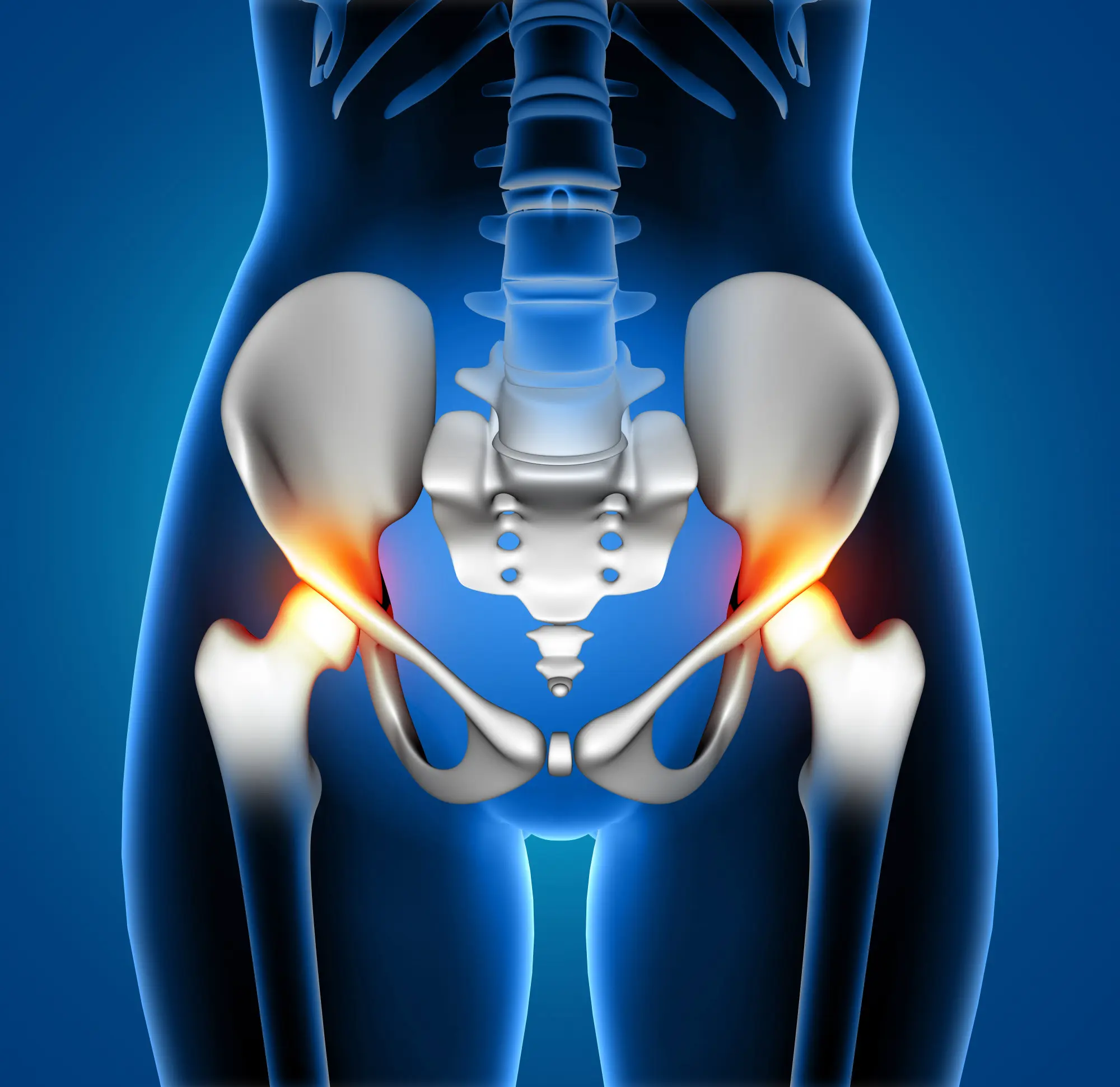
SI joint-related pain is commonly felt on one side of the lower back or deep in the buttock, close to the pelvis. It may spread towards the hip, groin or thigh and become more noticeable when standing from sitting, walking or turning in bed. However, other conditions can cause similar symptoms.
Yes. SI joint-related pain can spread into the buttock and thigh, which may resemble sciatica. Sciatica more commonly involves nerve-related pain travelling down the leg and can include tingling, numbness or weakness. A clinical assessment helps distinguish between these possibilities.
Diagnosis usually involves reviewing your symptoms, examining the lower back and hips, and performing a set of SI joint provocation tests. No single test confirms the diagnosis. In selected cases, an image-guided diagnostic injection may provide additional information.
Yes. Rehabilitation, appropriate exercise, activity modification and other conservative measures may help many patients. Injections are not necessary for everyone and should only be considered when there is a clear clinical reason.
Not usually on its own. MRI or other imaging can help investigate alternative diagnoses, including inflammatory or structural conditions, but imaging findings do not reliably establish the SI joint as the source of pain. The results must be interpreted alongside the clinical examination.
In selected cases, an image-guided injection of local anaesthetic into the SI joint can help determine whether the joint contributes to symptoms. The response is interpreted alongside the history and examination, and the procedure is not required for everyone.
These movements change the way load passes through the pelvis and lower back, and they may aggravate SI joint-related pain. However, similar symptoms may occur with hip or spinal conditions. If the pain keeps returning, an assessment can help clarify the likely cause.
This site is protected by reCAPTCHA and the Google Privacy Policy and Terms of Service apply.
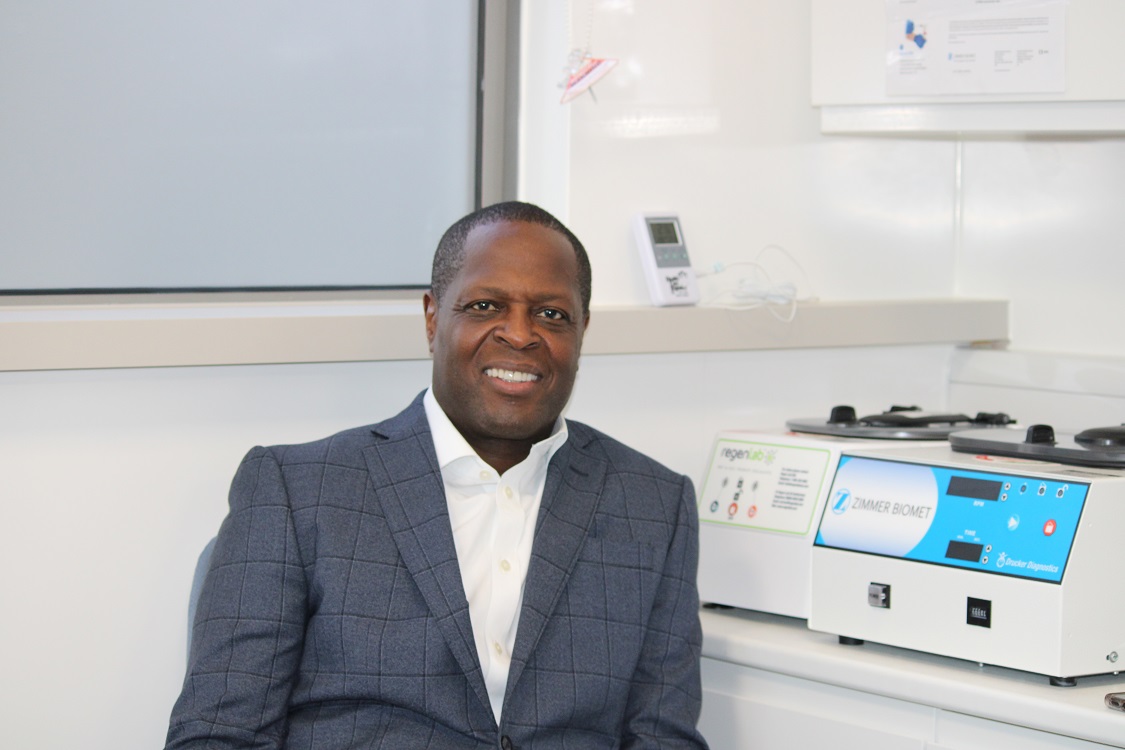
Dr Rogers has had a rich and illustrious career so far, which is continuing to grow and develop. Everything Ralph has been involved in since qualifying has added value to his knowledge and experience, but there have been some impressive highlights to note:
2018 – Present Founder Medical Director: Rogers Regenerative Medical Group (RRMG)
2012 – 2024 Medical Advisor – National Basketball Association
2008 – 2018 Medical Director: The London Sports Injury Clinic London
2010-2011 First Team Doctor, Chelsea Football Club
2007- 2010 The Football Association (Team Physician for England under 19 and development squads)
2005-2006 Medical Advisor: Trinidad & Tobago World Cup Football Team
2002 – 2008 Club Doctor: Walsall Football Club, West Midlands England
1998 – 2009 Medical Director: Medical & Orthopaedic Sports Therapy,
2000 – 2005 Sports Physician: Warwickshire County Cricket Club, Birmingham