













Sciatica

Sciatica & Leg Pain Specialist London

Understanding Sciatica & Radicular Pain

Burning pain down the leg. Tingling. Numbness. Electric shock sensations. Pain while sitting, walking, coughing, or bending.

Sciatica is one of the most common — and most misunderstood — forms of spinal pain.

At RRMG, we specialise in assessing and treating sciatic and radicular pain using a precision-based approach focused on identifying the exact structures and mechanisms contributing to your symptoms.

Not all leg pain is the same.

Sciatica may originate from disc irritation, nerve compression, spinal narrowing, inflammation, or mechanical dysfunction within the lower spine. Understanding the true cause is critical in choosing the most effective treatment pathway.

List of Our Insurance Partners

What Is Sciatica?

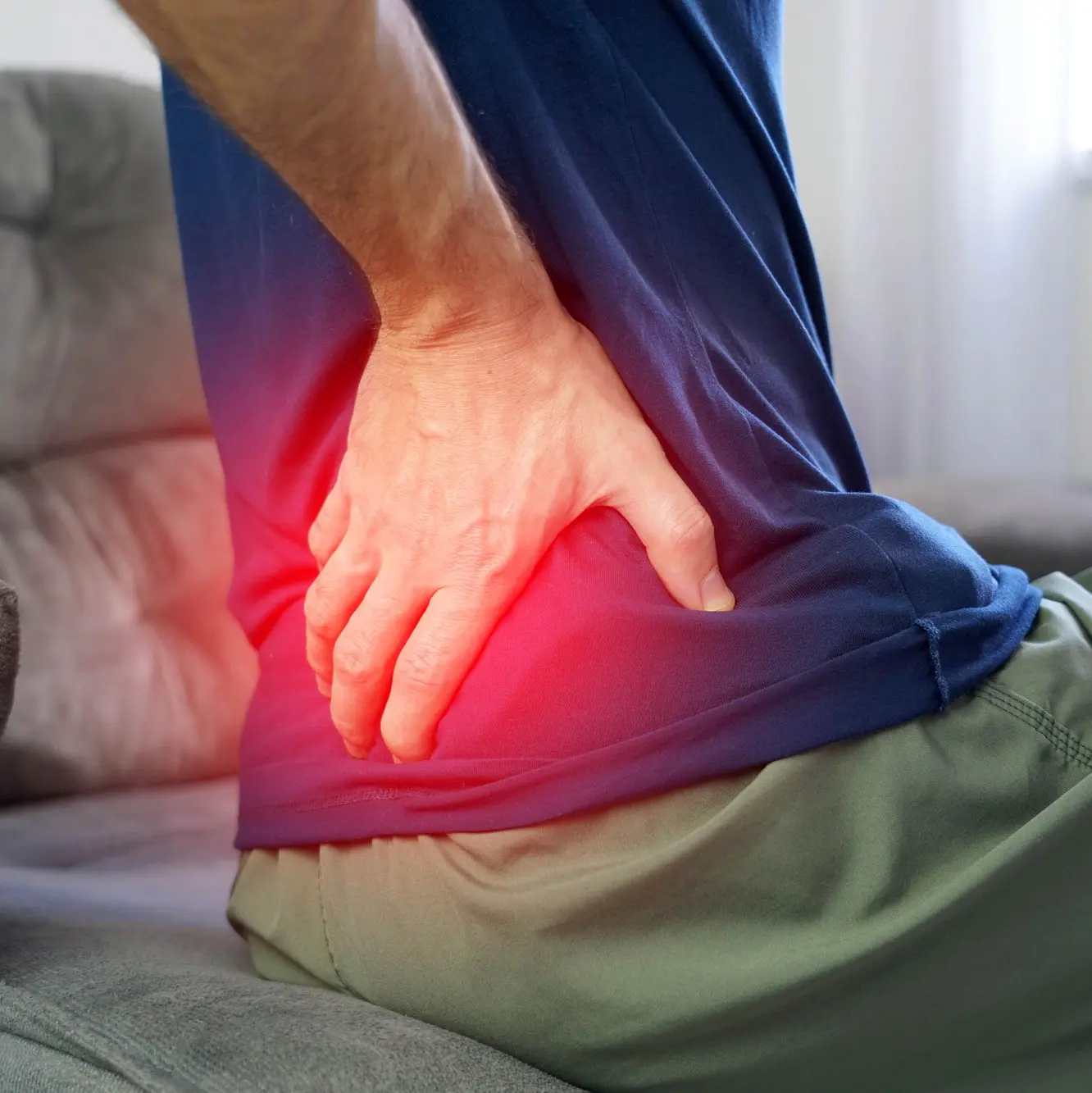
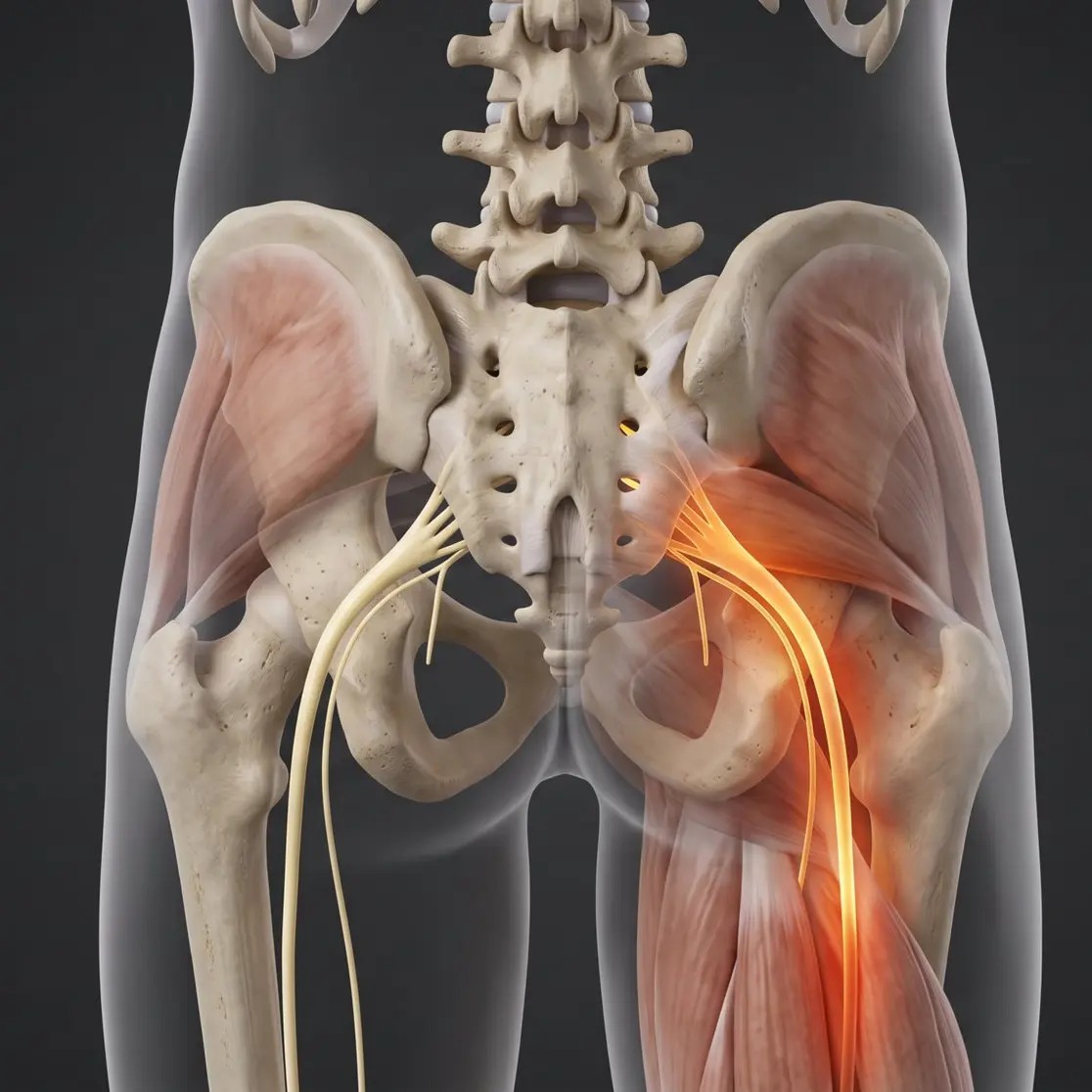
Sciatica describes pain that travels from the lower back into the buttock, leg, or foot due to irritation or compression of a spinal nerve.

Symptoms can vary significantly from person to person.

Some patients experience:

  • sharp shooting pain,
  • burning sensations,
  • numbness,
  • pins and needles,
  • weakness,
  • or deep aching pain through the leg.

Symptoms may fluctuate depending on posture, movement, sitting, walking, or physical activity.

In many cases, patients are told they simply have “back pain,” when in reality the symptoms relate to a specific nerve pathway within the lumbar spine.

What Causes Sciatica?

Sciatica occurs when one or more spinal nerves become irritated, inflamed, compressed, or mechanically sensitised.

Common Causes Include:

Disc Prolapse / Disc Herniation

A spinal disc may bulge or protrude, irritating nearby nerve roots.

Foraminal Stenosis

Narrowing around the nerve exit pathways can place pressure on the nerve during standing or walking.

Nerve Root Inflammation

Inflammation surrounding the nerve can produce burning, hypersensitive, or electric pain patterns.

Mechanical Spinal Dysfunction

Instability, loading patterns, or spinal movement dysfunction can contribute to ongoing nerve irritation.

Degenerative Changes

Age-related changes in the spine may alter mechanics and nerve space over time.

Does This Sound Like You?

Common Symptoms Of Sciatica & Radicular Pain

You may be experiencing:
  • Burning pain travelling down the leg
  • Pain extending below the knee
  • Tingling or pins and needles
  • Numbness in the foot or leg
  • Electric shock sensations
  • Pain while sitting
  • Pain when coughing or sneezing
  • Weakness in the leg or foot
  • Difficulty walking comfortably
  • Symptoms that come and go unpredictably
Sciatic symptoms can range from mild irritation to severe functional limitation and may significantly impact work, sleep, exercise, and daily movement.

Why Accurate Diagnosis Matters

Not all leg pain is caused by the same structure.

This type of pain commonly relates to:

  • Disc prolapse
  • Nerve root irritation
  • Foraminal stenosis

Typical treatments may include:

  • Image-guided injections
  • Rehabilitation
  • Nerve-targeted treatment approaches

How We Assess Sciatica

Specialist Clinical Evaluation

Your assessment may include:

  • Detailed symptom history
  • Movement and neurological testing
  • Postural and mechanical analysis
  • Strength and reflex assessment
  • Functional movement evaluation
  • Imaging review where appropriate

Our goal is to identify:

  • the likely pain generator,
  • the severity of nerve involvement,
  • and the most appropriate next steps.

Treatment For Sciatica & Leg Pain

Treatment depends entirely on the underlying diagnosis, severity of symptoms, functional limitation, and patient goals.

Our approach may include:

Rehabilitation & Movement Therapy

Focused rehabilitation strategies may help improve spinal mechanics, reduce nerve sensitivity, and restore movement confidence.

Image-Guided Injections

In selected cases, targeted injections may help reduce inflammation and improve symptoms around irritated nerve structures.

Transforaminal Epidural Injections

These procedures are designed to deliver treatment precisely around the affected nerve root under imaging guidance.

Stability & Load Management

Addressing mechanical overload and movement dysfunction is often critical for long-term recovery.

Regenerative Medicine Strategies

In selected cases, biologic or regenerative approaches may form part of a broader treatment plan.

The RRMG Treatment Philosophy

Our focus is not simply temporary pain relief.

We aim to:

  • understand the cause of symptoms,
  • reduce nerve irritation,
  • improve function,
  • restore movement,
  • and support long-term recovery.

Many patients arrive feeling frustrated, anxious, or confused after months of conflicting advice or recurring symptoms.

Our role is to simplify the process through:

  • education,
  • clarity,
  • precision diagnosis,
  • and structured treatment planning.

When Should You Seek Specialist Assessment?

You should consider specialist evaluation if:
  • symptoms persist or worsen
  • pain travels below the knee
  • numbness or weakness develops
  • symptoms limit walking or sitting
  • previous treatments have failed
  • or episodes keep recurring
Early assessment may help identify underlying causes before symptoms become more persistent or disabling.

Frequently Asked Questions

No. Sciatica can result from multiple causes including disc irritation, foraminal stenosis, inflammation, spinal degeneration, or mechanical dysfunction.

Yes. Many patients improve with conservative management, rehabilitation, movement correction, and targeted non-surgical interventions.

Sitting can increase disc pressure and tension around irritated nerves, particularly in disc-related sciatica.

Yes. Tingling, numbness, burning sensations, and weakness may indicate nerve irritation or compression.

Injections are designed to reduce inflammation and assist recovery, but long-term improvement often requires addressing the underlying mechanical and functional contributors as well.

Book A Sciatica Assessment

If you are experiencing ongoing sciatic pain, leg symptoms, numbness, burning sensations, or nerve-related lower back pain, our team can help assess the likely cause and guide you through the most appropriate treatment options.

A detailed medical history review

A thorough physical examination

Diagnostic scans if required

A tailored treatment plan

Our aim is to give you clear answers and a roadmap to recovery from day one.

Let's Talk

Get in Touch with Us

Have a question or want to learn more about what we do? We're here to help you.

This site is protected by reCAPTCHA and the Google Privacy Policy and Terms of Service apply.

Any Questions, We Can Help You?

Any Specific Queries? Get In Touch

Email Us On:
pa@rrmg.com

Rogers Regenerative Medical Group (RRMG)

Dr Ralph Rogers is internationally recognised as a leader in Sports & Exercise Medicine, with over 25 years of experience treating elite athletes, world-class performers, and patients seeking life-changing non-surgical care.
Newsletter
Get expert tips on injury recovery, regenerative medicine, and wellness—straight to your inbox.
Rogers Regenerative Medical Group (RRMG) © 2026 All Rights Reserved.

Webdesign by EyeMedia Creative

Some of my highlights

Dr Rogers has had a rich and illustrious career so far, which is continuing to grow and develop. Everything Ralph has been involved in since qualifying has added value to his knowledge and experience, but there have been some impressive highlights to note:


  • 2018 – Present Founder Medical Director: Rogers Regenerative Medical Group (RRMG)

  • 2012 – 2024 Medical Advisor – National Basketball Association

  • 2008 – 2018 Medical Director: The London Sports Injury Clinic London

  • 2010-2011 First Team Doctor, Chelsea Football Club

  • 2007- 2010 The Football Association (Team Physician for England under 19 and development squads)

  • 2005-2006 Medical Advisor: Trinidad & Tobago World Cup Football Team

  • 2002 – 2008 Club Doctor: Walsall Football Club, West Midlands England

  • 1998 – 2009 Medical Director: Medical & Orthopaedic Sports Therapy,

  • 2000 – 2005 Sports Physician: Warwickshire County Cricket Club, Birmingham
My Philosophy

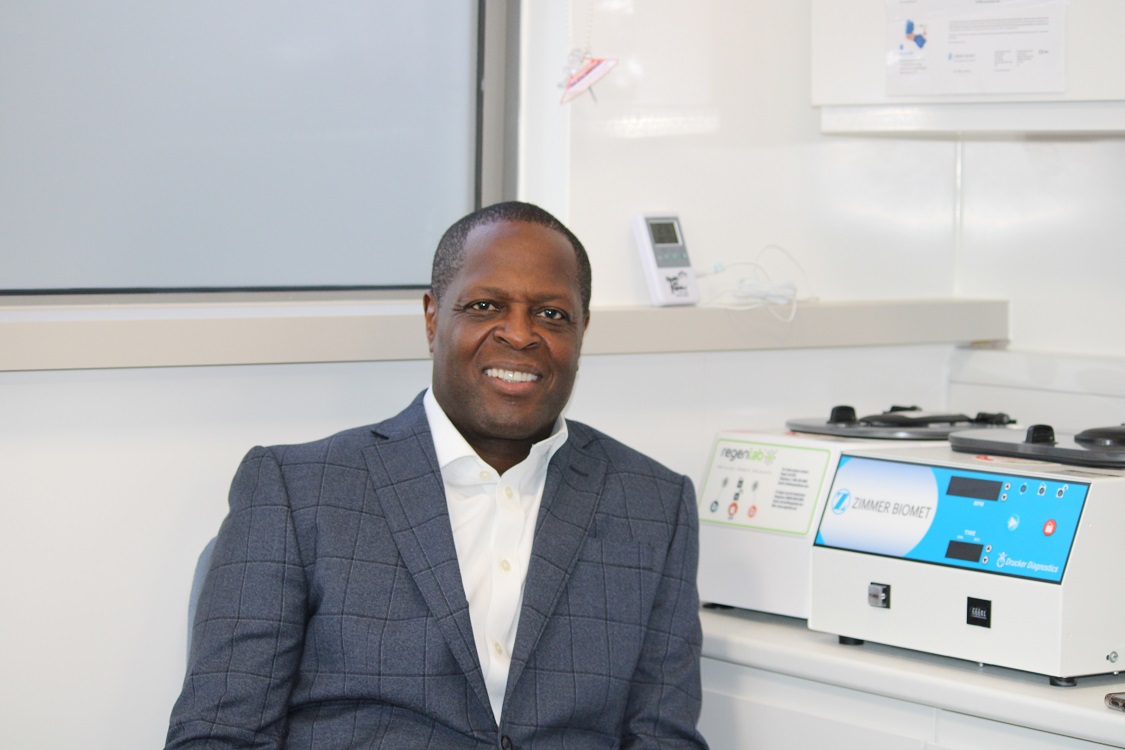
Your body is the greatest tool you’ll ever have; it’s vital to treat it like that. The intricacies and capabilities of the human body are nothing short of astounding, and that is true for everyone from elite sports stars to weekend warriors. Athletes, amateurs and the general public alike have a responsibility to seek out the best sports and orthopaedic medicine when injury strikes, Dr Rogers offers a combination of world-class qualifications, reams of experience and a distinctive sense of style to ensure your treatment is the best.

Dr. Ralph Rogers' Biography

Dr Ralph Rogers is a renowned Consultant in Regenerative Orthopaedics and Sports Medicine, helping patients overcome chronic pain and injury with advanced regenerative treatments. As Founder and CEO of Rogers Regenerative Medical Group (RRMG), he leads clinics across London, providing elite care to both athletes and the general public.

​His academic journey began with a degree in Psychology from the University of Delaware, followed by a Medical Degree from the Catholic University of Leuven in Belgium. Dr Rogers expanded his expertise with a PhD in Exercise Physiology at the University of Maryland, supported by a prestigious NIH Research Fellowship. He also holds a Sports Medicine Fellowship from the Free University of Brussels, an MSc in Musculoskeletal Ultrasound Imaging from Bournemouth University, and an MBA from the University of Leicester.

​Dr. Rogers’ career highlights include serving as First Team Doctor for Chelsea Football Club and over a decade as Medical Advisor to the NBA, where he developed medical protocols for major events including NBA Global Games, Basketball Without Borders, and the Basketball Africa League. During the COVID-19 pandemic, he played a key role in implementing the NBA’s “Bubble” in Orlando, ensuring player safety through rigorous protocols.

​Specialising in non-surgical treatments, Dr Rogers uses cutting-edge therapies like Platelet Rich Plasma (PRP) and alpha-2 macroglobulin (A2M) injections to support joint health and mobility, minimising recovery times.

​He is a Fellow of the American College of Sports Medicine (FACSM) and The Faculty of Sports & Exercise Medicine in the UK and Ireland (FFSEM UK, IRE), where he also serves as an examiner. His dedication to innovation, excellence, and patient-centred care ensures that Dr Ralph Rogers remains at the forefront of regenerative sports medicine.

Phone

Address

Social