
Reading Time: mins
Stem cell injections for shoulder pain are not a proven fix, and you should hear that first. The treatment we offer under this name is Lipogems, which uses a small amount of your own fat tissue, and the research on it for the shoulder is still limited. It is also self-funded, so the decision deserves a clear picture of who it may suit, what it involves and what it costs.
At RRMG, we assess shoulder problems alongside other tendon injuries using image-guided techniques. This guide covers shoulder arthritis and tendon pain, what the evidence shows and what to expect if you decide to go ahead.
People use “stem cell injections” as a catch-all label, and it covers several different treatments. At RRMG, we use Lipogems, a system that takes a small amount of fat from your own body, processes it in a closed system without enzymes and injects the resulting tissue into the shoulder. Our Lipogems stem cell therapy page describes the system in more detail.
Our Lipogems page describes the tissue as containing mesenchymal stem cells, along with supporting structure from the fat. The idea is that stem cells in shoulder tissue may support the body’s own response to a worn joint or a painful tendon, but this has not been proven. Other treatments sold as stem cell injections can use bone marrow concentrate instead of fat, which is one reason results from one study may not apply to another. Our stem cell guide covers the wider picture, and our post on stem cells for arthritis looks at other joints.
In the shoulder, the aim is to place your own processed fat tissue next to the painful joint or tendon, so that it may support the body’s natural response and ease symptoms. That is the intention and not a proven result. Some studies describe pain and movement improving in some people, but the research is small and often has no comparison group, so we cannot promise a particular outcome.
The evidence for stem cell therapy for shoulder problems is limited. Most of the studies are small, and many lack a placebo group. The same is true of several other injection treatments for the shoulder, which is why we describe benefits as possible and never as certain.
A 2025 systematic review of injections for shoulder arthritis looked at 13 studies and 1,125 patients. It found that injections can give symptom relief in arthritis of the shoulder joint, with hyaluronic acid showing a consistent but modest benefit. For cell-based treatments, the authors described the evidence as limited and the approach as still experimental. The people in the review had an average age of 63. Only one of the included studies, with 13 patients, used fat-derived tissue.
A separate 2025 review of fat-derived therapies for osteoarthritis noted two small shoulder groups, of 25 and 13 patients, who reported less pain and better function afterwards. Neither study described a placebo comparison, and the authors called for larger trials with longer follow-up.
For rotator cuff tears, a 2024 review of cell-based therapies described the safety record as good but the benefit as unproven. Trials are varied, and the randomised ones have given mixed results. Some work suggests cells might lower the chance of a tendon tearing again after surgery, but that is a different situation from an injection alone. The authors called for more rigorous trials, and we would rather you hear that from us than find it out later.
Shoulder osteoarthritis treatment usually starts without injections or surgery. The NHS describes osteoarthritis as a long-term condition that cannot be cured. It says milder symptoms are managed with regular exercise, and more severe symptoms with painkillers and a structured exercise plan led by a physiotherapist. Recovery from shoulder pain can take 6 months or longer, so patience is part of most plans.
The options we usually discuss before any cell-based treatment include:
Stem cell treatment for shoulder osteoarthritis sits further along this list, and we only discuss it once simpler options have been considered.
Stem cell injections for shoulder arthritis may be discussed when pain from a worn joint has lasted for months despite exercise and other treatment, and when you understand that the research is still at an early stage. Shoulder arthritis often brings stiffness as well as pain, so we also ask how the shoulder affects your sleep and everyday tasks. We start with a clear diagnosis, using your history, an examination and imaging where it helps. Lipogems does not remove arthritis or replace a joint, and it is not a substitute for surgery if surgery is the right option for you.
Shoulder pain that is worse when you use your arm is often a tendon problem, such as tendonitis, bursitis or impingement. The rotator cuff is the group of tendons that steadies the shoulder, and problems there often cause pain with overhead activity, night pain and weakness. You can read more in our shoulder pain information.
A tendon can be irritated, partly torn or fully torn, and the difference matters because it changes which options make sense. Imaging helps tell them apart, which is why a clear diagnosis comes before any injection.
Most tendon problems improve with rest from aggravating activity, exercise and physiotherapy, and it is sensible to see a doctor if pain has not eased after about 2 weeks of self-care. Where pain keeps limiting you, we look at image-guided injections and other options within our non-surgical treatments, and Lipogems can be one of the options we discuss for rotator cuff tendon problems.
Stem cells for shoulder pain are not a first-line option. We may discuss Lipogems with you if the following apply:
At your assessment, we ask how long the pain has lasted, what makes it worse, what you have already tried and what you need from your shoulder, whether that is sleeping through the night, lifting a child or returning to sport. We examine the shoulder and use imaging where it helps, then link what we find to your goals.
We also tell you when another route suits you better. A confirmed full tear or advanced joint wear may point towards surgery, and we will say so. That is why every case starts with an assessment and not a treatment. Whichever clinic you choose, ask what the cells are, where they come from, what evidence supports the treatment for your condition and what it costs in total.
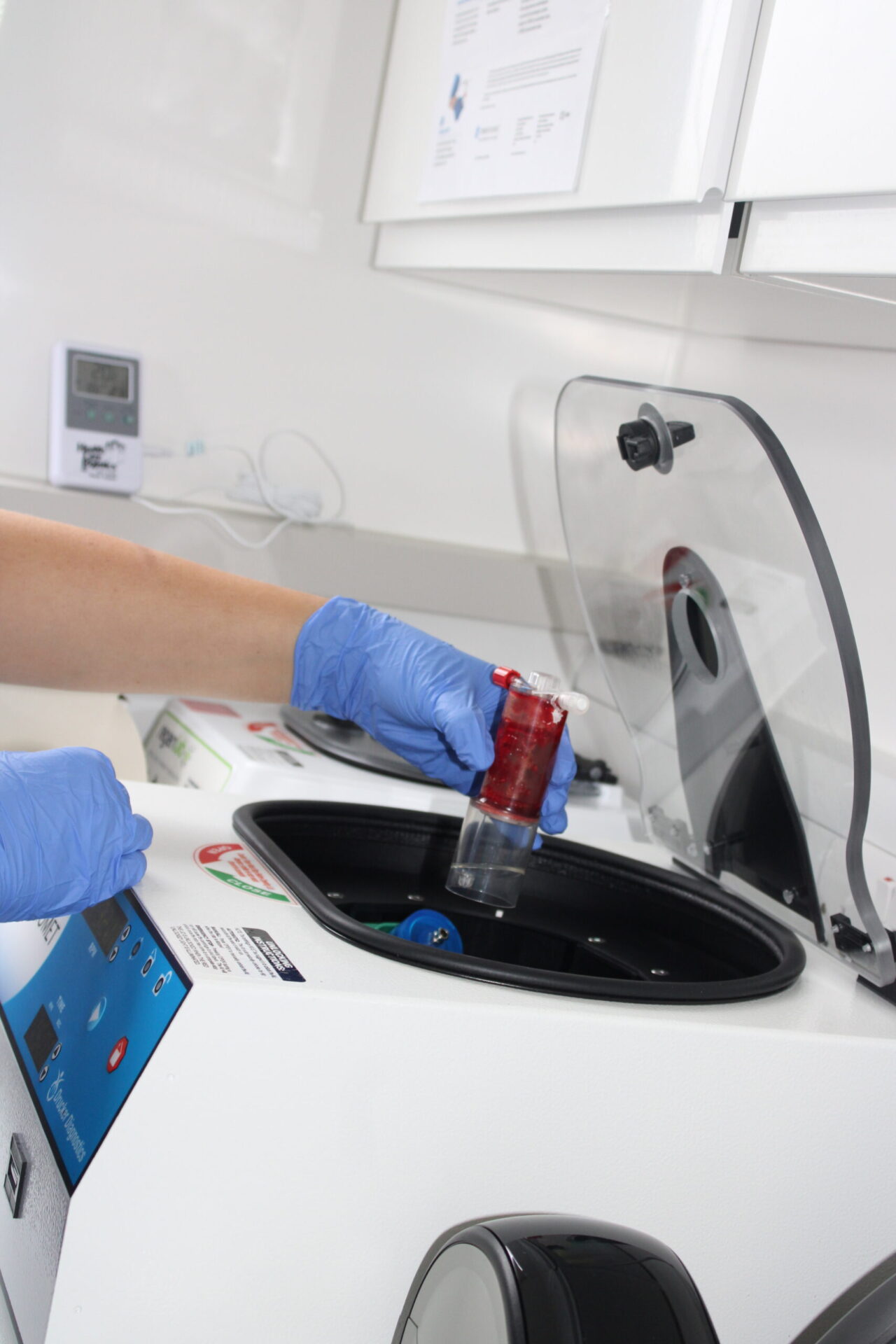
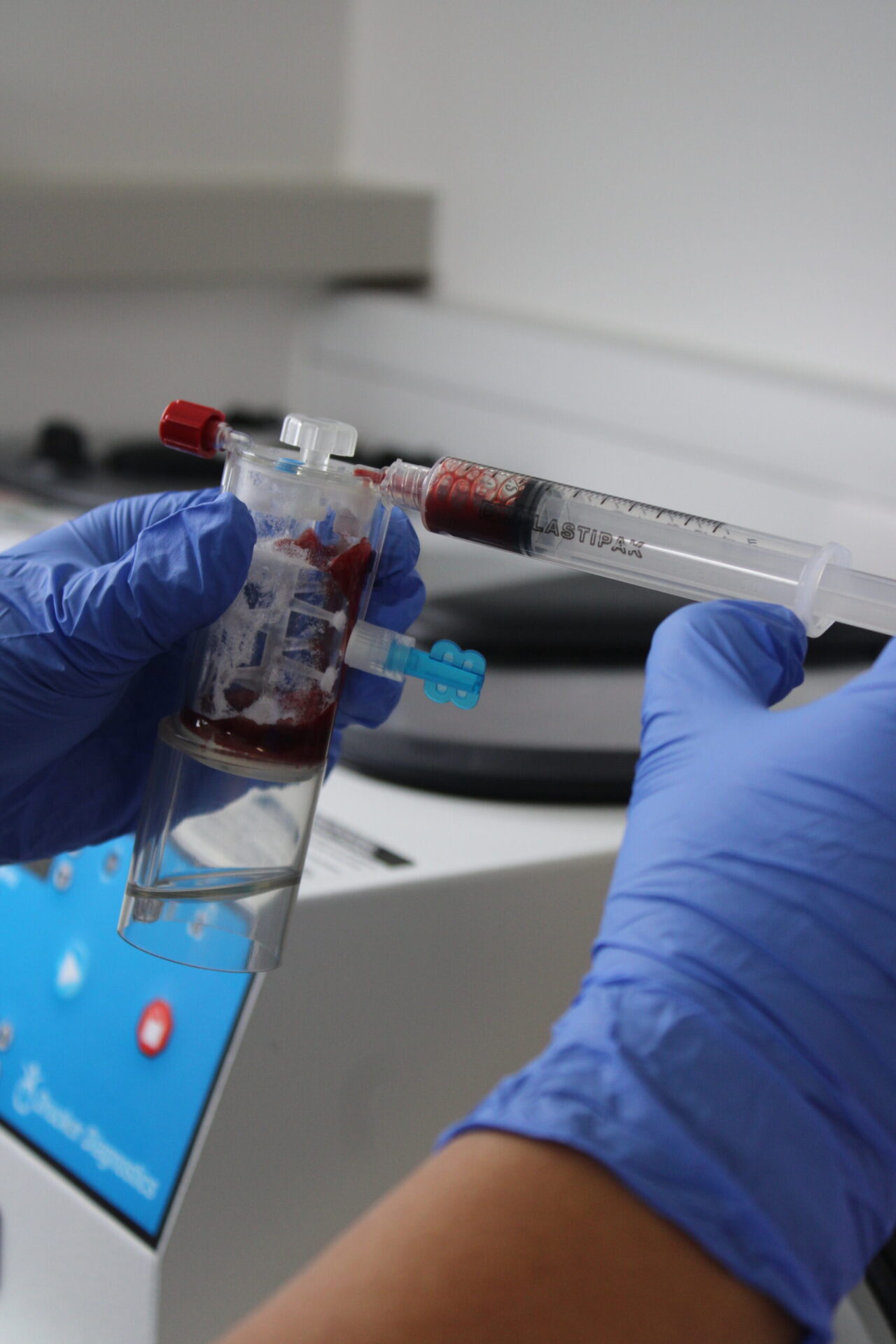
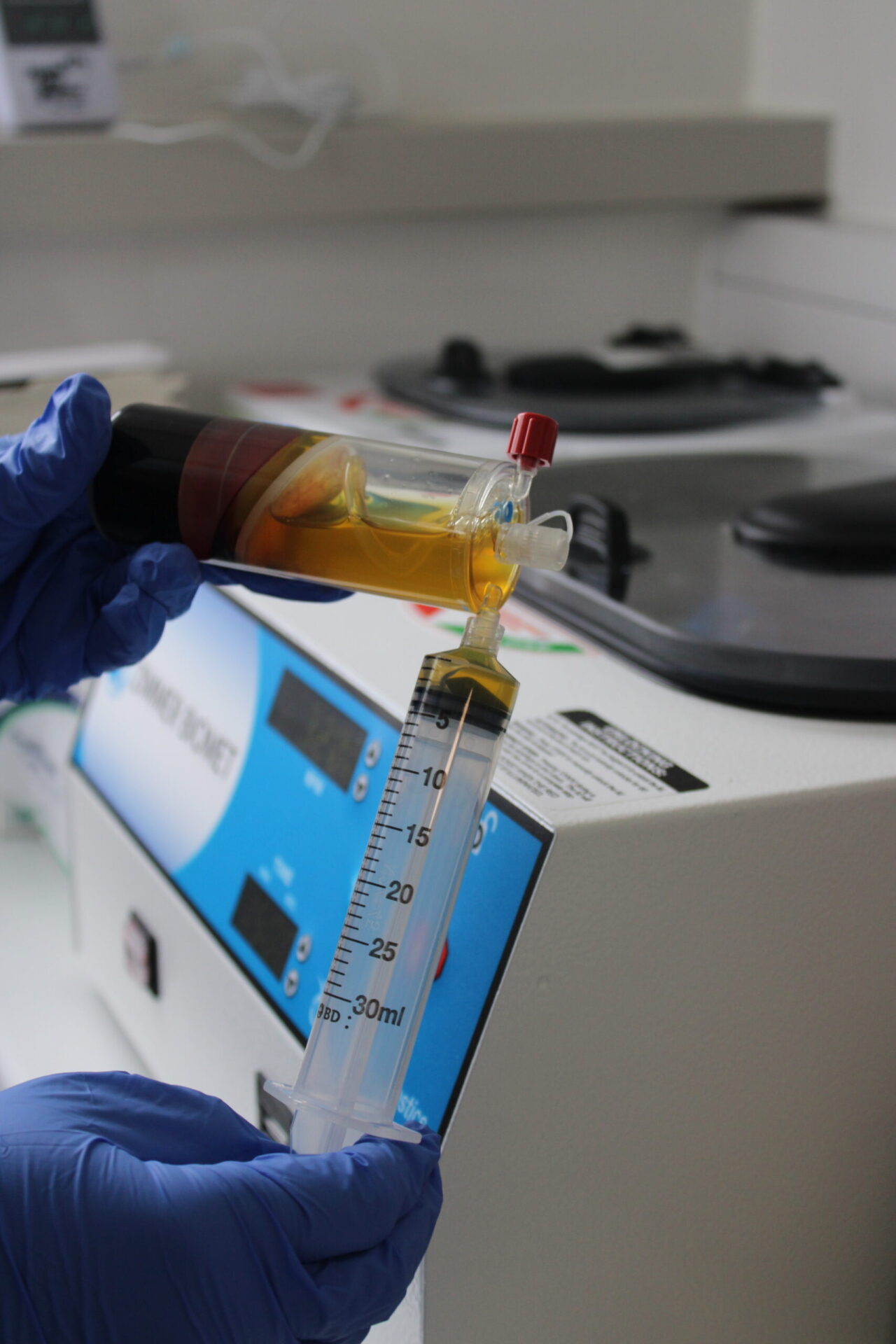
Lipogems is a day-case procedure under local anaesthetic, and our page describes it as taking about 60 to 90 minutes. We carry it out ourselves, shaped by founder Dr Ralph Rogers’s years of image-guided musculoskeletal work, and our post on Lipogems treatment planning explains how we plan each case. The steps are:
Mild swelling or soreness is normal after treatment. Our Lipogems page says most patients return to normal daily activities within 1 to 2 weeks, and we give you exact guidance at your appointment, because it depends on your shoulder and the work you do. Where improvement happens, it tends to build gradually alongside guided physiotherapy and can continue over several months. We advise on a staged return to lifting and overhead activity, and physiotherapy often forms part of recovery. Responses vary, though, and some people notice little change.

We are a private regenerative orthopaedics and sports medicine clinic on Blythe Road, London, and we run every case personally, drawing on founder Dr Ralph Rogers’s years of image-guided musculoskeletal work. We work with a wide range of insurance providers, as well as self-funding patients, although Lipogems itself is self-funded.
If your shoulder pain keeps limiting you, you do not have to keep guessing. We offer quick access to a specialist assessment without a long waiting list. You get a clear diagnosis of where the pain is coming from, and an honest conversation about whether Lipogems, another injection or a different route suits you. If we do suggest Lipogems, we explain the evidence, the steps and the cost before you decide.
| Service | Indicative price |
| Initial consultation | From £300 |
| Follow-up consultation | From £215 |
| Lipogems, one joint (includes one telemedicine follow-up) | From £6,500 |
| Lipogems, two joints (includes one telemedicine follow-up) | From £9,500 |
These are starting figures only. Please see our current fees page for exact pricing. You can also learn more about RRMG and the full range of conditions we treat on our site.
To book, request an appointment online or contact us directly.
The evidence is uncertain. A 2025 systematic review described cell-based injections for shoulder arthritis as experimental, and a 2024 review called the benefit for rotator cuff tears unproven. Some small studies report less pain and better function, but without placebo comparisons. We explain this openly and only suggest Lipogems after a full assessment.
Lipogems for one joint starts from £6,500, which includes a telemedicine follow-up, and two joints start from £9,500. A consultation starts from £300. Payment for Lipogems is made in advance of the procedure. These are starting prices, so please check our fees page for current figures, and we explain every cost before you decide.
Lipogems is not usually covered by medical insurers, so it is self-funded. We work with a wide range of insurance providers for other care, and cover varies by insurer and policy. Please check your cover with your provider before treatment, and we can talk through the costs with you at your appointment.
The right number of treatments depends on your shoulder, and our Lipogems page does not set a fixed schedule. Evidence on repeat treatment is limited, so we agree a plan with you at your consultation and review your progress before suggesting anything further. We would not suggest repeat injections without a clear reason.
The 2024 rotator cuff review described cell-based therapies as having a good safety record, but the studies are small. A 2025 review of shoulder arthritis injections reported complications in about 7% of procedures across all injection types. Mild swelling or soreness is normal after Lipogems, and we explain the risks before you decide.
PRP uses a concentrated sample of your own blood platelets, while Lipogems uses processed fat tissue taken from your own body. Both are injections, and the research for both in the shoulder is still thin. Our post on PRP versus stem cells explains the differences, and we talk through which suits you.
A specialist assessment is sensible when shoulder pain has lasted several weeks, keeps returning or limits your work, sport or sleep. If it has not eased after about 2 weeks of self-care, a doctor can help you decide the next step. We can confirm the diagnosis and talk through your options without a long wait.
Dr Rogers has had a rich and illustrious career so far, which is continuing to grow and develop. Everything Ralph has been involved in since qualifying has added value to his knowledge and experience, but there have been some impressive highlights to note:
2018 – Present Founder Medical Director: Rogers Regenerative Medical Group (RRMG)
2012 – 2024 Medical Advisor – National Basketball Association
2008 – 2018 Medical Director: The London Sports Injury Clinic London
2010-2011 First Team Doctor, Chelsea Football Club
2007- 2010 The Football Association (Team Physician for England under 19 and development squads)
2005-2006 Medical Advisor: Trinidad & Tobago World Cup Football Team
2002 – 2008 Club Doctor: Walsall Football Club, West Midlands England
1998 – 2009 Medical Director: Medical & Orthopaedic Sports Therapy,
2000 – 2005 Sports Physician: Warwickshire County Cricket Club, Birmingham