
Reading Time: mins
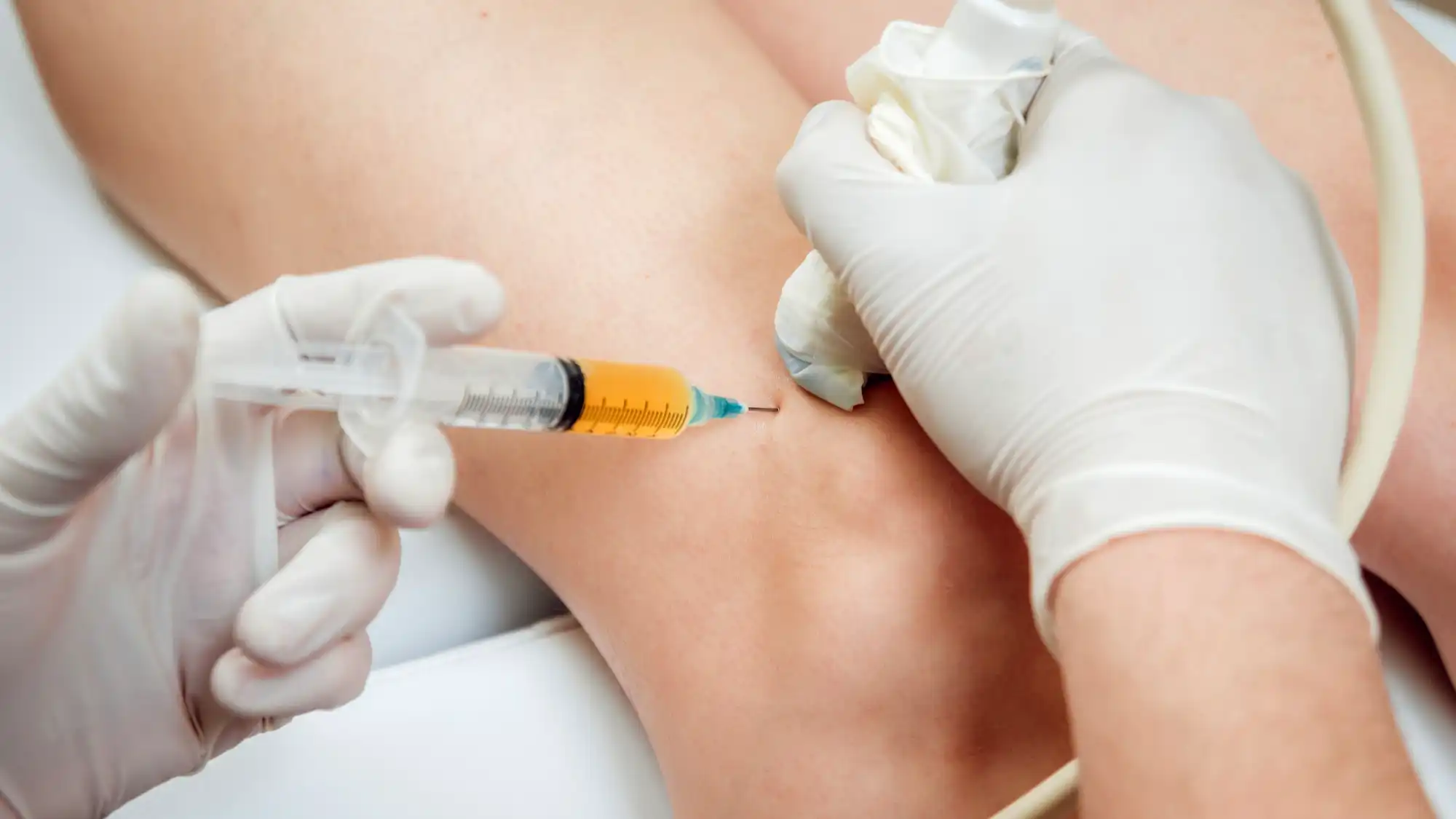
Sometimes, for some people. Injections for torn meniscus pain may ease symptoms for a period, but they do not close or rebuild the tear, and the research on how well they work for this particular problem is limited. That makes the real question which injection, if any, suits your knee, and when.
At RRMG, we use injections to help people manage knee pain while they work on strength and movement, not as a way to fix a tear. This guide explains what damage to the meniscus means, how we confirm what is behind your pain, which injections we discuss, what the research does and does not show, when an injection is not the right step and what it costs.
Each knee has two menisci, C-shaped pads of tough cartilage that sit between the thigh bone and the shin bone. They help the knee take load and move smoothly. Damage to the meniscus can follow a sudden twist, often in sport, or build up slowly with age and repeated loading. Torn meniscus causes range from a single injury to years of wear, and some people cannot name the moment it started. Our meniscus and cartilage damage page covers the types of tear in more detail.
Here is what matters for injections. A tear is a structural change in the cartilage, and an injection cannot stitch it closed. At best, an injection may calm pain or irritation in the joint so that you can move and strengthen the knee more comfortably. That is a smaller promise than the word treatment suggests, and it is how we judge every option below.
Tears differ in size, position and cause. A sudden twisting injury in a young, active knee is a different problem from a gradual tear in a knee that already shows wear, and the sensible plan differs too. Some tears settle with time and physiotherapy. Others cause ongoing pain, catching or swelling. That is why we look at the whole knee before talking about injections, and why we do not give everyone the same answer.
Torn meniscus symptoms in the knee, as listed on the NHS meniscus tear page, include:
These signs can look like a sprain, and they are not unique to the meniscus. Torn meniscus pain behind knee is possible, but pain in that area has several possible sources, so it is a clue and not a diagnosis. A tear can also improve on its own over time, which is why an injection is not always the next step. If your pain has lasted for weeks, keeps returning or limits daily life, it makes sense to book an assessment.
Before we suggest any injection, we take your history, examine the knee, use ultrasound where it helps and review any MRI scan you already have. If something other than the meniscus looks like the main cause of your pain, such as arthritis, we say so and the plan changes. A clear diagnosis comes first, because an injection aimed at the wrong problem is unlikely to help you.
We discuss four types of injection for knee pain that may involve a meniscus tear. None rebuilds the meniscus, and we do not present any of them as a cure. Our non-surgical treatments page shows how these options sit alongside physiotherapy and other care.
Steroid injections place a strong anti-inflammatory medicine into or around the joint, and are often called cortisone injections. They are used for short-term pain relief. NICE guidance on osteoarthritis, which does not cover meniscal tears, says to consider them when other medicines are not working and puts the relief at about 2 to 10 weeks. Any benefit for a torn meniscus is therefore likely to be temporary, and the injection does not change the tear. We use ultrasound guidance so the injection goes where we intend, and we talk through the risks, including a temporary flare of pain, and how often an injection can be repeated.
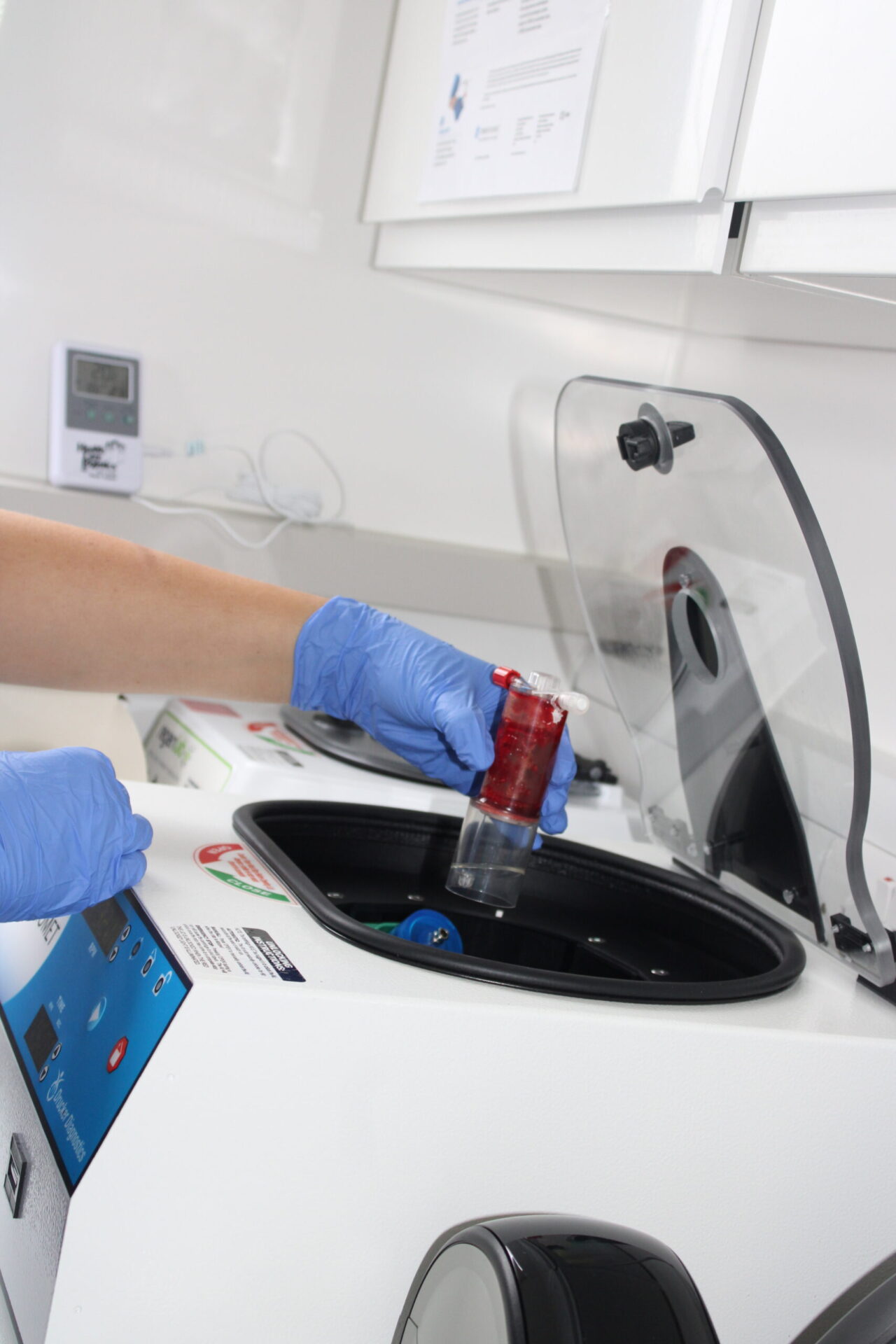
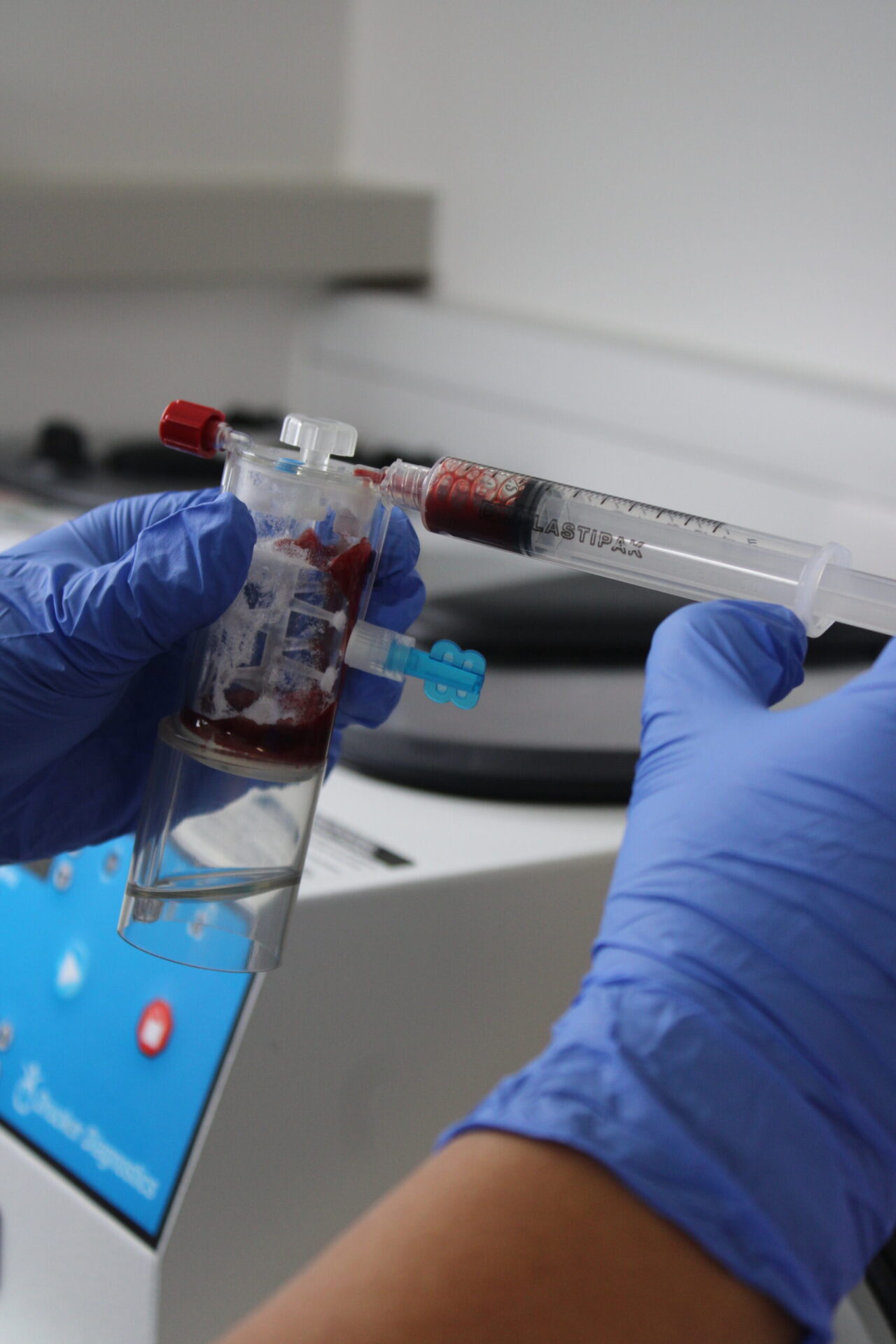
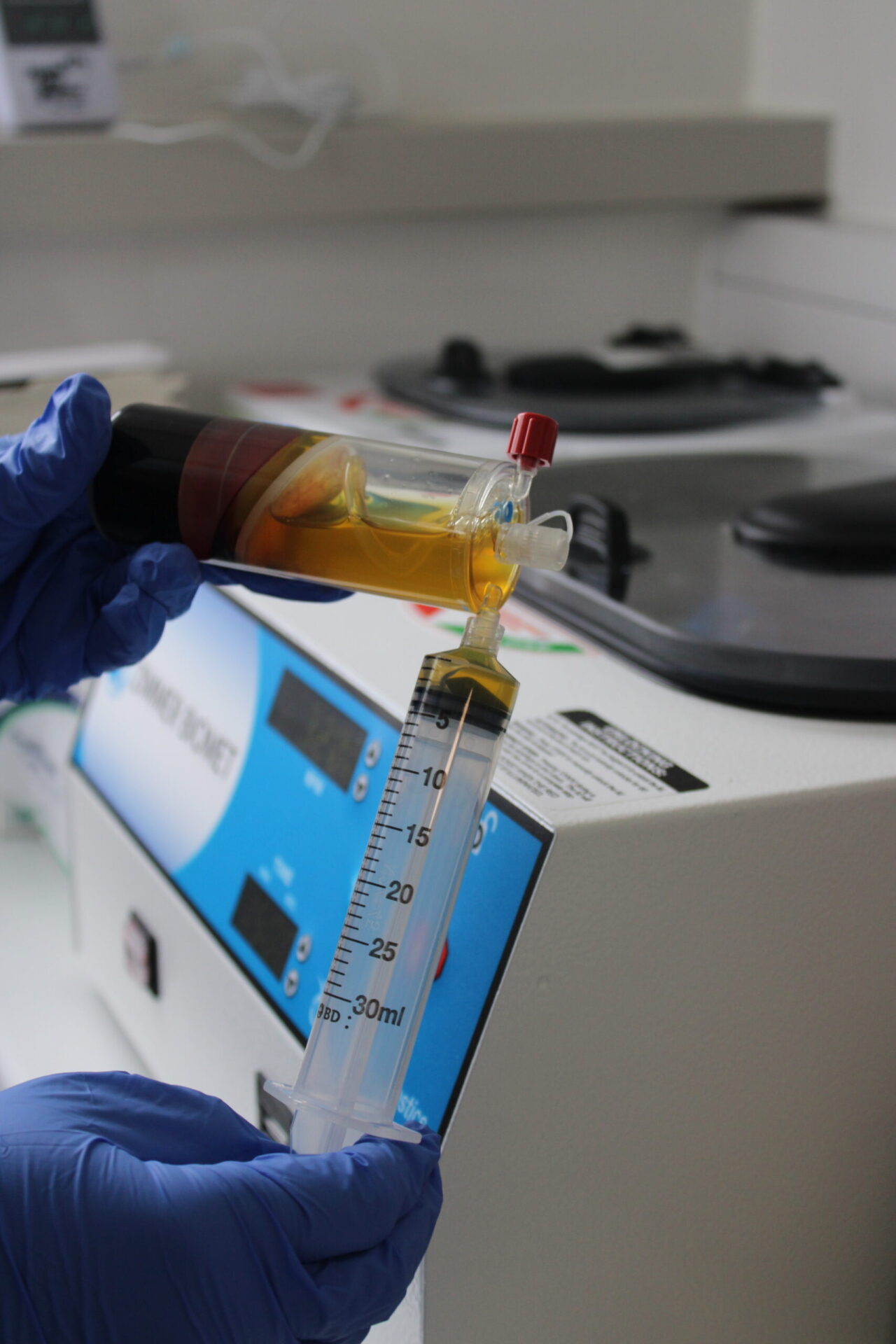
PRP injections use platelets concentrated from a sample of your own blood, and PRP is short for platelet-rich plasma. We inject it into the knee under ultrasound guidance. The proposed idea is that the platelets release signalling substances that may influence inflammation in the joint. That is a proposed mechanism and not a proven one for meniscus tears, and the research is thin and not conclusive. PRP does not close a tear, and we say that plainly at your appointment.
Some people ask about hyaluronic acid, a gel-like substance found naturally in joints. Ostenil is a hyaluronic acid injection, and Cellular Matrix combines a blood product from you with hyaluronic acid. NICE advises against offering hyaluronan injections for osteoarthritis, and the evidence for torn menisci is thin, so we do not present either as a first choice. We cover this openly at your consultation.
Lipogems uses a small amount of your own fat tissue, which is processed and injected into the joint. It is often described as a stem cell treatment, and it needs a minor procedure to collect the tissue. We do not claim it rebuilds a torn meniscus, and there is little good evidence for stem cell and fat-derived injections in meniscus tears. Our guide to PRP versus stem cells compares the two.
There is no single best injection for a torn meniscus, and anyone who names one for everybody is overselling. We weigh how long you have had pain, what you have already tried, whether arthritis is also present, what you want to get back to doing and what you are comfortable paying for. A steroid injection may suit a short-term need, such as starting physiotherapy with less pain. Other options may come up if pain keeps returning. We tell you plainly when the evidence is thin and when waiting is a reasonable choice.
Here is how each torn meniscus treatment injection option compares at a glance:
| Option | What it aims to do | What we know |
| Steroid | Short-term pain relief | Osteoarthritis guidance suggests about 2 to 10 weeks of relief, and the tear is unchanged |
| PRP | Calm irritation in the joint | Evidence for meniscus tears is limited, and the tear is unchanged |
| Hyaluronic acid or Cellular Matrix | Add a gel-like substance to the joint | NICE advises against hyaluronan in osteoarthritis, and meniscus evidence is limited |
| Lipogems | Inject your own processed fat tissue | Little good evidence for meniscus tears, and a tissue collection procedure is needed |
The research does not show that any injection closes a meniscus tear, and good evidence on pain relief in torn menisci specifically is limited. The guidance covers related conditions, and the studies we found are small, run in animals or cover other knee problems. We would rather you hear those limits from us than discover them later.
National patient guidance on meniscus tears lists rest, physiotherapy and, for severe damage, keyhole surgery. It does not list injections. NICE guidance on osteoarthritis does not mention meniscal tears, and it advises considering corticosteroid injections for short-term relief while advising against hyaluronan injections. A 2023 meta-analysis in the journal Orthopaedic Surgery looked at hyaluronic acid after knee arthroscopy, including meniscus surgery, and found no clear benefit over control. A 2024 systematic review in BMC Musculoskeletal Disorders covered biologic treatments added to meniscal repair surgery, not including PRP or stem cells. It found 19 studies, 18 of them in animals, and none gave conclusive results.
The studies we found cover surgery, animals and related knee conditions, not head-to-head trials of injections in torn menisci. That makes it hard to say which injection, if any, works best for a tear. It also means that high success rates quoted elsewhere rest on thinner ground than they sound. We keep our advice under review as better evidence appears.
We can say that injections may ease pain for some people, and that the right choice depends on your knee, your symptoms and what you have already tried. We cannot say how many people improve, because we could not find reliable figures for meniscus tears specifically, and we cannot promise a result. If anyone offers you a success rate, or says an injection mends a tear, ask to see the evidence. If you would like to talk through where your own knee sits against it, you can book an assessment with us.
Sometimes the honest answer is that an injection is not the best next step. We may suggest a different route if:
Wherever you go, it helps to ask which injection is being suggested and why, what it is meant to achieve, what the evidence shows for a torn meniscus, what the risks are, what it costs in total and what the next step is if it does not help. A clear answer to each one is a good sign. We are happy to go through them with you at your first appointment.
Keyhole surgery, called arthroscopy, is usually kept for severe damage, and it comes with its own recovery. Whether you need it depends on the type and size of the tear and how your knee behaves day to day. When surgery looks like the right step, we refer you for a surgical opinion and explain your options, so that the choice stays yours.
We run every case ourselves, and founder Dr Ralph Rogers‘s years of ultrasound-guided work shape how we plan each injection. We review your history and any scans, examine the knee, then talk through the options, the evidence and the cost before anything is booked. If an injection goes ahead, we clean the skin and use ultrasound to guide the needle to the intended spot. Our guide to ultrasound guided knee injection explains why we use imaging. Nothing is booked until you are comfortable with the plan, and you are welcome to take time to decide.
Some soreness around the knee is common for a short time. We advise on activity, on when to build movement back and on any rehabilitation that suits your knee. A follow-up consultation lets us review how you are doing and decide whether anything else is needed. Follow-up appointments start from £215, and if an injection has not helped, we say so and discuss other routes, including a surgical opinion.

We are a private regenerative orthopaedics and sports medicine clinic on Blythe Road, London, and we run every case personally, shaped by founder Dr Ralph Rogers’s training in musculoskeletal ultrasound. We work with a wide range of insurance providers, as well as self-funding patients, although cover varies by treatment and policy.
If knee pain keeps limiting your work, sport or sleep, you do not have to keep guessing. We offer quick access to a specialist assessment without a long waiting list, and a clear diagnosis of where your pain is coming from. You get an honest conversation about whether an injection, physiotherapy or a surgical opinion suits your knee. If we suggest an injection, we explain the evidence, the steps and the cost first, and booking is simple.
| Service | Indicative price |
| Initial consultation | From £300 |
| Follow-up consultation | From £215 |
| Image-guided injection | From £600 |
| PRP, per injection | From £1,020 |
| Cellular Matrix | From £1,200 |
| Ostenil Plus | From £720 |
These are starting figures only, and your plan may differ. Please see our current fees page for exact pricing. You can also learn more about RRMG on our site.
To book, request an appointment online or contact us directly.
A steroid injection may ease pain for a few weeks, but it does not change the tear. NICE guidance on osteoarthritis, which does not cover meniscal tears, puts relief at about 2 to 10 weeks. We confirm what is causing your pain first, then explain the risks and how often a steroid injection can be repeated before anything is booked.
The evidence is limited, so we cannot say it is good for everyone. PRP, short for platelet-rich plasma, uses platelets from your own blood and does not close a tear. Some people try it for knee pain. We explain what is known, the cost and the alternatives before you decide.
Knee injections sometimes ease pain for a while, but they do not close a torn meniscus. We cannot give a success rate for meniscus tears, because reliable figures are lacking. We start by confirming what is behind your pain, then discuss injections alongside physiotherapy and, where needed, a surgical opinion.
The evidence is limited and not conclusive. Stem cell and fat-derived injections are used in some clinics for knee problems, but we do not claim they rebuild a tear. Lipogems also needs a small procedure to collect fat tissue. We go through what is known, the cost and the alternatives first.
A torn meniscus can be painful, though pain varies from person to person. Pain, tenderness, swelling and a feeling of the knee giving way are common, and some pain comes from other structures in the knee. That is why we examine the knee and review any scans before suggesting treatment.
Our guide prices start at £600 for an image-guided injection, £720 for Ostenil Plus, £1,020 for PRP and £1,200 for Cellular Matrix, plus a consultation from £300. These are starting figures, so please check our fees page for current prices. We explain every cost before you decide.
Dr Rogers has had a rich and illustrious career so far, which is continuing to grow and develop. Everything Ralph has been involved in since qualifying has added value to his knowledge and experience, but there have been some impressive highlights to note:
2018 – Present Founder Medical Director: Rogers Regenerative Medical Group (RRMG)
2012 – 2024 Medical Advisor – National Basketball Association
2008 – 2018 Medical Director: The London Sports Injury Clinic London
2010-2011 First Team Doctor, Chelsea Football Club
2007- 2010 The Football Association (Team Physician for England under 19 and development squads)
2005-2006 Medical Advisor: Trinidad & Tobago World Cup Football Team
2002 – 2008 Club Doctor: Walsall Football Club, West Midlands England
1998 – 2009 Medical Director: Medical & Orthopaedic Sports Therapy,
2000 – 2005 Sports Physician: Warwickshire County Cricket Club, Birmingham