


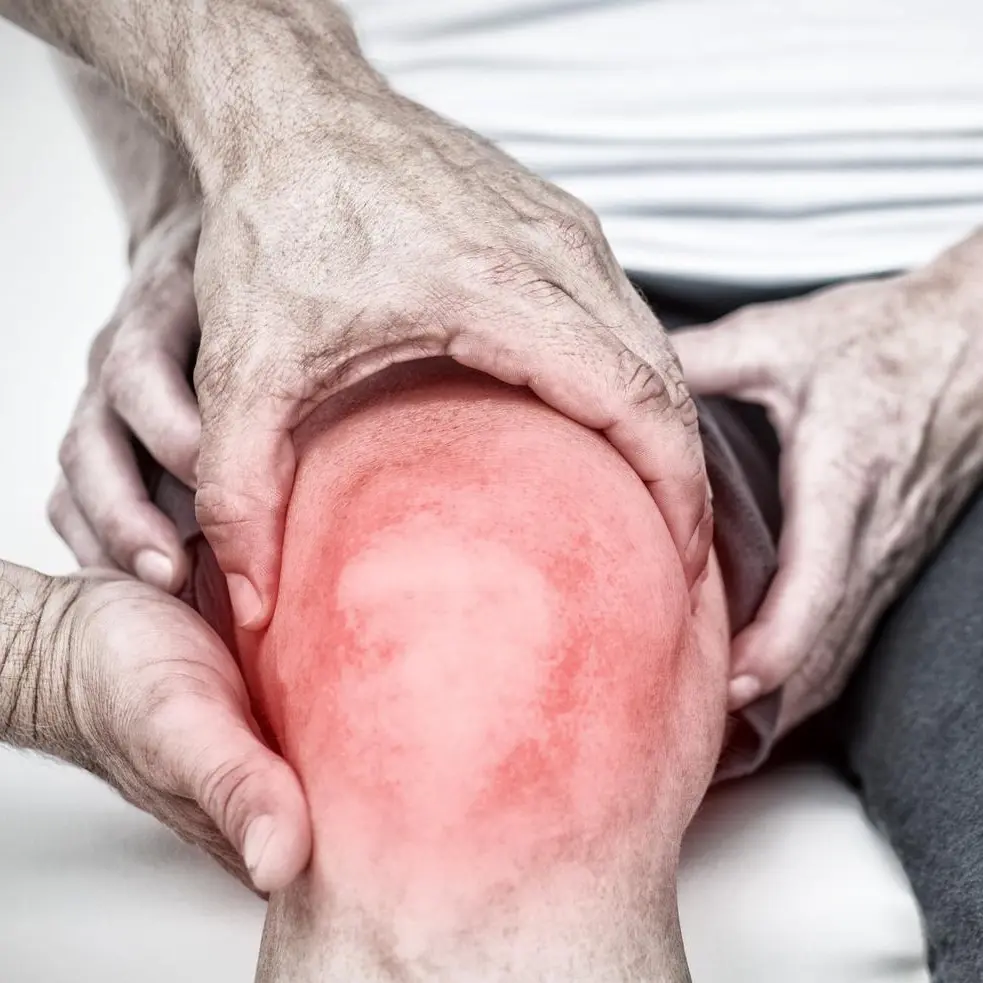









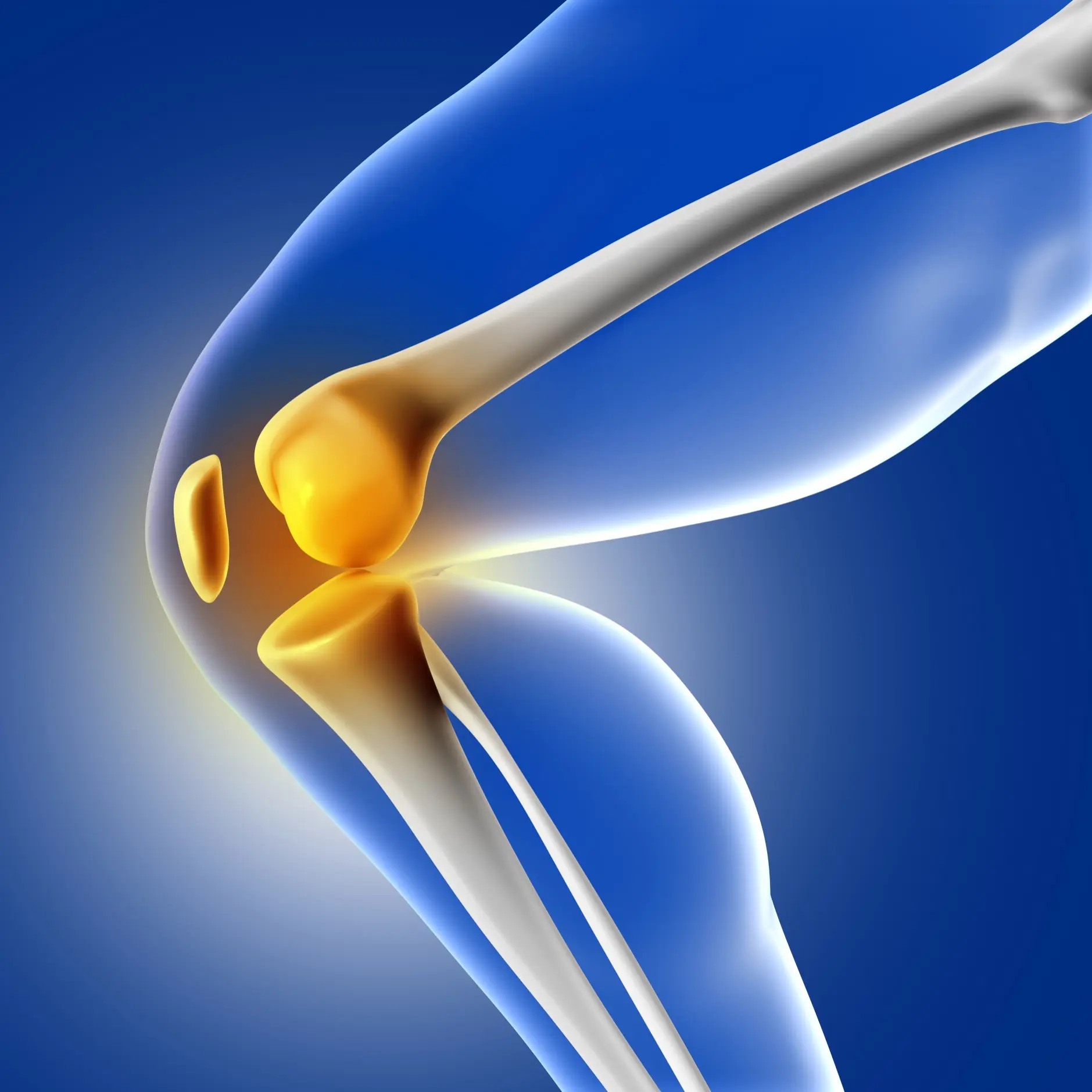
The meniscus is a piece of fibrocartilage that cushions the space between the thighbone and shinbone. Articular cartilage is the smooth tissue covering the ends of the bones. A meniscus tear affects the cushioning structure, while articular cartilage damage affects the joint surface. Both can cause knee pain, swelling and restricted movement.
Some meniscus tears can improve with time, activity modification and rehabilitation. The likelihood of healing depends on factors such as the tear's location, pattern and blood supply. Other tears may need surgical assessment, particularly when symptoms are severe or movement is mechanically restricted.
No. Some tears cause noticeable swelling, which may develop several hours or days after the injury, while others cause mainly pain or catching during movement. The absence of swelling does not rule out a meniscus problem.
Not every patient requires an MRI, but it is generally the preferred imaging method for diagnosing an acute meniscus tear when imaging is indicated. Your clinician will consider your symptoms, examination findings and whether the scan could change the treatment plan.
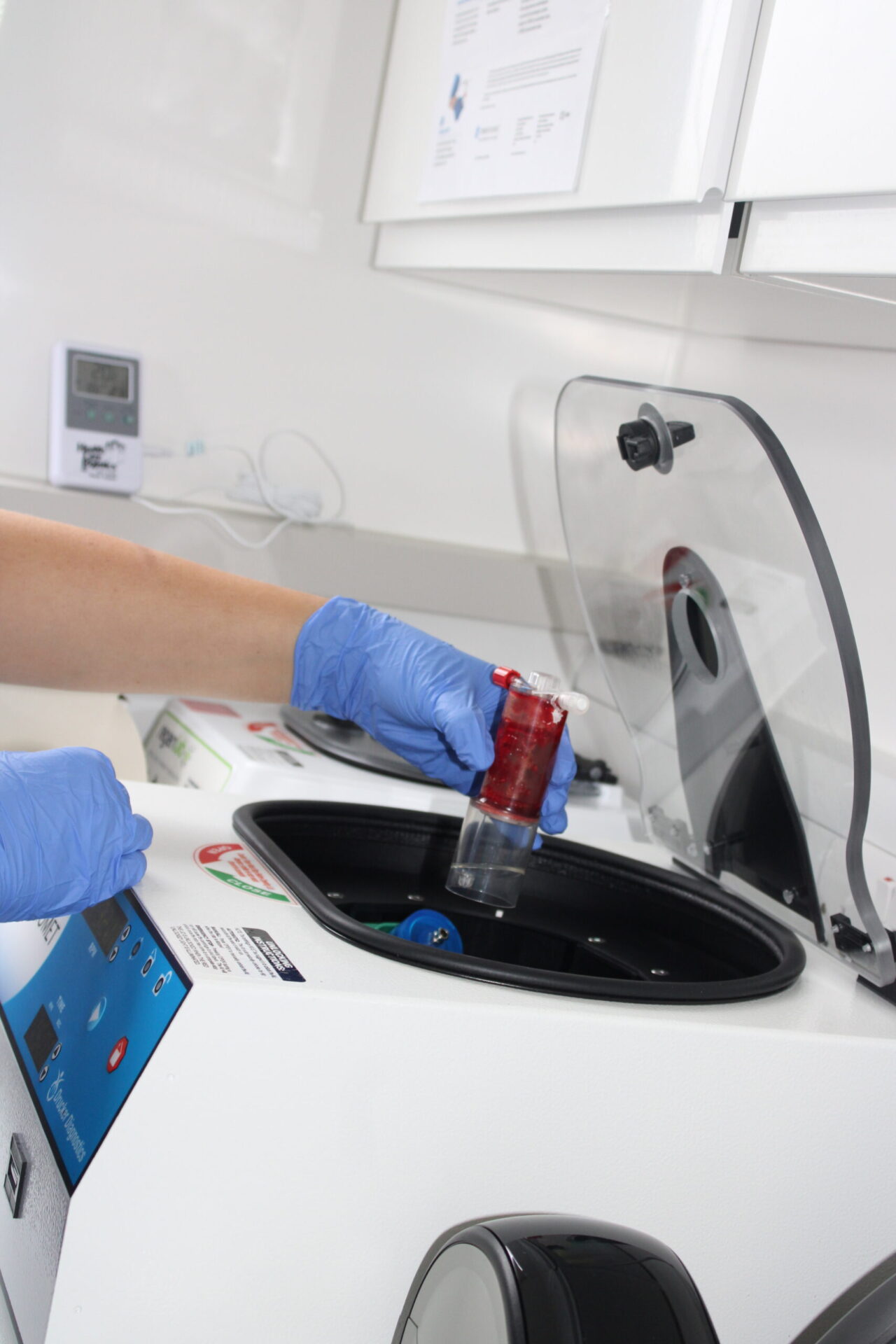
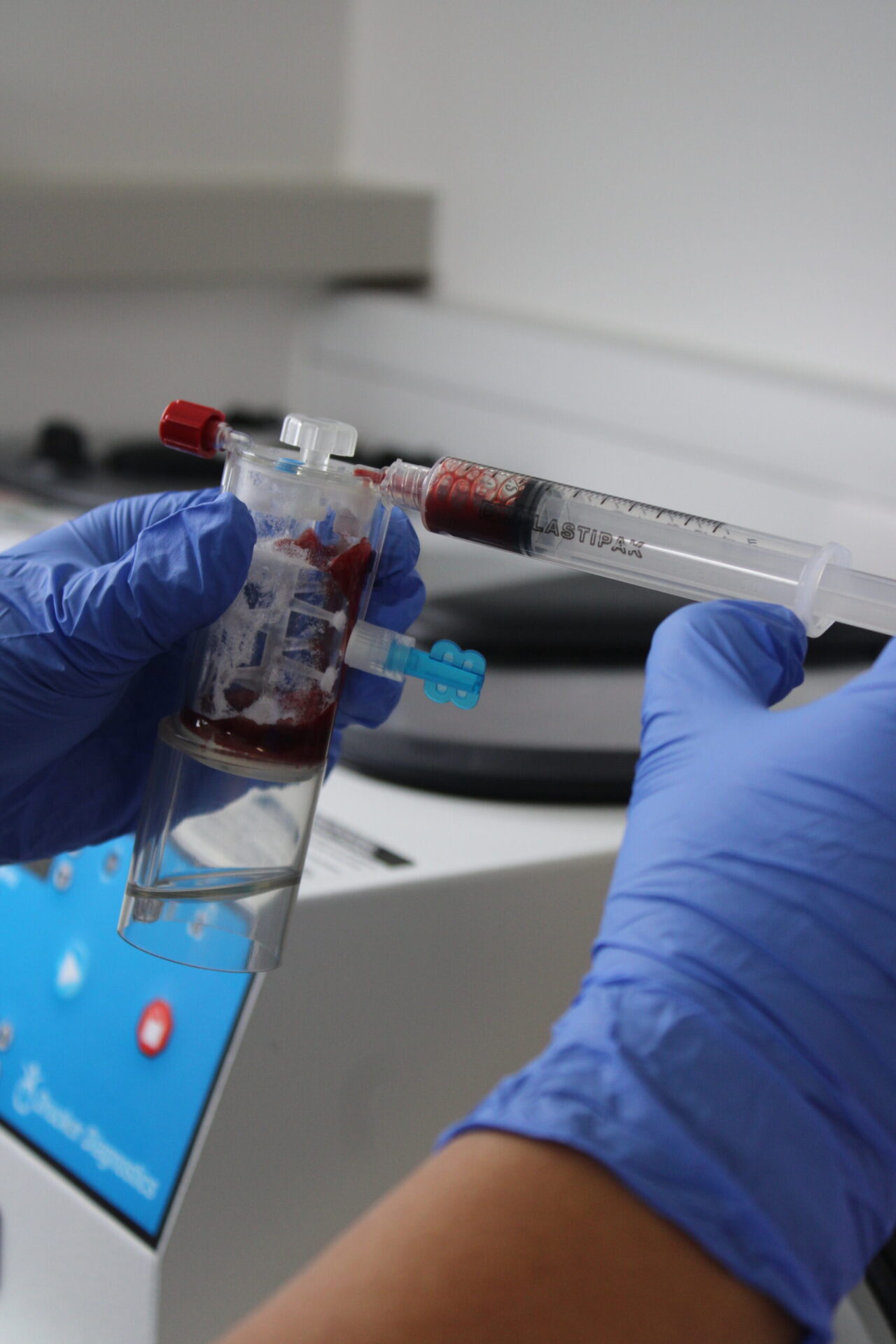
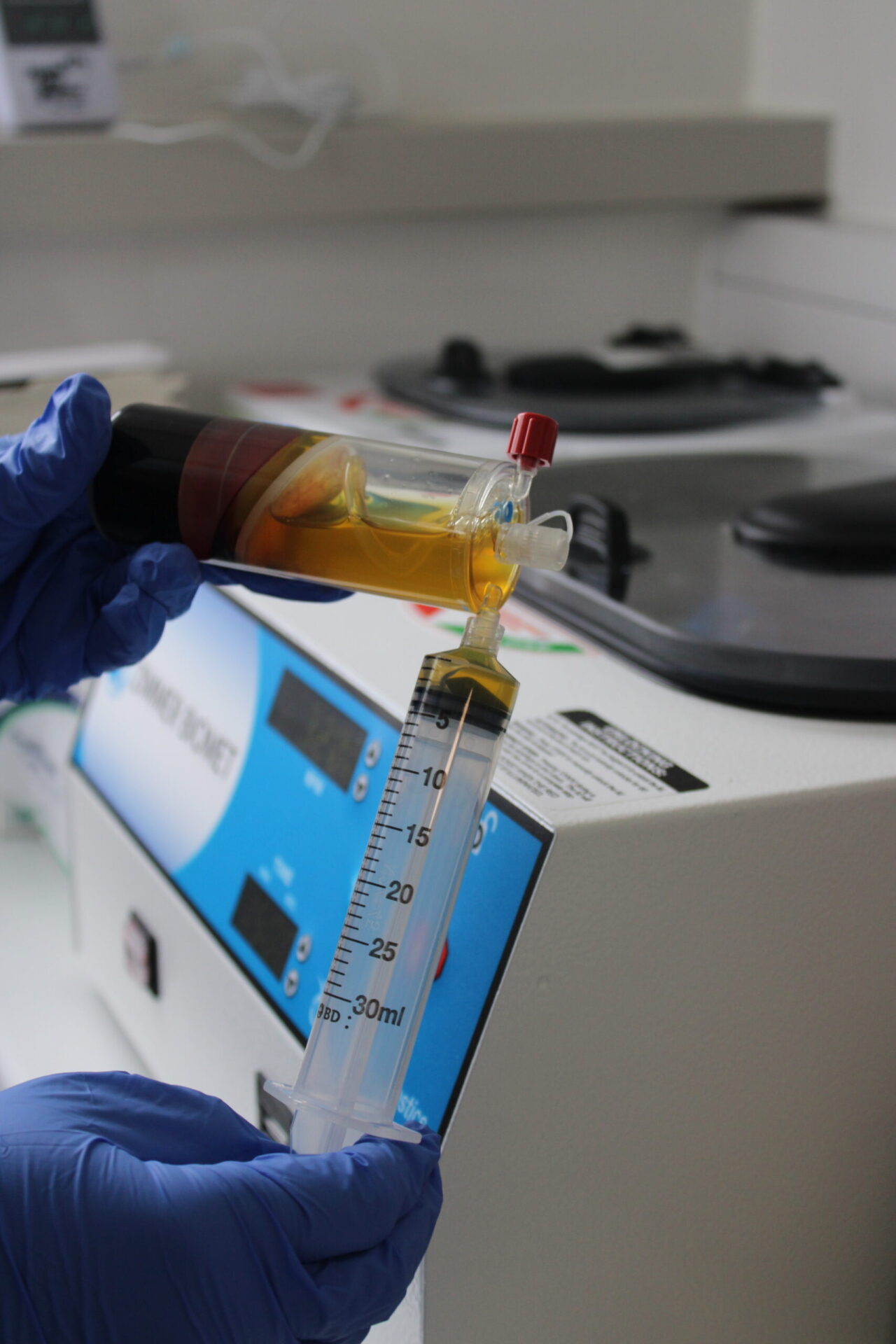
PRP is used in some clinical settings for musculoskeletal conditions, but it should not be described as a guaranteed way to repair a meniscus tear. Suitability and expected benefit depend on the injury, the evidence for the proposed use and the individual patient. Discuss the limitations and alternatives with your clinician.
Yes. Damage to structures within the knee can cause pain during weight-bearing activities such as climbing stairs, squatting or standing from a chair. However, these symptoms can also arise from other conditions, so an assessment is needed to establish the likely cause.
The appropriate level of activity depends on the injury and your symptoms. You may need to temporarily avoid movements that aggravate pain, particularly twisting or deep squatting. Rehabilitation can help guide a gradual return to exercise. Severe pain, a locked knee or an inability to bear weight needs prompt medical assessment.
This site is protected by reCAPTCHA and the Google Privacy Policy and Terms of Service apply.
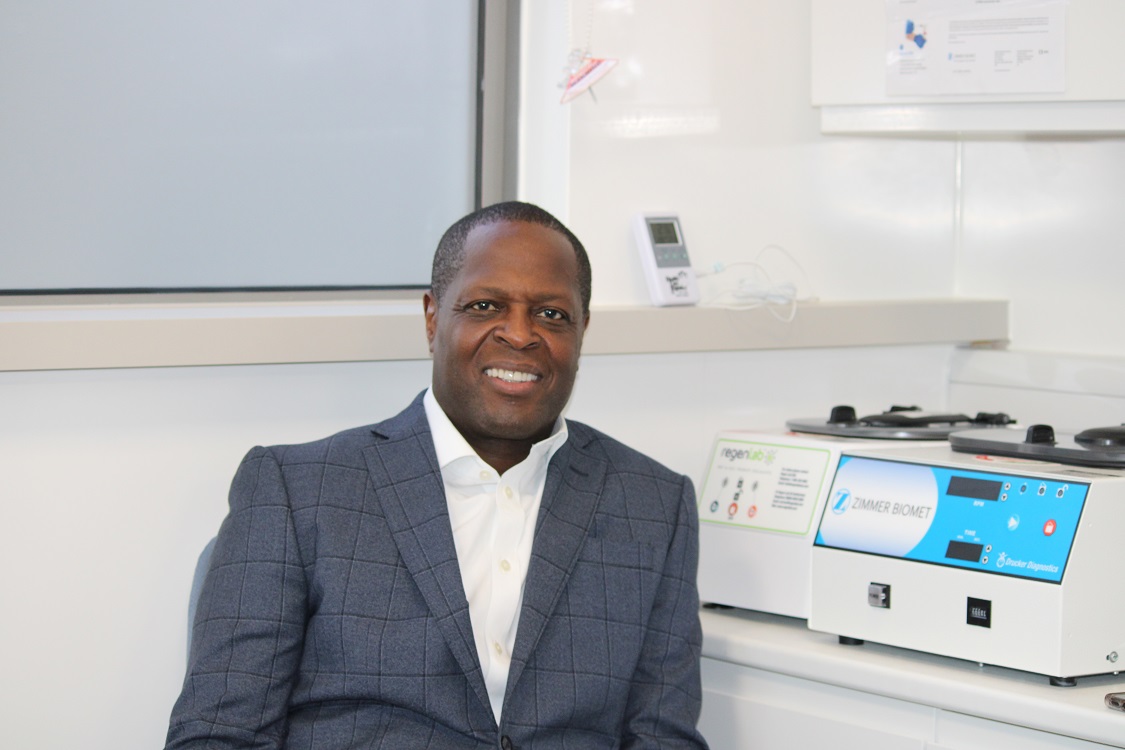
Dr Rogers has had a rich and illustrious career so far, which is continuing to grow and develop. Everything Ralph has been involved in since qualifying has added value to his knowledge and experience, but there have been some impressive highlights to note:
2018 – Present Founder Medical Director: Rogers Regenerative Medical Group (RRMG)
2012 – 2024 Medical Advisor – National Basketball Association
2008 – 2018 Medical Director: The London Sports Injury Clinic London
2010-2011 First Team Doctor, Chelsea Football Club
2007- 2010 The Football Association (Team Physician for England under 19 and development squads)
2005-2006 Medical Advisor: Trinidad & Tobago World Cup Football Team
2002 – 2008 Club Doctor: Walsall Football Club, West Midlands England
1998 – 2009 Medical Director: Medical & Orthopaedic Sports Therapy,
2000 – 2005 Sports Physician: Warwickshire County Cricket Club, Birmingham