
Reading Time: mins
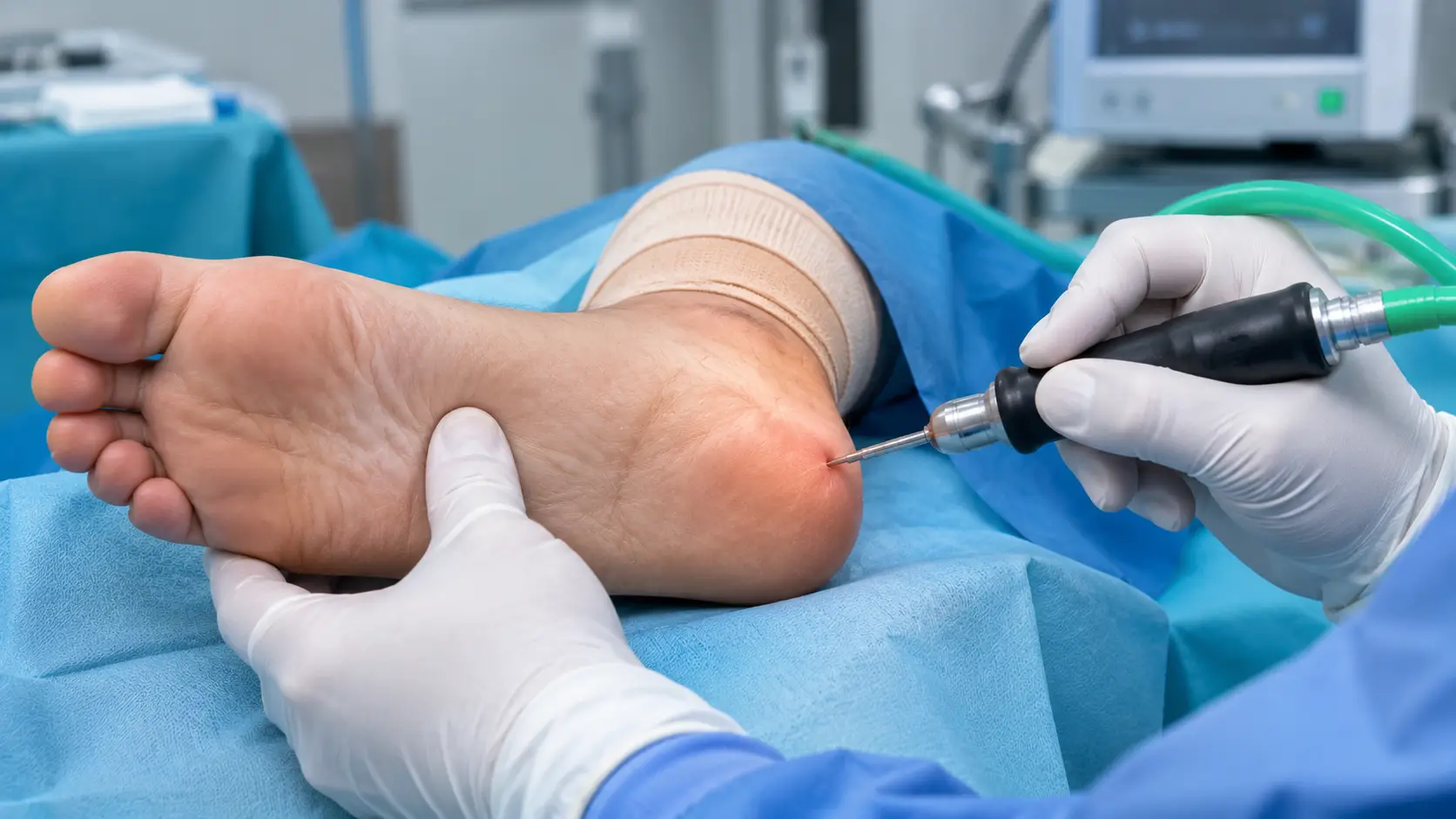
A Tenex procedure uses ultrasound to guide a thin probe through a tiny cut in your skin to a painful tendon. The probe breaks up damaged tendon tissue, which is then drawn out, and the whole thing is done under local anaesthetic. Our Tenex page describes it as taking about 20 to 30 minutes, and most people go home on the day.
That is the short answer. The longer one includes some honesty about the research, which is smaller and less certain than many online descriptions suggest. At RRMG, we scan a painful tendon with ultrasound before anything else is discussed. This guide covers what happens, who may be considered, which tendons it is used for, what the studies show and what it costs. It is about the tendon procedure, not the medicine of the same name sold in some countries.
Tenex is the brand name of a system used for percutaneous ultrasonic tenotomy. Percutaneous means through the skin, and a tenotomy is a procedure that works on a tendon. In this case, a needle-sized probe vibrates at high frequency to break down worn tendon tissue, and the loosened tissue is removed through the same needle. Our tendon injuries page explains the problems we see, including long-standing tendinopathy, where a tendon has become sore and thickened after repeated strain.
Chronic tendon pain is often linked to areas of worn, disorganised tendon tissue that no longer cope well with load. The idea behind Tenex is that removing that tissue may reduce pain and let the tendon cope better afterwards. That is the proposed mechanism and not a proven one, and the exact way it helps is still being studied. We use live ultrasound throughout, so we can see the probe and the tendon on screen as we work. The needle has two channels, one that carries fluid in and one that draws the loosened tissue out, which is how debris is cleared while the probe vibrates.
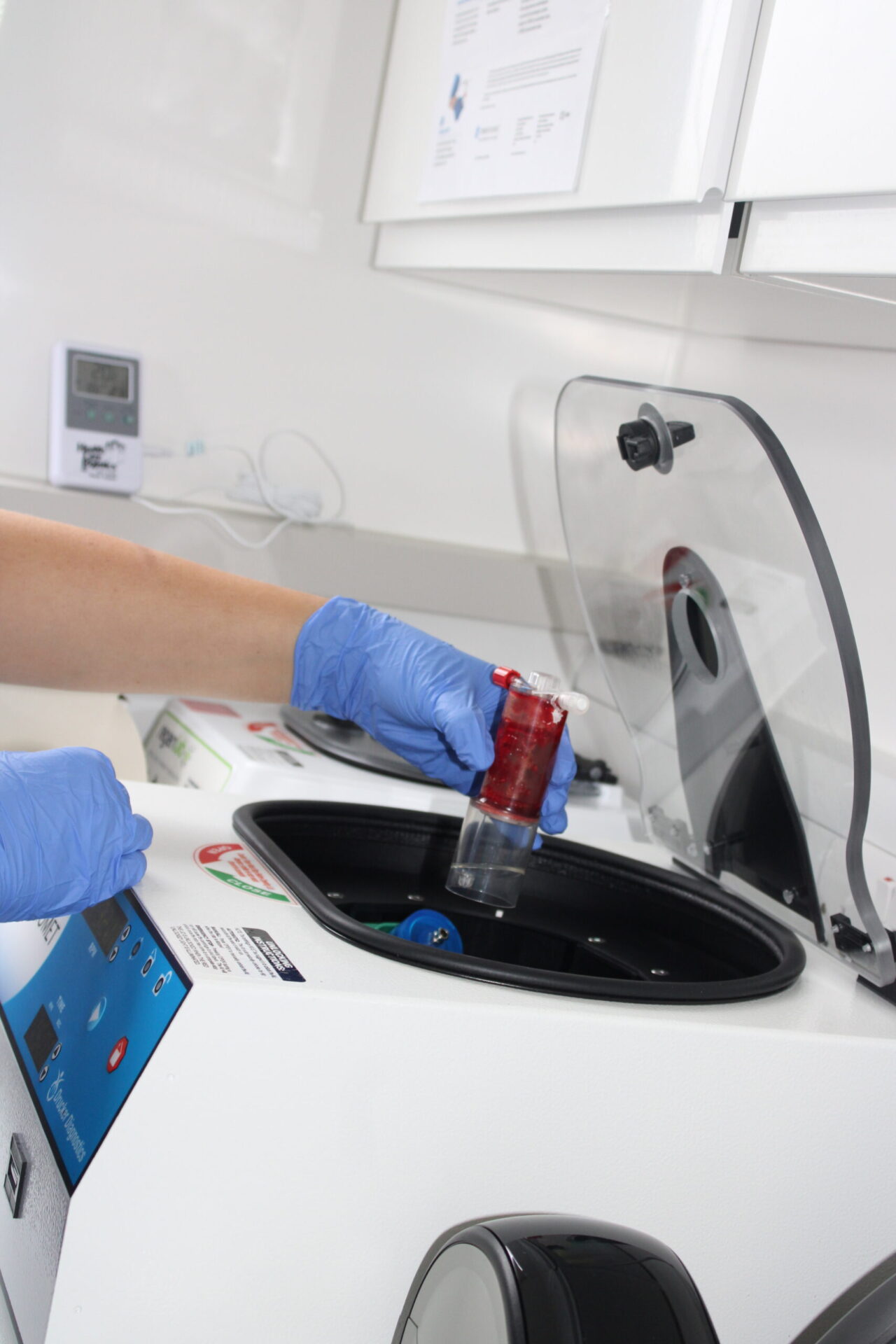
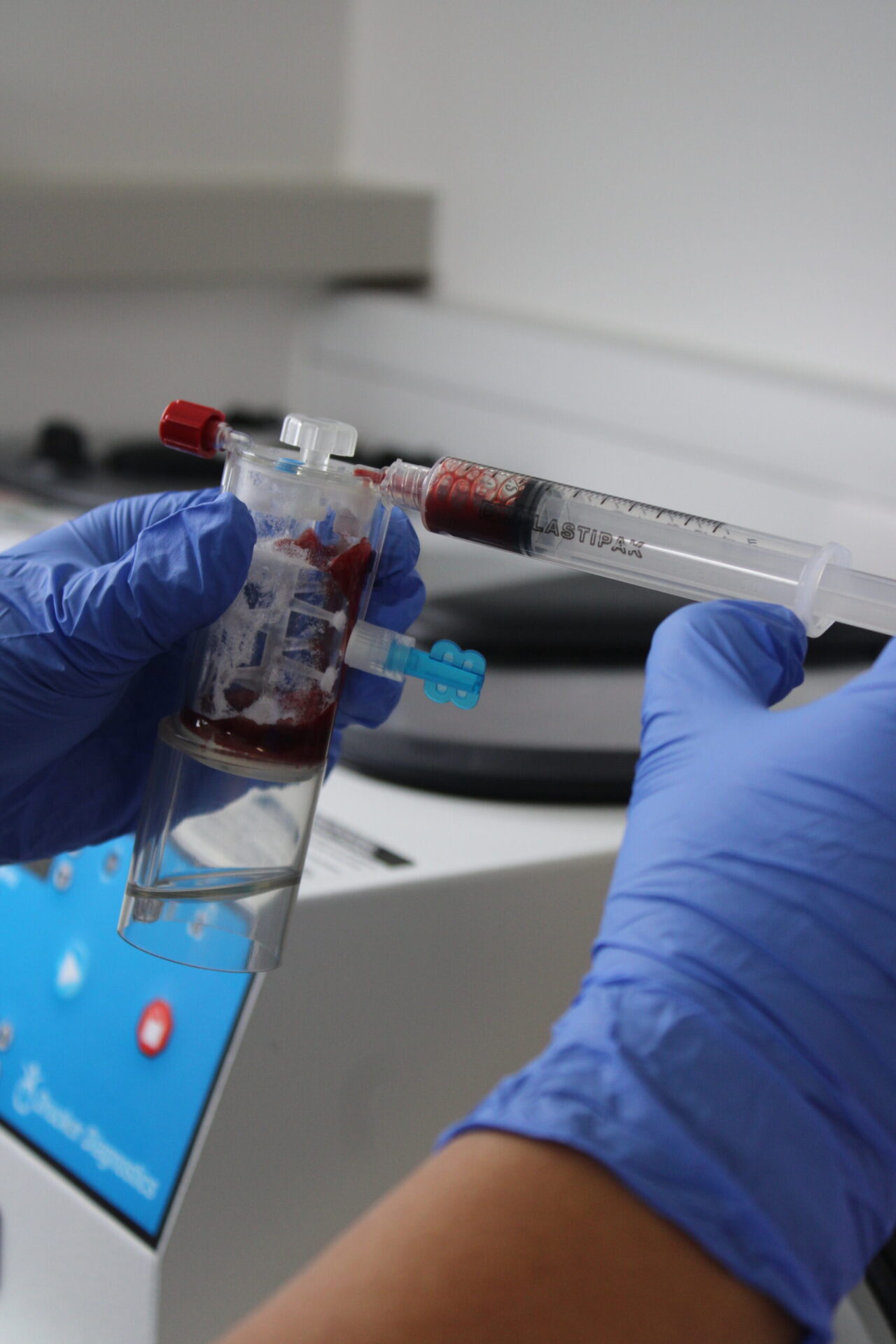
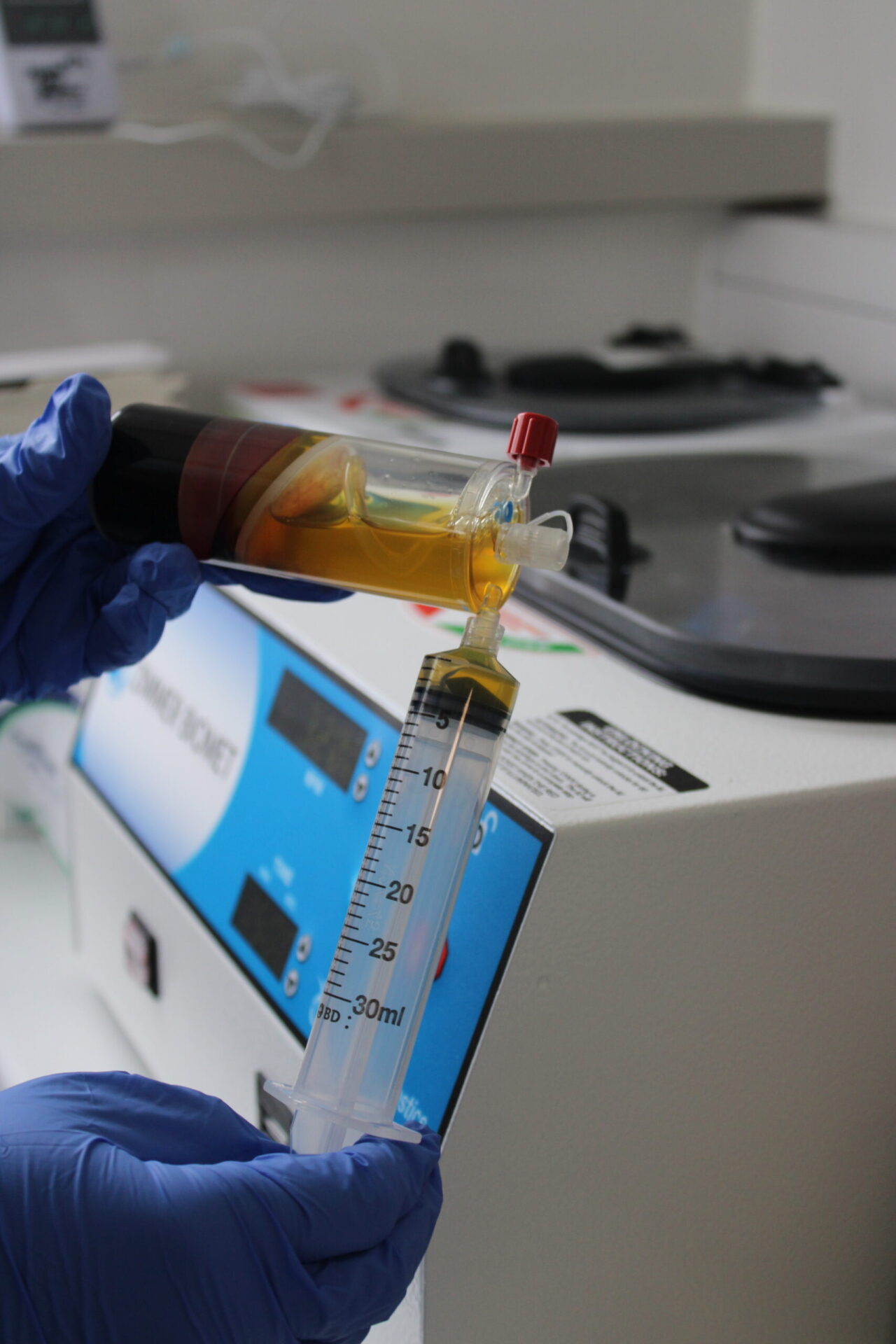
We run every case ourselves, and founder Dr Ralph Rogers‘s years of ultrasound-guided work shape how we plan and carry out each step. Before treatment, we explain what you may feel and how long to expect to be with us. A typical visit looks like this:
Your appointment takes longer than the procedure itself, because of the scan, preparation and aftercare advice. Other hospital pages quote a few minutes of probe time up to 30 minutes in total.
Wear loose clothing that gives easy access to the area, and bring a list of your medicines, any allergies and any scans or reports you already have. Arrange a lift home, especially if we are treating a leg, foot or your dominant arm.
In a surgical tenotomy, a surgeon cuts through part or all of a tendon. With Tenex, the aim is different. Guided by ultrasound, we work through a small opening to remove diseased tissue and leave healthy tendon in place. Terms such as percutaneous needle tenotomy cover several needle techniques, so it helps to ask any clinic exactly which device and method it uses.
Tenex treatment is usually considered when tendon pain has lasted for months and has not settled with the usual first steps. We may discuss it with you if:
We also tell you when it is not the right fit. A large partial tear or a ruptured tendon may need a different route, and so may pain that is still in an early, inflamed phase. Poorly controlled diabetes or circulation problems can affect how tissue recovers, so we talk those through before going ahead. If you have not yet had a scan or a clear diagnosis, that comes first, because tendon problems that look alike can have different causes. Our job at the assessment is to match the treatment to your tendon, not the other way round.
Our Tenex page lists tennis and golfer’s elbow, the Achilles tendon, the patellar tendon, plantar fascia and shoulder tendon problems. You can see the wider range under conditions we treat. The evidence is not equal across these areas, so each condition below says where it stands.
If you have searched for a tenex procedure tennis elbow option, your pain has probably outlasted the usual advice. The NHS says tennis elbow often settles with rest but can last over a year, and that physiotherapy may help if home care has not worked after about 6 weeks. A tenex elbow procedure targets the damaged tendon attachment on the outer elbow. Elbow is the best-studied area, with 5 of the 7 studies in the main review, and those studies reported less pain and better function. Golfer’s elbow, on the inner side, is on our list too.
Tenex for Achilles tendinopathy has fewer studies behind it than elbow treatment. The main review found only a modest short-term improvement and little long-term data. A 2026 US insurer policy review also cites tendon tearing as a reported complication in this area, so we raise that risk with you at assessment. Our ankle and foot pain page covers the other causes of heel and Achilles pain, which we rule out first.
If you are looking at a tenex procedure shoulder treatment, it is usually for rotator cuff tendinopathy, which affects the group of tendons that steadies the joint. Our Tenex page lists it, but the main review covered elbow, Achilles and plantar fascia and did not include the shoulder, so the evidence here is thinner still. Ultrasound helps us tell a worn tendon from a tear, and our shoulder pain information explains the other common causes.
Plantar fasciitis affects the thick band under the foot, and our page lists it. The main review included one study of it, which reported improvement, so we describe the evidence as promising but thin. Our page also lists the patellar tendon below the kneecap, but the main review contained no study of it, and we say so plainly. Heel and knee pain have many causes, so we scan first.
Most tendon problems start with simpler steps, and we only discuss Tenex once those have been tried. The options we usually talk through include:
Our non-surgical treatments hub shows how these fit together. Steroid injections may give temporary relief without changing the worn tendon underneath, which is why we discuss other options when pain keeps coming back. Surgery is a larger procedure with a different recovery, and we do not claim Tenex is safer or better than it. A second small study, of 33 people, compared Tenex with surgery and found no clear difference, as Healthline summarises it, though some researchers had company ties. We treat that as a prompt for better studies, not a verdict.
PRP uses a concentrated sample of your own blood platelets, injected around the tendon, while Tenex removes damaged tissue. They work in different ways. One small study of 62 people with tennis elbow, as summarised by Healthline, found no clear difference between the two, and we would not read a winner into it. Our PRP injections page explains that option.
We would rather you hear the limits from us than discover them later. The evidence for Tenex is real but small.
A 2021 systematic review in Sports Health pulled together 7 studies, with 5 on elbow, 1 on Achilles and 1 on plantar fasciitis. It reported lower pain and disability scores and better function for elbow and plantar fasciitis, and only a modest short-term gain for the Achilles. The authors rated the evidence as low level, said the procedure can be considered when conservative care has failed, and asked for higher-quality studies. Some of the authors reported payments from companies in this field.
Most Tenex studies are case series or other observational designs, with few randomised trials and short follow-up. Two US insurer policies updated in 2026 still class the procedure as investigational for this reason. At the time of writing, we could not find UK national guidance that covers it. A 2026 sports medicine review paints the same picture. It calls elbow the best-supported area, describes the evidence as mostly observational, reports most gains in the first 3 months and notes that no single rehabilitation protocol has been agreed. None of this means the procedure is unsafe or useless. It means we cannot promise a result, and we say so at every assessment. For you, that makes Tenex a considered choice and not a first step. We show you where your own tendon sits against this evidence, so you can decide with the full picture.
Most people leave with a small bandage and no stitches, and our Tenex page describes light activity within days. Soreness and swelling around the area are common for a few days. Depending on the tendon, you may be given a brace, boot or sling for a short time, and we advise on pain relief that suits you. Less common risks include infection, injury to the tendon or a nearby nerve, and not getting the pain relief you hoped for, and we talk these through beforehand. Physiotherapy often forms part of recovery, and we tell you when to start moving the area again.
Tenex procedure recovery time varies with the tendon, your work and your sport. Hospital pages quote anything from about 4 weeks to around 3 months for a return to normal activity, and reviews describe most of the improvement within the first 3 months. Our guide to the return-to-sport timeline breaks this down in stages, so we keep the detail there. We review your progress at follow-up and adjust the plan.

We are a private regenerative orthopaedics and sports medicine clinic on Blythe Road, London, and we run every case personally, shaped by founder Dr Ralph Rogers’s training in musculoskeletal ultrasound. We work with a wide range of insurance providers, as well as self-funding patients, although Tenex itself is self-funded.
If tendon pain keeps limiting your work, sport or sleep, you do not have to keep guessing. We offer quick access to a specialist assessment without a long waiting list, and a clear, scan-based diagnosis. You get an honest conversation about whether Tenex, another injection or a different route suits your tendon. If we do suggest Tenex, we go through the evidence, the steps and the cost first, and booking is simple.
| Service | Indicative price |
| Initial consultation | From £300 |
| Follow-up consultation | From £215 |
| Tenex, one area | From £3,840 |
| Tenex, two areas | From £5,040 |
These are starting figures only, and Tenex is paid for in advance of the procedure appointment. Please see our current fees page for exact pricing. You can also learn more about RRMG on our site.
To book, request an appointment online or contact us directly.
Nobody can give a reliable figure, because follow-up in the research is limited and varies by tendon. Reviews describe most of the improvement in the first 3 months, while other pages quote up to three years without citing a study. We do not repeat that number. We review your progress after treatment and agree a plan with you.
Most people feel a brief sting from the local anaesthetic, then pressure while the probe works, because the area is numb. Soreness for a few days afterwards is common. We tell you what to expect before we start and which pain relief suits you.
Our Tenex page describes the procedure as taking about 20 to 30 minutes. Your appointment runs longer, because we scan the tendon first, numb the area and go through aftercare afterwards. Other hospital pages quote a few minutes of probe time up to 30 minutes.
The Tenex procedure is a minimally invasive procedure done through a tiny incision under local anaesthetic, rather than an open operation. It still involves a skin incision and removal of tissue, so we treat it with the same care as any procedure. We cover the risks, the steps and your preparation at consultation.
Tenex for one area starts from £3,840, and two areas start from £5,040. A consultation starts from £300, and payment for Tenex is made in advance. These are starting prices, so please check our fees page for current figures, and we confirm the figures that apply to you at consultation.
Tenex is not usually covered by medical insurers, so it is self-funded. We work with a wide range of insurance providers for other care, and cover varies by insurer and policy. Please check your cover with your provider before treatment, and we can talk through the costs with you at your appointment.
The Tenex procedure carries the risks of any procedure through the skin, including infection, soreness, swelling and injury to the tendon or a nearby nerve. A US insurer review also cites tendon tearing after treatment of the Achilles. Some people do not get the pain relief they hoped for. We talk through these risks with you before treatment.
No. In some countries, Tenex is also the name of a prescription medicine, which is unrelated to this page. The Tenex procedure we describe is a device-based tendon treatment done under local anaesthetic. If your question is about a medicine, please ask your prescriber or pharmacist.
The evidence is uncertain. Small studies report less pain and better function for some people, most clearly for elbow tendon pain, while Achilles results look more modest and shoulder evidence is thinner. We cannot say in advance how your tendon will respond, so we assess it first and tell you if another route suits you better.
Dr Rogers has had a rich and illustrious career so far, which is continuing to grow and develop. Everything Ralph has been involved in since qualifying has added value to his knowledge and experience, but there have been some impressive highlights to note:
2018 – Present Founder Medical Director: Rogers Regenerative Medical Group (RRMG)
2012 – 2024 Medical Advisor – National Basketball Association
2008 – 2018 Medical Director: The London Sports Injury Clinic London
2010-2011 First Team Doctor, Chelsea Football Club
2007- 2010 The Football Association (Team Physician for England under 19 and development squads)
2005-2006 Medical Advisor: Trinidad & Tobago World Cup Football Team
2002 – 2008 Club Doctor: Walsall Football Club, West Midlands England
1998 – 2009 Medical Director: Medical & Orthopaedic Sports Therapy,
2000 – 2005 Sports Physician: Warwickshire County Cricket Club, Birmingham