
Reading Time: mins
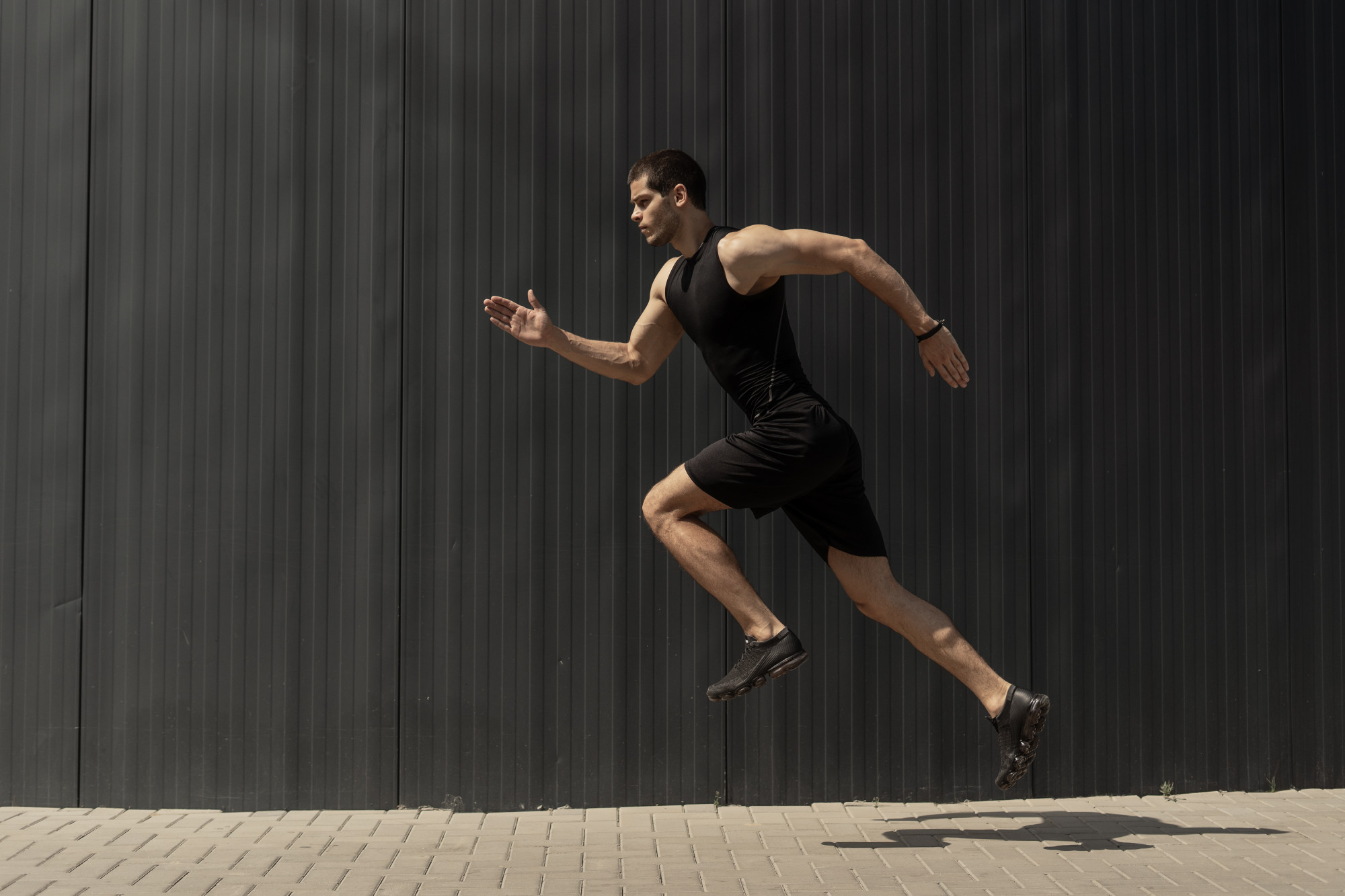
Return to sport after Tenex is a common concern if you are considering Tenex, or have already booked it, one question usually comes up straight away: how soon can I get back to work and sport? The short answer is that most people return to light daily activity within days, many are back at work within a few days to a few weeks depending on their job, and a full return to sport usually follows at around 6 to 12 weeks. The exact timing depends on which tendon was treated, how severe the problem was, the demands of your sport and how well your rehabilitation goes.
Those figures are typical ranges from published studies and hospital guidance, not promises. Tenex removes damaged tendon tissue, and the tendon still needs time to settle and rebuild strength afterwards. Returning too quickly is the most common way to slow your own recovery.
In this guide we explain what shapes your timeline, what a typical return to work and sport looks like, how to tell when you are ready, and when to ask for advice, so you can plan your time off and your training with confidence.
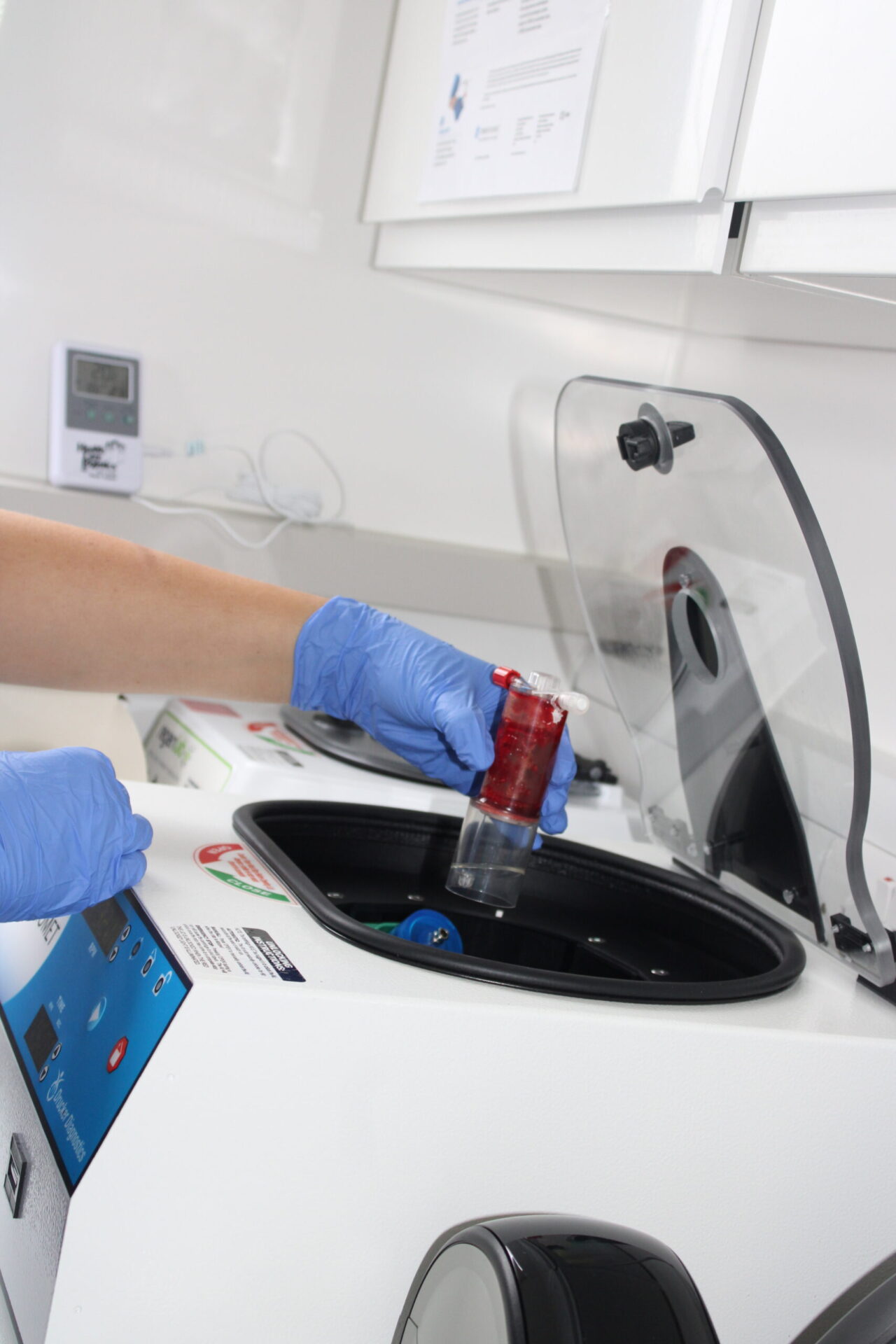
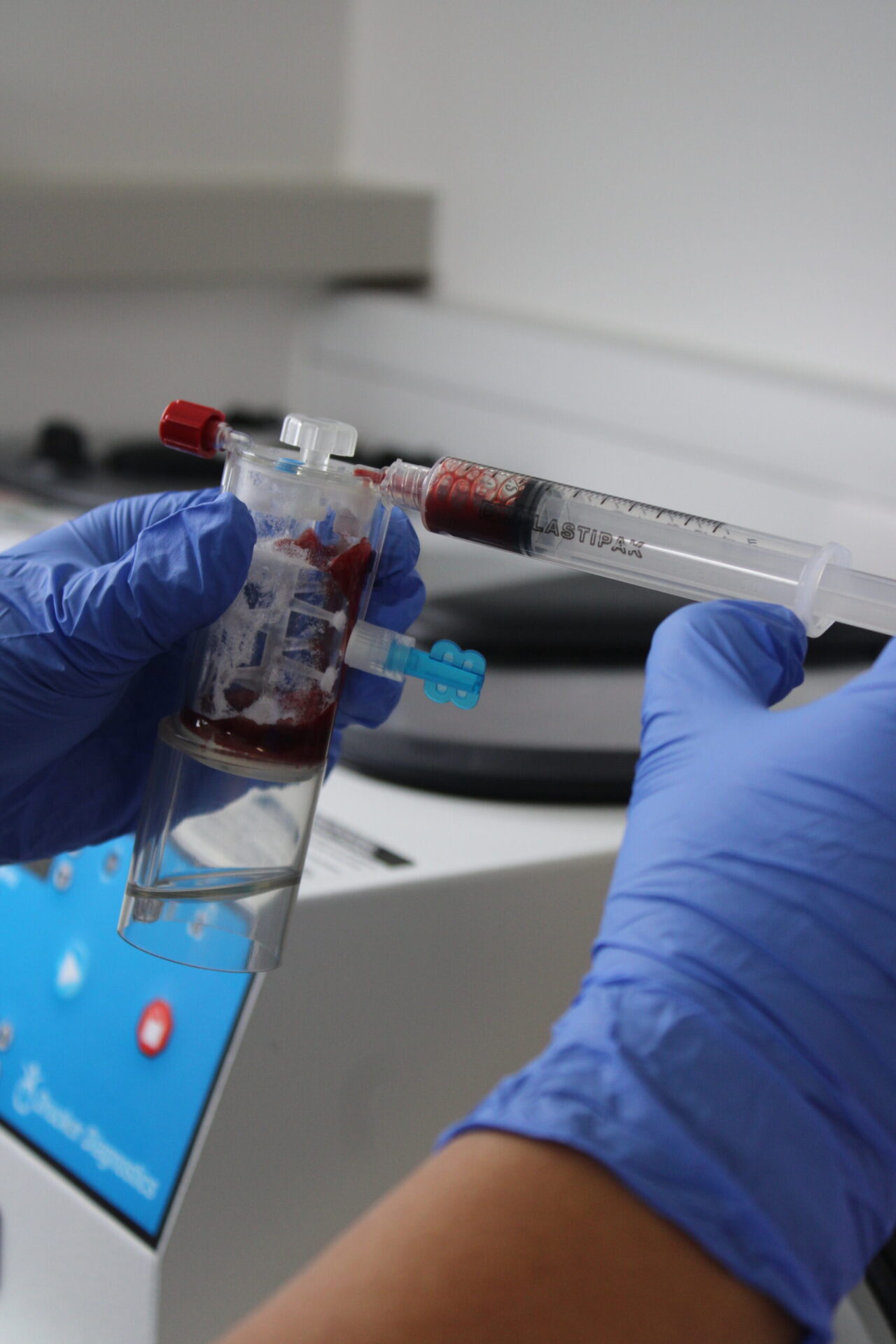
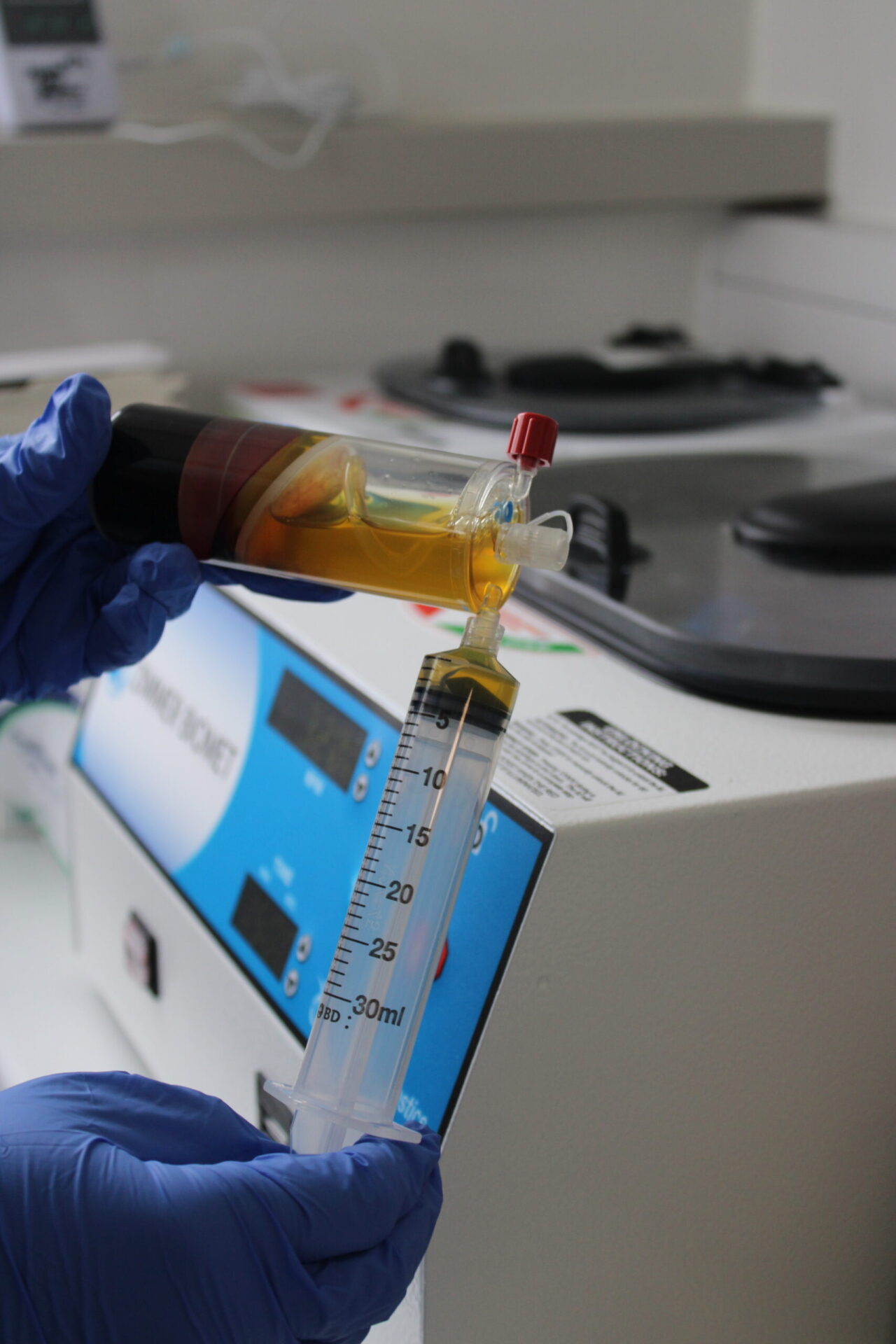
Tenex is a minimally invasive procedure for chronic tendon pain. Using ultrasound to see the tendon in real time, the doctor passes a very fine ultrasonic probe through a tiny incision to break down and remove damaged, scarred tendon tissue while leaving the healthy tissue in place. It is done under local anaesthetic, usually takes around 20 to 30 minutes, needs no stitches and lets you go home the same day. At RRMG it is one of several non-surgical treatments used for problems such as tennis elbow, golfer’s elbow, plantar fasciitis, Achilles tendinopathy, patellar tendonitis and rotator cuff tendinopathy that have not settled with other treatment.
Because only the diseased part of the tendon is removed, recovery is generally quicker than after open surgery. Even so, the treated area is a healing tendon, not a finished repair. Pain often eases first, while strength and tolerance for load take longer to return. That is why recovery is staged: early gentle movement, then gradual strengthening, then a step-by-step return to full activity. Each stage protects the tendon while it adapts.
Most people go home on the day of the procedure with a small dressing and return to light activity within a few days. When you can return to work depends mainly on what your job asks of the treated area.
One study of ultrasonic tenotomy for tennis elbow and golfer’s elbow followed 42 patients and recorded when they returned to full-duty work. About a quarter were back by 8 days, half by 27 days and three quarters by 70 days. That wide spread is normal, and it shows how much the job and the individual matter.
If your work is mainly desk-based, many people return within a few days, sometimes the next day or two, especially when the treated area is the foot, heel or knee. For elbow or shoulder treatment, typing and mouse use can aggravate the area, so a gradual return with regular breaks is wise. A simple ergonomic setup, such as a supported forearm and a neutral wrist position, helps while the tendon settles.
Jobs that involve lifting, gripping, repetitive reaching, long periods on your feet or climbing take longer. Hospital guidance for ultrasonic tenotomy suggests keeping lifting light for the first few weeks, then building up. Many people in physical jobs need several weeks before they manage full duties, and some are offered a phased return or lighter tasks first. If your work is heavy, discuss this with your doctor before the procedure so you can plan time off.
When you can drive depends on the area treated and how comfortable it is. After elbow or shoulder treatment, driving is often possible within days once you can steer and change gear without pain. After foot or ankle treatment, especially on the right side, you may need longer. Always follow your doctor’s advice, and do not drive until you can control the car safely, including braking sharply.
Returning to sport is a gradual process, not a single date. Published hospital guidance describes three broad phases. The weeks given below are typical, and your own plan may be shorter or longer.
The first two weeks are about letting the treated area settle. You keep to light daily activity, avoid heavy loading and follow your doctor’s instructions on movement. For the foot or ankle, some centres advise a boot or crutches for a short time. Many clinics also ask you to avoid anti-inflammatory tablets such as ibuprofen and naproxen for about two weeks, because the aim is to let the early healing response happen. Always check what applies to you, and do not stop a prescribed medicine without advice. A check-up around the two-week point is common.
Once the area is comfortable, gentle rehabilitation begins. This usually means mobility work and light strengthening, with loads kept low at first. One hospital protocol keeps lifting to about 5 pounds, or roughly 2 kilograms, in the first week and about 10 pounds, or roughly 4.5 kilograms, in the second, then lets you progress as tolerated. Rehabilitation and physiotherapy play a central role here, because they teach the tendon to cope with load again.
From around six weeks, resistance work becomes heavier and daily activities are resumed more fully. Sport-specific drills are added step by step, for example gripping and swinging for racket sports, or jogging, hopping and cutting movements for runners. Many sources describe a return to normal activity, including sport, at roughly 10 to 12 weeks, with some people ready earlier and others later. One US university sports medicine service, for example, says a return to sport usually happens about 10 to 12 weeks after the procedure, while other centres quote 6 to 8 weeks for return to usual activities.
Two people can have the same procedure and return to sport weeks apart. These are the main reasons.
Different tendons carry different loads. Elbow tendons are not weight-bearing, so many people return to everyday use fairly quickly, although gripping and racket sports take longer. The Achilles tendon and the plantar fascia take body weight with every step, so running and jumping usually need a longer, more cautious build-up. Published guidance for foot and ankle treatment is generally a little more conservative than for the elbow, and shoulder treatment often takes longer for overhead sport.
A tendon that has been painful for years usually has more damaged tissue and has been weaker for longer than one that has been sore for a few months. People with long-standing or more severe tendinopathy often need more time and a more gradual strengthening plan. Your scan findings and your history help us predict this.
A golfer returning to a gentle round has very different demands from a sprinter, a tennis player or someone training for a marathon. Sports that involve repeated impact, jumping, sudden changes of direction, heavy gripping or overhead movement put the most stress on a healing tendon and are the last to be reintroduced. Your goals shape the final stages of the plan.
Rehabilitation is not an optional extra. Tendons respond to progressive, controlled loading, so skipping the strengthening stage or rushing it is one of the most common reasons for a setback. Working with a physiotherapist who understands tendon loading helps you progress at the right pace, which is why an individual rehabilitation plan is part of our care for tendon injuries.
Older tendons and tendons in people with conditions such as diabetes, or who smoke, may heal more slowly. Some medicines also affect tendons. None of these prevents a good result, but they can add time, which is why we ask about your general health and medicines before treatment.
This table brings together the typical timings quoted in published studies and hospital guidance. It is a guide to what is common, not a schedule for your recovery.
| Stage | Typical timing | What it usually involves |
| Light daily activity | Within days | Walking and gentle everyday tasks, with a small dressing |
| Anti-inflammatory tablets avoided | About 2 weeks | Many clinics advise avoiding ibuprofen and naproxen |
| Return to work (elbow study) | About 25% by 8 days, 50% by about 4 weeks, 75% by 10 weeks | Varies with how physical the job is |
| Early strengthening | From about 2 weeks | Gentle rehabilitation with light loads |
| Progressive loading | About 6 to 12 weeks | Heavier resistance work, sport-specific drills |
| Return to normal activities | About 6 to 12 weeks | Depends on the tendon treated and the plan |
| Return to full sport | Commonly about 10 to 12 weeks | Only once strength and pain-free load are restored |
A calendar date is only a rough guide. What matters more is how the tendon behaves. Your doctor or physiotherapist will usually want to see most of the following before you return to full sport:
A useful rule of thumb is that mild stiffness or a dull ache that settles within a day is acceptable, but sharp pain, swelling or pain that is worse the next morning means you should scale back. When you are ready, return in stages. Start with a lower volume and intensity than before, and build over several weeks instead of going straight back to your previous routine.
Feeling better does not always mean the tendon is ready. Pain often settles before strength and load tolerance have fully returned, which makes it tempting to go back too soon. Returning too early can:
The procedure itself carries a low risk of complications. Reviews of ultrasonic and percutaneous tenotomy report few problems, and the most common effects are short-lived soreness, bruising and swelling around the entry point. Infection and nerve irritation are uncommon but possible, so keep the dressing clean and dry as advised and contact your clinic if something does not look right.
It is also worth knowing that Tenex does not suit everyone, and not every tendon problem responds equally well. For some tendon problems, PRP injections or ultrasound-guided steroid injections may be more appropriate, and your doctor will explain which option fits you. Results vary, and a few people need further treatment. Following the staged plan is the best way to give yourself a good chance of a lasting result.

Contact your clinic if your recovery is not going as expected. That includes pain that is getting worse instead of better after the first couple of weeks, pain that returns every time you increase your activity, or progress that seems to have stalled. A review lets your doctor check the tendon, adjust the rehabilitation plan and, if needed, look again with ultrasound. If any of this sounds like your situation, we can talk it through with you.
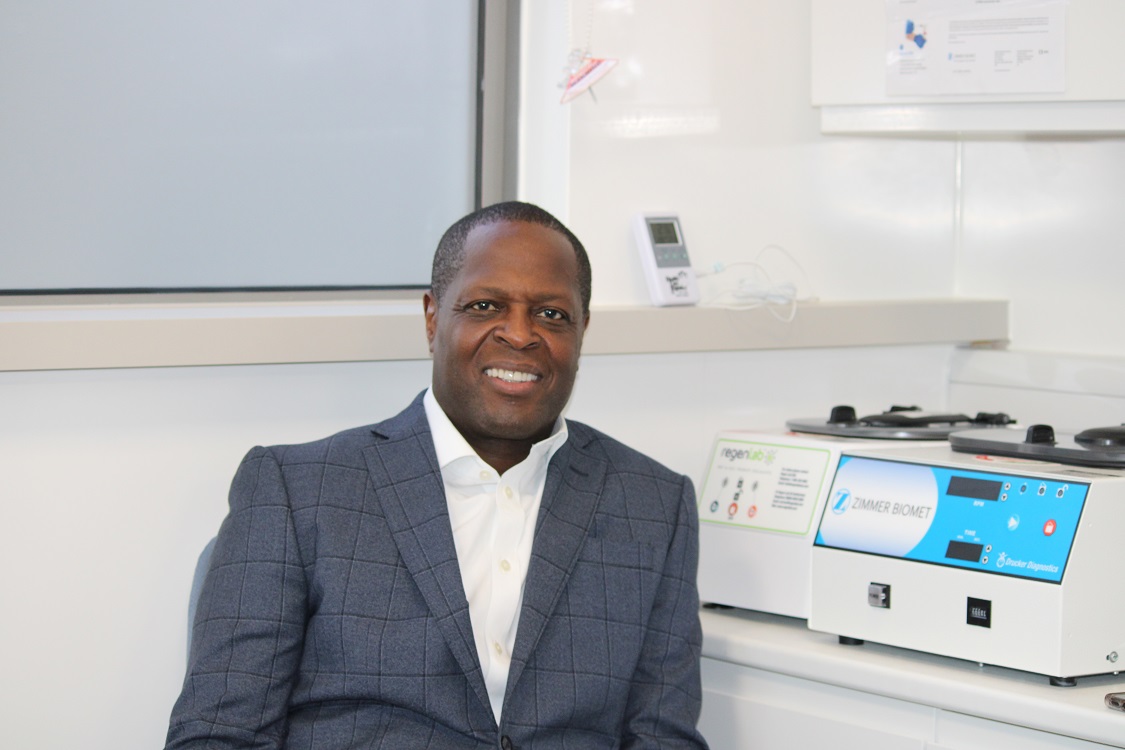
We are a private regenerative orthopaedics and sports medicine clinic on Blythe Road, London, and we personally run every case, drawing on founder Dr Ralph Rogers’s years of image-guided musculoskeletal work. We also work with a wide range of insurance partners as well as self-funding patients.
Your return to work and sport after Tenex depends on your tendon, your job, your sport and your rehabilitation plan. A clear timeline is easiest to set once your tendon has been assessed, and planning it before treatment means fewer surprises afterwards.
At RRMG, we review your history and imaging with you, explain whether Tenex is likely to help, and map out a recovery plan around your work and sporting goals, with clear guidance on aftercare and rehabilitation.
| Service | Price |
| Initial consultation | From £300 |
| Follow-up consultation | From £215 |
| Image-guided injection (one side) | From £600 |
These are starting prices only. Our procedure fees are published so you can plan with clear information.
If chronic tendon pain is holding you back, book a consultation with us today.
Get in touch
Most people resume light activity within days. A desk job is often possible within days to a couple of weeks, while physical work may need several weeks. Your doctor will advise you based on your job and the area treated, and a phased return can help if your work is demanding.
A full return to sport is commonly around 6 to 12 weeks, in stages and guided by rehabilitation. The tendon treated, the severity of the problem and your sport all affect the timing, so your own plan may be shorter or longer. Your doctor or physiotherapist will tell you when each stage is safe to start.
Gentle movement is usually encouraged early, but heavier exercise is delayed. Light strengthening typically begins around two weeks, and loading is built up over the following weeks. Follow the plan you are given, and tell your doctor if exercise increases your pain the next day, so the plan can be adjusted.
Many clinics ask patients to avoid anti-inflammatory tablets for about two weeks, to let the early healing response take place. Check with your doctor, and do not stop a prescribed medicine without advice. Your doctor can also tell you which pain relief is suitable during this early period.
Many patients notice relief within about 4 to 8 weeks, and improvement can continue over the following months as strength returns. The timing varies with the tendon treated, how long the problem has been present and how closely you follow your rehabilitation plan, so your own experience may be quicker or slower.
A structured rehabilitation plan is a key part of recovery, and physiotherapy helps restore strength and mobility safely. The exact plan depends on the tendon treated, your job and your sport. Your physiotherapist will start with gentle movement and build up the load step by step, so the tendon adapts without being overloaded.
Running is usually reintroduced in stages after the early rehabilitation phase, once the area is comfortable and strength is restored. Your physiotherapist will tell you when to start and how to build up. Starting with short, easy sessions and increasing gradually helps protect the healing tendon from overload.
Dr Rogers has had a rich and illustrious career so far, which is continuing to grow and develop. Everything Ralph has been involved in since qualifying has added value to his knowledge and experience, but there have been some impressive highlights to note:
2018 – Present Founder Medical Director: Rogers Regenerative Medical Group (RRMG)
2012 – 2024 Medical Advisor – National Basketball Association
2008 – 2018 Medical Director: The London Sports Injury Clinic London
2010-2011 First Team Doctor, Chelsea Football Club
2007- 2010 The Football Association (Team Physician for England under 19 and development squads)
2005-2006 Medical Advisor: Trinidad & Tobago World Cup Football Team
2002 – 2008 Club Doctor: Walsall Football Club, West Midlands England
1998 – 2009 Medical Director: Medical & Orthopaedic Sports Therapy,
2000 – 2005 Sports Physician: Warwickshire County Cricket Club, Birmingham