Ankle sprains are common and can quickly disrupt daily life and activity. Knowing how recovery works makes a real difference in how fast and well you heal. This article outlines non‑surgical treatments available in Knightsbridge that aim to speed recovery and reduce pain. With the right approach many people regain mobility and confidence sooner than they expect. Below we explain what an ankle sprain is, why non‑surgical options like PRP and stem cell therapy can help, and how Rogers Regenerative Medical Group delivers tailored care for better outcomes.
An ankle sprain happens when the ligaments that stabilise the joint are stretched or torn, usually by a twist or awkward landing. That can cause pain, swelling and a feeling that the ankle is unstable. A correct diagnosis — typically a focused physical exam plus imaging such as X‑ray or MRI when needed — guides the right treatment plan.
Most sprains occur during sports, on uneven ground, or when footwear doesn’t provide enough support. Symptoms tend to appear immediately and include sharp pain, swelling, bruising and trouble putting weight on the foot. Spotting these signs early helps you get the right care and avoid longer‑term problems.
Clinics grade sprains by severity: Grade I (mild), Grade II (moderate) and Grade III (severe). Local specialists combine hands‑on assessment with imaging when necessary to determine the grade. That grading steers treatment choices so we can focus on the most effective recovery path for each patient.
Non‑surgical care prioritises the body’s natural healing while reducing downtime and risk. For many patients it delivers excellent recovery without the added risks and recovery time that come with surgery.
Non‑surgical options often mean shorter recovery, lower cost and less chance of infection or surgical complications. They also let patients begin active rehabilitation sooner, which supports better strength and function as healing progresses. In many cases, conservative treatments enable a safe, effective return to everyday activities and sport.
Regenerative medicine supports the body’s repair systems. Treatments like PRP (Platelet‑Rich Plasma) and stem cell therapies concentrate growth factors and reparative cells at the injury site to reduce inflammation and promote tissue repair. These approaches can accelerate healing and may improve the long‑term health of the ligament and joint.
PRP uses a patient’s own blood to deliver a concentrated dose of platelets and growth factors to the injured tissue. That can jump‑start and support the body’s healing response, particularly for ligament and soft‑tissue injuries.
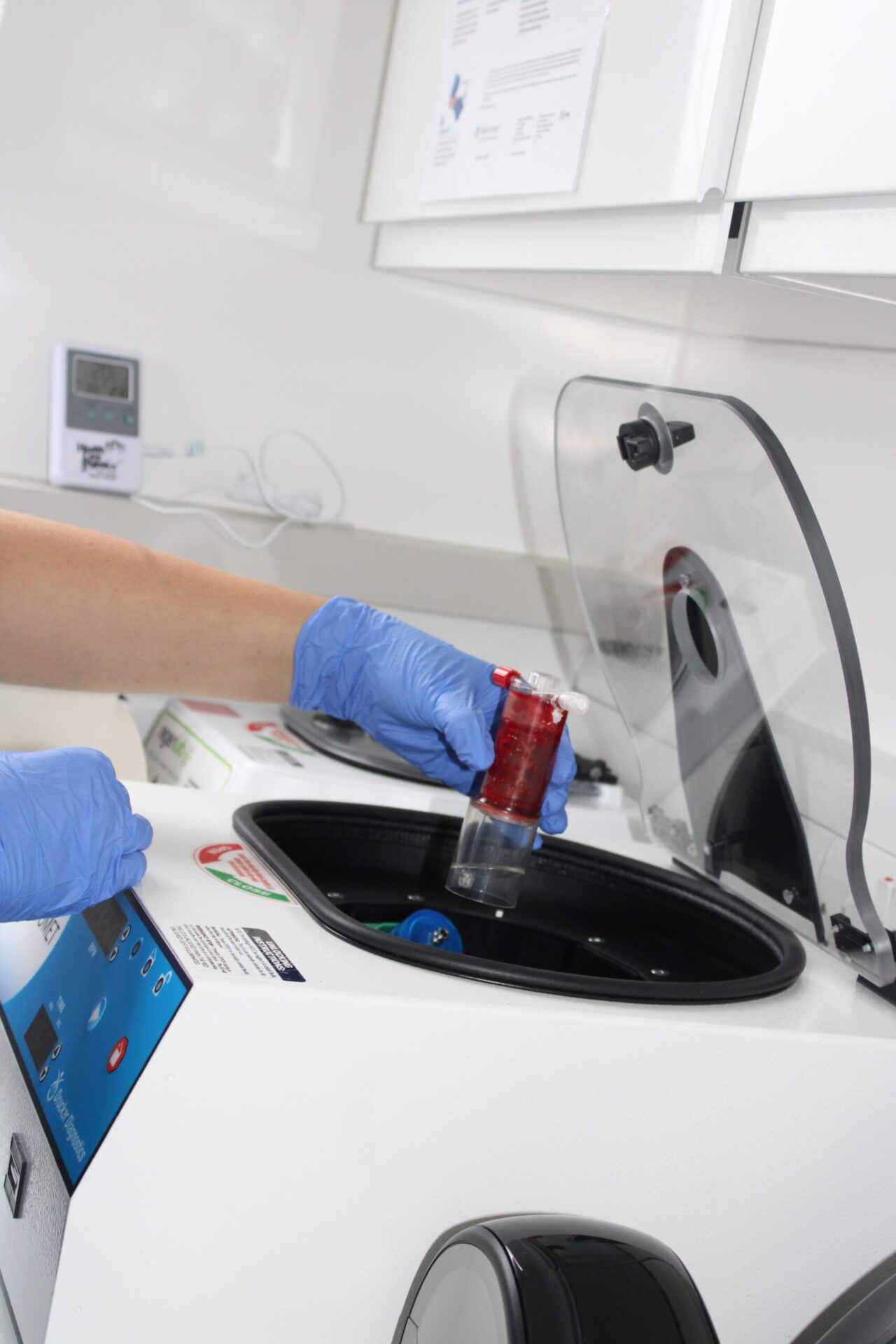
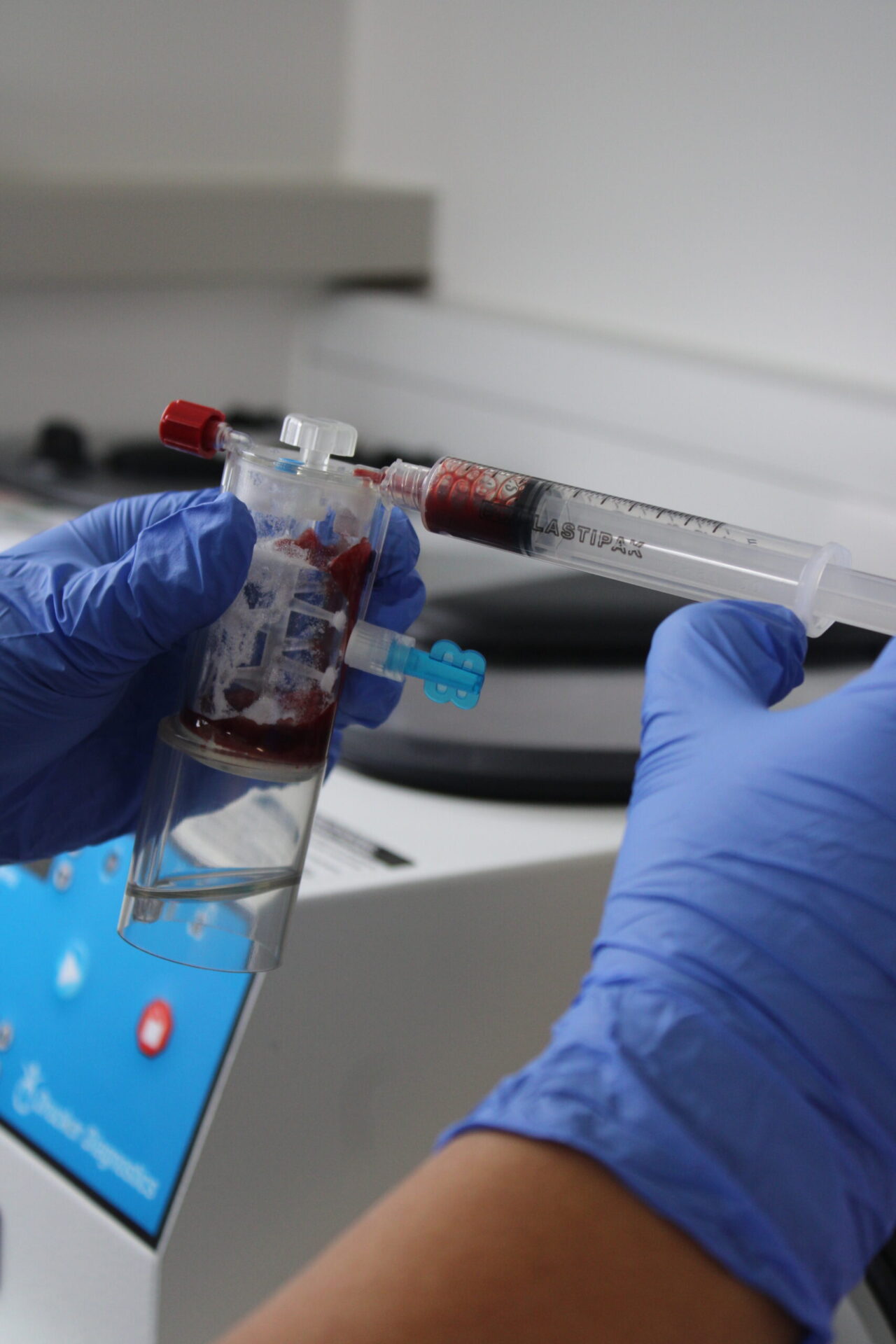
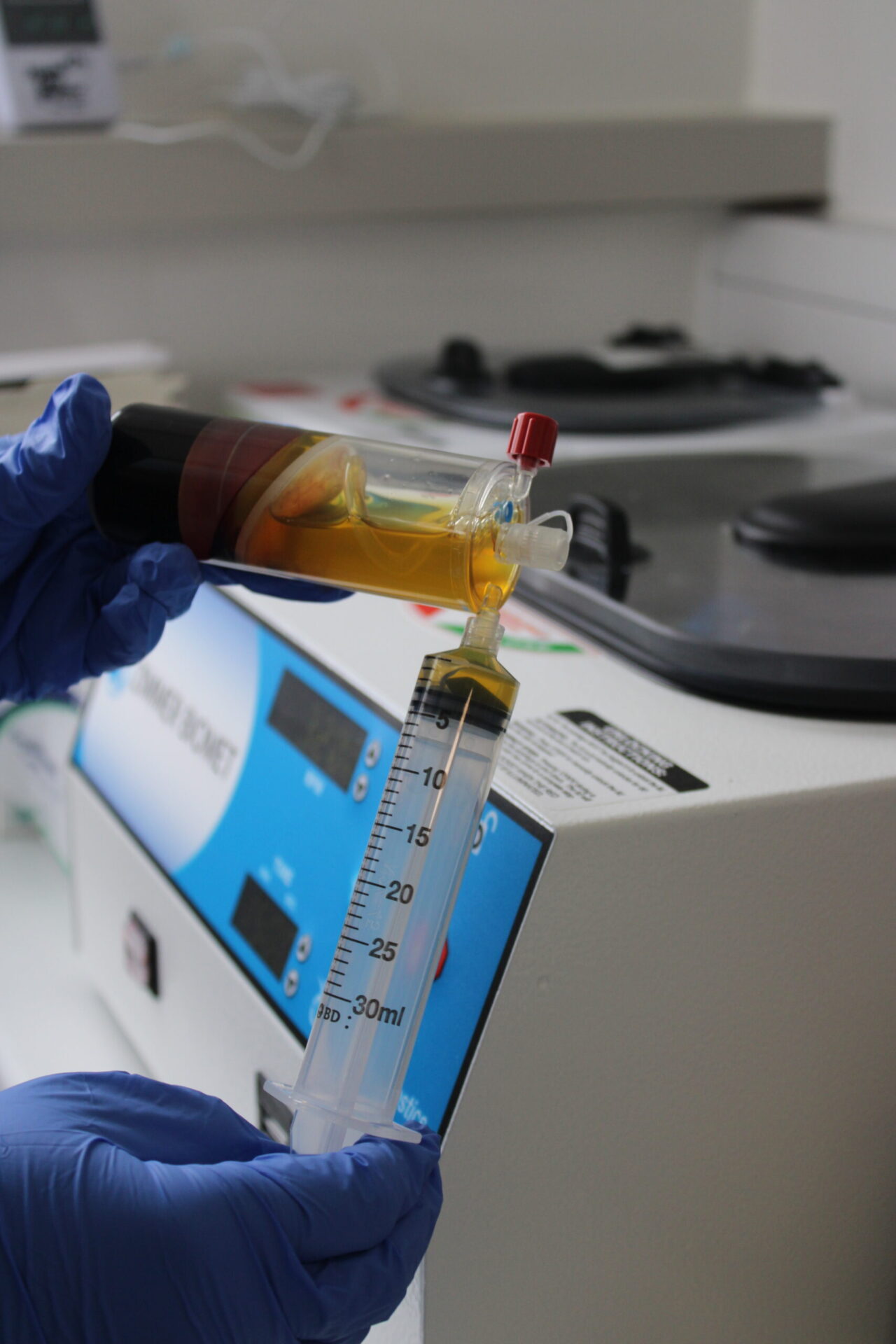
PRP involves a small blood draw, centrifuging the sample to concentrate platelets, then injecting that concentrate into the injured area. The growth factors released by platelets encourage tissue repair and can reduce pain, helping many patients progress through rehab more quickly.
PRP can be a good option for people with moderate to severe ligament strains who want to avoid surgery. Many athletes and active patients choose PRP because it may reduce pain and improve mobility within weeks, allowing a steadier, rehabilitation‑focused recovery.
Stem cell therapy is another non‑surgical option that aims to support tissue regeneration. By delivering reparative cells to the injured ligament, the goal is to enhance structural repair and improve joint function.
Stem cells are injected into the injured area where they can support repair by reducing inflammation and encouraging the formation of more resilient tissue. This can help restore stability and improve long‑term function when combined with a structured rehabilitation program.
Candidates often include people with chronic ankle instability or those who haven’t improved with standard therapies. A thorough assessment by a specialist determines whether stem cell therapy is appropriate and aligns the treatment with each patient’s goals and medical history.
Rehabilitation is essential after any non‑surgical intervention. A progressive rehab plan rebuilds strength, restores range of motion and retrains balance — all of which reduce the risk of re‑injury and support a full return to activity.
Typical rehab starts with controlled range‑of‑motion work, then advances to strength, proprioception and functional activities as pain permits. Physical therapy, guided exercises and gradual weight‑bearing are tailored to your stage of recovery so you regain function safely and efficiently.
Preventing ongoing instability means consistent strengthening, balance training and sensible footwear. Gradual return to sport, proper warm‑ups and avoiding risky movements until the ankle is ready are also important to reduce recurrence.
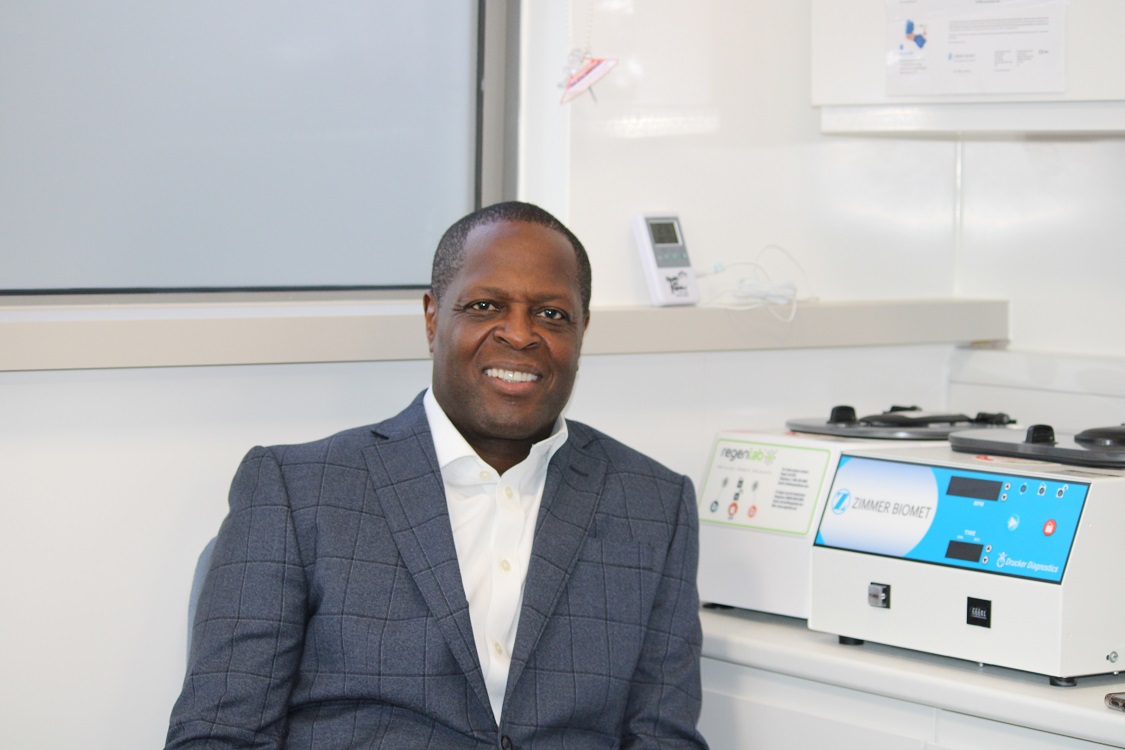
Rogers Regenerative Medical Group combines regenerative techniques with personalised care plans. Under the leadership of Dr. Ralph Rogers, the clinic focuses on non‑surgical orthopaedic solutions and sports medicine, delivering treatments designed around each patient’s needs and goals.
With more than 25 years treating musculoskeletal injuries — including work with elite athletes — Dr. Rogers brings deep clinical experience to each case. That expertise helps create precise treatment plans that balance innovation with proven rehab principles.
Many patients report meaningful reductions in pain and substantial gains in mobility after RRMG care, often avoiding surgery and returning to their routines sooner. These outcomes reflect the clinic’s focus on practical, evidence‑informed treatments and attentive follow‑up.
Recovery from an ankle sprain is often faster and more complete with the right non‑surgical care. Advanced options like PRP and stem cell therapy, combined with a structured rehab plan, can improve healing and restore function. Rogers Regenerative Medical Group offers personalised programs in Knightsbridge to help you move confidently again — contact us to learn which option best fits your recovery goals.
Dr Rogers has had a rich and illustrious career so far, which is continuing to grow and develop. Everything Ralph has been involved in since qualifying has added value to his knowledge and experience, but there have been some impressive highlights to note:
2018 – Present Founder Medical Director: Rogers Regenerative Medical Group (RRMG)
2012 – 2024 Medical Advisor – National Basketball Association
2008 – 2018 Medical Director: The London Sports Injury Clinic London
2010-2011 First Team Doctor, Chelsea Football Club
2007- 2010 The Football Association (Team Physician for England under 19 and development squads)
2005-2006 Medical Advisor: Trinidad & Tobago World Cup Football Team
2002 – 2008 Club Doctor: Walsall Football Club, West Midlands England
1998 – 2009 Medical Director: Medical & Orthopaedic Sports Therapy,
2000 – 2005 Sports Physician: Warwickshire County Cricket Club, Birmingham