Tendon injuries can reduce mobility and disrupt everyday life. This overview explains the non‑surgical treatment options available in Fitzrovia, emphasising proven and emerging therapies that support healing without an operation. You’ll find clear descriptions of common tendon and ligament problems, how advanced treatments such as Platelet‑Rich Plasma (PRP) and stem‑cell approaches work, and the practical benefits of specialist care. Many patients wonder whether surgery is necessary — this guide outlines realistic expectations, likely outcomes, and what to expect from the treatment pathway at Rogers Regenerative Medical Group (RRMG).
Tendon and ligament injuries are common in active people and athletes, usually caused by overuse or sudden strain. Non‑surgical therapies are increasingly effective for these conditions. Typical problems we manage include Achilles tendinopathy, rotator cuff tendinopathy or partial tears, and tennis elbow (lateral epicondylitis). Many of these respond well to targeted, non‑invasive care.
A range of tendon problems can recover without surgery. For example, Achilles tendinopathy frequently improves with load management, physiotherapy and regenerative injections. Rotator cuff tendinopathy and some partial tears often settle with conservative protocols that combine guided rehabilitation and targeted therapies. Non‑surgical approaches aim to stimulate the body’s repair processes while reducing risk and downtime compared with surgery.
Ligament sprains and partial tears heal through natural tissue repair, which can be supported by non‑surgical treatments. Techniques that increase local blood flow and deliver biological stimulants — for example, PRP — encourage regeneration and reduce inflammation. These treatments can shorten recovery, control pain and help patients return to activity sooner when combined with an appropriate rehabilitation plan.
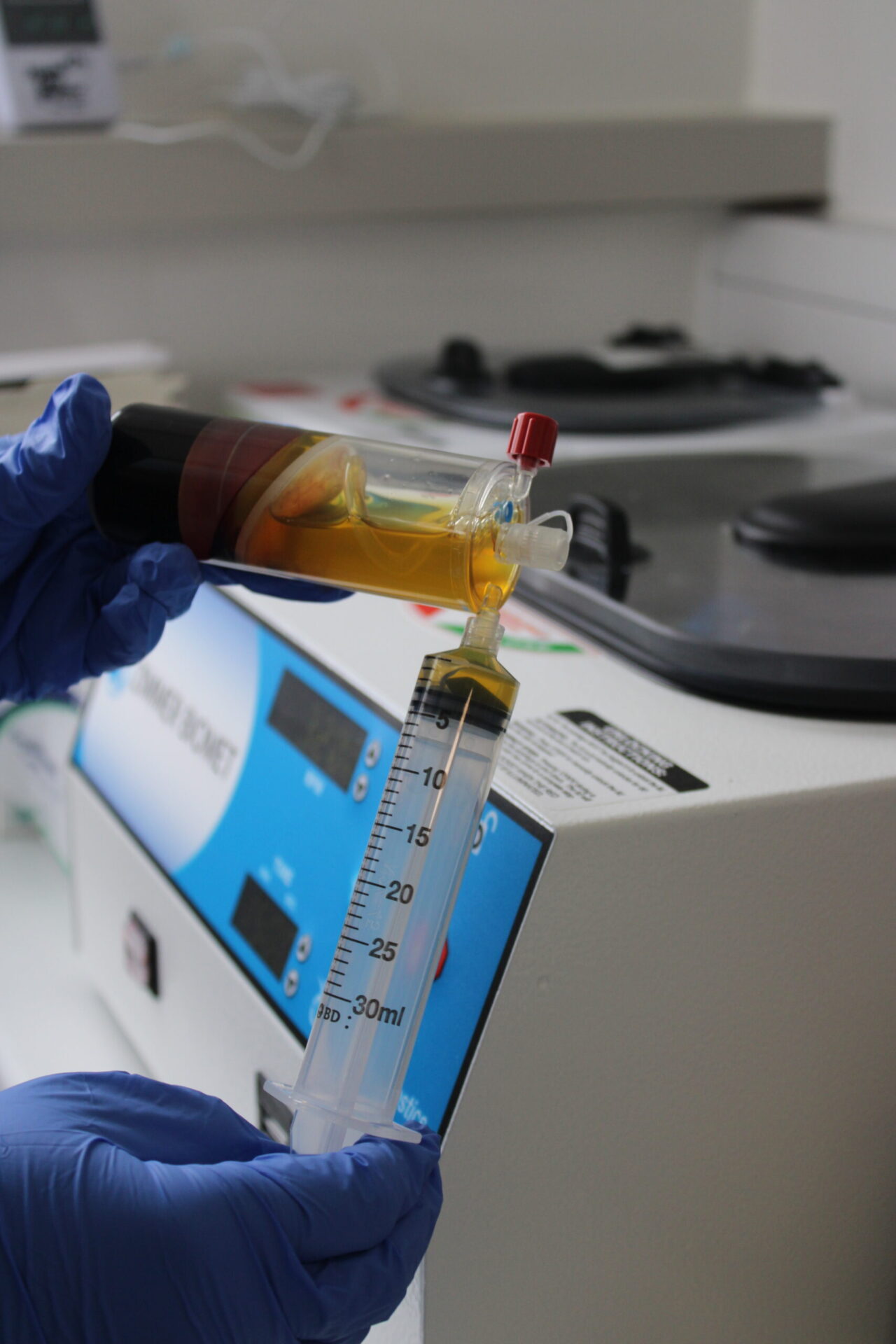
Platelet‑Rich Plasma (PRP) is a regenerative option that uses the patient’s own blood to concentrate growth factors and cytokines at the injury site. Delivered precisely to the damaged tissue, PRP can support the tendon’s natural repair mechanisms and reduce persistent symptoms.
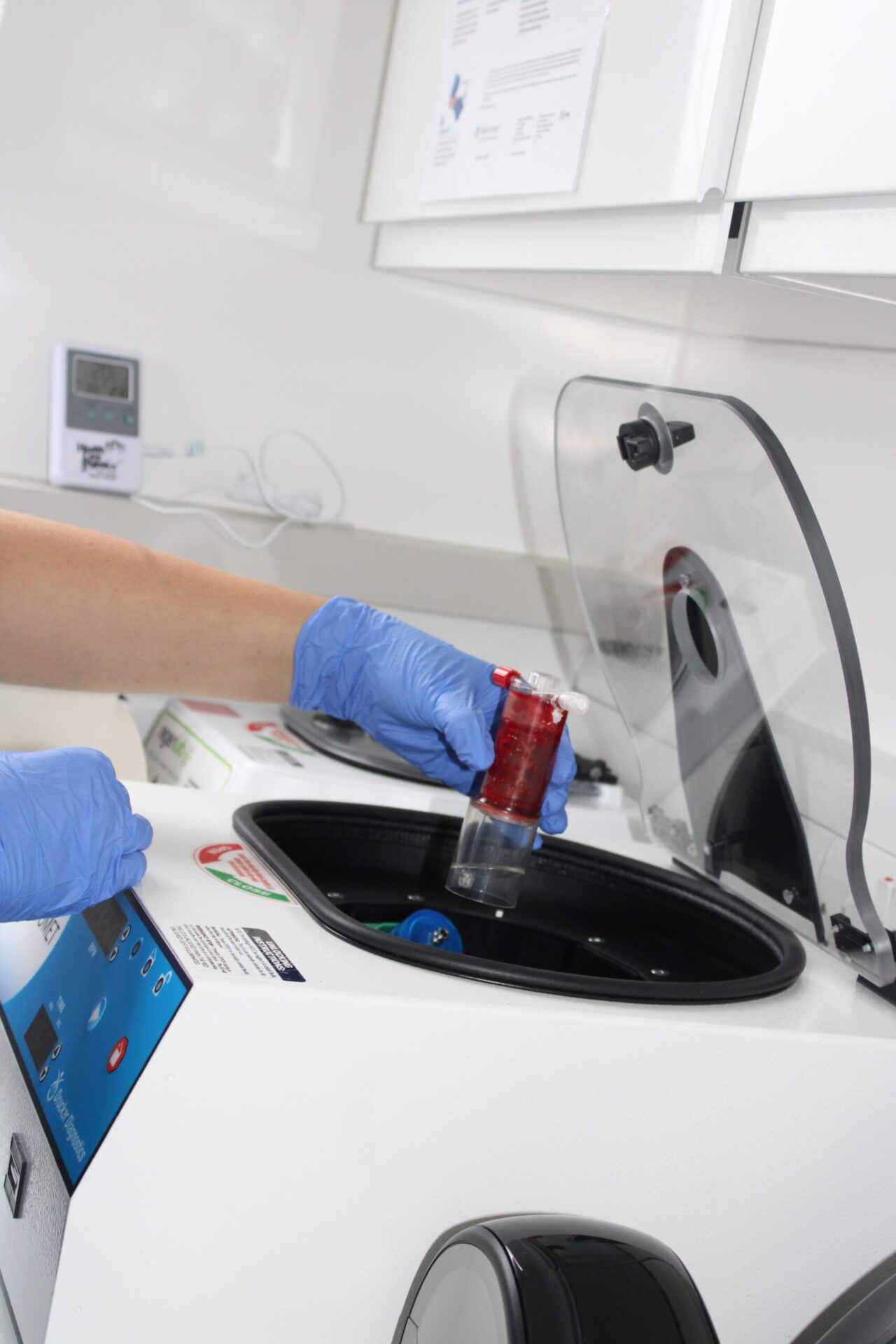
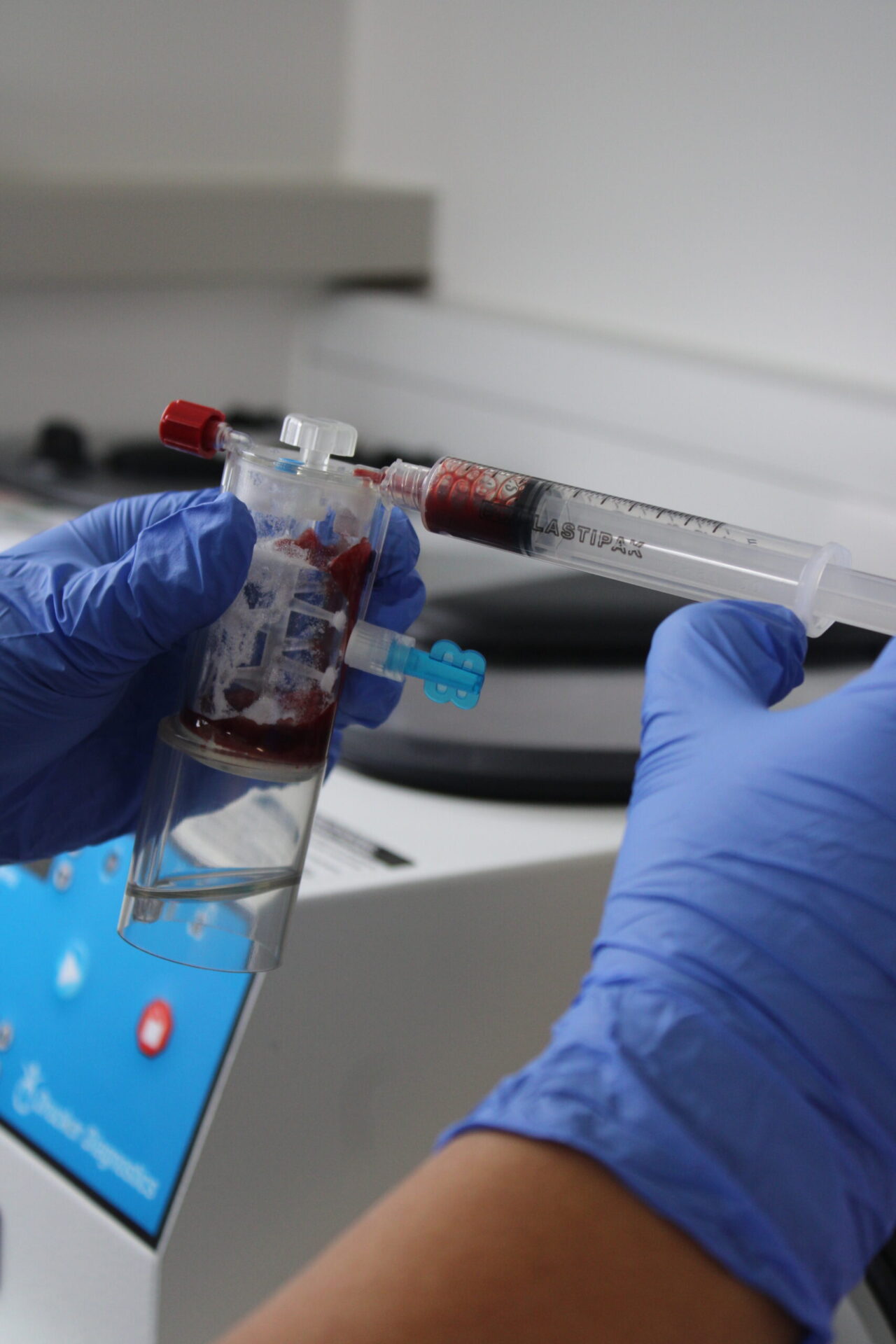
PRP treatment starts with a small blood draw, which is processed to concentrate platelets. The resulting injection is placed into the affected tendon or ligament, usually under ultrasound guidance to ensure accuracy. The procedure is generally well tolerated, done as an outpatient treatment, and is followed by a tailored rehabilitation plan to maximise results.
Evidence for PRP varies by condition, but many patients report reductions in pain and stepwise improvements in function over weeks to months. In some studies PRP outperforms standard care for chronic tendinopathy; in others results are equivalent. Outcomes depend on the specific tendon, the preparation used and the rehabilitation that follows. For suitable patients, PRP is a valuable option that can restore activity with a lower procedural burden than surgery.
Stem cell‑based treatments offer a regenerative approach for chronic tendon injuries that have not responded to conventional measures. These therapies aim to enhance tissue repair and modulate inflammation, though higher‑quality long‑term evidence is still developing.
Lipogems uses the patient’s own adipose (fat) tissue, processed to produce micro‑fragmented fat that contains regenerative cells and supportive tissue. This material is injected into the injured tendon to encourage repair and reduce inflammation. Many patients report meaningful symptom relief, but clinicians continue to evaluate long‑term outcomes and indications for best practice.
Stem‑cell and fat‑derived therapies are being used for chronic tendinopathy, certain rotator cuff tears and recalcitrant Achilles problems — cases where degeneration rather than acute rupture is the main issue. These options are most appropriate after careful assessment and when other conservative measures have had limited effect.
Beyond PRP and stem‑cell approaches, there are several minimally invasive techniques that can relieve pain and restore function. These procedures are useful when conservative management needs an extra step before considering surgery.
The Tenex procedure uses a small percutaneous device under ultrasound guidance to remove chronically degenerated tendon tissue. It’s an outpatient intervention designed to reduce pain and speed recovery while preserving healthy tendon. Many patients regain better function with a shorter recovery than traditional surgery.
Ultrasound guidance improves the precision of injections, whether delivering corticosteroids, local anaesthetic, PRP or other biologics. Real‑time imaging ensures the therapy reaches the intended tissue, boosting effectiveness and lowering the risk of unintended outcomes.
Selecting the right clinic matters for recovery. At Rogers Regenerative Medical Group we combine specialist expertise, evidence‑based regenerative options and structured rehabilitation to give patients the best chance of avoiding unnecessary surgery.
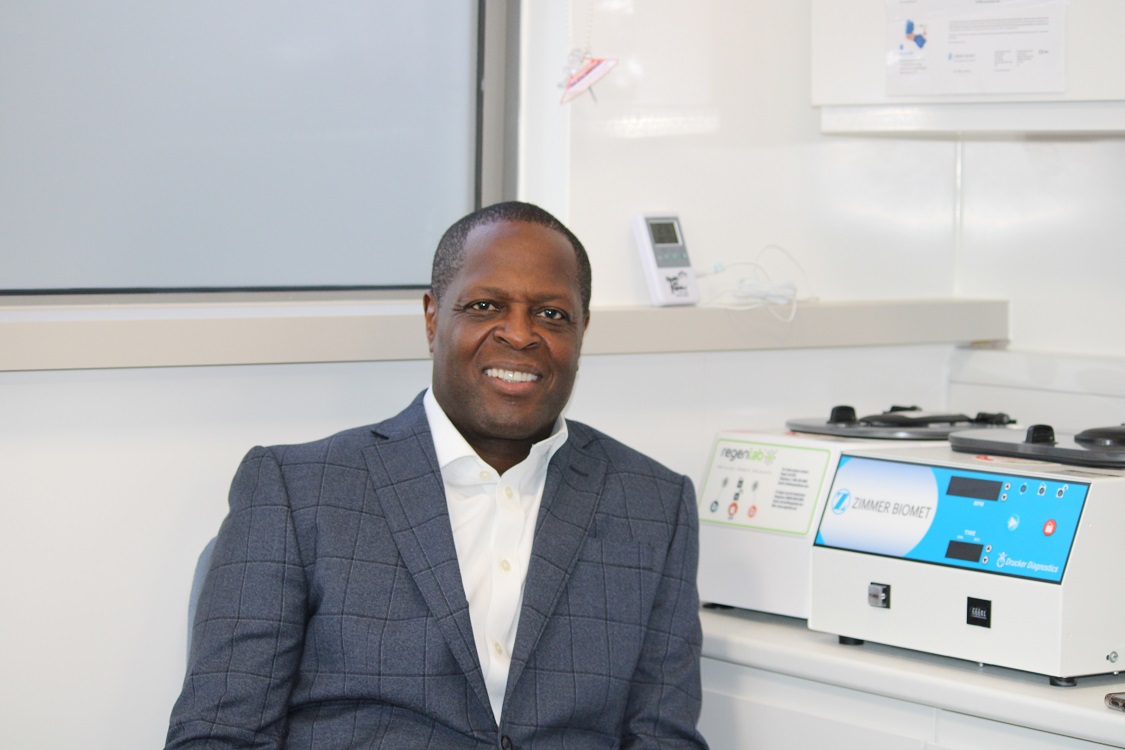
Dr Ralph Rogers is a Consultant in Regenerative Orthopaedics and Sports Medicine with more than 25 years’ experience. His clinical focus is on non‑surgical recovery — developing personalised treatment plans that prioritise safe, effective restoration of function and a timely return to activity.
At RRMG we tailor every step of treatment — from assessment through follow‑up. That means bespoke therapy selection, guided rehabilitation, and clear communication so you understand goals and timelines. The personalised pathway helps patients recover more predictably and confidently.
Knowing the pathway in advance reduces anxiety and improves engagement. Our process is transparent: thorough assessment, image‑guided treatment when indicated, and a structured rehabilitation plan with scheduled reviews.
Consultations begin with a focused clinical history and physical examination. We use diagnostic imaging when needed to define the injury and plan treatment. This comprehensive evaluation ensures the chosen approach matches the nature and severity of the problem.
Recovery is actively managed with progressive rehabilitation exercises, activity modification advice and follow‑up appointments to track progress. We prioritise patient education so you know the milestones to expect and how to protect the healing tissue.
| Treatment Option | Mechanism | Expected Outcome |
|---|---|---|
| PRP Therapy | Delivers concentrated growth factors to stimulate repair | Gradual pain reduction and improved function |
| Stem Cell Therapy | Provides regenerative cells and supportive tissue to encourage healing | Potential for enhanced recovery and symptom relief (evolving evidence) |
| Tenex Procedure | Percutaneous removal of degenerated tendon tissue | Targeted pain relief and restored tendon function |
| Ultrasound-Guided Injections | Accurate delivery of therapies to the injured site | Greater treatment precision and fewer complications |
This table summarises the main non‑surgical options we use at RRMG, noting how they work and what patients can reasonably expect. Each treatment is selected to support healing while minimising procedural risk.
Rogers Regenerative Medical Group provides a range of advanced, non‑surgical treatments for tendon repair, delivered with a personalised plan for each patient. Our focus is on evidence‑based care, clear communication and helping you get back to the activities that matter.
Non‑surgical tendon repair in Fitzrovia offers meaningful benefits: less downtime, fewer surgical risks and a clear path back to activity. Understanding options such as PRP and adipose‑derived therapies helps you make informed choices about care. At Rogers Regenerative Medical Group we combine clinical experience with tailored treatment plans to support your recovery — book a consultation to discuss which approach is right for you.
Dr Rogers has had a rich and illustrious career so far, which is continuing to grow and develop. Everything Ralph has been involved in since qualifying has added value to his knowledge and experience, but there have been some impressive highlights to note:
2018 – Present Founder Medical Director: Rogers Regenerative Medical Group (RRMG)
2012 – 2024 Medical Advisor – National Basketball Association
2008 – 2018 Medical Director: The London Sports Injury Clinic London
2010-2011 First Team Doctor, Chelsea Football Club
2007- 2010 The Football Association (Team Physician for England under 19 and development squads)
2005-2006 Medical Advisor: Trinidad & Tobago World Cup Football Team
2002 – 2008 Club Doctor: Walsall Football Club, West Midlands England
1998 – 2009 Medical Director: Medical & Orthopaedic Sports Therapy,
2000 – 2005 Sports Physician: Warwickshire County Cricket Club, Birmingham