Hip arthritis — most commonly osteoarthritis — is a progressive condition that can cause persistent pain and restrict everyday movement. This guide outlines the regenerative, non‑surgical options available in Mayfair and how they can help reduce pain, restore function and delay or avoid surgery. You’ll find clear explanations of what hip arthritis is, the benefits of regenerative medicine, and practical information on treatments we offer at Rogers Regenerative Medical Group (RRMG), including Platelet‑Rich Plasma (PRP) and stem cell‑based approaches.
Hip arthritis, typically osteoarthritis, occurs when the cartilage that cushions the hip joint breaks down. As cartilage thins, bones can rub together, causing pain, inflammation and reduced range of motion. These changes make walking, climbing stairs and many daily tasks more difficult — and addressing them early helps protect joint health and quality of life.
Hip osteoarthritis develops for a number of reasons, including:
Typical symptoms include ongoing hip pain, morning stiffness, reduced walking distance and occasional swelling or aching after activity. Symptoms often worsen after long periods of inactivity or following exercise.
Diagnosis usually involves a thorough assessment to confirm the cause and severity of symptoms, such as:
Together, these steps let clinicians determine how advanced the arthritis is and recommend the best personalised options.
Regenerative medicine focuses on stimulating the body’s own repair mechanisms to reduce pain and improve joint function — usually without the downtime of surgery. These treatments aim to calm inflammation, support tissue healing and help patients return to the activities they value.
Non‑surgical regenerative options offer several clear advantages:
For many patients these benefits make regenerative medicine an attractive alternative to immediate surgical intervention.
| Aspect | Regenerative Therapies | Traditional Hip Surgery |
|---|---|---|
| Invasiveness | Minimally invasive | Invasive |
| Recovery time | Typically shorter | Longer, involves rehabilitation |
| Risk of complications | Generally lower | Higher |
| Long‑term outcomes | Promising, under active study | Well established over decades |
This side‑by‑side shows how regenerative options can deliver symptom relief with fewer immediate risks, while acknowledging that long‑term evidence is still developing for some therapies.
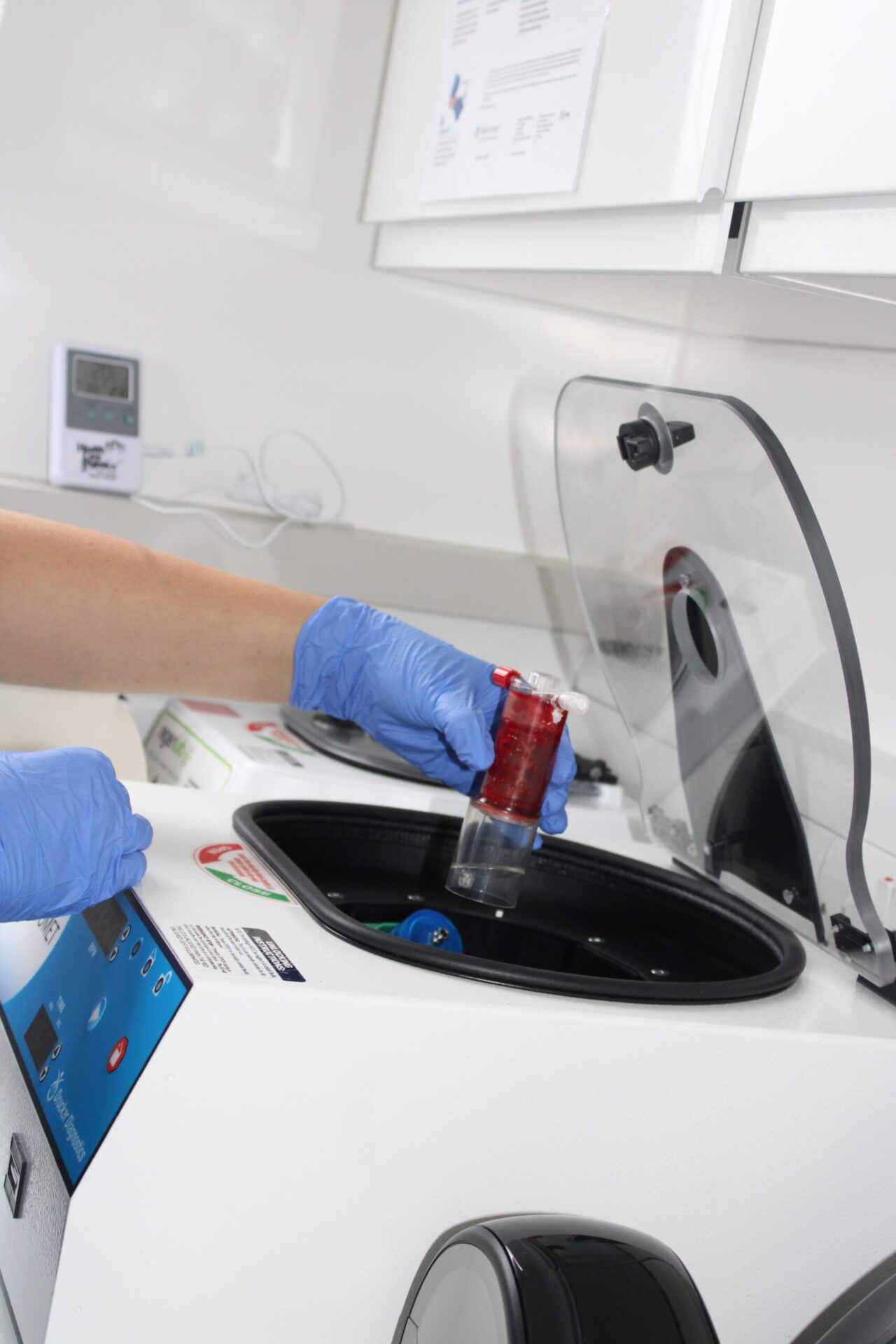
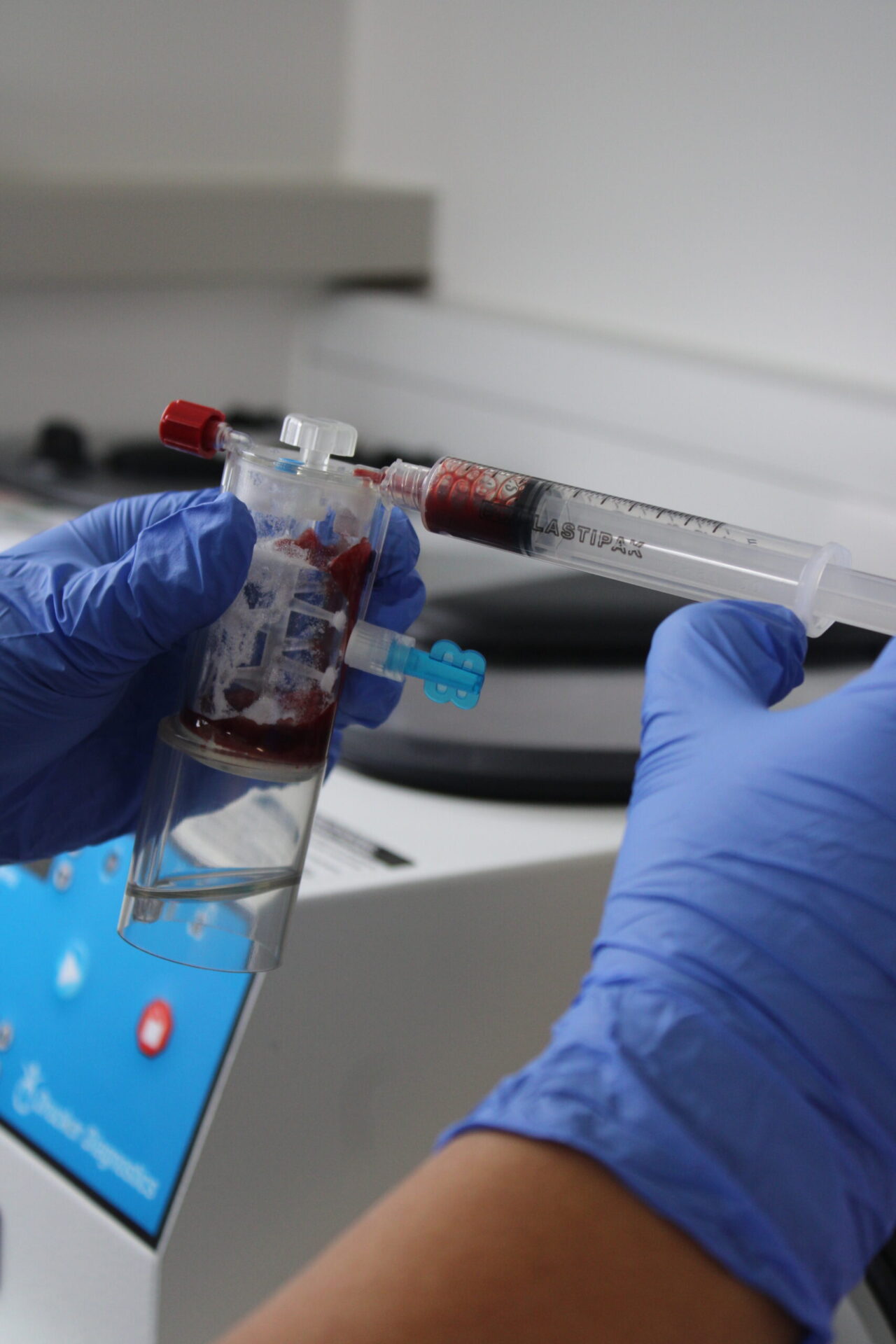
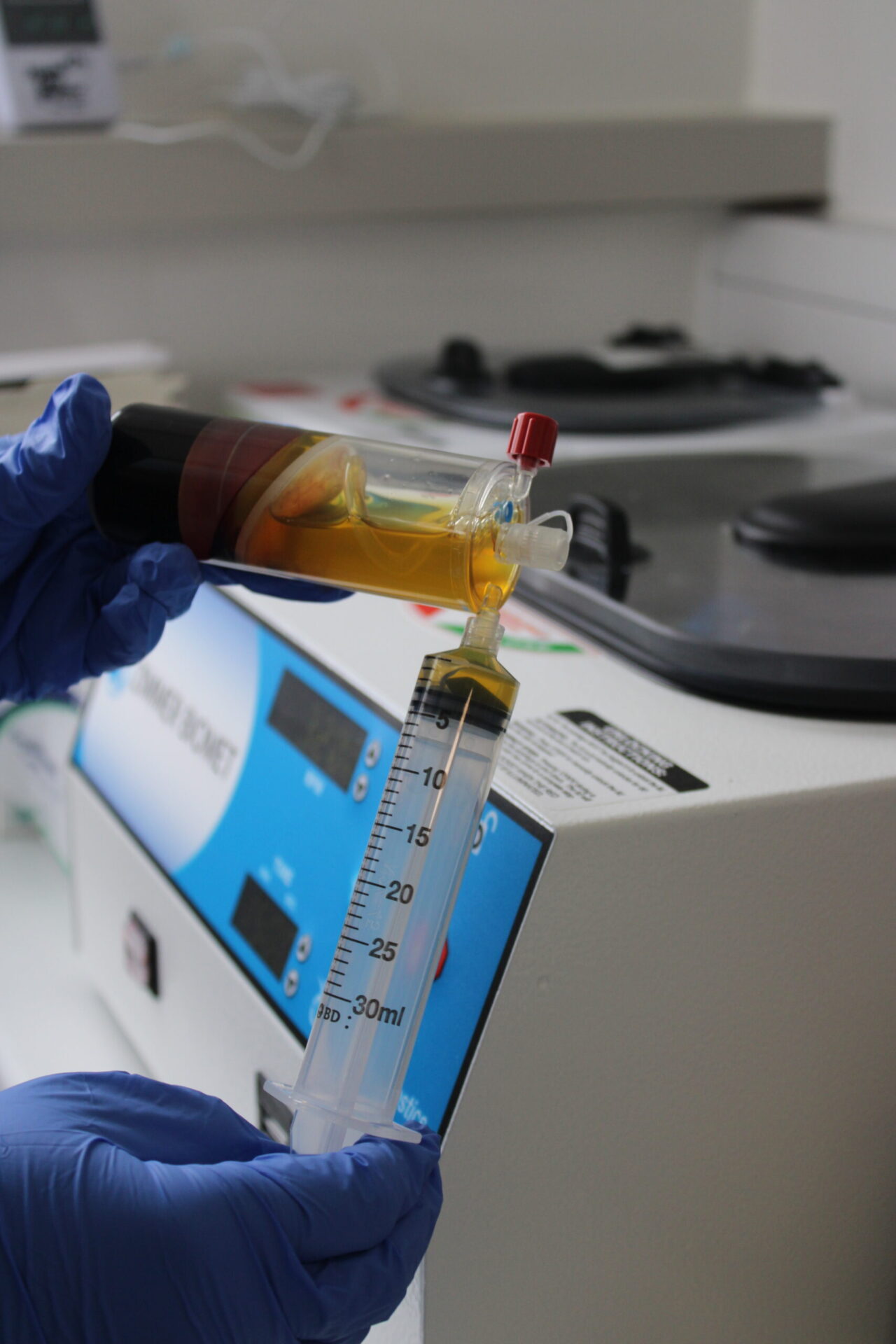
Platelet‑Rich Plasma (PRP) is a treatment that uses a concentration of the patient’s own platelets to encourage healing and reduce inflammation in the joint. It’s performed as an outpatient procedure with imaging guidance to ensure accurate placement.
A typical PRP session follows these steps:
By delivering platelet‑rich fluid directly to the joint, PRP aims to reduce inflammation and support the body’s natural repair processes.
PRP is typically recommended for patients with mild to moderate hip arthritis who prefer to avoid surgery. Common candidates include:
An individual consultation is essential to confirm suitability and set realistic expectations.
Stem cell therapies offer another regenerative route, using cells and growth factors derived from the patient to support tissue repair and reduce inflammation. These treatments aim to improve pain and mobility by encouraging the joint environment to heal.
Lipogems is a processed‑fat approach that captures regenerative cells and supportive tissue components. The procedure generally involves:
The goal is to provide a rich, natural mixture of cells and factors that support repair and reduce joint inflammation.
Patients may experience several beneficial effects after stem cell treatment, such as:
These outcomes highlight the promise of stem cell approaches while recognising the evolving evidence base.
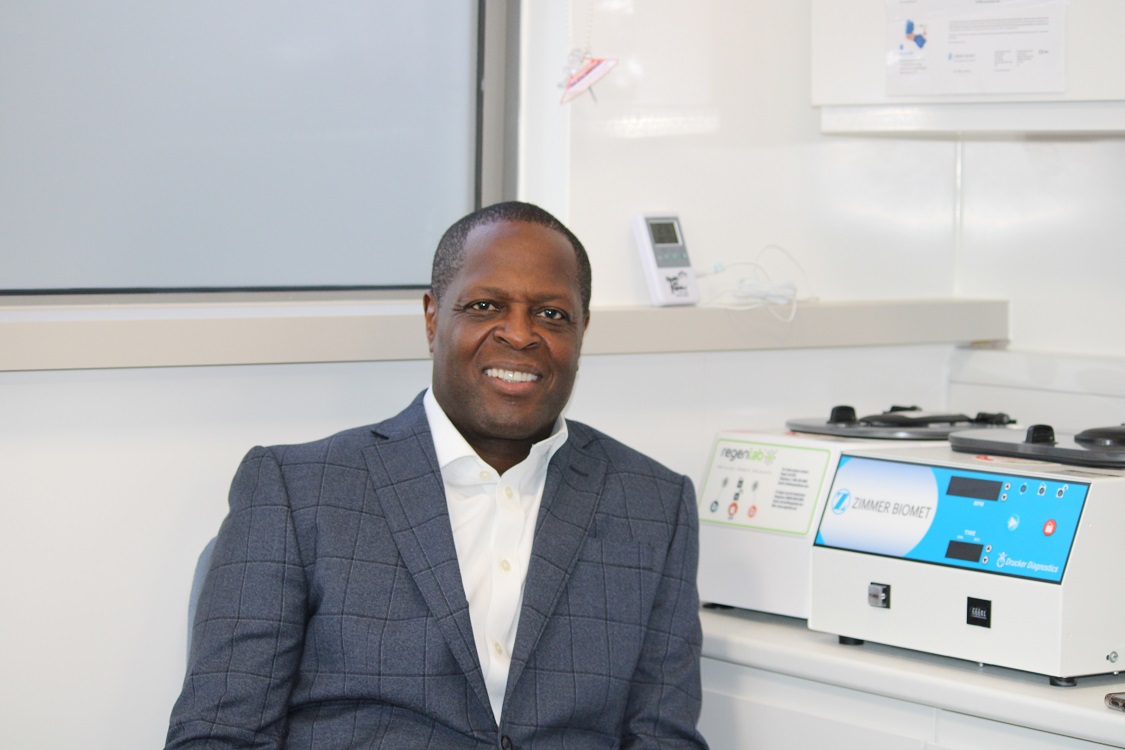
Dr Ralph Rogers leads Rogers Regenerative Medical Group (RRMG) with a focus on regenerative orthopaedics and sports medicine. His clinical experience, practical approach and commitment to personalised care make him a trusted specialist for patients seeking non‑surgical hip treatments.
Dr Rogers combines clinical skill with an evidence‑led approach to offer modern regenerative options:
These strengths make Dr Rogers a reliable choice for comprehensive, non‑surgical hip care.
At RRMG we design individualised programmes that match a patient’s condition and objectives. The process typically includes:
This personalised model helps ensure each patient receives appropriate, effective care for their hip arthritis.
We aim to make accessing care straightforward, with clear guidance on appointments, assessments and treatment options.
Consultations at RRMG are typically between £150 and £250, depending on case complexity. PRP treatment sessions commonly start around £500 each. Stem cell–based therapies can vary more widely, often ranging from approximately £1,500 to £3,000 depending on the specific protocol and requirements.
Booking is simple and designed for convenience:
These steps help us start you on an appropriate, personalised treatment pathway quickly and efficiently.
Regenerative treatments in Mayfair provide a compelling, less invasive route to reduce hip pain and improve function. By working with the body’s own healing systems, options such as PRP and Lipogems stem cell treatments can offer meaningful symptom relief and enhanced mobility for many patients. If you’re exploring non‑surgical alternatives, contact Rogers Regenerative Medical Group to discuss a personalised plan that fits your goals and lifestyle.
Dr Rogers has had a rich and illustrious career so far, which is continuing to grow and develop. Everything Ralph has been involved in since qualifying has added value to his knowledge and experience, but there have been some impressive highlights to note:
2018 – Present Founder Medical Director: Rogers Regenerative Medical Group (RRMG)
2012 – 2024 Medical Advisor – National Basketball Association
2008 – 2018 Medical Director: The London Sports Injury Clinic London
2010-2011 First Team Doctor, Chelsea Football Club
2007- 2010 The Football Association (Team Physician for England under 19 and development squads)
2005-2006 Medical Advisor: Trinidad & Tobago World Cup Football Team
2002 – 2008 Club Doctor: Walsall Football Club, West Midlands England
1998 – 2009 Medical Director: Medical & Orthopaedic Sports Therapy,
2000 – 2005 Sports Physician: Warwickshire County Cricket Club, Birmingham