Reading Time: mins
Platelet‑Rich Plasma (PRP) therapy uses your own blood to jump‑start healing in injured joints and soft tissues. Below we explain how PRP works, which conditions it can help, and why many patients in Kensington choose it as a less invasive alternative to surgery. You’ll also find practical information on the treatment process, likely costs, and real patient experiences to help you decide whether PRP is right for you.
PRP is a medical treatment that concentrates platelets and growth factors from a small sample of your blood, then delivers that concentrate to the injured area by injection. The goal is to amplify the body’s natural repair signals so damaged tissue — tendons, ligaments, cartilage — can recover more effectively. Clinicians use PRP most often for musculoskeletal problems where stimulating local healing can improve pain and function.
PRP supplies a higher local dose of growth factors and signalling proteins directly to the injury site. Those molecules encourage cell growth, collagen production and tissue remodelling — processes that support repair. For tendon injuries, for example, PRP can shorten recovery and improve strength during healing. Clinical results vary by condition and individual, but many patients report meaningful functional gains after a course of PRP.
Orthobiologics are biological therapies used to aid musculoskeletal healing — PRP is one of the most widely used types. Others include stem cell treatments and bone graft materials. In regenerative orthopaedics, orthobiologics aim to enhance the body’s own repair mechanisms so some patients can avoid or postpone more invasive surgery. PRP’s appeal is that it uses autologous material (your own blood), which lowers the risk of immune reactions.
PRP has been applied to a range of conditions, especially those linked to joint pain and sports injuries. At RRMG we consider PRP for problems where stimulating local tissue repair may improve symptoms and function.
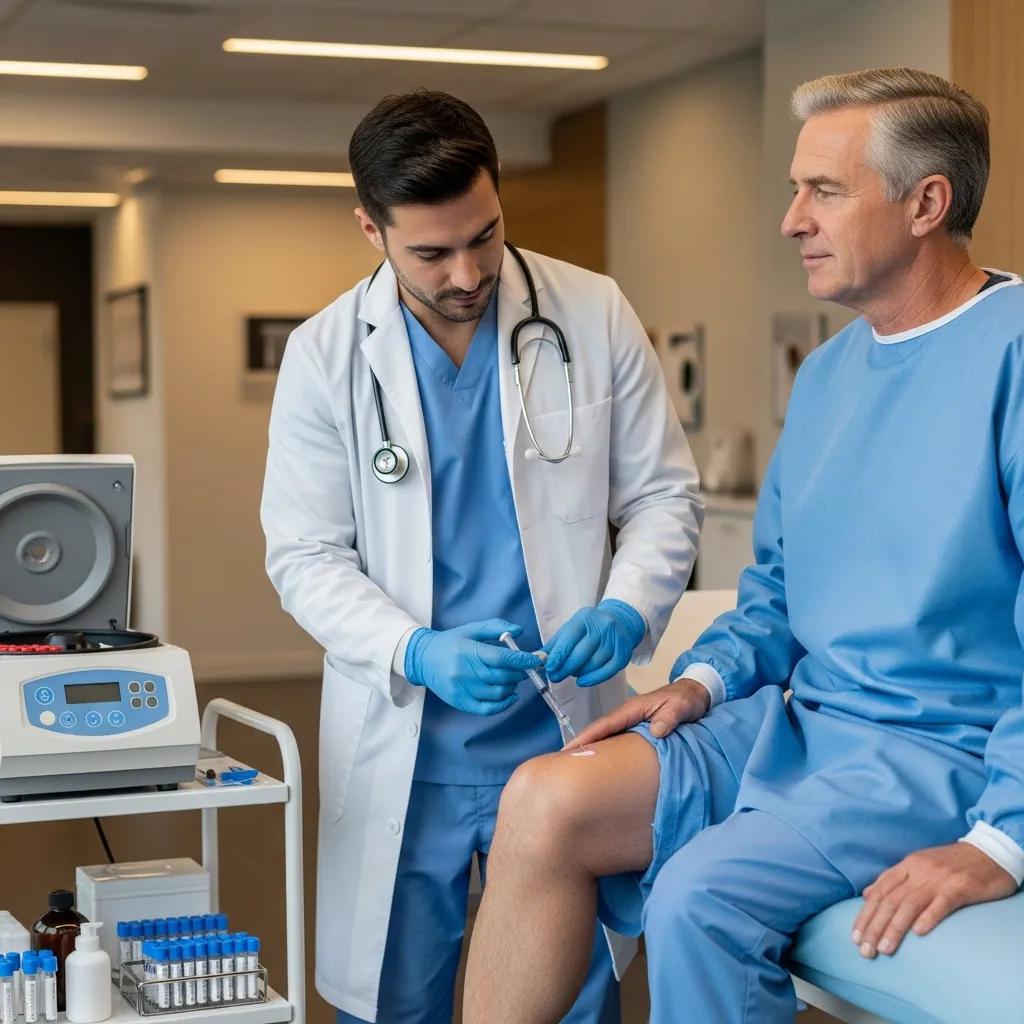
For osteoarthritis and similar joint conditions, PRP can reduce inflammation and encourage tissue support around the joint. The growth factors in PRP may help slow symptomatic deterioration, leading to less pain and better mobility for many patients. Individual outcomes differ, so we assess each case to set realistic expectations before treatment.
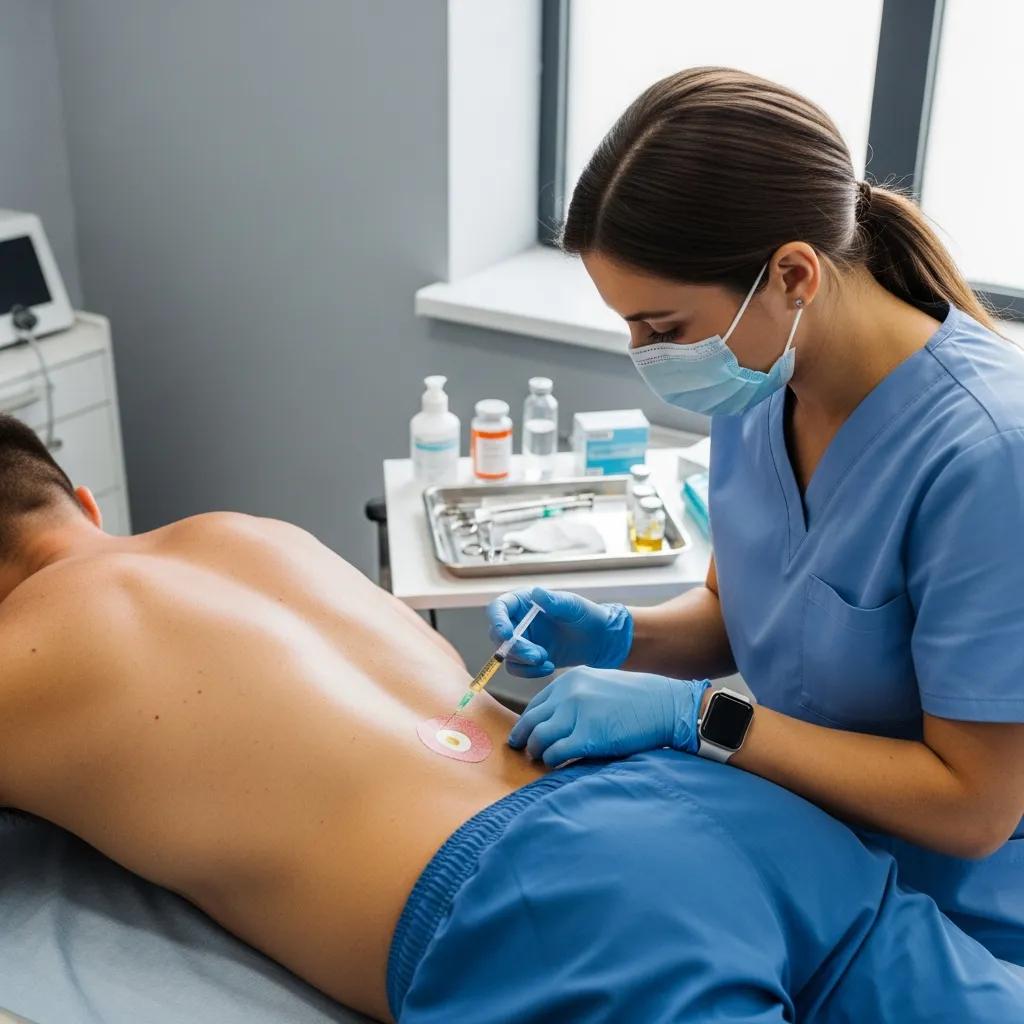
Yes. PRP is commonly used for tendon and ligament injuries that limit athletes and active people. By concentrating healing factors at the site of injury, PRP can accelerate repair and support an earlier, safer return to sport. Evidence is growing for conditions such as Achilles tendinopathy and certain ligament sprains, and we tailor protocols to the specific injury and athlete’s goals.
Many patients opt for PRP because it can deliver meaningful benefits without the disruption of an operation. Typical advantages include:
By delivering concentrated growth factors where they’re needed, PRP can reduce local inflammation and support tissue remodelling — both of which help relieve pain and restore function. Many patients notice pain improvements within weeks, with continued functional gains over months. Clinical studies report faster returns to activity for some conditions, though responses are individual.
PRP is generally safe. The most common side effects are temporary and include mild swelling, soreness or bruising at the injection site. Serious complications are rare, but we always review your medical history and explain risks during the consultation so you can make an informed choice.
Choosing the right clinic matters. At Rogers Regenerative Medical Group we combine specialist expertise with a patient‑centred approach to ensure treatments are evidence‑informed and tailored to your goals.
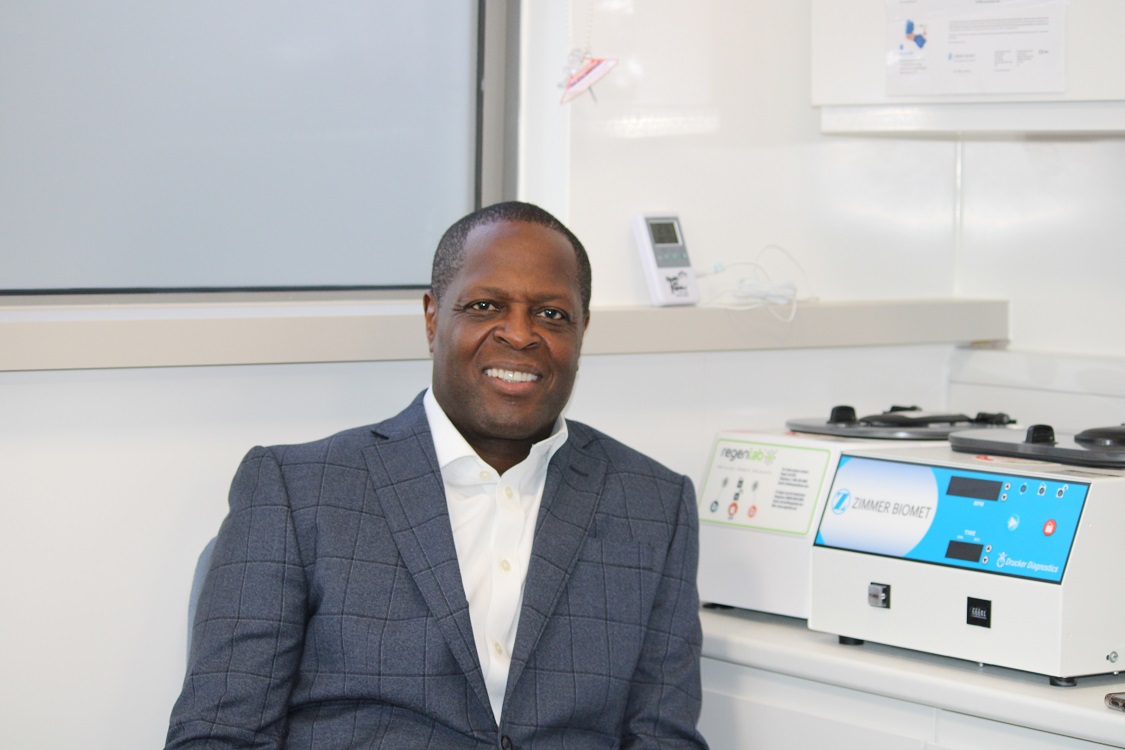
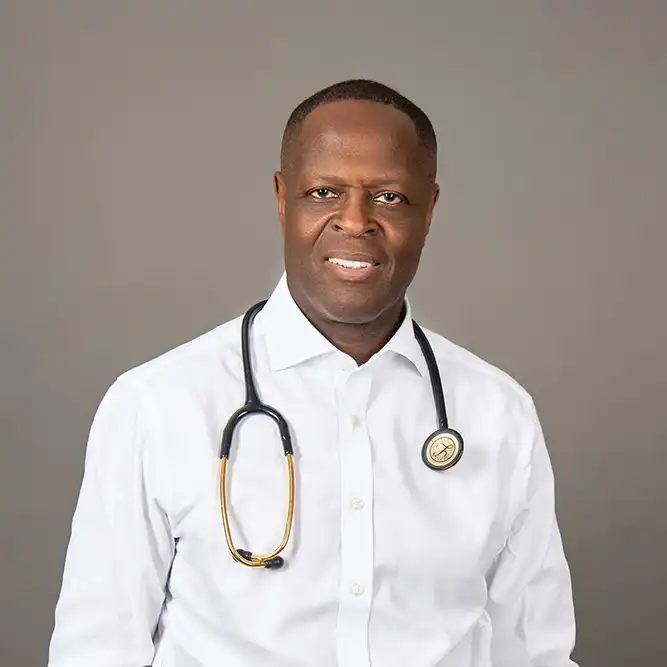
Dr Ralph Rogers is a specialist in regenerative orthopaedics and sports medicine with extensive experience delivering PRP protocols. He assesses each patient personally, designs treatment plans to fit the injury and lifestyle, and tracks progress to optimise outcomes. His clinical approach balances innovation with proven practice.
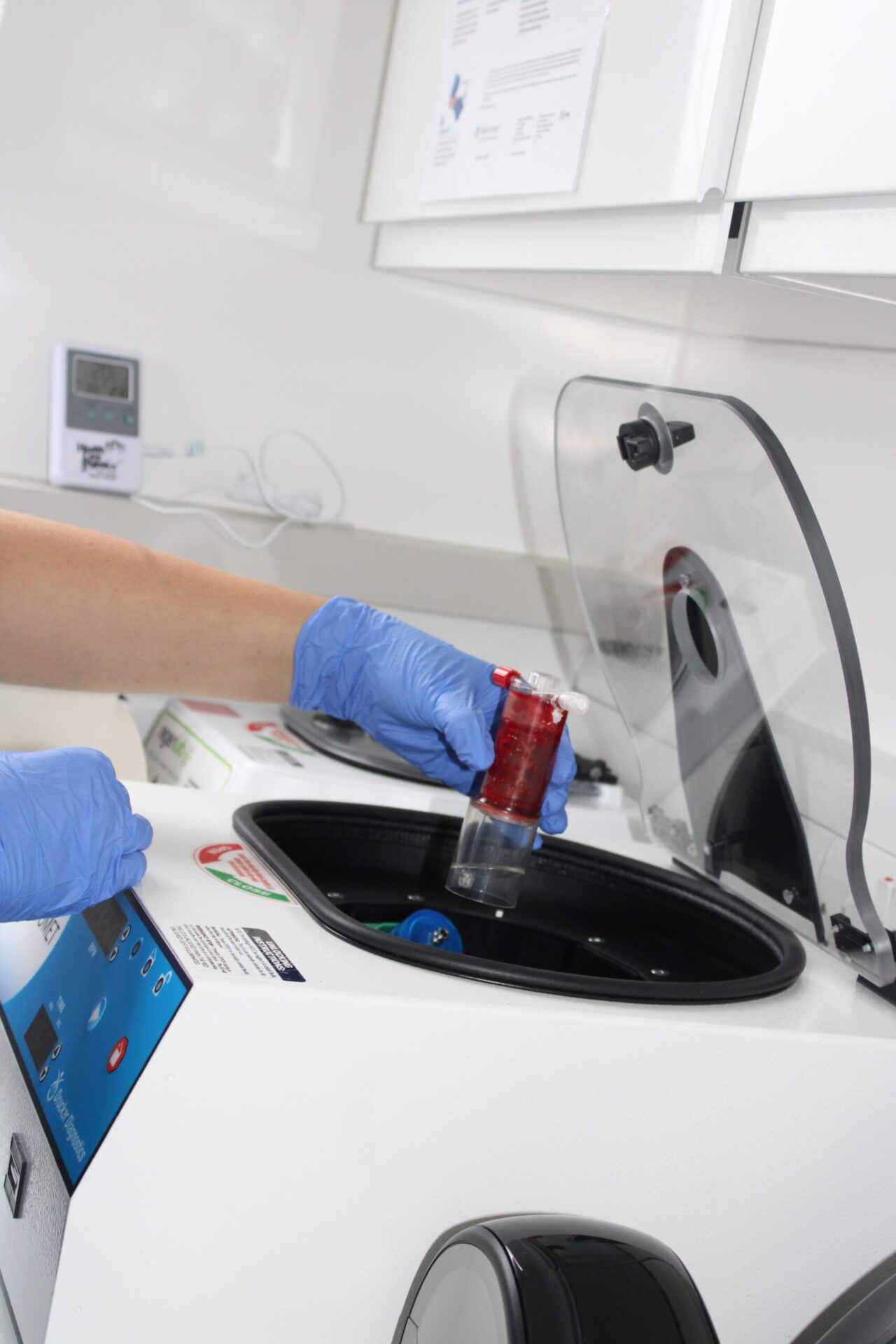
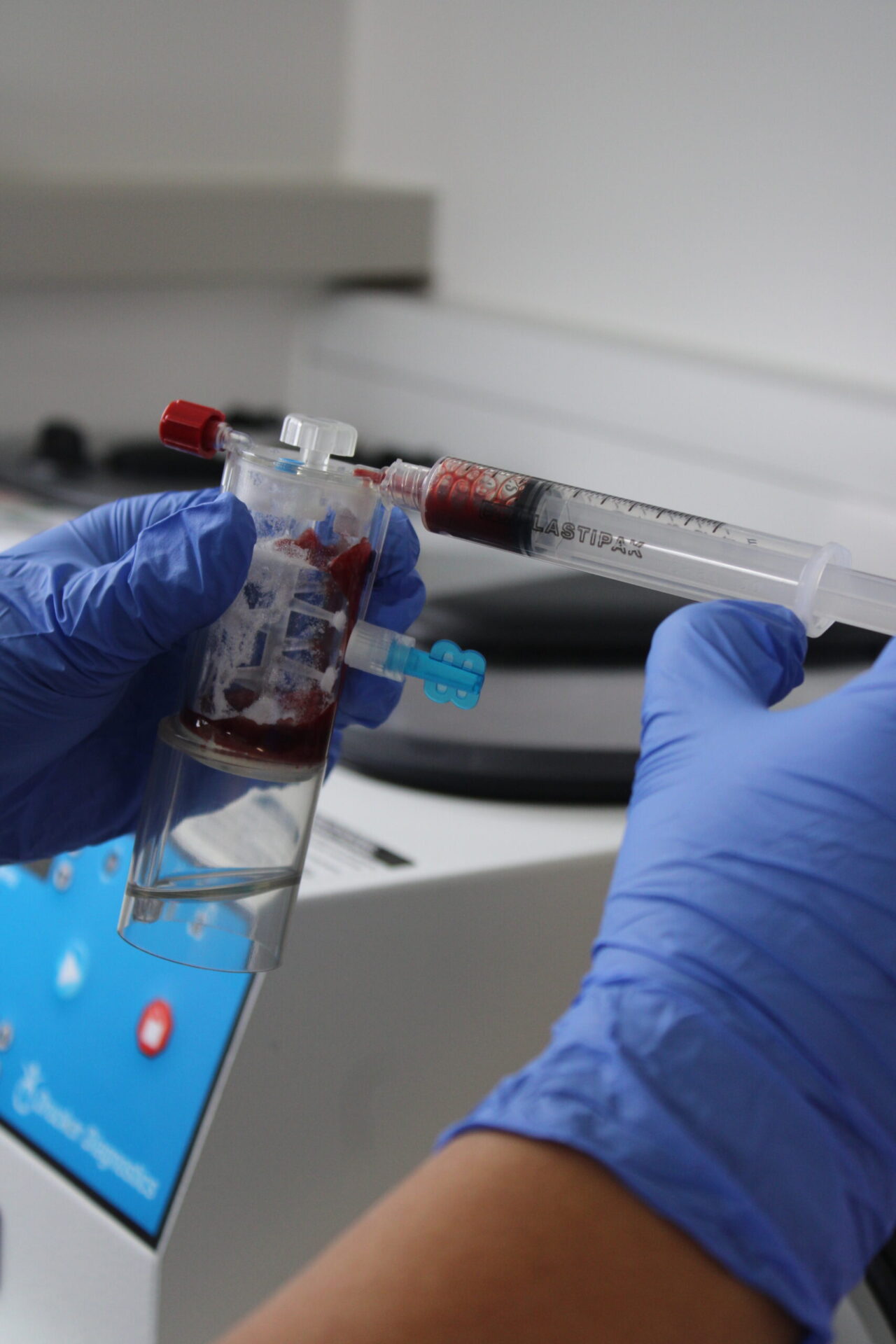
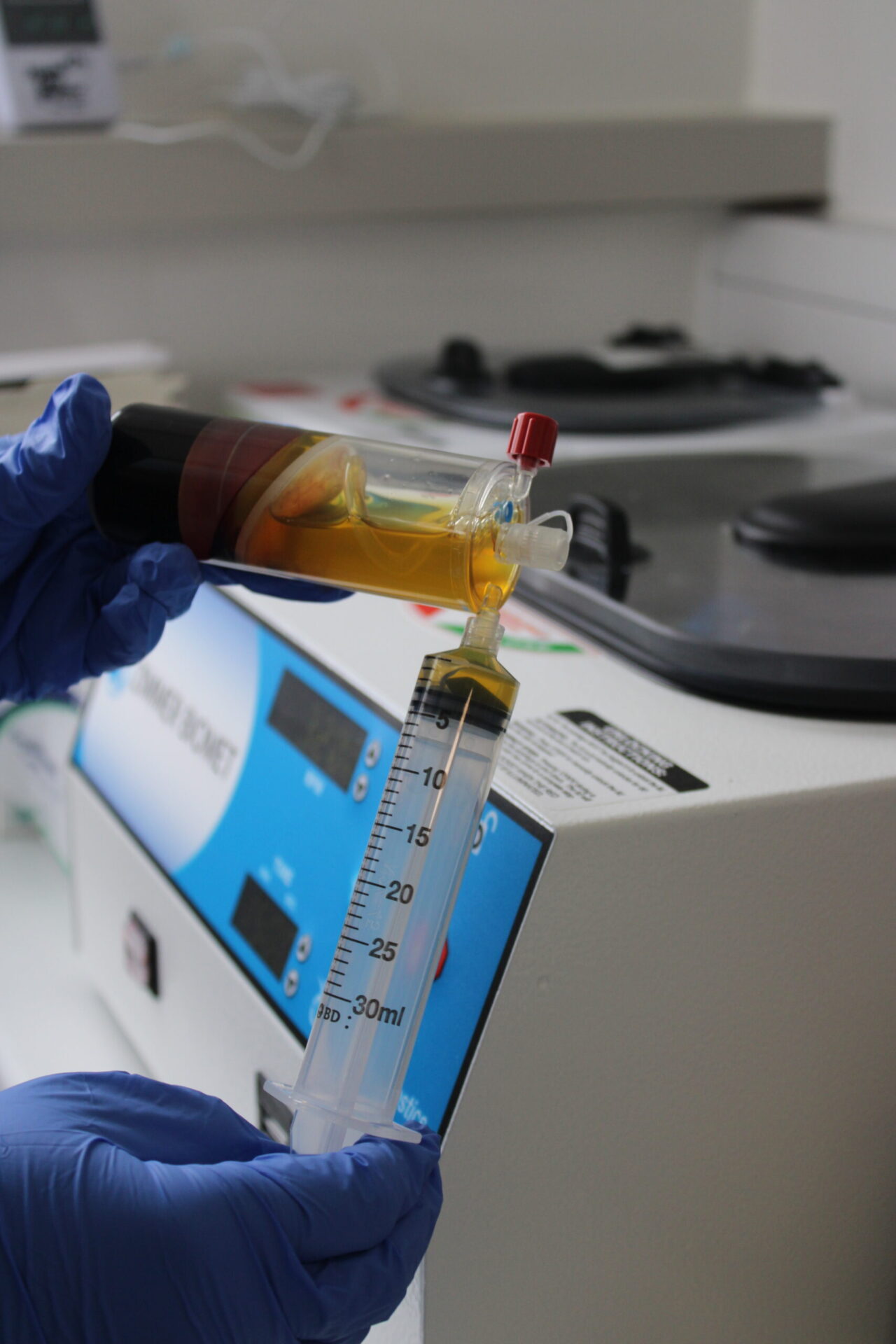
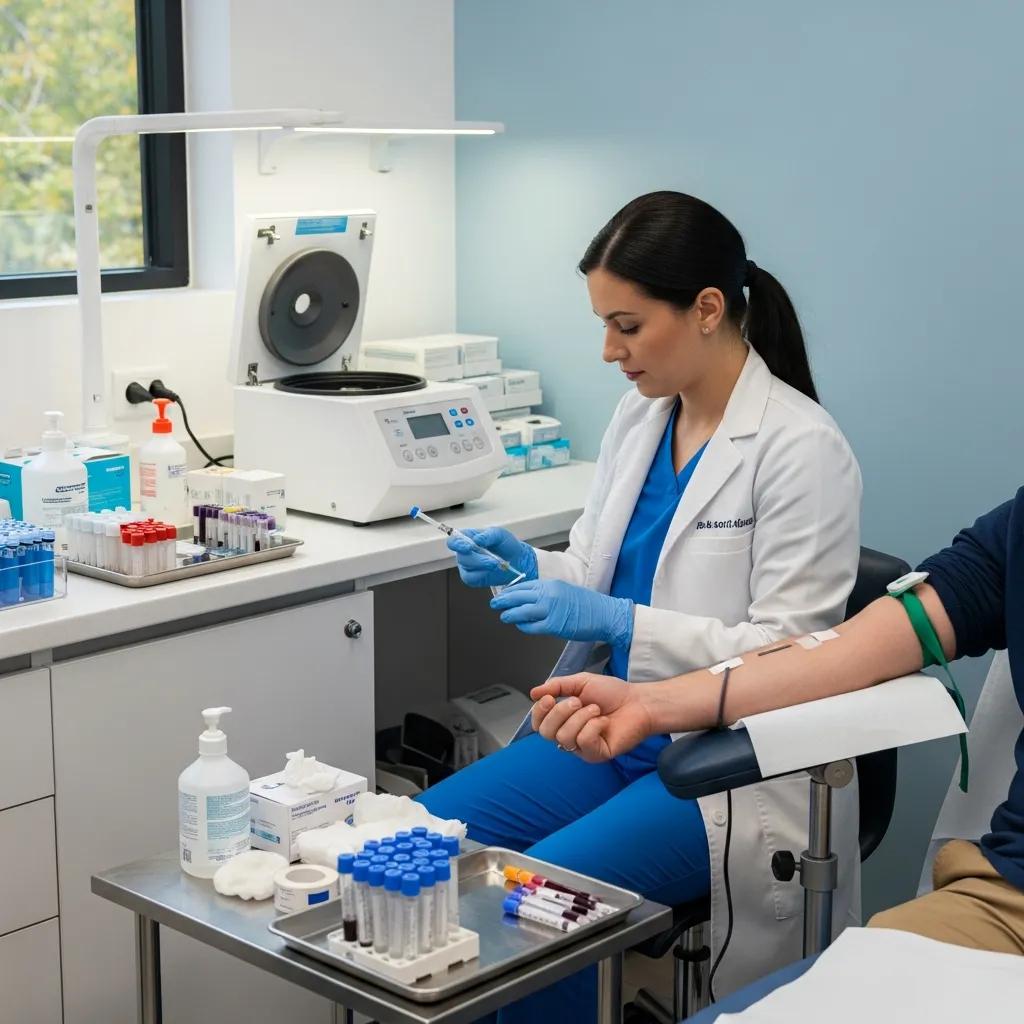
Your PRP pathway at RRMG starts with a detailed consultation and assessment. We then draw a small blood sample, process it to concentrate platelets, and inject the PRP into the targeted area under sterile conditions. You’ll receive clear aftercare guidance and follow‑up to support recovery and measure results.
Cost and coverage are important considerations when evaluating PRP. Below we outline typical fees and what to check with your insurer.
PRP session fees at Rogers Regenerative Medical Group generally range from £350 to £600 per treatment, depending on the complexity and the area being treated. During your consultation we’ll provide a precise estimate based on your individual plan.
Insurance coverage for PRP varies across providers and policies. Some plans may reimburse PRP for specific clinical indications, while others may not cover it. We recommend contacting your insurer before treatment to confirm any potential cover and expected out‑of‑pocket costs.
Patient feedback helps set realistic expectations. Many report tangible improvements in pain and function after PRP, especially when combined with a tailored rehabilitation plan.
Athletes frequently see quicker progress after PRP compared with conservative care alone, enabling a faster, safer return to training. Testimonials often highlight reduced downtime and more confidence during rehabilitation, though outcomes depend on the injury and adherence to rehab guidance.
To read first‑hand experiences, look for patient stories and reviews on our website, professional healthcare review sites and social platforms. These accounts provide practical insights into the treatment journey and recovery timelines.
| Treatment Type | Description | Typical Cost |
|---|---|---|
| PRP Therapy | Injection of concentrated platelets to promote healing | £350 – £600 per session |
| Traditional Surgery | Invasive procedures to repair injuries | Varies widely, often higher than PRP |
| Physical Therapy | Rehabilitation to restore function | £50 – £100 per session |
The table above compares typical costs and approaches so you can weigh PRP against surgical and rehabilitation options when planning treatment.
In short, PRP provides a practical, minimally invasive option for many people with joint and sports injuries. By harnessing your body’s own healing signals, PRP can reduce pain and support a return to activity — and at RRMG we personalise treatment to help you reach realistic recovery goals.
PRP therapy is a compelling non‑surgical option for treating joint and sports injuries, using your own biology to encourage repair. Patients in Kensington often benefit from reduced pain, shorter recovery periods and lower procedural risk compared with surgery. If you’re exploring alternatives, speak with our team to learn whether PRP fits your needs and to start a recovery plan tailored to your goals.
Dr Rogers has had a rich and illustrious career so far, which is continuing to grow and develop. Everything Ralph has been involved in since qualifying has added value to his knowledge and experience, but there have been some impressive highlights to note:
2018 – Present Founder Medical Director: Rogers Regenerative Medical Group (RRMG)
2012 – 2024 Medical Advisor – National Basketball Association
2008 – 2018 Medical Director: The London Sports Injury Clinic London
2010-2011 First Team Doctor, Chelsea Football Club
2007- 2010 The Football Association (Team Physician for England under 19 and development squads)
2005-2006 Medical Advisor: Trinidad & Tobago World Cup Football Team
2002 – 2008 Club Doctor: Walsall Football Club, West Midlands England
1998 – 2009 Medical Director: Medical & Orthopaedic Sports Therapy,
2000 – 2005 Sports Physician: Warwickshire County Cricket Club, Birmingham