Back pain affects many people in Westminster and can come from a range of spinal issues. This guide explains practical, non‑surgical approaches to relieve back pain and highlights the advanced therapies available at Rogers Regenerative Medical Group (RRMG). You’ll find clear information on common causes, the benefits of non‑surgical care, the treatments we offer, and how we build personalised plans to help you recover safely and sustainably.
Back pain often stems from everyday wear and tear, past injuries or specific medical conditions. Typical causes include muscle strain, slipped (herniated) discs and spinal stenosis — each of which can limit mobility and affect daily life. Identifying the underlying cause is the first step towards effective relief and long‑term prevention.
Spinal stenosis and disc herniation can present in several ways. Common signs of spinal stenosis include:
Disc herniation may cause:
Spotting these symptoms early helps you get the right care sooner and improves outcomes.
Non‑surgical diagnosis uses proven, non‑invasive tools. At RRMG we rely on:
A precise diagnosis lets us design a targeted treatment plan tailored to your condition and goals.
Non‑surgical options prioritise healing while avoiding the risks and recovery time of major operations. They aim to reduce pain, restore function and help you return to daily life more quickly.

Regenerative orthopaedics and minimally invasive techniques offer clear advantages:
For many people these approaches are an effective first‑line choice for back pain relief.
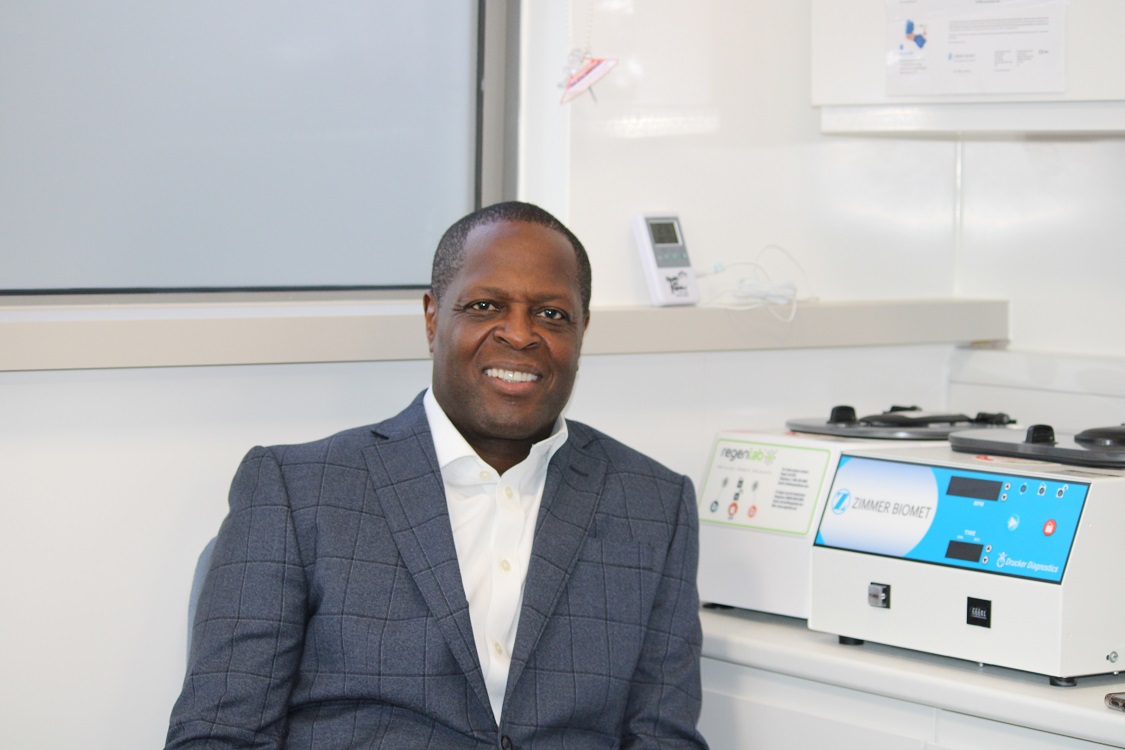
Dr Ralph Rogers brings over 25 years’ experience in regenerative orthopaedics and sports medicine. Having worked with elite athletes and everyday patients alike, he focuses on bespoke plans that fit each person’s condition and lifestyle. His patient‑centred approach blends clinical experience with practical rehabilitation to improve recovery and long‑term function.
RRMG provides a range of advanced, evidence‑based non‑surgical treatments for back pain, including:
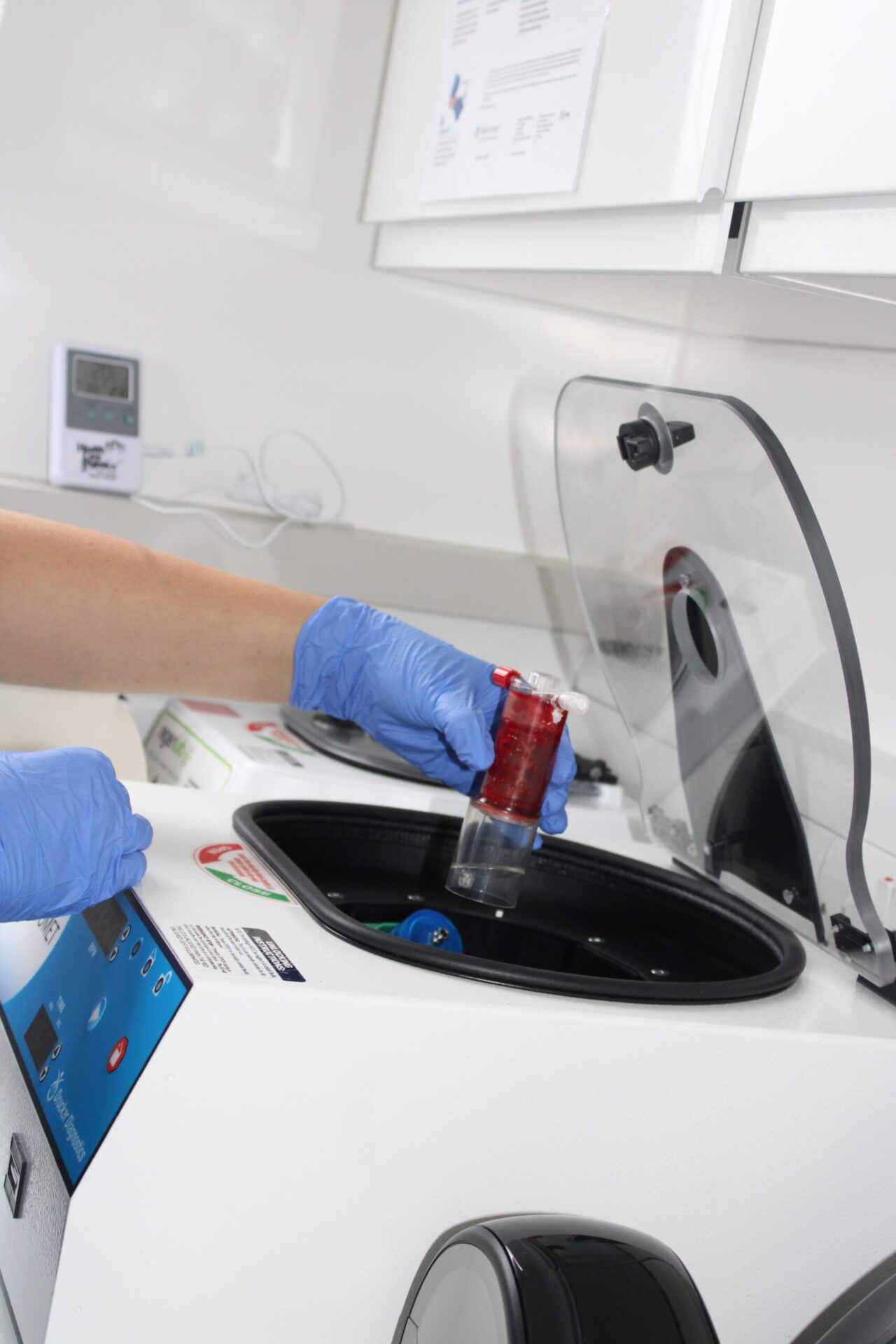
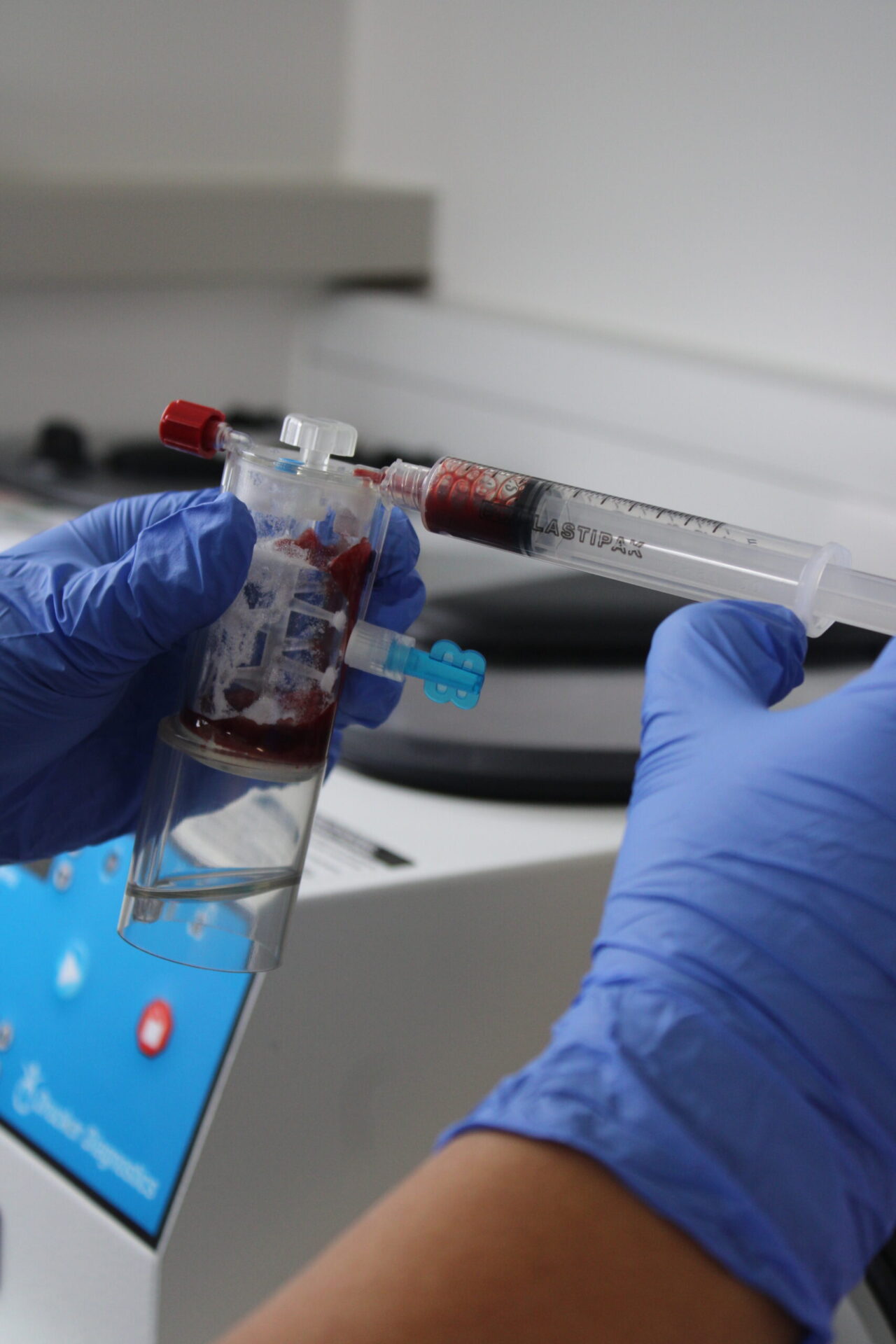
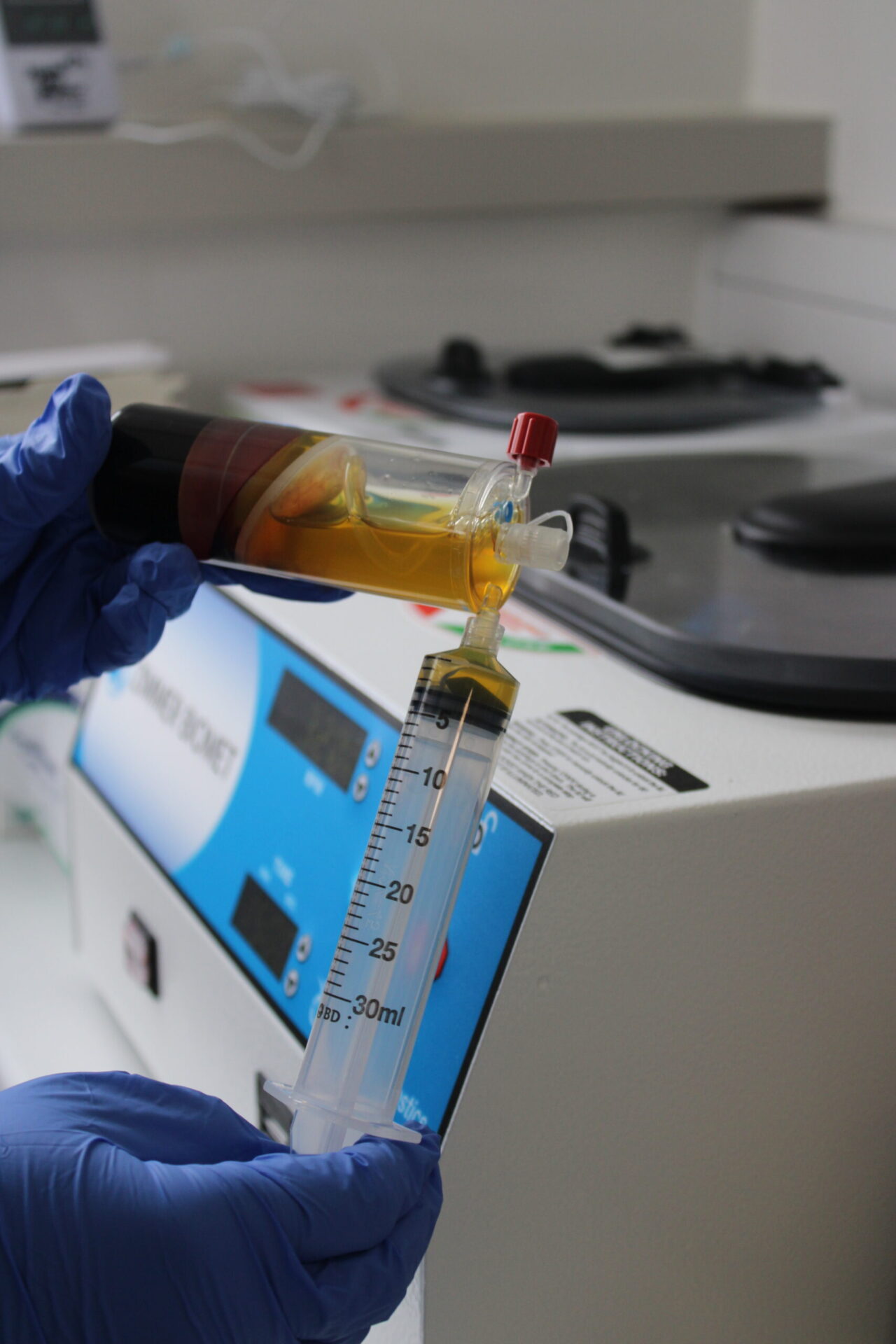
PRP therapy involves a small blood draw, concentrating the platelets and injecting them into the injured area. The growth factors in PRP encourage tissue repair and can reduce pain and improve function — often a good option for chronic, degenerative problems.
Lipogems uses a patient’s own adipose tissue, which is rich in regenerative cells. A small fat sample is processed and injected into the damaged spinal tissues to support healing and calm inflammation. This therapy can be especially helpful for degenerative conditions where tissue regeneration is needed.
Radiofrequency ablation (RFA) is a minimally invasive procedure that uses heat to disrupt pain transmission from specific nerves. Performed under local anaesthetic, RFA can provide durable relief with a short recovery period, making it suitable for patients with chronic nerve‑related back pain.
Ultrasound guidance lets us place medications precisely where they’ll work best, improving accuracy and outcomes. Patients frequently report meaningful pain reduction and improved mobility after image‑guided injections, which reduces the need for broader systemic treatments.
Our personalised plans start with a detailed assessment so every recommendation matches your diagnosis, lifestyle and recovery goals. That ensures focused care that aims for durable results.
At your first visit Dr Rogers reviews your medical history, performs a physical examination and requests imaging when needed. This comprehensive evaluation identifies the root cause of your pain and shapes a treatment plan that reflects your priorities. We encourage an open discussion about symptoms and desired outcomes so you’re part of every decision.
Recovery at RRMG is actively managed through scheduled follow‑ups, progress tracking and tailored rehabilitation. We provide clear guidance on exercises and lifestyle adjustments to support healing, adjusting the plan as you improve to secure long‑term spinal health.
People often ask about effectiveness, safety and what to expect from non‑surgical approaches. Clear answers help you choose the right path for your situation.
In many cases, severe spinal stenosis can be managed without surgery. Treatments such as targeted injections, physical therapy and regenerative options may relieve symptoms and restore function. While surgery is sometimes necessary, non‑surgical care often offers meaningful improvement for many patients.
Recovery varies by person and condition. Some patients notice improvement within a few weeks; most see the full benefits between three and six months. Following post‑procedure advice and engaging in recommended rehabilitation helps optimise results.
Costs depend on the specific therapy and individual needs. We recommend discussing fees and any possible insurance support during your consultation so you understand options and potential long‑term savings compared with surgical care.
Westminster patients can access tailored non‑surgical spine care at Rogers Regenerative Medical Group. Our clinic focuses on combining advanced therapies with compassionate, personalised care.
Booking is simple — contact our clinic to arrange a consultation. Having relevant medical records and insurance details ready can speed up the process, but our team will guide you every step of the way.
RRMG stands out because of our patient‑centred ethos, evidence‑based therapies and Dr Rogers’ extensive experience in regenerative orthopaedics. We combine innovative non‑surgical treatments with tailored rehabilitation plans to deliver high‑quality, long‑term results for people across Westminster and greater London.
Non‑surgical treatments offer a safe, effective route to relieve back pain while supporting the body’s own healing. At Rogers Regenerative Medical Group we provide advanced therapies and personalised care designed to get you moving and keep you active. If you’re ready to explore non‑surgical options, book a consultation with our team and take the first step towards lasting relief.
Dr Rogers has had a rich and illustrious career so far, which is continuing to grow and develop. Everything Ralph has been involved in since qualifying has added value to his knowledge and experience, but there have been some impressive highlights to note:
2018 – Present Founder Medical Director: Rogers Regenerative Medical Group (RRMG)
2012 – 2024 Medical Advisor – National Basketball Association
2008 – 2018 Medical Director: The London Sports Injury Clinic London
2010-2011 First Team Doctor, Chelsea Football Club
2007- 2010 The Football Association (Team Physician for England under 19 and development squads)
2005-2006 Medical Advisor: Trinidad & Tobago World Cup Football Team
2002 – 2008 Club Doctor: Walsall Football Club, West Midlands England
1998 – 2009 Medical Director: Medical & Orthopaedic Sports Therapy,
2000 – 2005 Sports Physician: Warwickshire County Cricket Club, Birmingham