Tendonitis Treatment Notting Hill: Non-Surgical Solutions

Search Post

Patient receiving non-surgical tendonitis treatment in a modern medical clinic

Tendonitis care in Notting Hill — non‑surgical treatments from Rogers Regenerative Medical Group

Tendonitis causes pain and stiffness around the tendons that connect muscle to bone. This page explains non‑surgical options available in Notting Hill at Rogers Regenerative Medical Group (RRMG). You’ll find a clear overview of what tendonitis is, common symptoms, and the advanced, evidence‑informed treatments we offer — all aimed at relieving pain, restoring function and getting you back to the activities you enjoy. We describe the therapies we use, how they work, and what to expect during your care pathway at RRMG.

What is tendonitis and how does it affect you?

Tendonitis is inflammation or irritation of a tendon — the strong, fibrous tissue that links muscle to bone. It most often arises from overuse or repetitive movement and presents as local pain, swelling and reduced mobility. Left unaddressed, symptoms can limit daily tasks and sports participation. Early, appropriate treatment improves the chance of a full recovery and helps prevent chronic changes in the tendon.

What are the common types of tendonitis treated in Notting Hill?

At our Notting Hill clinic we routinely treat several tendon conditions, including:

  • Achilles tendinopathy: Common in runners and active patients — pain and stiffness at the back of the heel, especially on movement or after rest.
  • Tennis elbow (lateral epicondylitis): Pain on the outside of the elbow linked to repetitive gripping or wrist extension.
  • Golfer’s elbow (medial epicondylitis): Pain on the inner elbow associated with repetitive wrist flexion or forearm activity.

Each condition has its own pattern of symptoms and benefits from an individualised treatment plan based on the tendon involved and your goals.

What symptoms indicate the need for non‑surgical tendonitis treatment?

Watch for persistent signs that suggest specialist assessment and non‑surgical intervention may help:

  • Pain: Localised to the tendon and typically worse with activity or certain movements.
  • Swelling: Visible or palpable swelling around the affected tendon.
  • Stiffness or weakness: Reduced range of motion or strength that interferes with everyday tasks or sport.

If these problems continue despite rest, simple modifications and basic physiotherapy, discussing non‑surgical treatment options can prevent longer‑term decline and speed recovery.

Why choose non‑surgical tendonitis treatments in Notting Hill?

Non‑surgical approaches aim to reduce inflammation, promote tissue repair and restore function without the risks and downtime of surgery. At RRMG we combine evidence‑based techniques with careful assessment to choose the least invasive option likely to succeed.

How do non‑surgical options compare with surgery for tendonitis?

Compared with surgery, non‑surgical treatments typically offer:

  • Shorter recovery: Many patients return to activities more quickly than after operative procedures.
  • Lower complication risk: Avoiding anaesthesia and incisions reduces infection and complication rates.
  • Cost‑effective care: Less invasive treatments usually involve lower immediate costs and fewer follow‑up requirements.

For most patients we try conservative and regenerative options first, reserving surgery only for cases that don’t respond to comprehensive non‑surgical care.

What are the benefits of regenerative medicine for tendon pain in London?

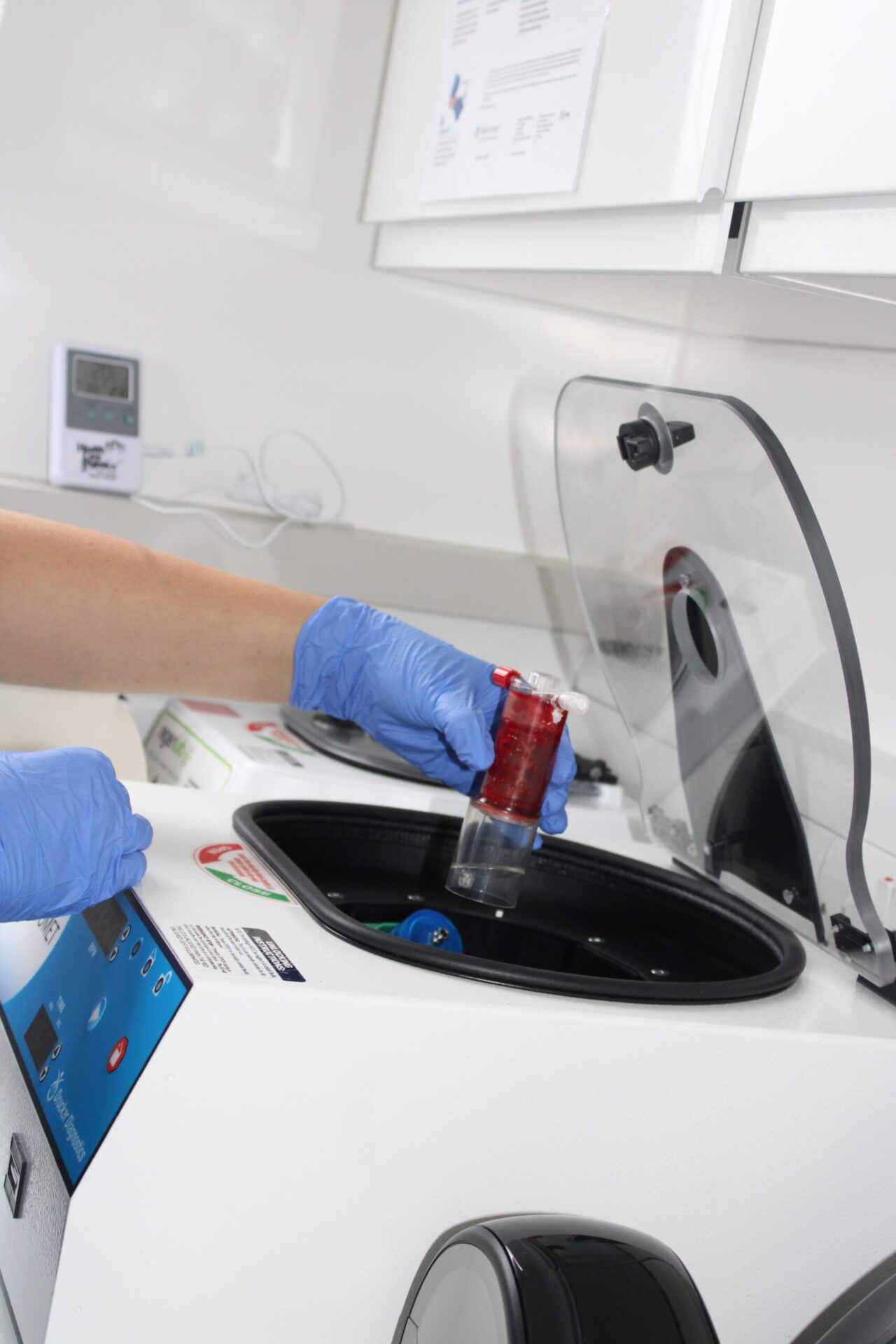
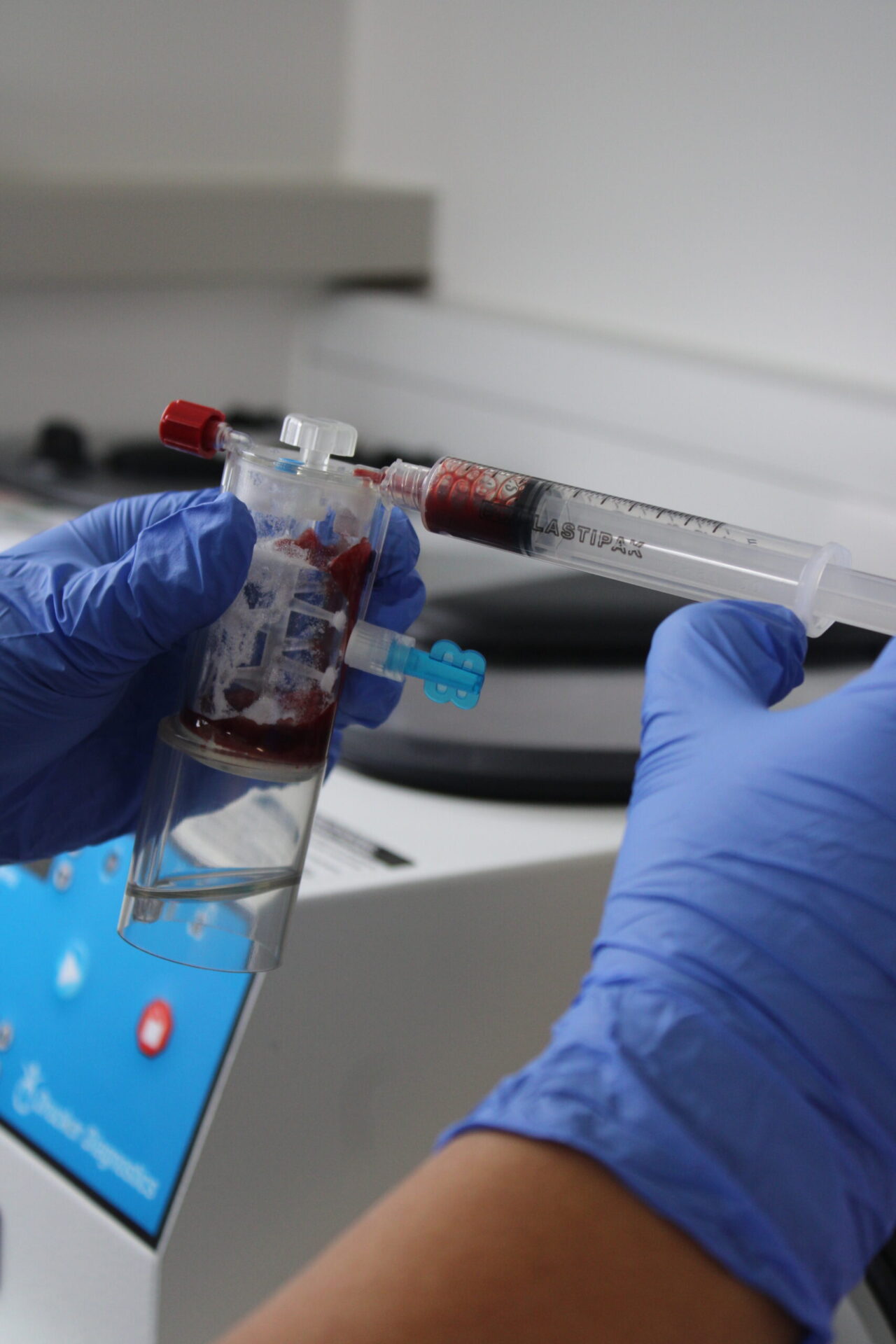
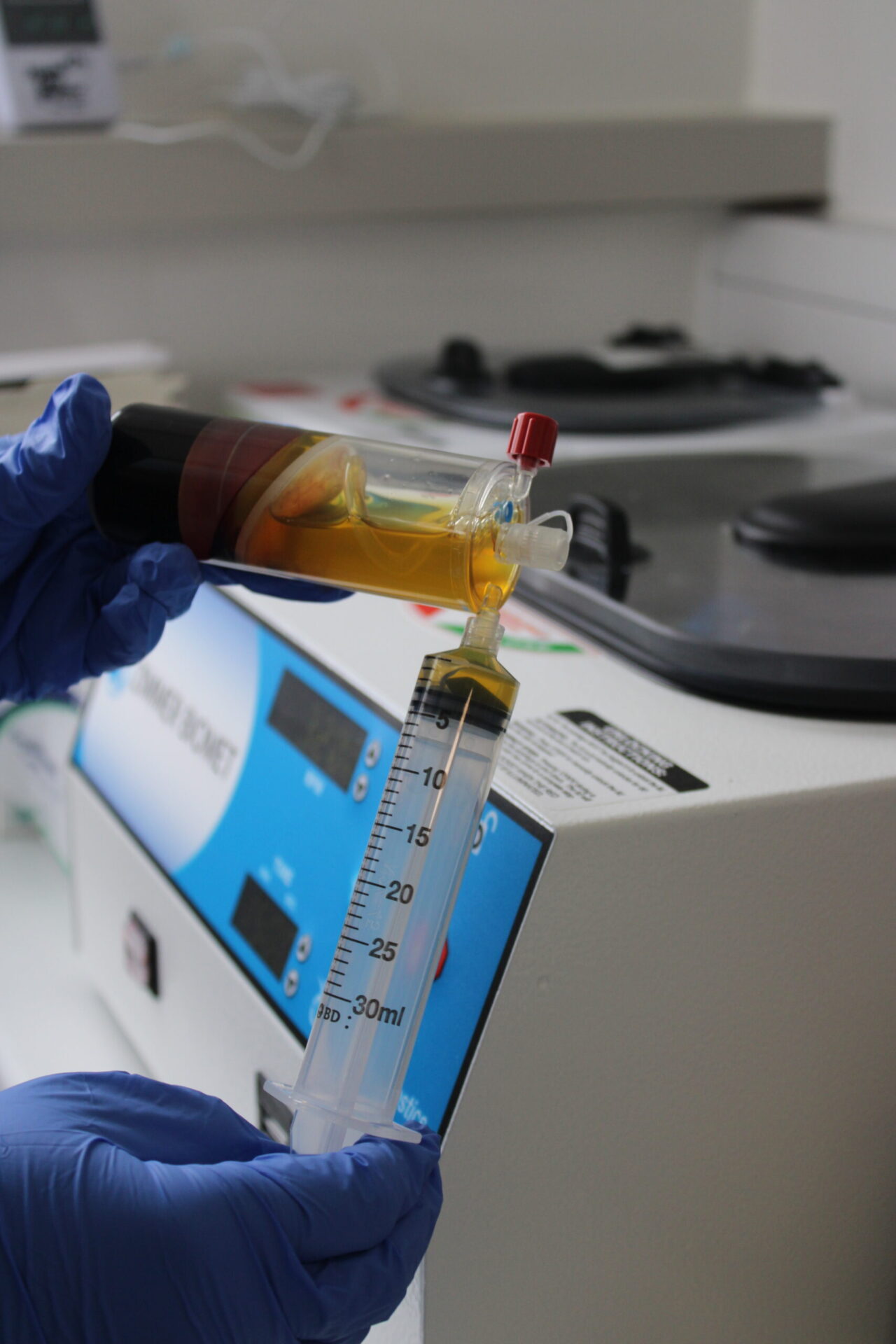
Clinician preparing Platelet‑Rich Plasma therapy for targeted tendon treatment

Regenerative medicine therapies used at RRMG support the body’s natural repair processes. Typical advantages include:

  • Stimulated natural healing: Treatments such as Platelet‑Rich Plasma (PRP) deliver growth factors directly to the injured tendon.
  • Often faster functional recovery: By enhancing tissue repair, patients commonly regain movement and strength more quickly.
  • Durable symptom relief: Many patients report sustained improvement in pain and function after regenerative treatment.

These benefits make regenerative approaches a strong option for patients seeking effective, minimally invasive care.

Which advanced non‑surgical treatments does RRMG offer for tendonitis?

Rogers Regenerative Medical Group provides a suite of non‑surgical therapies chosen to match the tendon pathology and your recovery goals. Treatments are delivered under ultrasound guidance when appropriate to maximise accuracy and safety.

How does Platelet‑Rich Plasma therapy work for tendinopathy?

PRP therapy uses a small sample of your blood that is spun to concentrate platelets and growth factors. We inject this concentrated plasma into the damaged tendon under ultrasound guidance. The growth factors can modulate inflammation and encourage tissue repair, often reducing pain and improving tendon function over weeks to months.

What is Lipogems stem cell treatment and its benefits for tendon repair?

Lipogems uses a patient’s own adipose (fat) tissue as a source of regenerative cells. We harvest a small volume of fat, process it to preserve regenerative elements, and inject it into the injured tendon. This technique supports local healing, can improve tendon structure, and is an option when additional biological support is desirable.

How does the Tenex procedure relieve chronic tendon pain?

Tenex is a minimally invasive, ultrasound‑guided procedure that removes diseased tendon tissue using a small specialised device. By targeting and debriding the degenerative tissue, Tenex can reduce pain and allow healthy tendon to recover, often with quicker return to activity than open surgery.

What other regenerative and ultrasound‑guided injection options are available?

Alongside PRP and Lipogems, we provide a range of image‑guided injection treatments tailored to each case, including:

  • Corticosteroid injections: Useful for short‑term inflammation control but used judiciously because repeated steroid injections can weaken tendon tissue.
  • Hyaluronic acid injections: Occasionally used to improve lubrication and comfort around affected tendons, though evidence for tendon pathology is more limited than for joints.
  • Prolotherapy: A regenerative technique that stimulates a local healing response through targeted injections to support tissue repair.

We select and combine these options based on your diagnosis, activity level and treatment goals.

Which tendon conditions are treated non‑surgically in Notting Hill?

Patient working with a physiotherapist on non‑surgical tendon rehabilitation

RRMG treats a wide range of tendon problems non‑surgically, delivering personalised care plans that blend rehabilitation and regenerative therapies.

How are tennis elbow and golfer’s elbow treated without surgery?

Tennis and golfer’s elbow commonly respond to a combination of approaches: targeted physiotherapy and eccentric strengthening, activity modification, and when appropriate, image‑guided injections such as PRP or corticosteroid for short‑term relief. Our aim is to reduce pain, restore strength and prevent recurrence.

What are the non‑surgical options for Achilles tendinopathy in London?

Achilles tendinopathy is typically managed with a structured rehabilitation programme (including eccentric loading exercises), footwear and training advice, and where indicated, regenerative injections such as PRP. This multi‑modal approach aims to relieve pain and rebuild tendon capacity without surgery.

How does RRMG address rotator cuff and patellar tendinopathy?

For rotator cuff and patellar tendon issues we combine physiotherapy and progressive loading with ultrasound‑guided injections or regenerative techniques when appropriate. This staged strategy targets pain control, tissue healing and gradual return to function while reducing the chance of recurrence.

What can you expect during your tendonitis treatment journey at RRMG?

Your care pathway at RRMG is thorough and tailored. We focus on accurate diagnosis, clear goals and stepwise treatment so you understand each stage of recovery.

How is a personalised treatment plan developed by Dr. Ralph Rogers?

Dr Ralph Rogers begins with a detailed clinical assessment — taking your history, performing a focused examination and reviewing imaging if required. Together we define realistic goals and build a personalised plan that may combine physiotherapy, injections or minimally invasive procedures depending on what is most likely to deliver durable results.

What does recovery and rehabilitation involve after non‑surgical treatment?

Recovery typically follows a structured programme that includes:

  • Physiotherapy: Progressive, targeted exercises to restore strength and movement.
  • Home exercise programme: Practical, clinician‑directed exercises to support recovery and prevent re‑injury.
  • Follow‑up appointments: Regular reviews with Dr Rogers to track progress and adjust treatment as needed.

This coordinated approach helps patients regain function and return to their normal activities safely.

Where and how can you book your consultation for tendonitis treatment in Notting Hill?

Arranging a consultation at RRMG is straightforward. We’ll discuss your symptoms, examine the affected area and outline the most appropriate non‑surgical options for you.

What are the clinic location, contact details, and opening hours?

Rogers Regenerative Medical Group is based at 1 Blythe Road, London W14 0HG. Call us on +44 (0) 207 112 5400 or email pa@rrmg.com for enquiries and appointment requests.

How to schedule an appointment online with Rogers Regenerative Medical Group?

To book online, visit our website and follow the booking prompts to choose a convenient date and time. If you prefer, contact our reception and we’ll arrange the consultation for you.

Conclusion

Non‑surgical treatment at Rogers Regenerative Medical Group offers practical, effective options for tendonitis — from rehabilitation and targeted injections to advanced regenerative therapies. Our goal is to relieve pain, restore tendon function and help you return to the activities that matter. If tendon pain is limiting your life, book a consultation to explore a personalised, evidence‑based plan with Dr Rogers and the RRMG team.

    Any Questions, We Can Help You?

    Any Specific Queries? Get In Touch

    Email Us On:
    pa@rrmg.com

    Rogers Regenerative Medical Group (RRMG)

    Dr Ralph Rogers is internationally recognised as a leader in Sports & Exercise Medicine, with over 25 years of experience treating elite athletes, world-class performers, and patients seeking life-changing non-surgical care.
    Newsletter
    Get expert tips on injury recovery, regenerative medicine, and wellness—straight to your inbox.
    Rogers Regenerative Medical Group (RRMG) © 2026 All Rights Reserved.

    Webdesign by EyeMedia Creative

    Some of my highlights

    Dr Rogers has had a rich and illustrious career so far, which is continuing to grow and develop. Everything Ralph has been involved in since qualifying has added value to his knowledge and experience, but there have been some impressive highlights to note:


    • 2018 – Present Founder Medical Director: Rogers Regenerative Medical Group (RRMG)

    • 2012 – 2024 Medical Advisor – National Basketball Association

    • 2008 – 2018 Medical Director: The London Sports Injury Clinic London

    • 2010-2011 First Team Doctor, Chelsea Football Club

    • 2007- 2010 The Football Association (Team Physician for England under 19 and development squads)

    • 2005-2006 Medical Advisor: Trinidad & Tobago World Cup Football Team

    • 2002 – 2008 Club Doctor: Walsall Football Club, West Midlands England

    • 1998 – 2009 Medical Director: Medical & Orthopaedic Sports Therapy,

    • 2000 – 2005 Sports Physician: Warwickshire County Cricket Club, Birmingham
    My Philosophy

    Your body is the greatest tool you’ll ever have; it’s vital to treat it like that. The intricacies and capabilities of the human body are nothing short of astounding, and that is true for everyone from elite sports stars to weekend warriors. Athletes, amateurs and the general public alike have a responsibility to seek out the best sports and orthopaedic medicine when injury strikes, Dr Rogers offers a combination of world-class qualifications, reams of experience and a distinctive sense of style to ensure your treatment is the best.

    Dr. Ralph Rogers' Biography

    Dr Ralph Rogers is a renowned Consultant in Regenerative Orthopaedics and Sports Medicine, helping patients overcome chronic pain and injury with advanced regenerative treatments. As Founder and CEO of Rogers Regenerative Medical Group (RRMG), he leads clinics across London, providing elite care to both athletes and the general public.

    ​His academic journey began with a degree in Psychology from the University of Delaware, followed by a Medical Degree from the Catholic University of Leuven in Belgium. Dr Rogers expanded his expertise with a PhD in Exercise Physiology at the University of Maryland, supported by a prestigious NIH Research Fellowship. He also holds a Sports Medicine Fellowship from the Free University of Brussels, an MSc in Musculoskeletal Ultrasound Imaging from Bournemouth University, and an MBA from the University of Leicester.

    ​Dr. Rogers’ career highlights include serving as First Team Doctor for Chelsea Football Club and over a decade as Medical Advisor to the NBA, where he developed medical protocols for major events including NBA Global Games, Basketball Without Borders, and the Basketball Africa League. During the COVID-19 pandemic, he played a key role in implementing the NBA’s “Bubble” in Orlando, ensuring player safety through rigorous protocols.

    ​Specialising in non-surgical treatments, Dr Rogers uses cutting-edge therapies like Platelet Rich Plasma (PRP) and alpha-2 macroglobulin (A2M) injections to support joint health and mobility, minimising recovery times.

    ​He is a Fellow of the American College of Sports Medicine (FACSM) and The Faculty of Sports & Exercise Medicine in the UK and Ireland (FFSEM UK, IRE), where he also serves as an examiner. His dedication to innovation, excellence, and patient-centred care ensures that Dr Ralph Rogers remains at the forefront of regenerative sports medicine.

    Phone

    Address

    Social