Regenerative orthopaedics offers a modern, non‑surgical path for people with musculoskeletal pain and injury. This piece explains which conditions respond well to regenerative therapies, how treatments such as PRP and stem cell procedures work, and the benefits patients can expect. Many facing chronic pain, sports injuries, or joint wear are told surgery is their only option. Regenerative care provides an evidence‑informed alternative that can speed recovery and improve quality of life. We’ll also outline what makes Rogers Regenerative Medical Group (RRMG) distinctive in this field.
Regenerative orthopaedics can help with a broad range of musculoskeletal problems, providing a non‑invasive route to symptom relief and tissue repair. It’s particularly useful for people with chronic pain, sports‑related injuries, and degenerative joint disorders.
Typical issues treated with regenerative approaches include osteoarthritis, tendinopathy and ligament injuries of the knee, shoulder, hip and spine. These conditions commonly cause persistent pain and limited mobility. Non‑surgical therapies aim to ease symptoms and support natural repair without immediate recourse to invasive surgery.
Regenerative treatments work by enhancing the body’s own healing processes. Therapies like platelet‑rich plasma (PRP) and stem cell–based injections concentrate growth and signaling factors at injured tissue, which can reduce inflammation and accelerate recovery. That helps athletes return to activity sooner and gives people with chronic pain a realistic chance to regain function.
PRP and stem cell therapies harness biological healing mechanisms to support tissue repair and reduce pain. They are delivered with targeted injections and are designed to stimulate regeneration rather than simply masking symptoms.
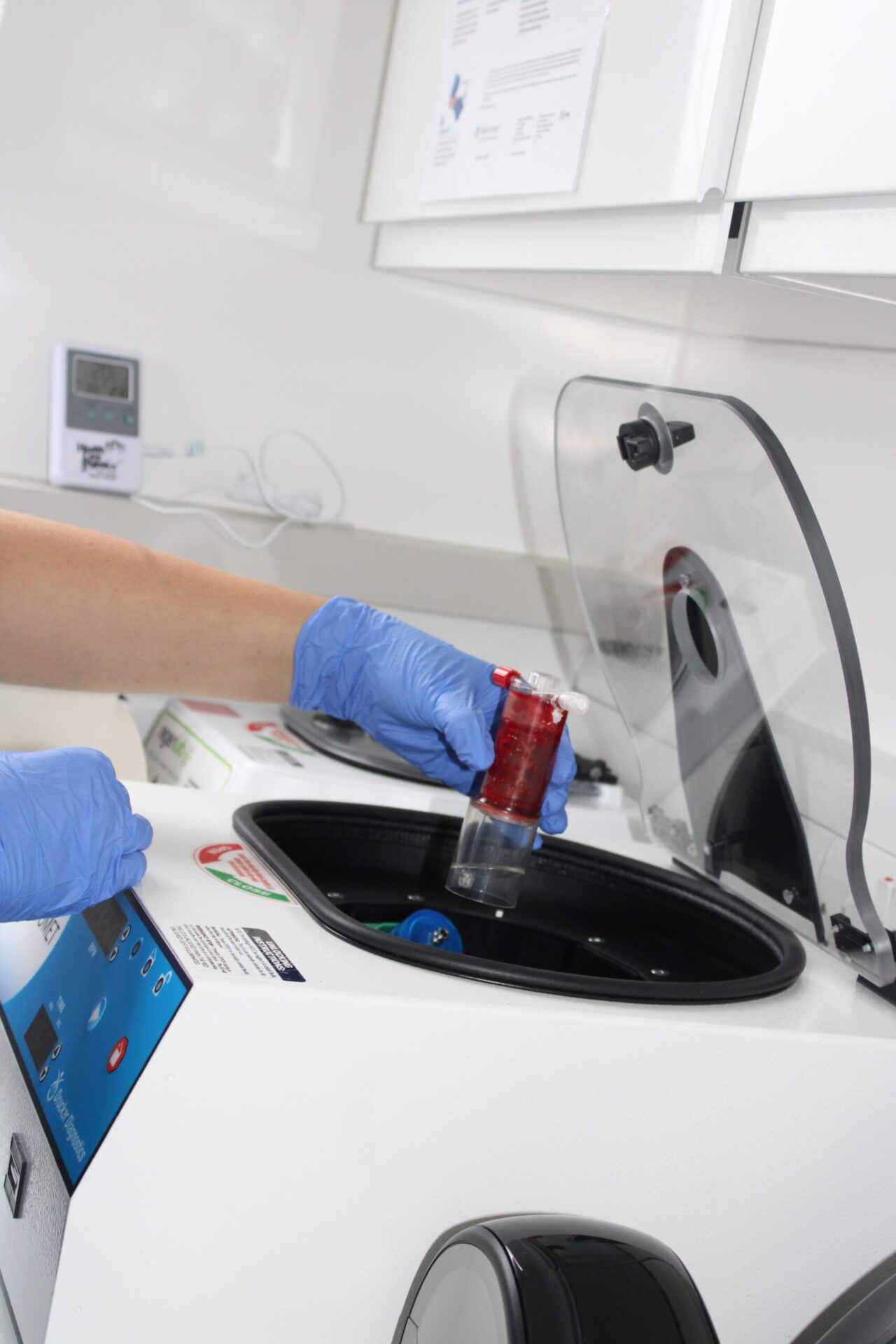
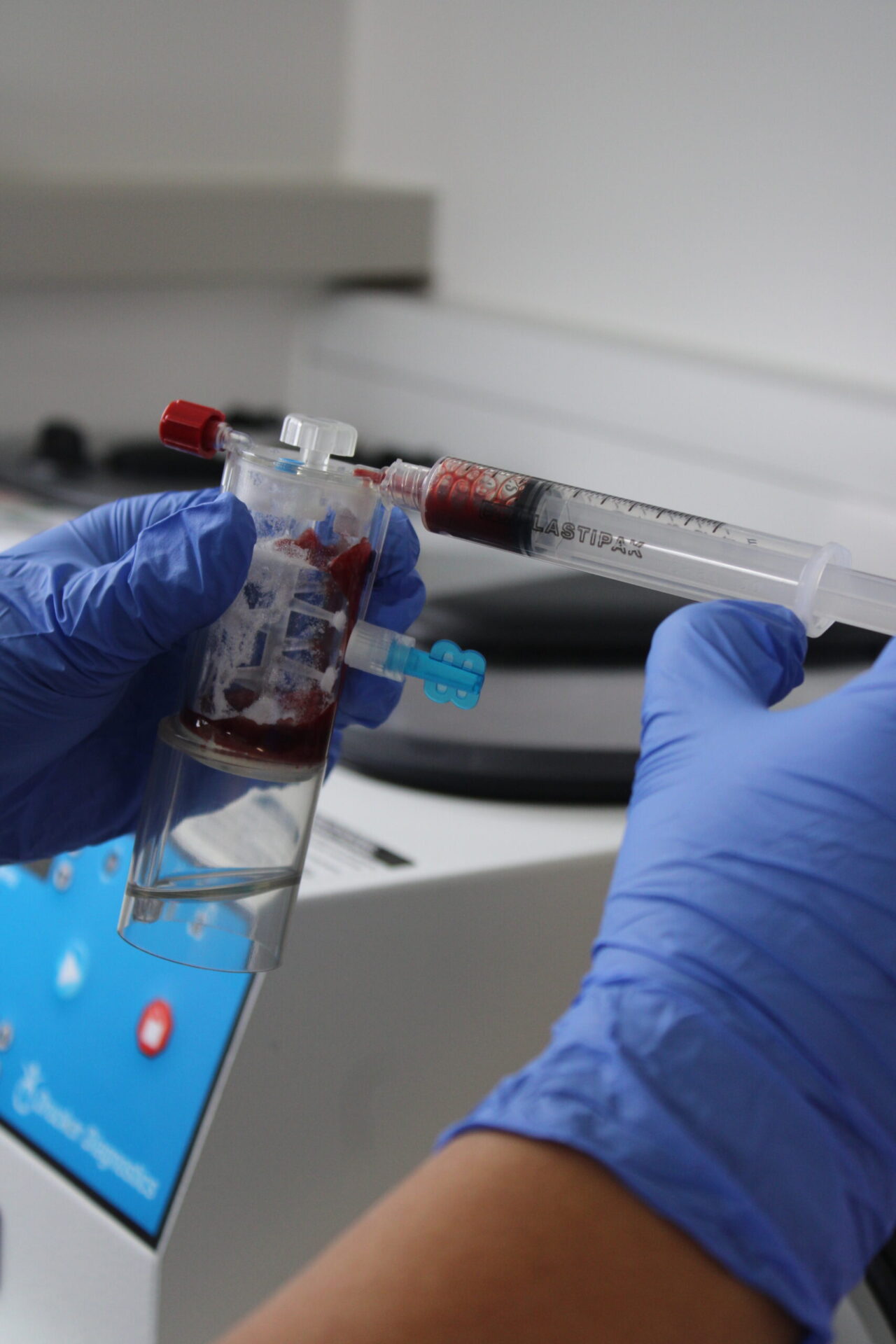
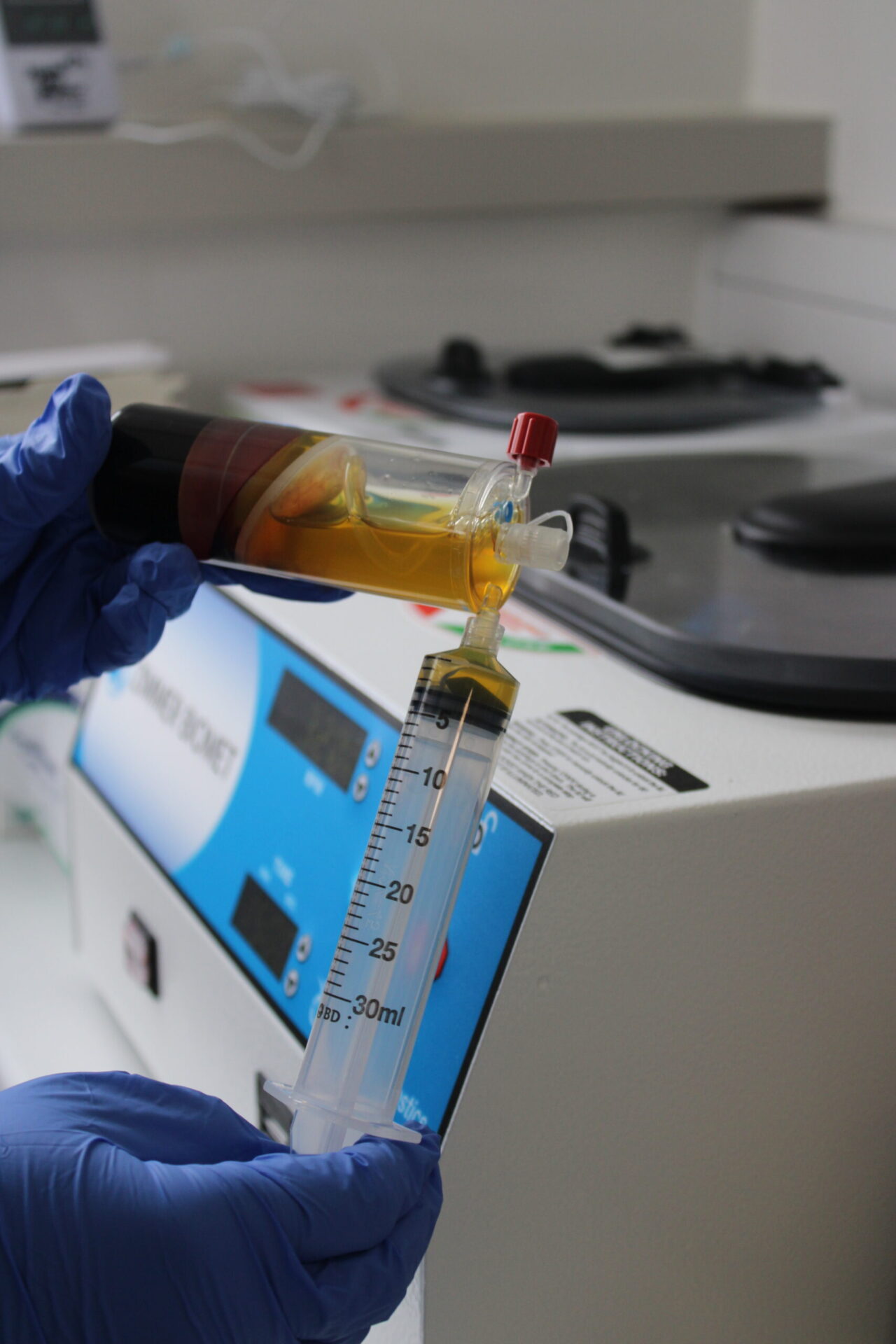
PRP therapy involves drawing a small sample of your blood, concentrating the platelets and growth factors, and injecting that concentrate into the injured area. By delivering the body’s own healing signals directly to the damage site, PRP can reduce pain, improve function and often shorten recovery compared with more invasive options.
Lipogems uses a patient’s own adipose (fat) tissue, which is processed to preserve reparative cells and supportive tissue. That material is then placed into the affected joint or soft tissue to reduce inflammation and promote healing. For many patients with chronic pain or persistent injury, Lipogems offers a promising, biologically based option.
Selecting the right candidates matters for successful outcomes. Regenerative orthopaedics is best suited to people who prefer to avoid surgery when possible and who are seeking meaningful pain relief and functional improvement.
Patients who tend to benefit include athletes, active adults and those with long‑standing joint pain or soft‑tissue injuries. These individuals often want to preserve activity levels and explore alternatives to surgical procedures.
At Rogers Regenerative Medical Group (RRMG) we create personalised treatment plans based on each patient’s goals, injury pattern and recovery timeline. That bespoke approach helps athletes and active people return to their sport or daily routines with a clear, evidence‑based plan.
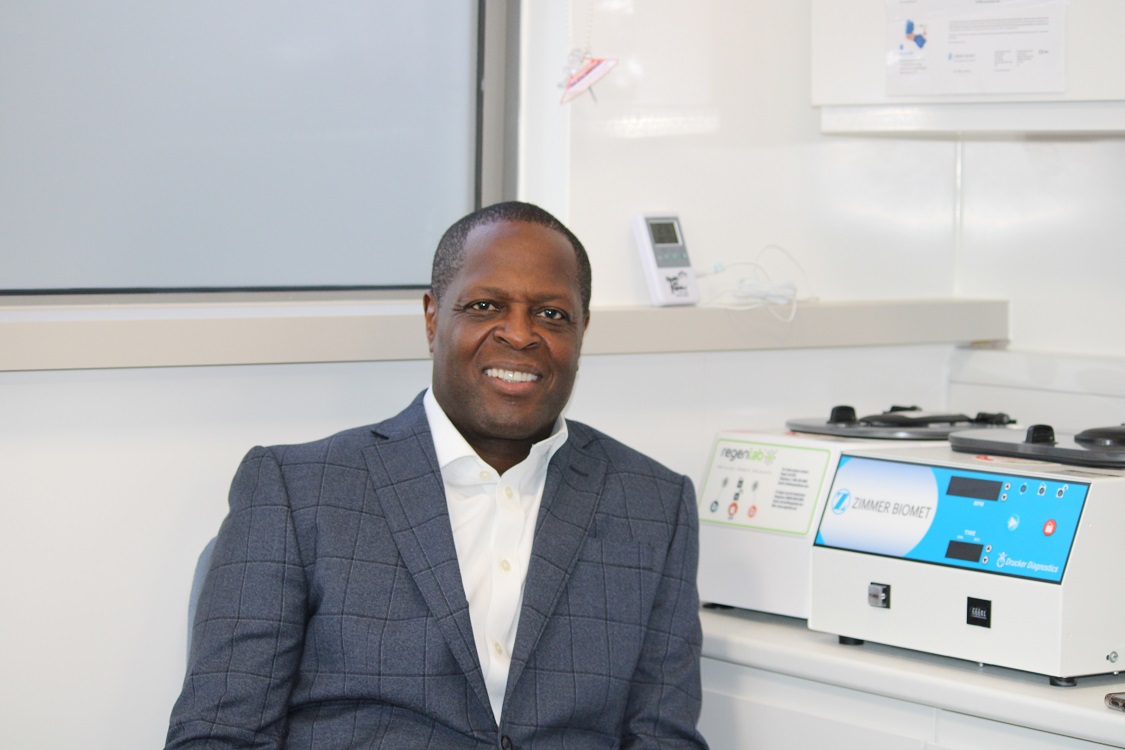
Choosing a clinic is a key decision for regenerative care. RRMG, led by Dr. Ralph Rogers, pairs clinical experience with the latest regenerative techniques to deliver consistent, patient‑centred care.
Dr. Ralph Rogers is experienced in both regenerative and sports medicine, focusing on non‑surgical solutions for musculoskeletal problems. His background ensures patients receive care grounded in clinical best practice and current evidence.
RRMG combines expertise from physicians, therapists and allied professionals to create integrated care plans. This collaborative model supports recovery from multiple angles—medical, rehabilitative and functional—so patients get coordinated, whole‑person care.
Regenerative treatments offer clear advantages for many patients, including targeted pain relief and improved joint function without the risks and downtime of major surgery.
Therapies like PRP and stem cell injections reduce inflammation and stimulate tissue repair. Many patients notice meaningful pain reduction and better mobility, allowing a return to normal activities and exercise with fewer limitations.
Recovery after regenerative procedures is generally shorter than recovery from major surgery. Individual timelines vary, but many patients report noticeable improvement within weeks and continued gains over several months—typically faster than traditional surgical pathways.
Booking with Rogers Regenerative Medical Group is straightforward; we aim to make access to non‑surgical care simple and transparent.
To schedule a consultation, contact RRMG to arrange an initial assessment. We’ll review your symptoms, discuss suitable options and map out a personalised treatment plan tailored to your needs.
RRMG maintains a library of FAQs, patient testimonials and news on regenerative advances to help you make informed decisions. These resources explain procedures, expected outcomes and real‑world patient experiences.
| Treatment | How it works | Likely outcome |
|---|---|---|
| PRP Therapy | Concentrates and delivers growth factors to stimulate healing | Reduced pain and improved mobility |
| Stem Cell Therapy | Supports tissue regeneration using reparative cells | Enhanced recovery and tissue repair |
| Lipogems Therapy | Uses processed adipose tissue to reduce inflammation and support healing | Decreased inflammation and pain relief |
The table summarises the core regenerative options offered at RRMG, their mechanisms and the outcomes patients commonly experience. Each treatment is matched to specific conditions so care is focused and effective.
Regenerative orthopaedics represents a meaningful advance in musculoskeletal care, offering patients less invasive options to relieve pain and restore function. With Dr. Ralph Rogers and the RRMG team, patients can pursue evidence‑based, personalised treatments that support recovery and long‑term mobility.
Regenerative orthopaedics gives many people a viable alternative to invasive surgery, using targeted biological therapies like PRP and stem cell treatments to reduce pain and rebuild function. Choosing Rogers Regenerative Medical Group means working with an experienced team committed to personalised care. Ready to start your recovery? Book a consultation and take the first step toward a more active, pain‑managed life.
Dr Rogers has had a rich and illustrious career so far, which is continuing to grow and develop. Everything Ralph has been involved in since qualifying has added value to his knowledge and experience, but there have been some impressive highlights to note:
2018 – Present Founder Medical Director: Rogers Regenerative Medical Group (RRMG)
2012 – 2024 Medical Advisor – National Basketball Association
2008 – 2018 Medical Director: The London Sports Injury Clinic London
2010-2011 First Team Doctor, Chelsea Football Club
2007- 2010 The Football Association (Team Physician for England under 19 and development squads)
2005-2006 Medical Advisor: Trinidad & Tobago World Cup Football Team
2002 – 2008 Club Doctor: Walsall Football Club, West Midlands England
1998 – 2009 Medical Director: Medical & Orthopaedic Sports Therapy,
2000 – 2005 Sports Physician: Warwickshire County Cricket Club, Birmingham