Joint injections such as PRP (platelet‑rich plasma) and viscosupplementation are increasingly used as effective non‑surgical options to ease joint pain. This page explains how these treatments work, the benefits they can offer, and when we recommend them here in Covent Garden. You’ll learn which conditions respond well, why patients choose injections over surgery, and how our team at Rogers Regenerative Medical Group delivers personalised care. If you’re coping with chronic joint pain from injury or degeneration, understanding these options can help you find a practical route to improved mobility and less pain.
Joint injections are minimally invasive procedures that deliver therapeutic substances directly into a joint to reduce pain and inflammation. By placing the treatment precisely where it’s needed, injections can quickly improve comfort and function for a range of musculoskeletal problems. Common agents include PRP and hyaluronic acid — each works in a different way to tackle inflammation and support tissue repair.
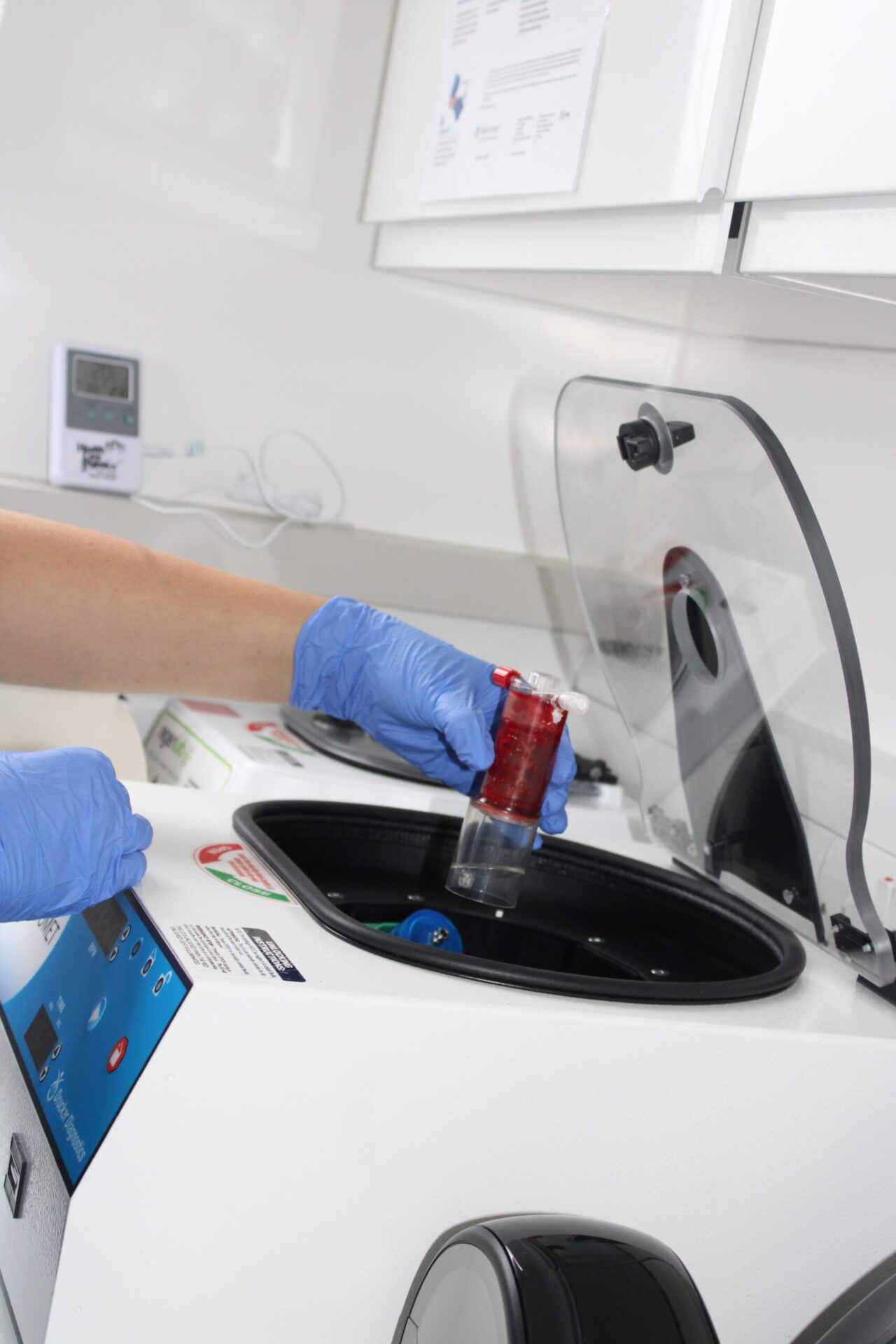
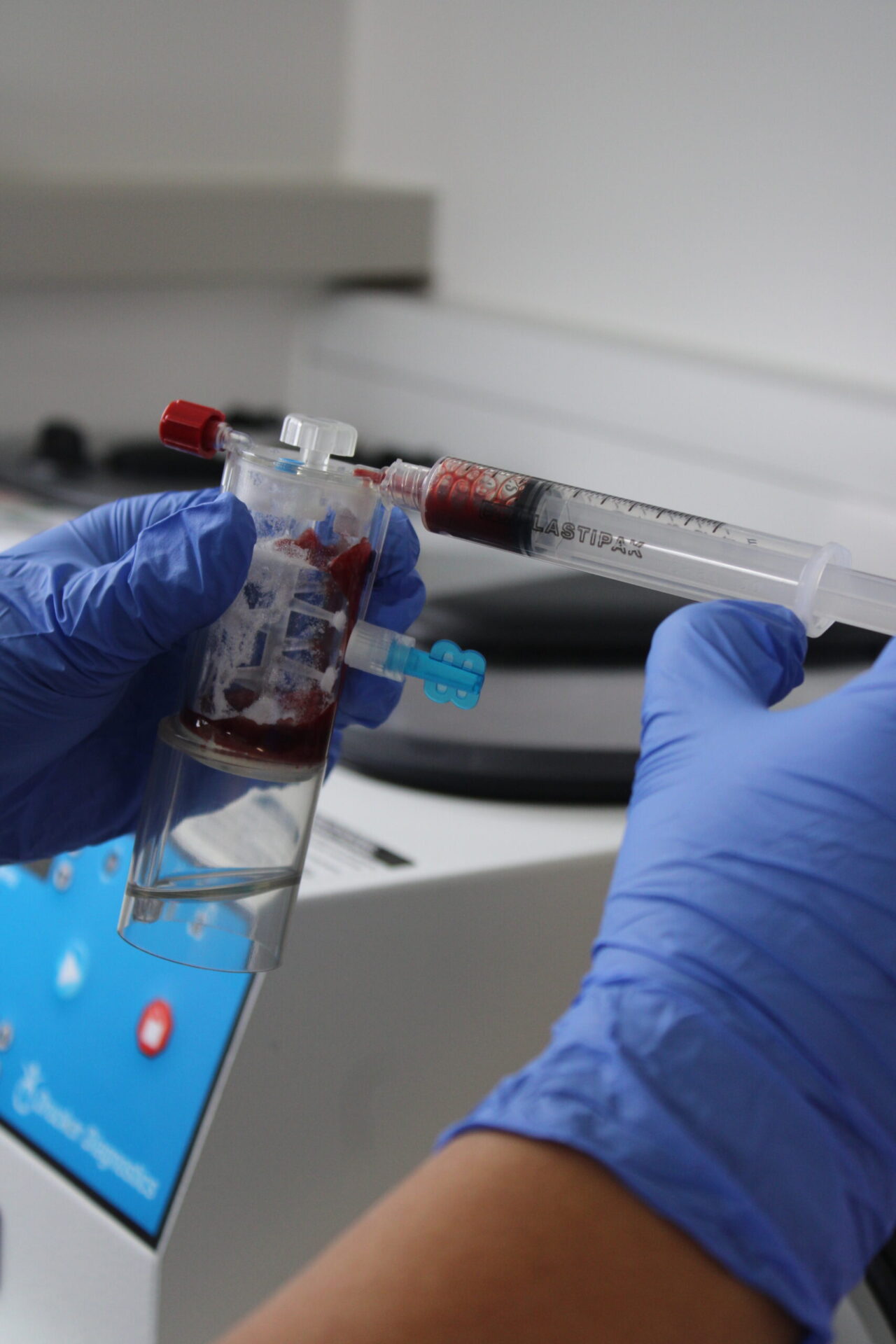
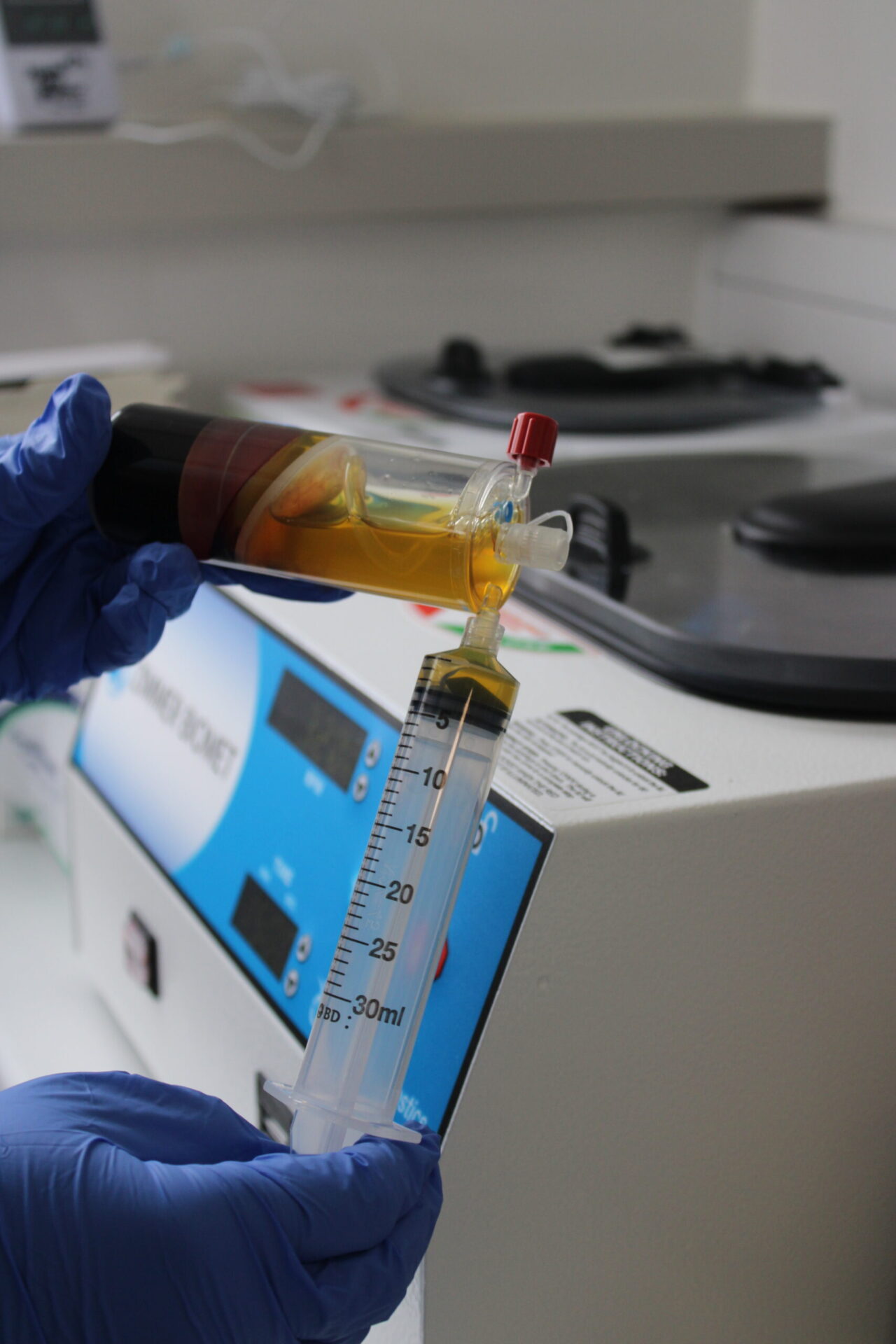
PRP therapy uses a small sample of your own blood that we process to concentrate platelets and growth factors. When injected into a damaged joint, these components help stimulate the body’s natural repair pathways, supporting tissue regeneration and lowering inflammation. Viscosupplementation involves injecting hyaluronic acid to restore lubrication and shock absorption within the joint, improving movement and reducing stiffness. Both approaches aim to rebalance the joint environment and relieve symptoms without major surgery.
Non‑surgical injections can help a wide range of conditions, including early to moderate osteoarthritis, tendonitis and some cartilage injuries. They’re commonly used by athletes to manage sports‑related problems and speed recovery, and by people with degenerative joint pain who want to delay or avoid surgery. Many patients find injections allow a return to everyday activities with less discomfort and better function.
Rogers Regenerative Medical Group (RRMG) specialises in regenerative orthopaedic care in Covent Garden, focusing on non‑surgical treatments delivered with clinical precision and a personalised approach. We combine the latest techniques with careful assessment to help you achieve the best possible outcome.
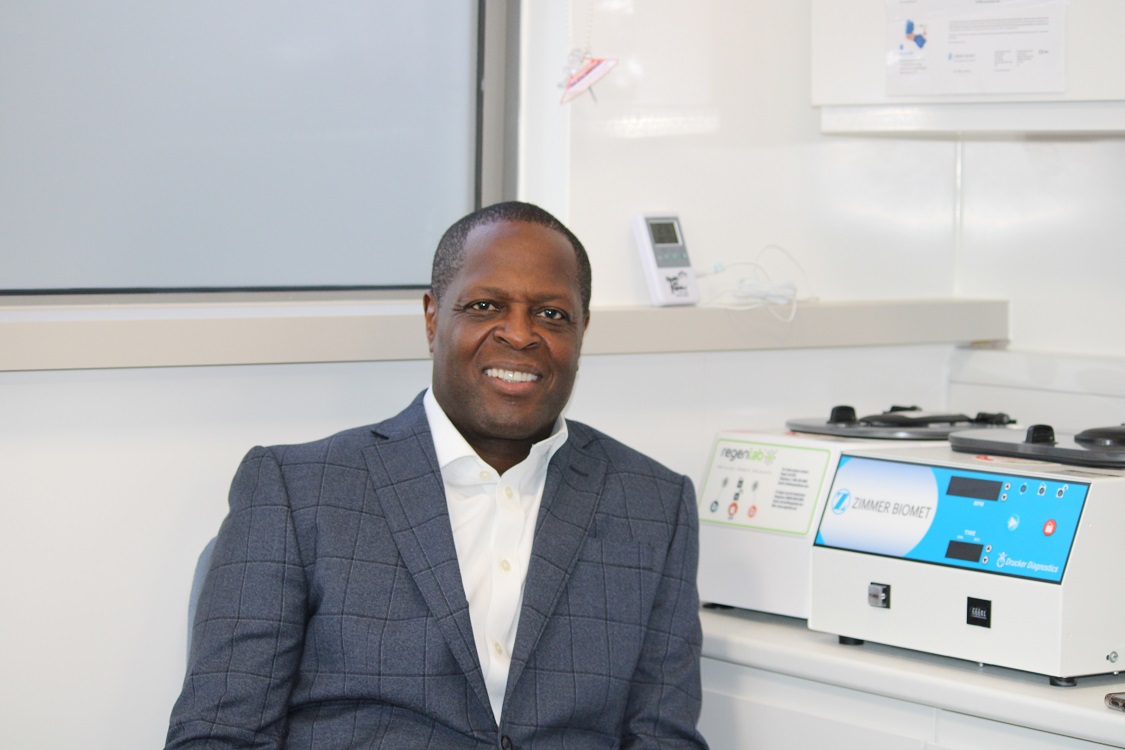
Dr Ralph Rogers brings more than 25 years’ experience treating musculoskeletal and sports injuries and leads our clinical team. His background in regenerative medicine informs how we select and deliver injections, ensuring treatments are evidence‑based and tailored to each patient’s needs. Patients benefit from his depth of experience across a broad range of joint problems.
At RRMG we build treatment plans from a detailed assessment that includes medical history, physical examination and any relevant imaging. That context lets us recommend the most appropriate injection type, dosing and follow‑up. Care plans are practical and adaptable — we monitor progress and adjust treatment to optimise recovery and preserve long‑term joint health.
PRP and viscosupplementation offer several advantages for people seeking relief from joint pain. They can reduce pain, improve joint movement and help you get back to normal activities sooner — often without the need for surgery.
| Treatment | Benefits | Typical results |
|---|---|---|
| PRP therapy | Stimulates healing, reduces inflammation | Improved mobility and reduced pain over weeks to months |
| Viscosupplementation | Restores joint lubrication, reduces stiffness | Smoother joint movement and pain relief lasting months |
Many patients report meaningful improvements in daily function and quality of life after these treatments, though individual responses can vary.
Both PRP and viscosupplementation can be effective for knee pain and osteoarthritis, but they work differently and suit different goals. PRP is aimed at stimulating healing and modulating inflammation, while viscosupplementation primarily improves lubrication and reduces mechanical symptoms. Your clinician will recommend the best option based on your diagnosis, activity level and treatment objectives.
Recovery varies by person and by treatment, but most patients experience a gradual reduction in pain over days to weeks. Relief can last several months for many people; some benefit from periodic repeat injections to maintain results. Your care plan will include guidance on activity, rehabilitation and follow‑up timing.
Joint injections are appropriate for many people with chronic joint pain or sports injuries, but suitability depends on individual health factors. A clinical assessment ensures injections are safe and likely to be effective.
Common sports‑related problems we treat with injections include tendonitis, ligament sprains and some types of cartilage damage. Athletes often use these treatments to speed recovery and return to sport with reduced downtime.
While injections are generally safe, there are important contraindications and risks to review. Active infection, certain blood disorders or known allergies to treatment components may rule out injections. Your clinician will discuss potential side effects and screen for anything that might affect safety or effectiveness.
Treatments are straightforward and usually well tolerated, with minimal downtime.
We perform injections under sterile conditions and frequently use ultrasound guidance to place the treatment precisely. Local anaesthetic can be used to keep the procedure comfortable. Our team explains each step beforehand so you know what to expect.
After treatment we advise rest for the affected joint, icing to control any swelling, and following any activity or rehabilitation guidance your clinician provides. Follow‑up appointments let us track progress and adjust the plan if needed to support recovery.
Booking a consultation at Rogers Regenerative Medical Group is simple and designed around your needs.
You can book appointments online or by phone — whichever is most convenient. Our team will help you find a suitable time and answer any questions before your visit.
RRMG is based in Covent Garden, conveniently located for local residents. To make the most of your appointment, please bring relevant medical history and any recent imaging or reports so we can complete a thorough assessment.
Choosing PRP or viscosupplementation at Rogers Regenerative Medical Group offers a practical, non‑surgical path to reduce joint pain and improve movement. These treatments support natural healing and can meaningfully improve day‑to‑day function for many people with chronic joint conditions. Speak with our experienced team to understand which option suits you and to book a consultation — take the first step toward better joint health today.
Dr Rogers has had a rich and illustrious career so far, which is continuing to grow and develop. Everything Ralph has been involved in since qualifying has added value to his knowledge and experience, but there have been some impressive highlights to note:
2018 – Present Founder Medical Director: Rogers Regenerative Medical Group (RRMG)
2012 – 2024 Medical Advisor – National Basketball Association
2008 – 2018 Medical Director: The London Sports Injury Clinic London
2010-2011 First Team Doctor, Chelsea Football Club
2007- 2010 The Football Association (Team Physician for England under 19 and development squads)
2005-2006 Medical Advisor: Trinidad & Tobago World Cup Football Team
2002 – 2008 Club Doctor: Walsall Football Club, West Midlands England
1998 – 2009 Medical Director: Medical & Orthopaedic Sports Therapy,
2000 – 2005 Sports Physician: Warwickshire County Cricket Club, Birmingham