Regenerative orthopaedics is a modern, non‑surgical approach to treating musculoskeletal problems that helps the body heal itself. Below we explain the principles behind these treatments, how patients in London benefit, and which advanced options are available at Rogers Regenerative Medical Group (RRMG). If you’re managing chronic pain or a sports injury and want alternatives to surgery, this guide outlines the therapies we offer, the conditions we treat, and what you can expect when you choose RRMG.
Regenerative orthopaedics focuses on repairing and restoring damaged tissues and joints using minimally invasive methods. Treatments such as platelet‑rich plasma (PRP) and stem cell therapies harness your body’s own healing capacity to reduce pain and improve function. For patients, the main advantages are shorter recoveries, fewer procedure‑related risks, and often better functional outcomes compared with conventional surgery.
Rather than cutting and rebuilding tissues, regenerative orthopaedics uses targeted injections and biologic techniques to stimulate repair. Procedures usually involve concentrating healing factors or cells and delivering them directly to the injured area. Because these techniques are minimally invasive, patients typically face less trauma, shorter downtime, and a quicker return to daily activities than with open surgery.
Non-surgical orthopaedic care provides several practical advantages:
Together, these benefits make regenerative approaches an attractive first-line option for many musculoskeletal complaints.
Rogers Regenerative Medical Group offers a range of evidence‑informed, non‑surgical treatments designed to promote tissue repair and restore function. Our approach combines current regenerative techniques with clinical experience to create personalised care plans.
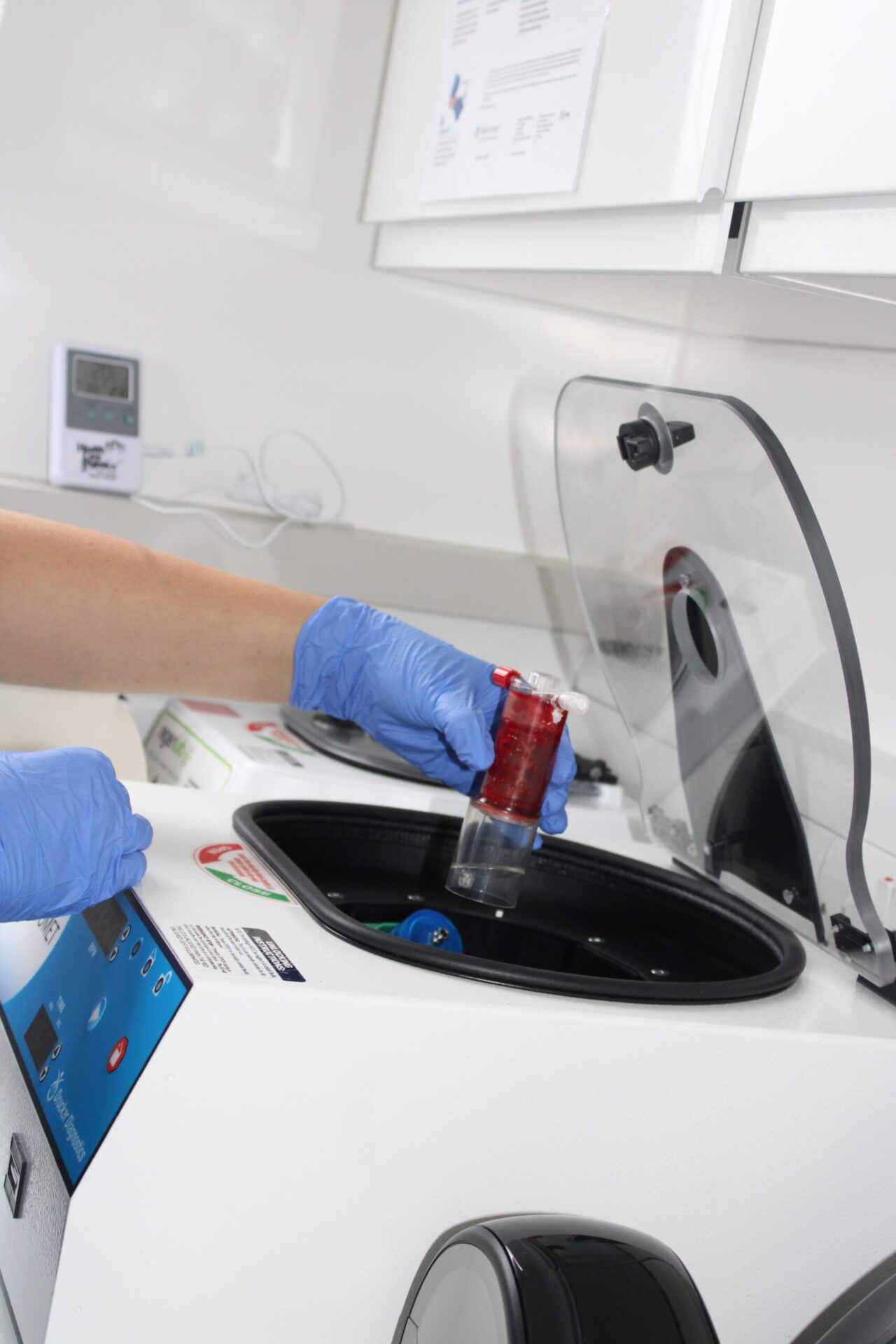
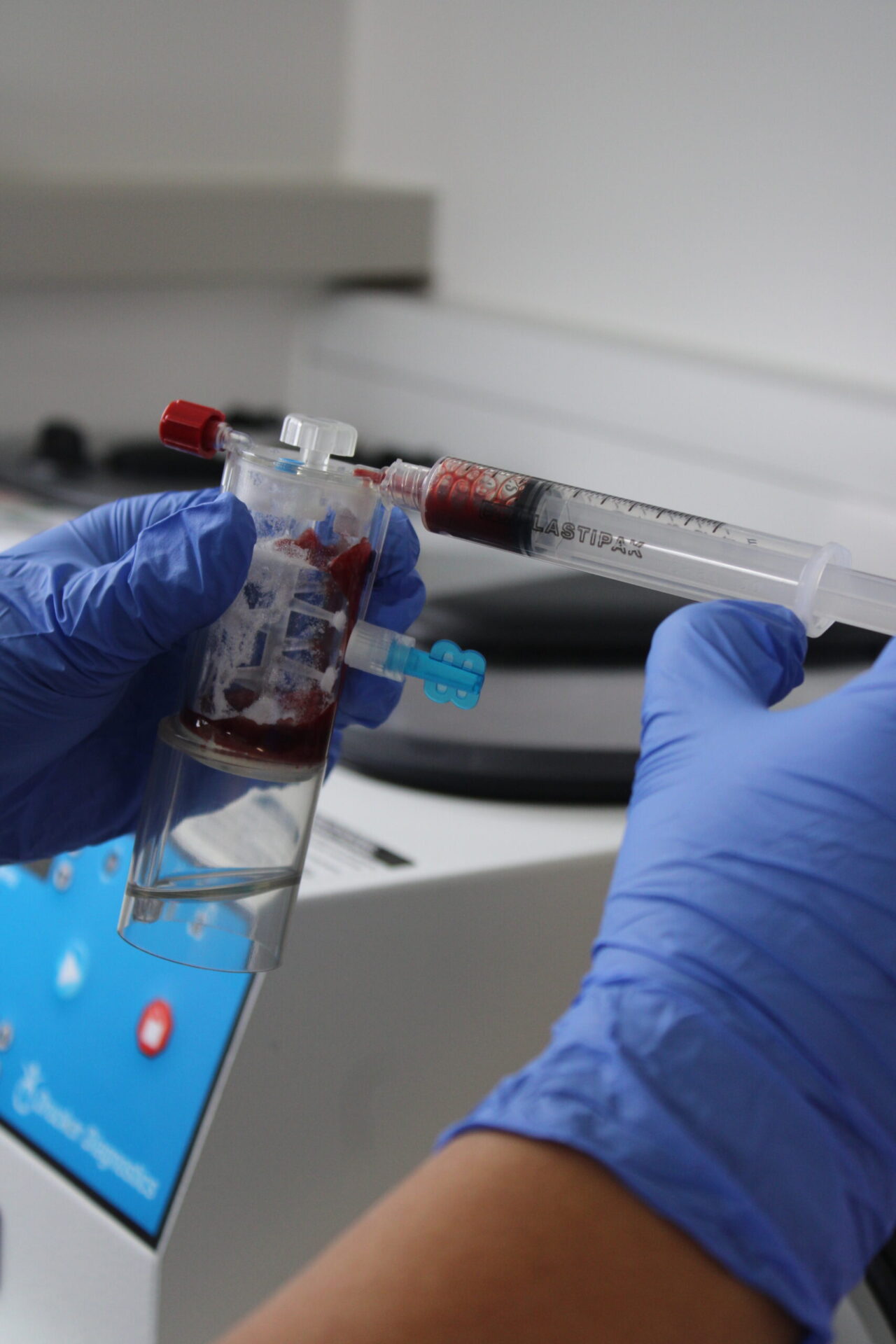
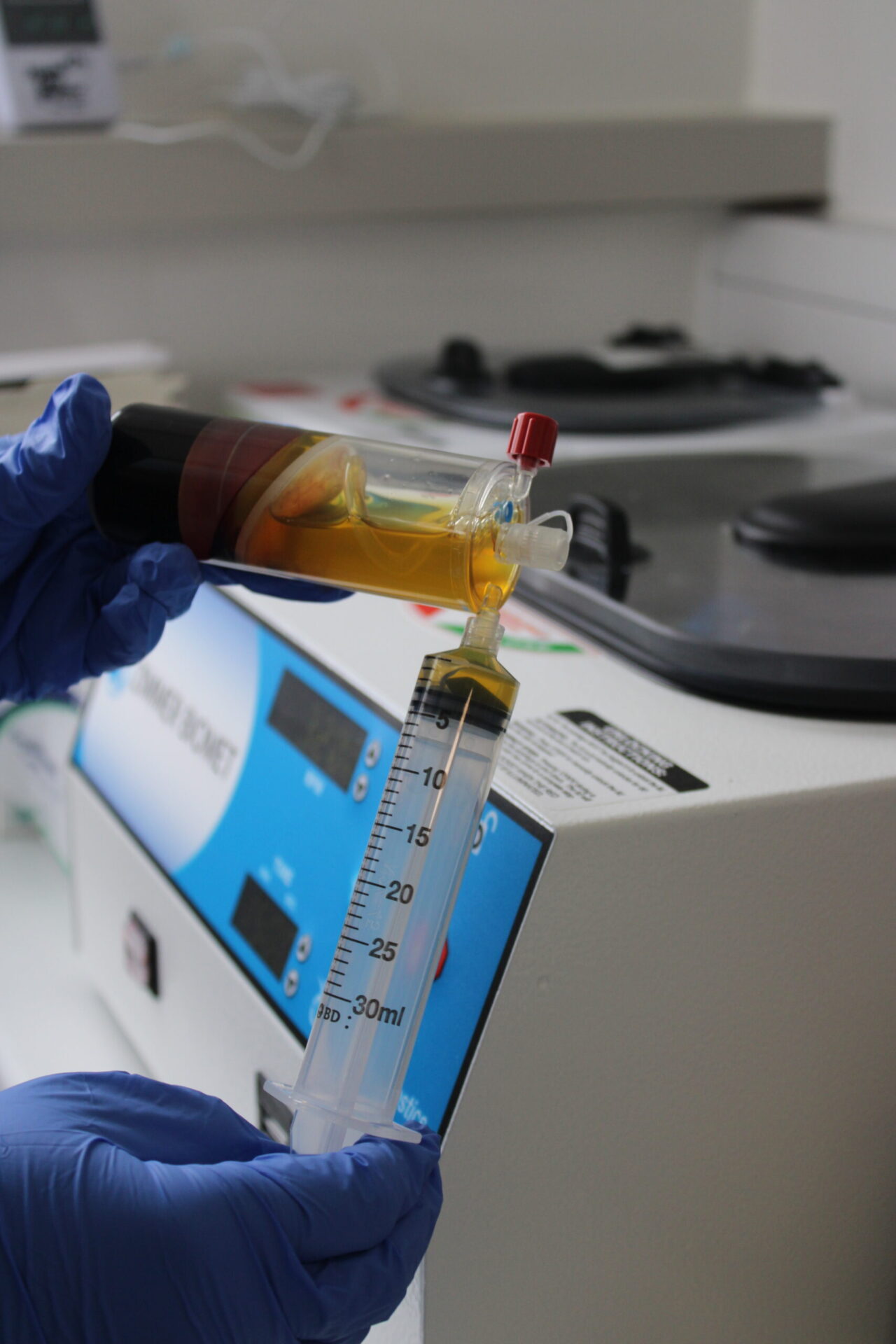
Platelet‑Rich Plasma (PRP) therapy uses a small sample of your blood that is processed to concentrate platelets and growth factors, then injected into the injured area. These biologic signals help reduce inflammation and stimulate tissue repair. PRP is commonly used for tendon and some joint injuries and can offer pain relief and improved mobility for many patients.
Stem cell therapy aims to support tissue regeneration by delivering cells that can modulate inflammation and promote repair. In arthritis care, stem cell treatments may help reduce joint inflammation and support cartilage health. While research is evolving, selected patients have seen meaningful improvements in pain and function when treated carefully and appropriately.
Regenerative orthopaedics can address a wide range of musculoskeletal issues and sports injuries, offering viable alternatives to surgery for many people.
Knee, hip, and shoulder problems can often be managed with targeted injections such as PRP or, where appropriate, stem cell therapies. These treatments aim to reduce inflammation, support tissue repair, and restore function — helping patients move more comfortably and return to normal activities.
Tendon and ligament injuries can respond well to regenerative injections and minimally invasive procedures. PRP delivers concentrated growth factors to encourage healing, while procedures like Tenex use ultrasound guidance to remove damaged tissue and accelerate recovery. Both approaches are designed to relieve pain and help restore strength without open surgery.
Selecting the right provider matters. At Rogers Regenerative Medical Group, we combine clinical expertise with a patient‑first approach to maximize recovery while minimising risk.
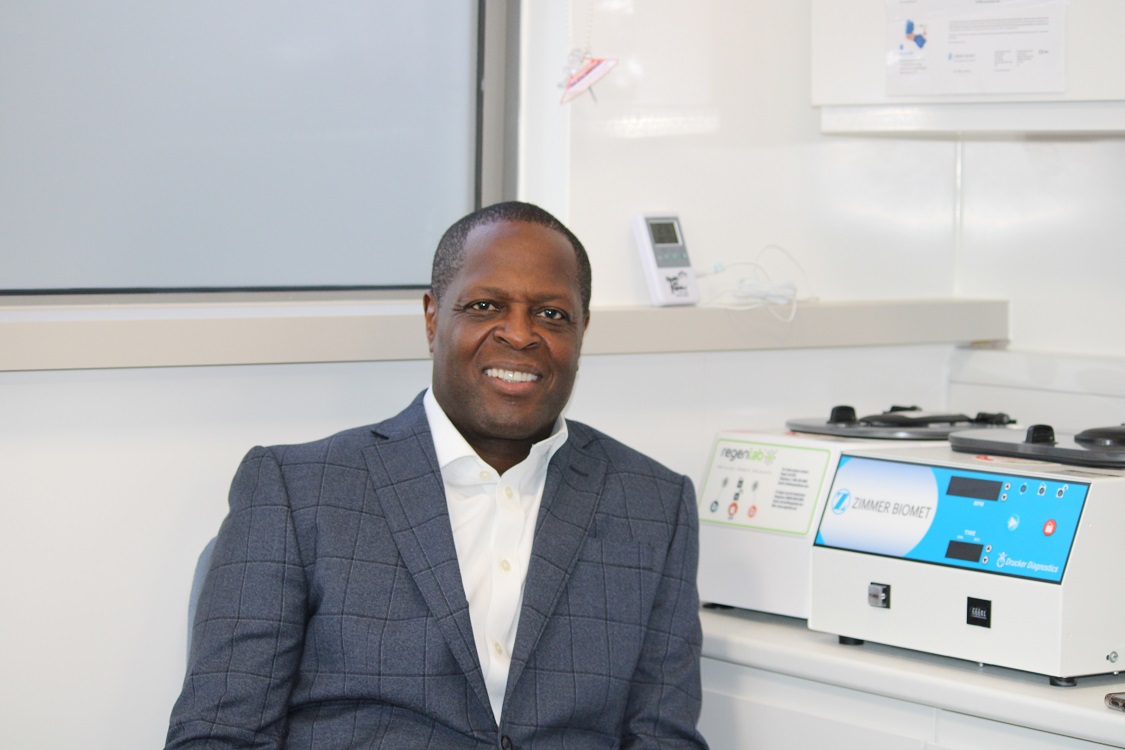
Dr Ralph Rogers brings years of experience in sports medicine and regenerative techniques. His clinical background and hands‑on practice allow him to tailor treatments to each patient’s goals, combining up‑to‑date science with practical care strategies.
We individualise every plan after a thorough assessment of your history, imaging, and functional needs. That often means combining treatments, setting realistic recovery goals, and providing follow‑up support to track progress and adjust care as needed.
Your experience at RRMG is structured, supportive, and focused on clear outcomes — from the first consultation through recovery.
Initial consultations begin with a detailed medical history and physical assessment. We use diagnostic imaging when needed to clarify the problem, then discuss tailored treatment options so you understand the expected benefits, risks, and timeline.
Treatments are delivered in a comfortable clinical setting, usually as minimally invasive injections or outpatient procedures. Recovery varies by treatment and individual factors, but many patients notice improvement within weeks — with ongoing gains over months as healing progresses.
For many patients, regenerative treatments are a sensible alternative to surgery. They focus on restoring natural tissue health rather than replacing or extensively reconstructing it.
Non‑surgical options generally have fewer immediate risks and shorter recovery than major surgery. Surgery may still be necessary in advanced cases, but regenerative approaches can reduce pain, improve function, and minimise the disruption that comes with operative procedures.
By addressing inflammation and promoting tissue repair, regenerative therapies can reduce symptoms and improve joint function — often allowing patients to avoid or postpone surgery while maintaining an active lifestyle.
Different non‑surgical treatments offer specific advantages depending on the condition and patient goals.
| Treatment | Mechanism | Conditions Treated | Expected Outcomes |
|---|---|---|---|
| Platelet-Rich Plasma Therapy | Delivers concentrated growth factors to stimulate repair | Joint and tendon injuries | Reduced pain, improved function |
| Stem Cell Therapy | Supports tissue regeneration and modulates inflammation | Arthritis, joint degeneration | Lower inflammation, potential cartilage support |
| Tenex Procedure | Ultrasound‑guided removal of damaged tissue | Tendon and ligament injuries | Faster recovery, restored function |
Regenerative orthopaedics gives patients effective, less invasive options to manage musculoskeletal conditions and sports injuries. Treatments such as PRP and stem cell therapy aim to shorten recovery and improve function while avoiding many risks of traditional surgery. At Rogers Regenerative Medical Group, we personalise care to your needs so you can get back to the activities that matter. To learn whether regenerative treatment is right for you, explore our services or contact RRMG for a consultation.
Dr Rogers has had a rich and illustrious career so far, which is continuing to grow and develop. Everything Ralph has been involved in since qualifying has added value to his knowledge and experience, but there have been some impressive highlights to note:
2018 – Present Founder Medical Director: Rogers Regenerative Medical Group (RRMG)
2012 – 2024 Medical Advisor – National Basketball Association
2008 – 2018 Medical Director: The London Sports Injury Clinic London
2010-2011 First Team Doctor, Chelsea Football Club
2007- 2010 The Football Association (Team Physician for England under 19 and development squads)
2005-2006 Medical Advisor: Trinidad & Tobago World Cup Football Team
2002 – 2008 Club Doctor: Walsall Football Club, West Midlands England
1998 – 2009 Medical Director: Medical & Orthopaedic Sports Therapy,
2000 – 2005 Sports Physician: Warwickshire County Cricket Club, Birmingham