Optimising performance is a precise, step-by-step process that combines deep knowledge of human physiology with the latest in sports medicine. This piece breaks down the core elements of human performance testing and regenerative treatment options available in London, and explains how targeted programmes help athletes move past injuries and performance plateaus. You’ll learn why advanced assessments matter, how regenerative therapies support recovery, and how tailored plans at Rogers Regenerative Medical Group (RRMG) — led by Dr Ralph Rogers — translate data into meaningful gains on track, pitch or mat.
Human performance testing is a structured evaluation of an athlete’s capabilities — strength, endurance, movement quality and metabolic function. These tests reveal where an athlete is strong, where they’re vulnerable and what to prioritise in training. With objective data, coaches and clinicians build focused programmes that raise performance while lowering injury risk.
VO2 max quantifies the maximum oxygen your body can use during intense exercise — a direct read on aerobic capacity and endurance potential. Lactate threshold testing identifies the point where lactate builds faster than it can be cleared, showing the intensity you can sustain before fatigue accelerates. Together, these tests guide training zones and session design to improve stamina and race-day performance.
Body composition tells you the ratio of lean tissue to fat — a useful marker for energy systems and power-to-weight considerations. Strength and movement screening expose muscular imbalances and compensation patterns that often precede injury. Combining these assessments creates targeted interventions to strengthen weaknesses and make an athlete more resilient under load.
Regenerative sports medicine aims to restore tissue health and optimise recovery with minimally invasive, biology-driven treatments. By accelerating healing and improving tissue quality, these approaches support quicker returns to training and better long-term function — especially when paired with progressive rehabilitation.
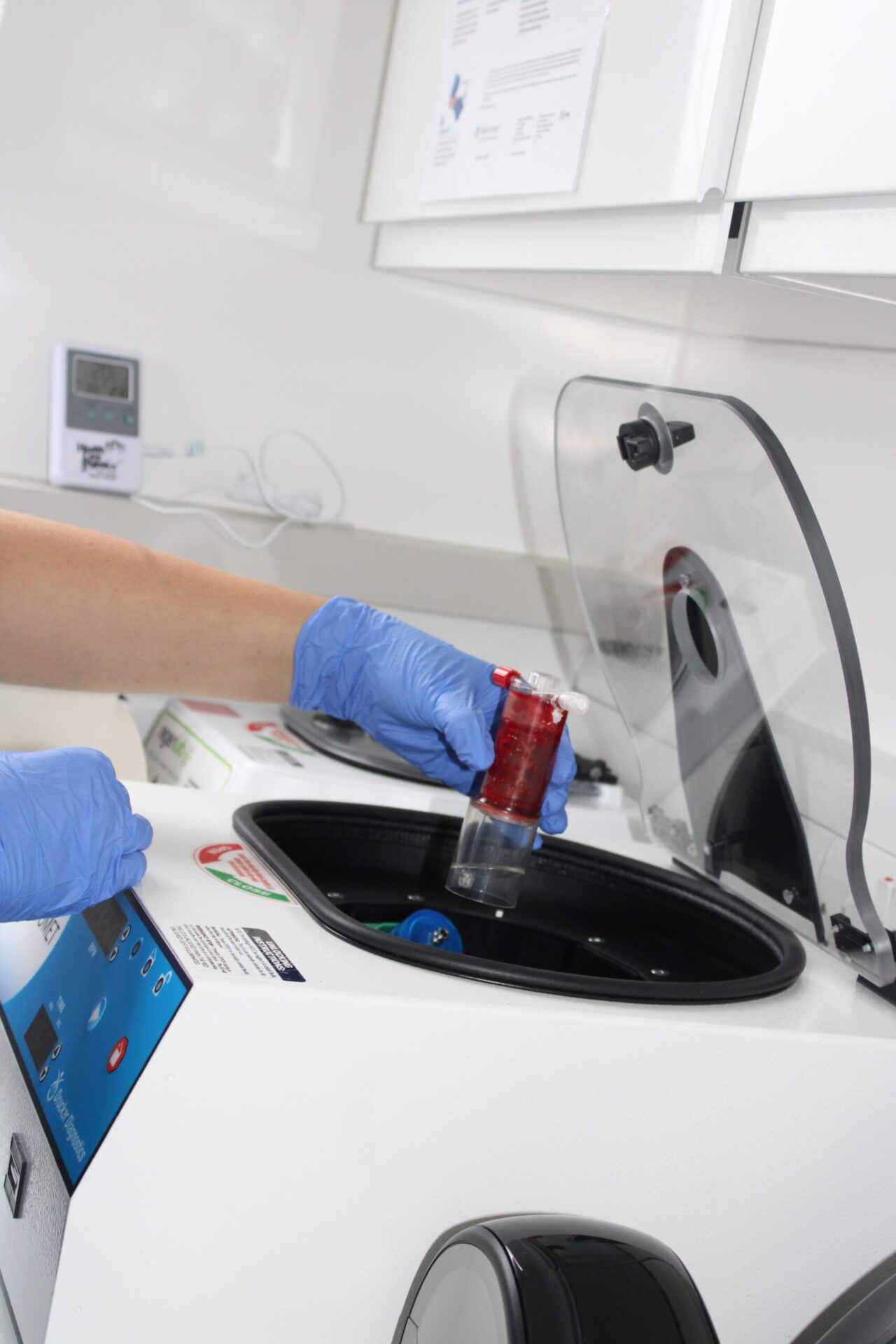
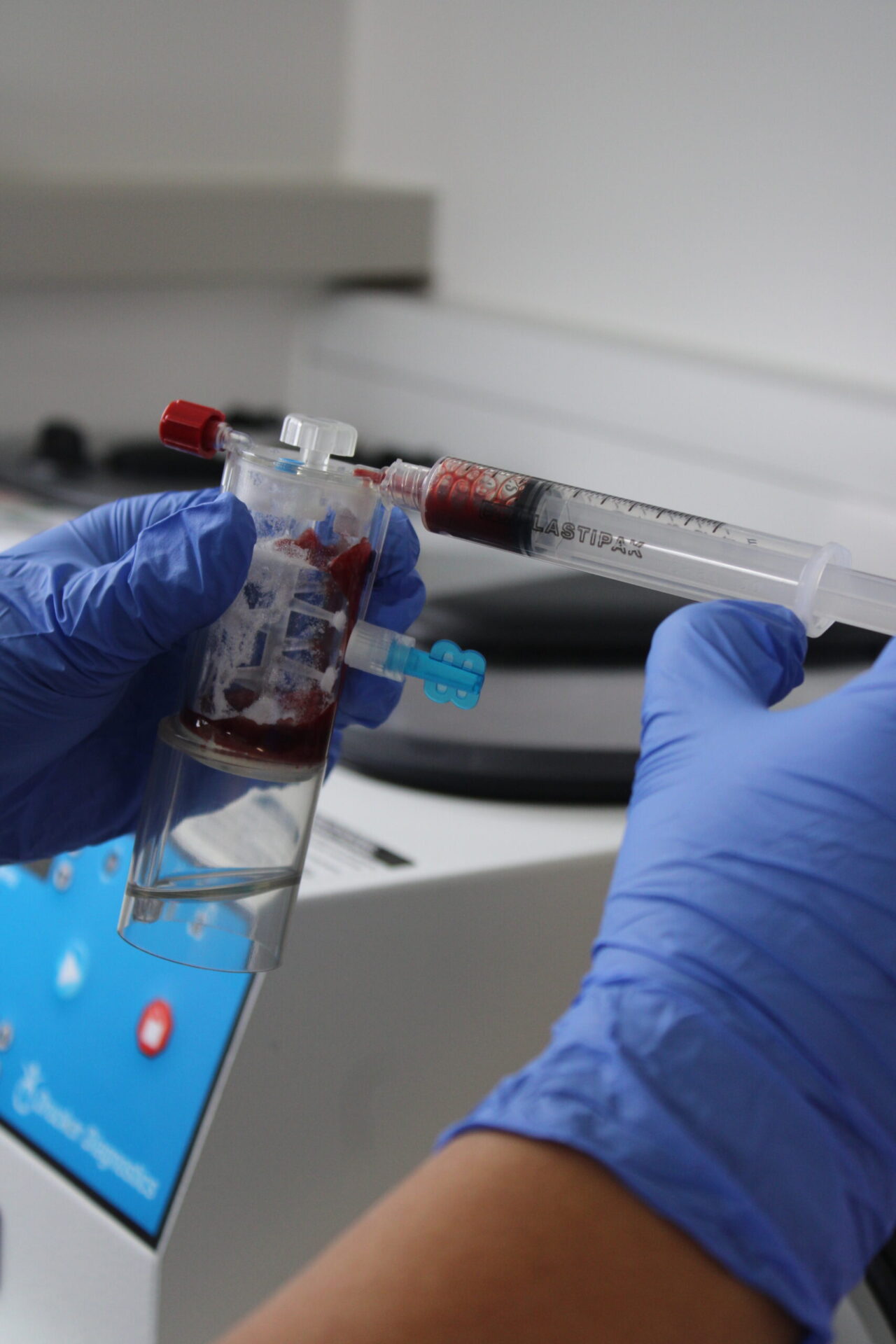
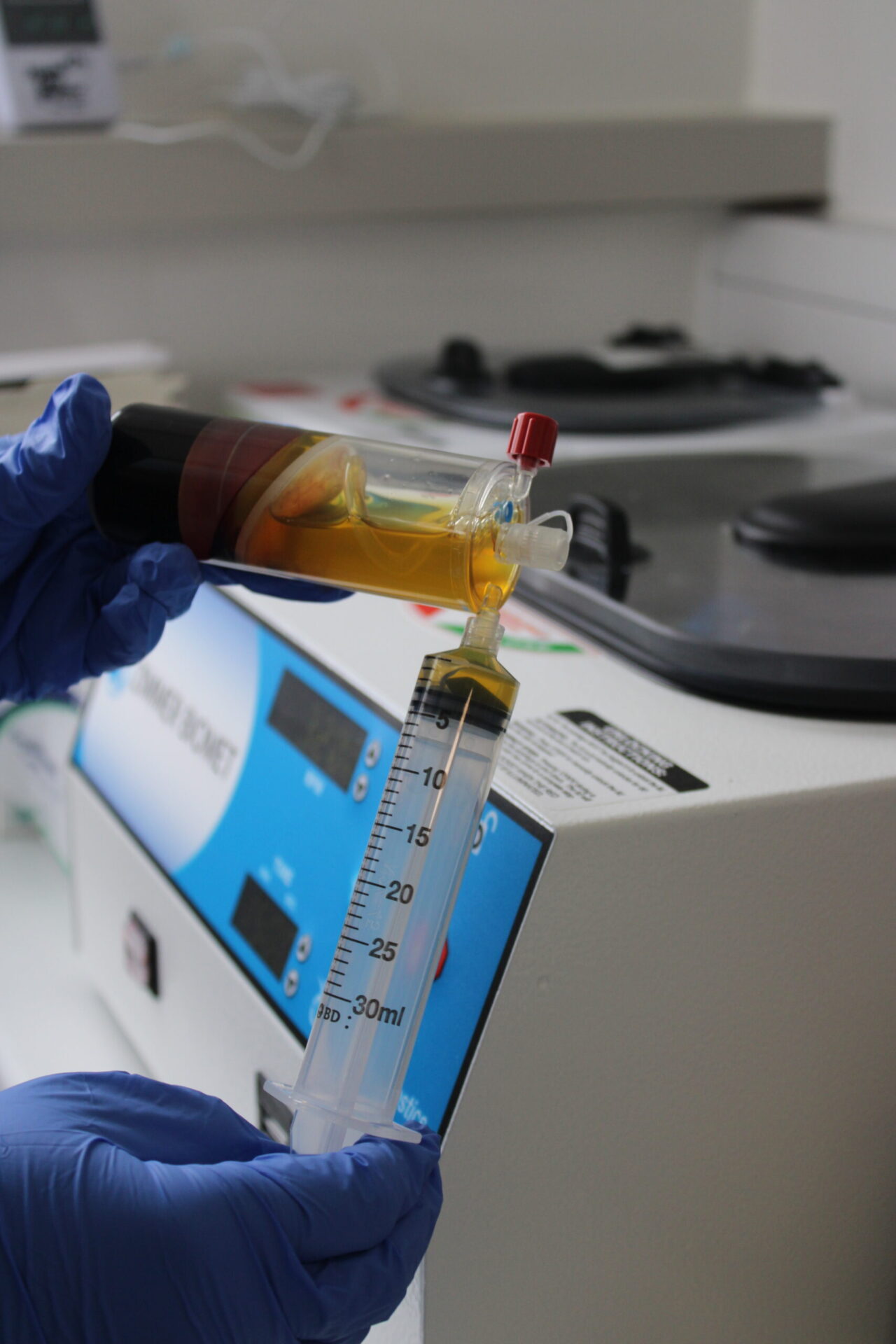
Platelet‑Rich Plasma (PRP) delivers concentrated growth factors from the patient’s own blood to an injured area, promoting tissue repair and reducing inflammation. Stem cell therapies aim to support regeneration of damaged tissues by harnessing progenitor cells. Both treatments can shorten recovery timelines and improve tissue quality; stem cell approaches are evolving and supported by a growing, though still maturing, evidence base.
Non-surgical care — targeted physiotherapy, load-managed rehabilitation and adjunctive modalities — focuses on restoring function while avoiding the risks of invasive procedures. Personalised rehab protocols accelerate safe return to sport and build the durability athletes need to perform at their best.
RRMG provides a suite of performance assessments that give clear, actionable insights across fitness, movement and recovery. These tests help athletes and their support teams make evidence-based decisions about training, recovery strategies and on-field readiness.
At RRMG, VO2 max testing delivers precise aerobic capacity metrics that inform interval prescription, pacing strategy and endurance programming. Knowing your VO2 max helps coaches design sessions that incrementally shift your aerobic ceiling.
Strength and flexibility testing pinpoints asymmetries and restricted ranges that elevate injury risk. Addressing those deficits with targeted strength and mobility work reduces vulnerability and improves transfer of force during sport-specific movements.
Integrated programmes at RRMG combine testing, individualised training, nutrition and recovery planning. Each plan is shaped by assessment data and adjusted over time to reflect progress, competition schedules and injury history.
Personalised plans begin with comprehensive baseline testing. From that data, clinicians and coaches set priorities, prescribe sessions and monitor progress. Plans evolve with follow‑up assessments to ensure training remains targeted and effective.
Nutrition fuels training, supports recovery and influences body composition. Metabolic health assessments help tailor macronutrient balance, hydration and meal timing so athletes hit training targets, recover efficiently and maintain ideal competition weight and energy levels.
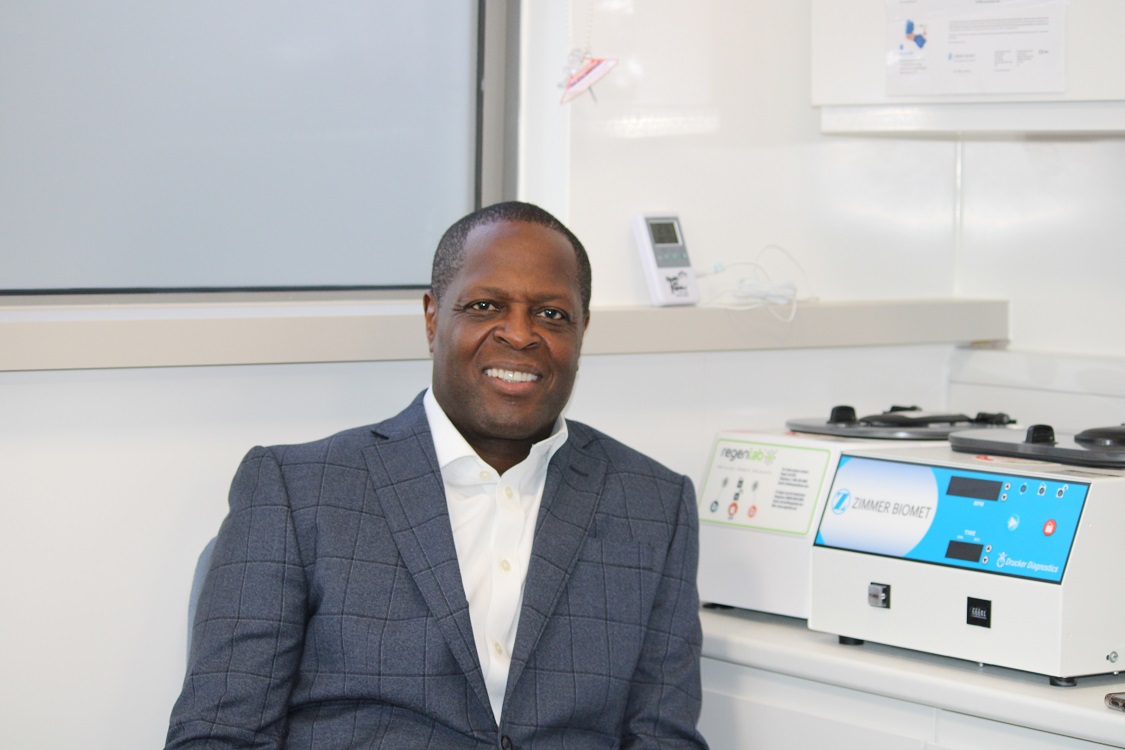
Dr Ralph Rogers combines decades of experience in regenerative orthopaedics and sports medicine with a practical, athlete-first approach. His clinic integrates cutting-edge treatments with performance testing and rehab — giving athletes a single, consistent pathway from diagnosis to return to play.
Dr Rogers has worked with high-level athletes across multiple sports, giving him a clear understanding of competitive demands and recovery timelines. His experience with regenerative therapies and non‑operative care informs pragmatic, evidence-based treatment plans tailored to performance outcomes.
RRMG focuses on personalised, minimally invasive care that prioritises function and return to sport. By combining regenerative options with structured rehabilitation and performance coaching, athletes access treatments designed to heal tissue and restore sport‑specific capability without unnecessary surgery.
Different regenerative options offer distinct mechanisms and outcomes; choosing the right approach depends on the injury, the athlete’s goals and the available evidence.
| Treatment Type | Mechanism | Benefits | Evidence Level |
|---|---|---|---|
| PRP Therapy | Delivers concentrated growth factors from the patient’s blood | Speeds healing, reduces inflammation, supports tissue repair | Moderate to high (clinical studies) |
| Stem Cell Therapy | Uses regenerative cells to support tissue regeneration | Can promote tissue repair and improve recovery quality | Moderate (emerging research) |
| Non-Surgical Treatments | Rehabilitation-focused approaches and biologic adjuncts | Restores function, reduces recovery time, lowers surgical need | Moderate (clinical practice) |
Advanced testing gives athletes the clarity to train smarter and stay healthier.
These advantages show how thorough assessment underpins sustained athletic development and safer progression through training loads.
Optimising athletic performance in London demands a joined-up approach: rigorous assessment, targeted training, and regenerative options when tissue repair is required. By combining personalised testing with evidence-based therapies, athletes can recover better and perform at higher levels. Under the care of Dr Ralph Rogers and the RRMG team, you get an integrated pathway from evaluation to return to play — focused, practical and designed around your goals.
Human performance is built on clear data and pragmatic care. With tailored testing, focused rehabilitation and selective regenerative treatments, RRMG helps athletes unlock durable performance gains while reducing injury risk. If you’re ready to refine your training, recover faster or tackle a persistent problem, explore our services and see how a personalised plan can move you forward.
Dr Rogers has had a rich and illustrious career so far, which is continuing to grow and develop. Everything Ralph has been involved in since qualifying has added value to his knowledge and experience, but there have been some impressive highlights to note:
2018 – Present Founder Medical Director: Rogers Regenerative Medical Group (RRMG)
2012 – 2024 Medical Advisor – National Basketball Association
2008 – 2018 Medical Director: The London Sports Injury Clinic London
2010-2011 First Team Doctor, Chelsea Football Club
2007- 2010 The Football Association (Team Physician for England under 19 and development squads)
2005-2006 Medical Advisor: Trinidad & Tobago World Cup Football Team
2002 – 2008 Club Doctor: Walsall Football Club, West Midlands England
1998 – 2009 Medical Director: Medical & Orthopaedic Sports Therapy,
2000 – 2005 Sports Physician: Warwickshire County Cricket Club, Birmingham