Reading Time: mins
Meniscus tears are a frequent source of knee pain and can limit day‑to‑day movement. Knowing what causes these injuries and which treatments are available makes it easier to choose the right path to recovery. This guide highlights non‑surgical meniscus repair options available in Wimbledon — from diagnosis to regenerative therapies — so you can understand realistic alternatives to surgery. We also cover supportive therapies, what to expect from treatment, and how Rogers Regenerative Medical Group tailors plans to help you get back to the activities you enjoy.
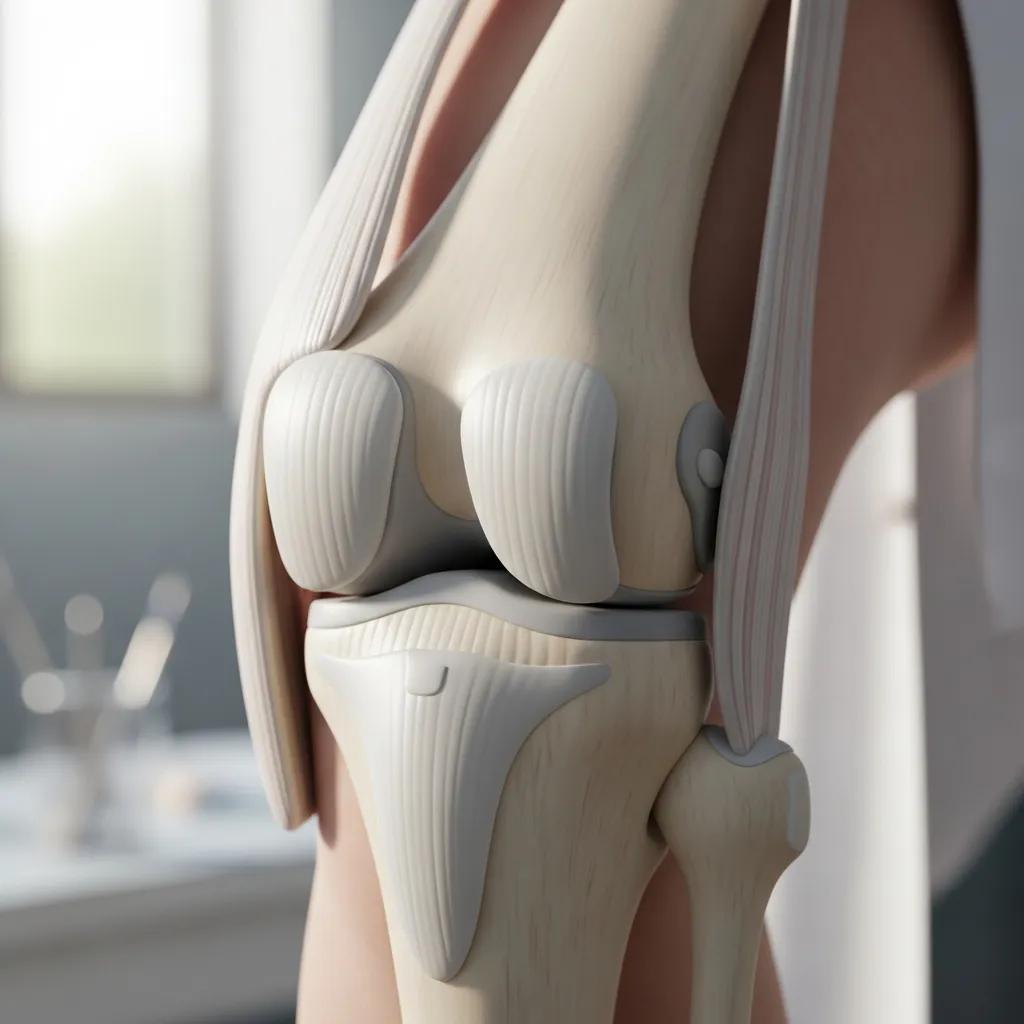
A meniscus tear is a split or damage to the shock‑absorbing cartilage inside the knee. Tears can happen suddenly — often with twisting or impact — or develop gradually as the tissue weakens with age. Symptoms usually include pain, swelling, catching, or a reduced range of motion. Accurate assessment of the tear type and location is key to choosing non‑surgical care that supports healing and preserves knee function.
Meniscus tears come in several patterns: horizontal, vertical (longitudinal), radial, flap, and complex tears that combine forms. Horizontal tears run parallel to the meniscus surface; vertical tears run top to bottom; radial tears extend from the inner edge outward; flap tears create loose fragments. Causes range from sports injuries and abrupt twisting to age‑related degeneration. Each pattern affects stability and movement differently, so identifying the type helps guide treatment choices.
Diagnosis usually blends a focused clinical exam with imaging. We use tests like the McMurray and Apley maneuvers and check for joint‑line tenderness to assess pain and stability. MRI is the preferred imaging tool to visualize the meniscus and measure the tear’s size and location. Together, exam findings and imaging direct the best non‑surgical strategy for each patient.
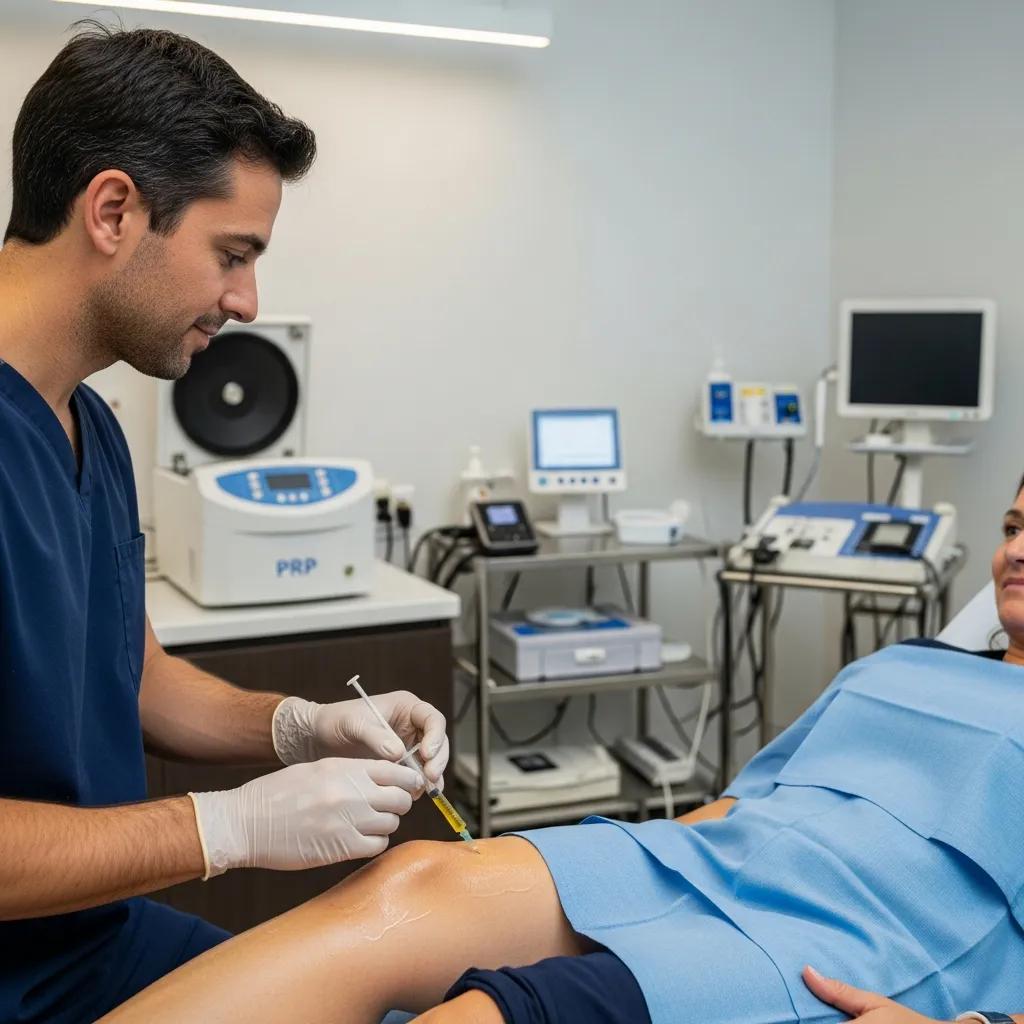
Regenerative treatments aim to stimulate the body’s own repair processes to help the meniscus and surrounding tissues recover. These options can reduce pain, improve function, and in some cases delay or avoid surgery by supporting tissue healing rather than removing damaged tissue.
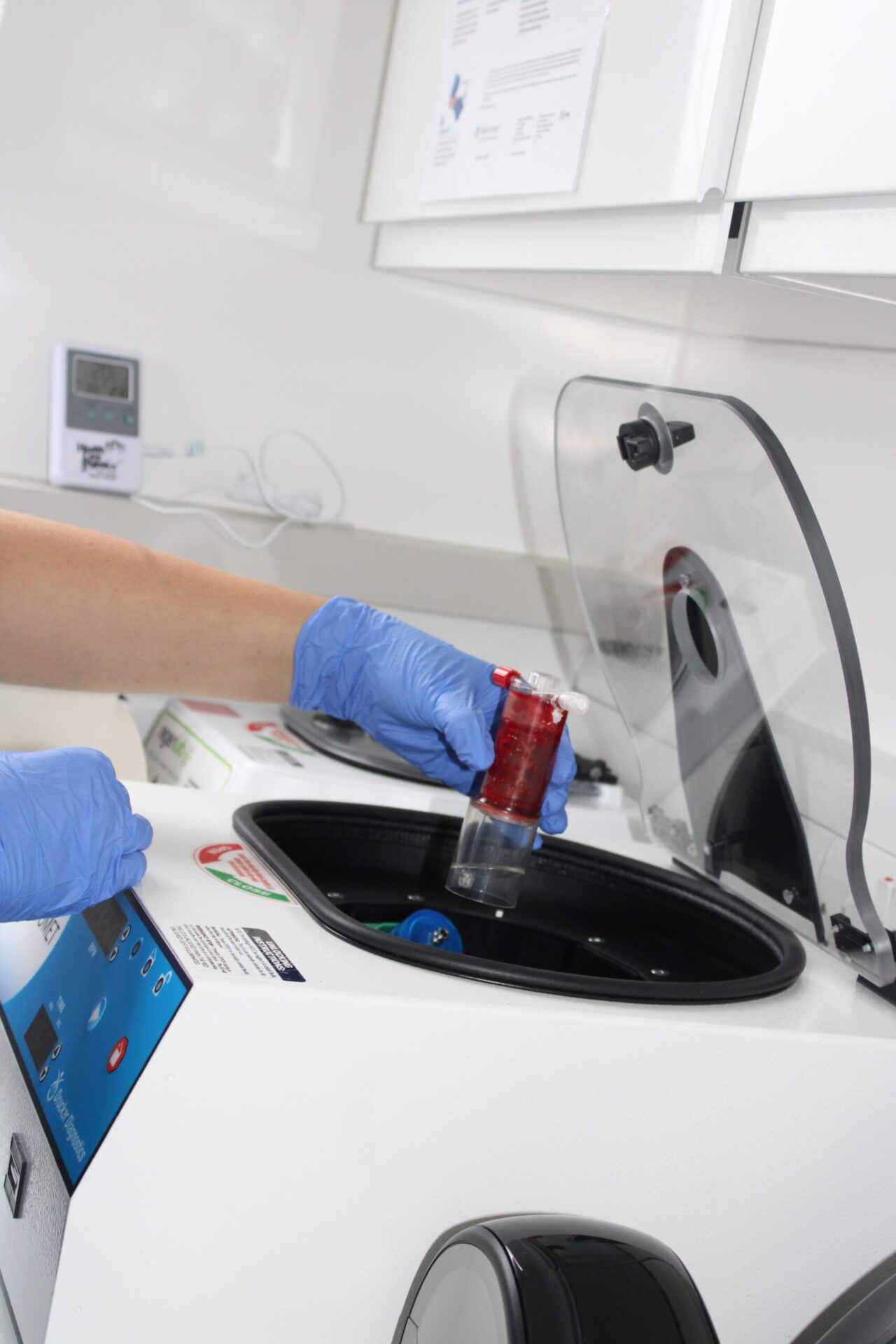
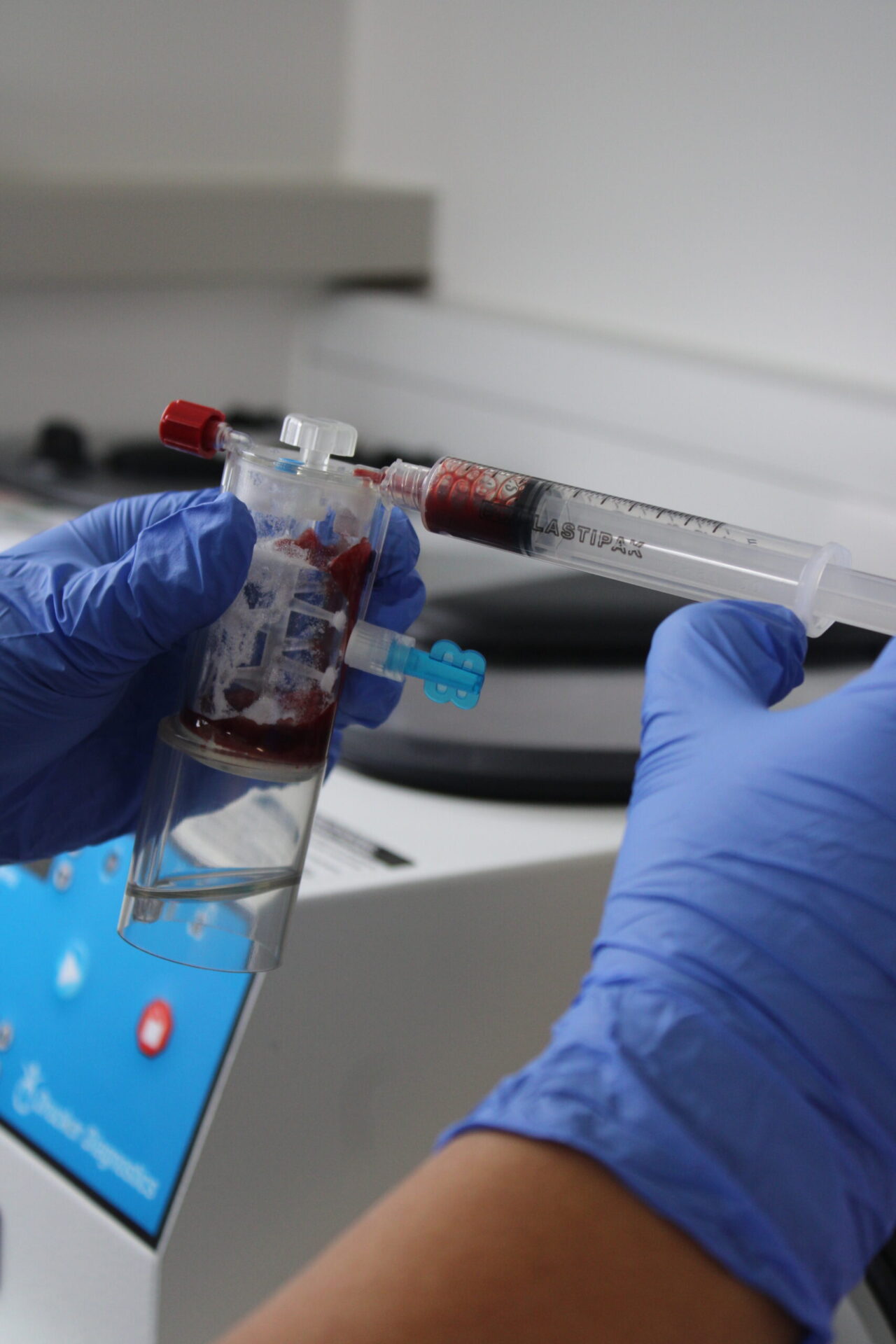
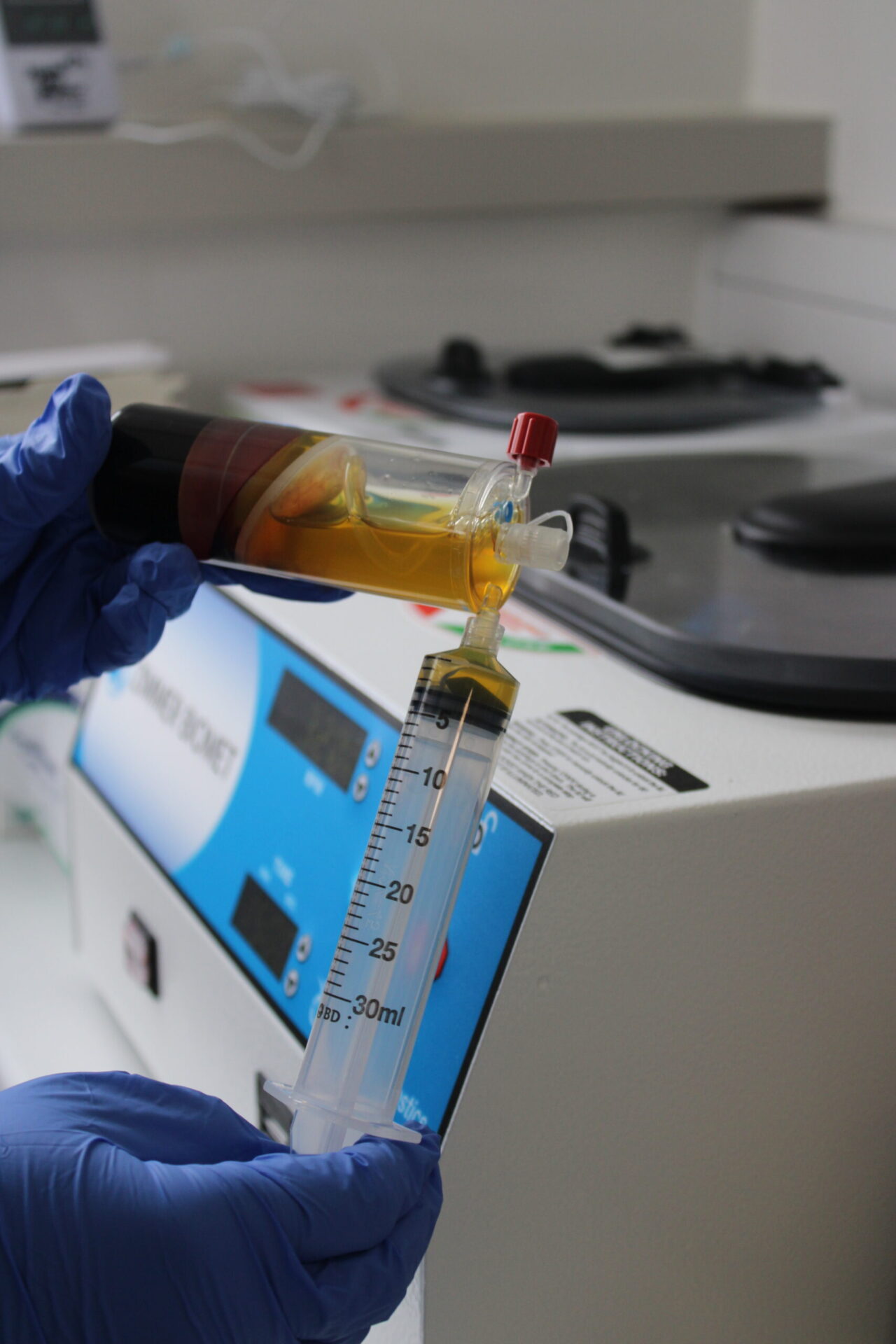
Platelet‑Rich Plasma (PRP) uses a concentrated portion of your own blood rich in growth factors. After a small blood draw and processing, the PRP is injected into the injured area to encourage tissue repair and reduce inflammation. Many patients experience pain relief and better mobility after PRP, though outcomes vary and ongoing research continues to refine who benefits most.
Lipogems uses processed adipose (fat) tissue, which contains regenerative cells and supportive factors, and injects it into the knee to promote healing and reduce inflammation. The fat is harvested from the patient, gently processed, and reintroduced to the joint. Early clinical experience and patient reports show decreased pain and improved function for some individuals, while larger studies continue to clarify long‑term results.
| Therapy Type | Mechanism | Expected Outcomes |
|---|---|---|
| Platelet-Rich Plasma Therapy | Delivers concentrated growth factors to stimulate tissue repair | Less pain, gradual improvement in function |
| Lipogems Stem Cell Treatment | Uses processed adipose tissue to support cartilage repair and reduce inflammation | Pain relief, improved mobility for some patients |
| Ostenil Injections | Restores joint lubrication and cushioning | Improved joint comfort, reduced stiffness |
Complementary approaches are often essential to a successful non‑surgical plan. They strengthen the knee, manage symptoms, and help regenerative treatments work more effectively so you can return to normal activities with less pain and better stability.
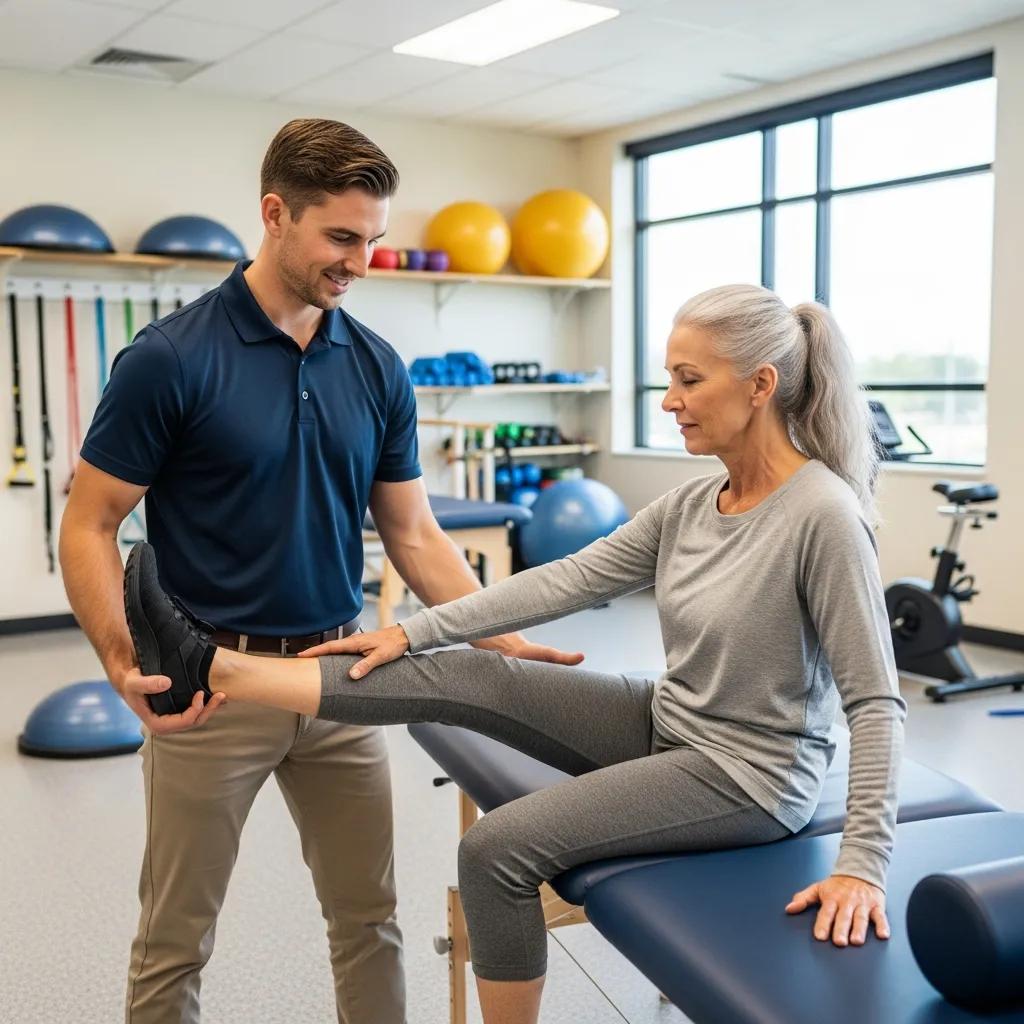
Physiotherapy restores strength, flexibility, and balance after a meniscus injury. A personalised exercise program focuses on range of motion, quad and hip strengthening, and proprioception — all aimed at supporting the joint and reducing strain on the meniscus. Consistent rehabilitation is a cornerstone of non‑surgical recovery.
Pain control — including short‑term anti‑inflammatories, ice, and targeted injections — helps you stay active and participate in rehab. Knee braces can stabilise the joint during recovery and protect against further damage while tissues heal. Combined, these measures make regenerative and exercise programs safer and more effective.
Rogers Regenerative Medical Group (RRMG) specialises in non‑surgical orthopaedics and sports medicine, focusing on treatments that promote tissue repair and functional recovery. Our approach pairs proven regenerative techniques with personalised rehabilitation plans to support lasting improvement.
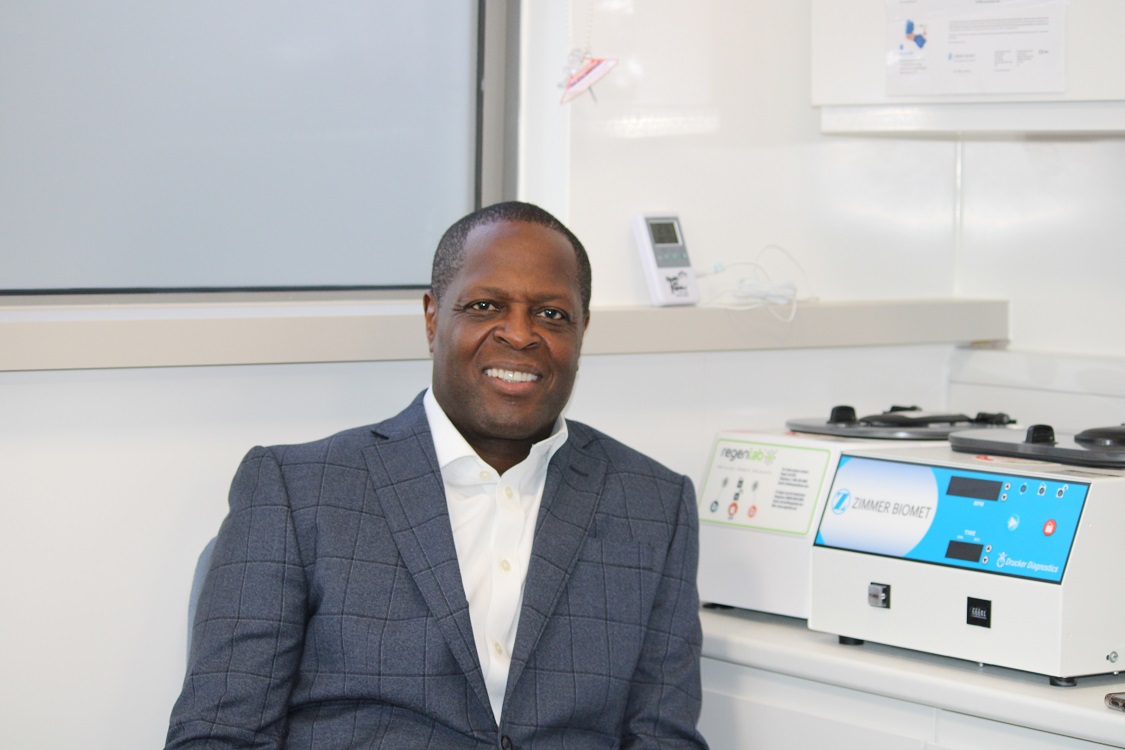
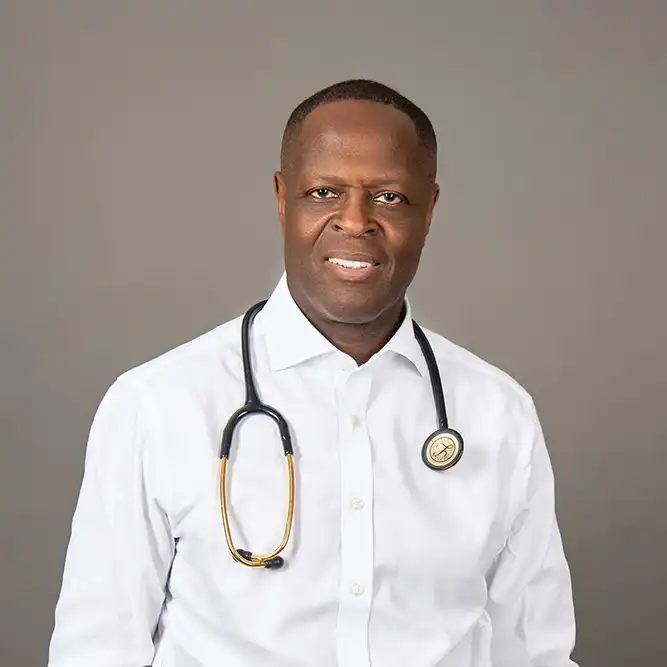
Dr. Ralph Rogers brings more than 25 years in regenerative medicine and sports orthopaedics, with deep experience in PRP, adipose‑derived therapies, and minimally invasive approaches. He combines clinical evidence with individualised care plans so each patient receives the most appropriate, evidence‑informed treatment.
Patients treated at RRMG often report meaningful reductions in pain and gains in mobility after non‑surgical care. These success stories reflect a commitment to personalised treatment, careful follow‑up, and combining regenerative therapies with targeted rehabilitation to achieve real‑world improvements.
Non‑surgical approaches can offer shorter recovery times, fewer procedural risks, and preservation of the native meniscus — which helps long‑term joint health. For many patients, these benefits make regenerative treatment and conservative care attractive alternatives to immediate surgery.
Some tears — particularly small ones in the outer third of the meniscus where blood supply is better — can heal with conservative care. Regenerative treatments and rehabilitation can support this natural healing process. Careful monitoring and appropriate adjustments to activity and therapy are important to achieve the best outcome.
Recovery varies by tear severity and the chosen therapy. Many patients notice pain relief and functional gains within a few weeks to a couple of months, while full recovery and tissue remodelling can take several months. Regular follow‑up and adherence to rehab plans help optimise results.
Getting started at Rogers Regenerative Medical Group is straightforward. We prioritise clear assessment, individualised planning, and ongoing support so you understand each step of care and what to expect during recovery.
Your journey begins with a detailed consultation and clinical assessment, including imaging when needed. From there we design a tailored plan that may combine regenerative injections, physiotherapy, symptom management, and activity guidance. We steadily track progress and adjust treatment to help you reach your goals.
To schedule a consultation at RRMG, contact our clinic directly. During the appointment we’ll review your history, symptoms, and imaging, discuss suitable non‑surgical options, and outline realistic expectations so you can make an informed choice about your care.
Non‑surgical meniscus repair can be an effective path to reduced pain and improved knee function for many patients. By understanding the available regenerative therapies and combining them with focused rehabilitation, you can make an informed choice that aligns with your goals. If you’re considering non‑surgical care, contact Rogers Regenerative Medical Group to arrange a consultation and learn how a personalised plan could support your recovery.
Dr Rogers has had a rich and illustrious career so far, which is continuing to grow and develop. Everything Ralph has been involved in since qualifying has added value to his knowledge and experience, but there have been some impressive highlights to note:
2018 – Present Founder Medical Director: Rogers Regenerative Medical Group (RRMG)
2012 – 2024 Medical Advisor – National Basketball Association
2008 – 2018 Medical Director: The London Sports Injury Clinic London
2010-2011 First Team Doctor, Chelsea Football Club
2007- 2010 The Football Association (Team Physician for England under 19 and development squads)
2005-2006 Medical Advisor: Trinidad & Tobago World Cup Football Team
2002 – 2008 Club Doctor: Walsall Football Club, West Midlands England
1998 – 2009 Medical Director: Medical & Orthopaedic Sports Therapy,
2000 – 2005 Sports Physician: Warwickshire County Cricket Club, Birmingham