Reading Time: mins
Regenerative orthopaedics is changing how we treat joint pain and sports injuries in Fulham by offering non‑surgical options that support the body’s own healing. Below we explain how these therapies work, the benefits patients typically see, the non‑surgical treatments available, and how Rogers Regenerative Medical Group (RRMG) approaches care to improve recovery and quality of life.
Regenerative orthopaedics focuses on repairing and rebuilding damaged musculoskeletal tissues using treatments that encourage natural healing. Rather than immediately turning to surgery, these approaches use targeted, evidence‑informed techniques to stimulate tissue repair and restore function.
For many patients this means less downtime, fewer complications, and a faster return to everyday activities compared with traditional surgery. Because treatments are often minimally invasive and tailored to the individual, they can be a safer, more convenient option for people seeking effective relief.
Regenerative medicine works by using the body’s own biological materials — platelets, stem cells and growth factors — to jump‑start repair processes. Stem cells can transform into different tissue types, helping to rebuild cartilage, tendons and ligaments, while growth factors support tissue quality and resilience.
These therapies also encourage the local production of proteins and signals needed for repair, which can be particularly helpful for conditions such as osteoarthritis and tendon injuries where conventional treatments may not fully restore tissue health. The result can be faster recovery and more durable outcomes.
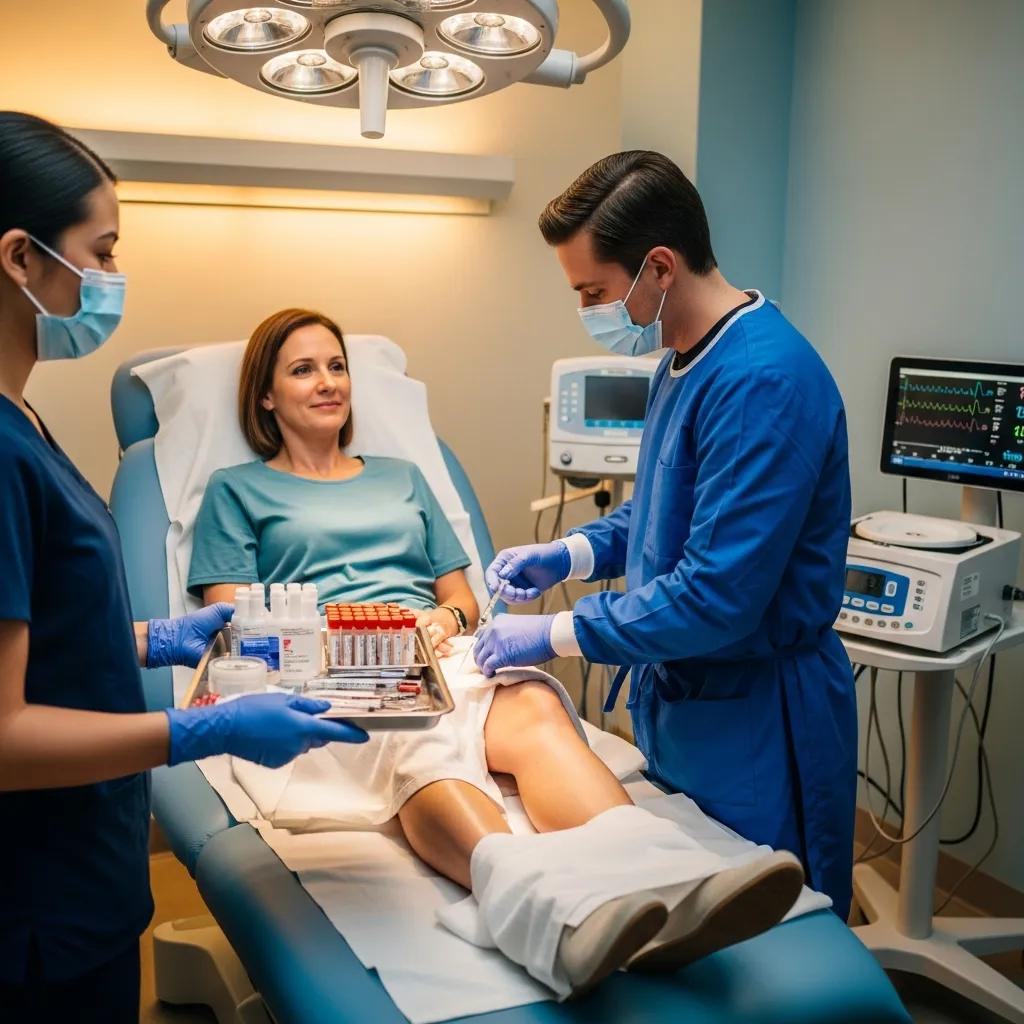
Non‑surgical regenerative treatments are less invasive, which reduces tissue trauma and lowers the risk of complications. Patients frequently return to their normal routine sooner than they would after an operation.
These procedures are often performed on an outpatient basis, with shorter recovery times and fewer hospital requirements — a practical advantage for busy lives. Because treatments can be customised to each patient’s condition and goals, we can target care precisely and maximise the chances of a good recovery.
Regenerative orthopaedics can address a wide range of joint and sports injuries. Common conditions treated non‑surgically include osteoarthritis, tendonitis and ligament sprains — all of which can cause pain, limit movement and affect daily life.
Rogers Regenerative Medical Group specialises in personalised, non‑surgical care for musculoskeletal problems, aiming to speed recovery, reduce pain and help patients get back to the activities they enjoy.
At Rogers Regenerative Medical Group we treat a variety of musculoskeletal issues using advanced regenerative methods. These include:
With focused, non‑surgical strategies we help patients restore function and relieve pain while avoiding invasive procedures where possible.
Early arthritis and tendon injuries respond well to a combined approach of regenerative therapies and practical lifestyle measures. Treatments like Platelet‑Rich Plasma (PRP) and targeted stem cell injections reduce inflammation and support tissue repair.
We also emphasise rehabilitation — specifically physiotherapy and exercise to strengthen surrounding muscles and stabilise joints. This integrated plan treats symptoms now and lowers the risk of recurrence, supporting long‑term joint health.
Rogers Regenerative Medical Group provides a range of non‑surgical options designed to harness the body’s repair mechanisms and restore function for people with joint pain and sports injuries.
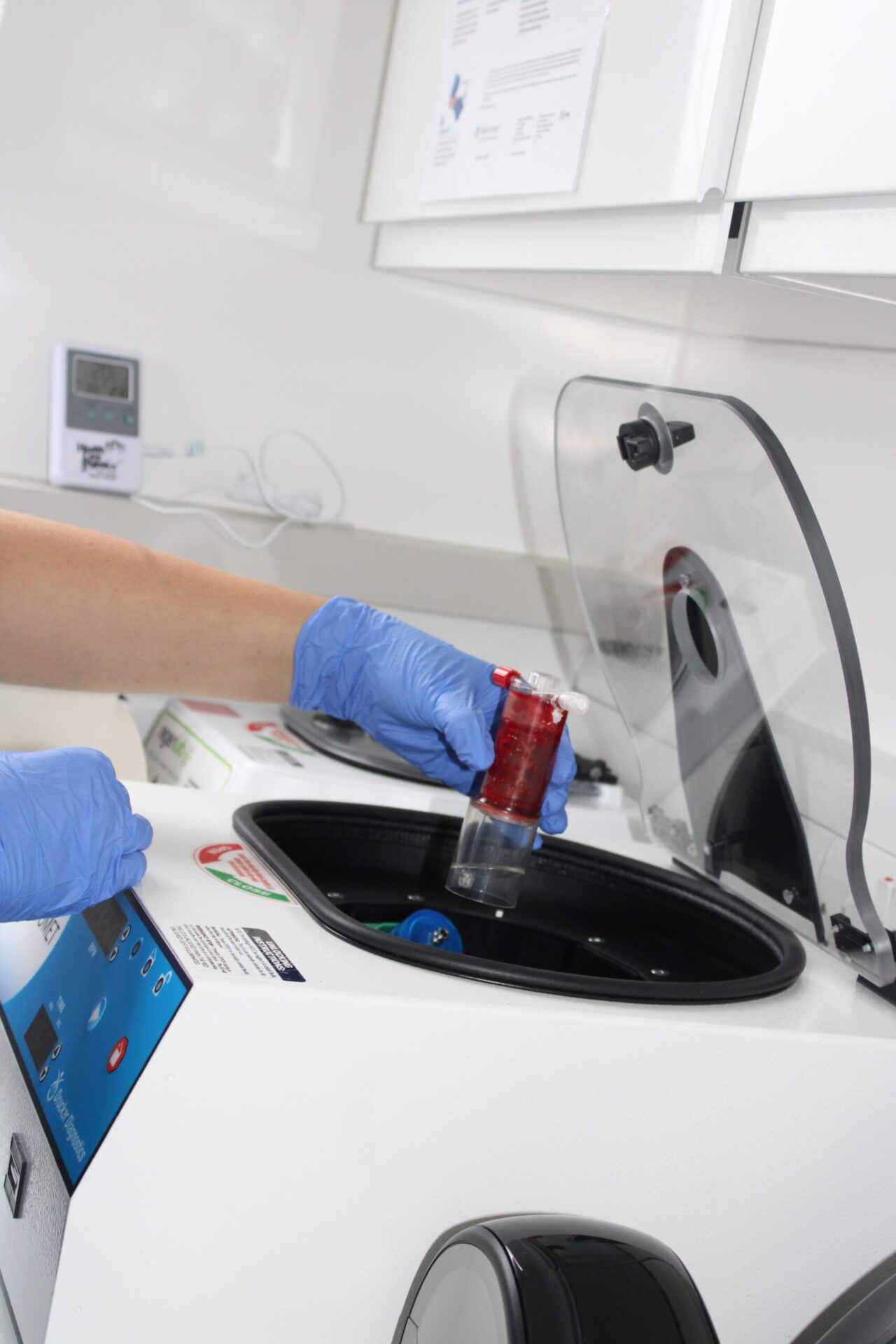
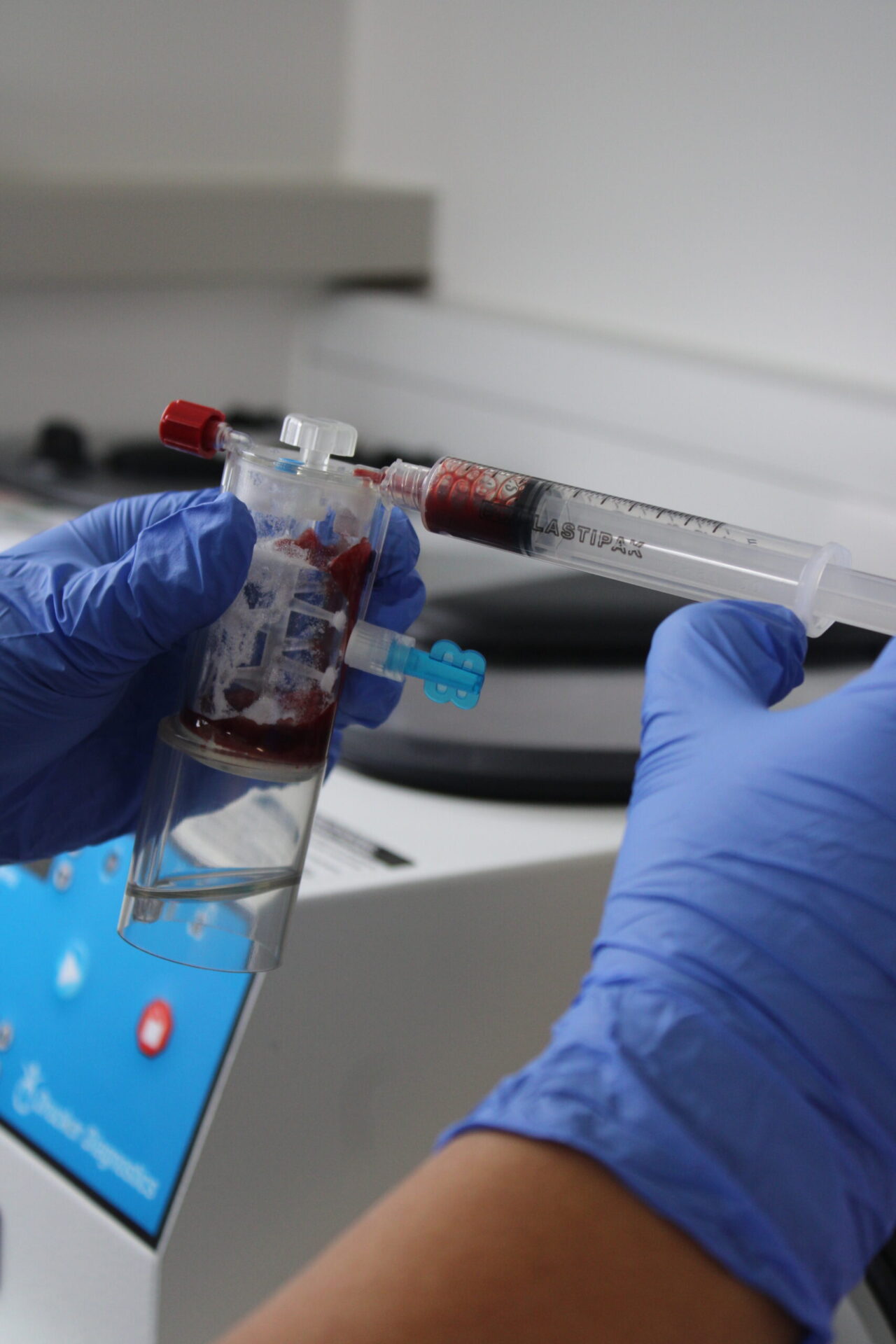
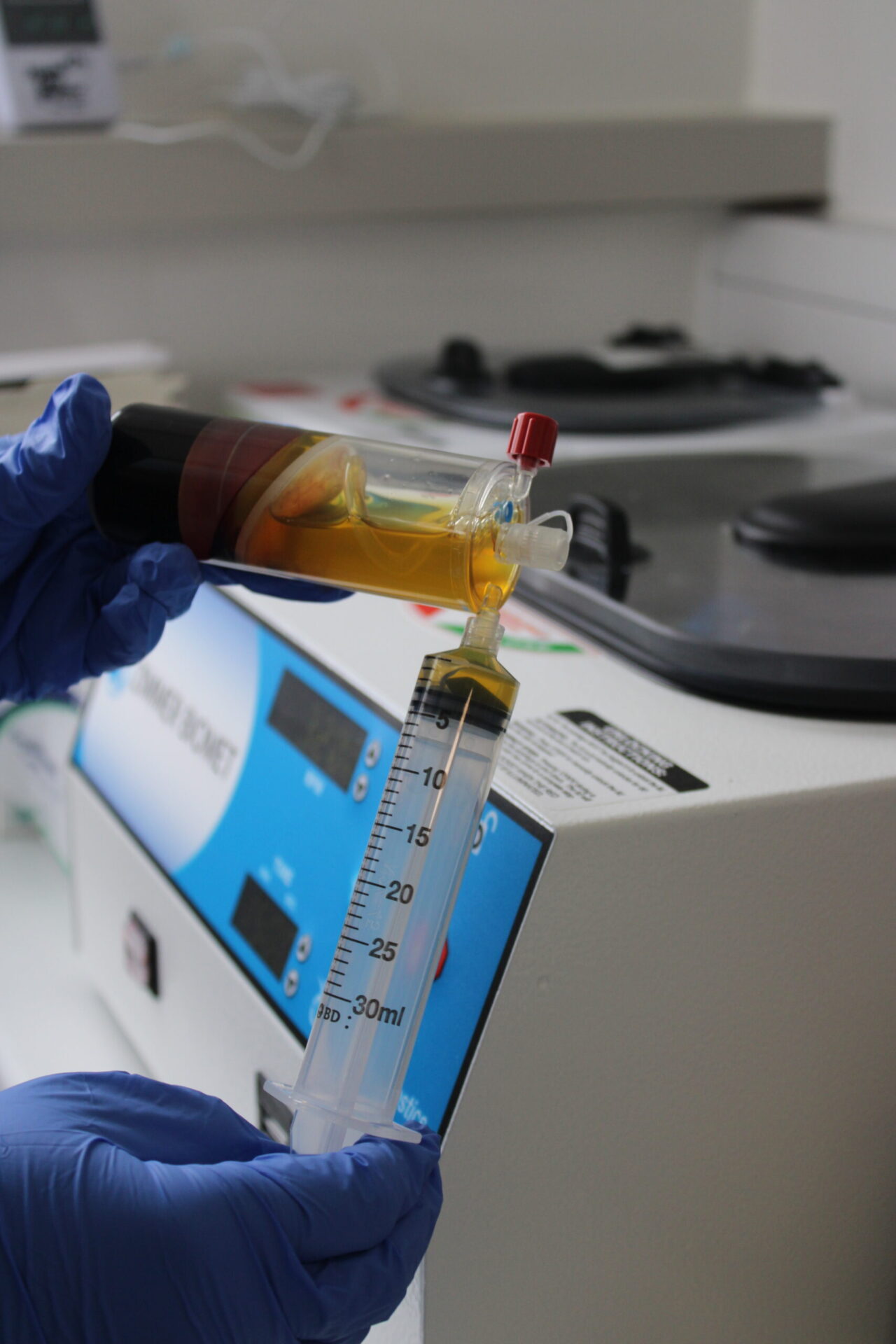
Platelet‑Rich Plasma (PRP) therapy uses a small sample of your blood that is processed to concentrate platelets. The resulting solution, rich in growth factors, is injected into the injured area to reduce inflammation and accelerate healing.
Many patients experience meaningful pain relief and improved mobility after PRP, often returning to normal activities sooner. PRP is especially useful for tendon conditions and early‑stage arthritis.
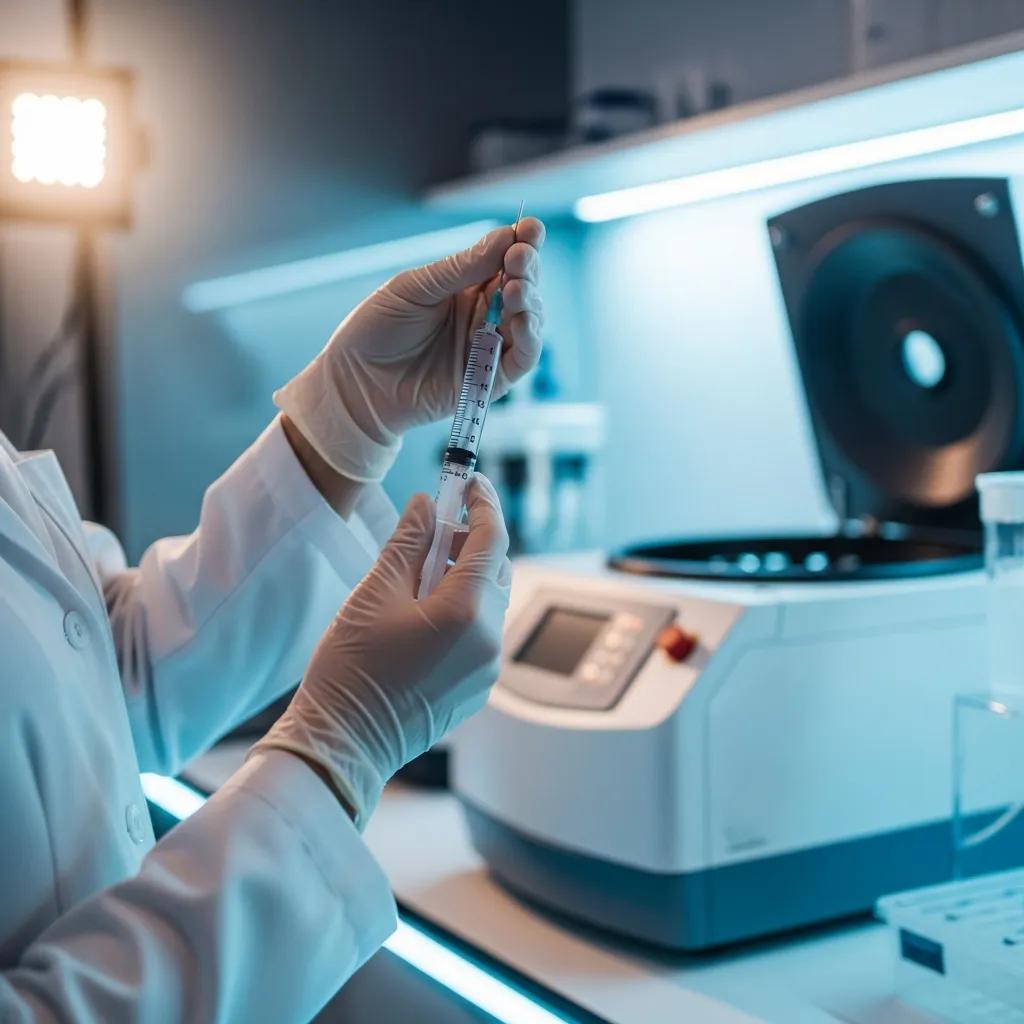
Stem cell approaches such as Lipogems use a small sample of a patient’s own fat to harvest regenerative cells within a micro‑fragmented tissue matrix. The material is processed to preserve the healing elements and then injected into the affected joint or tissue.
These cells and the surrounding matrix support regeneration of cartilage and soft tissues, often improving joint function and reducing pain. For many patients Lipogems is a valuable non‑surgical option in their treatment plan.
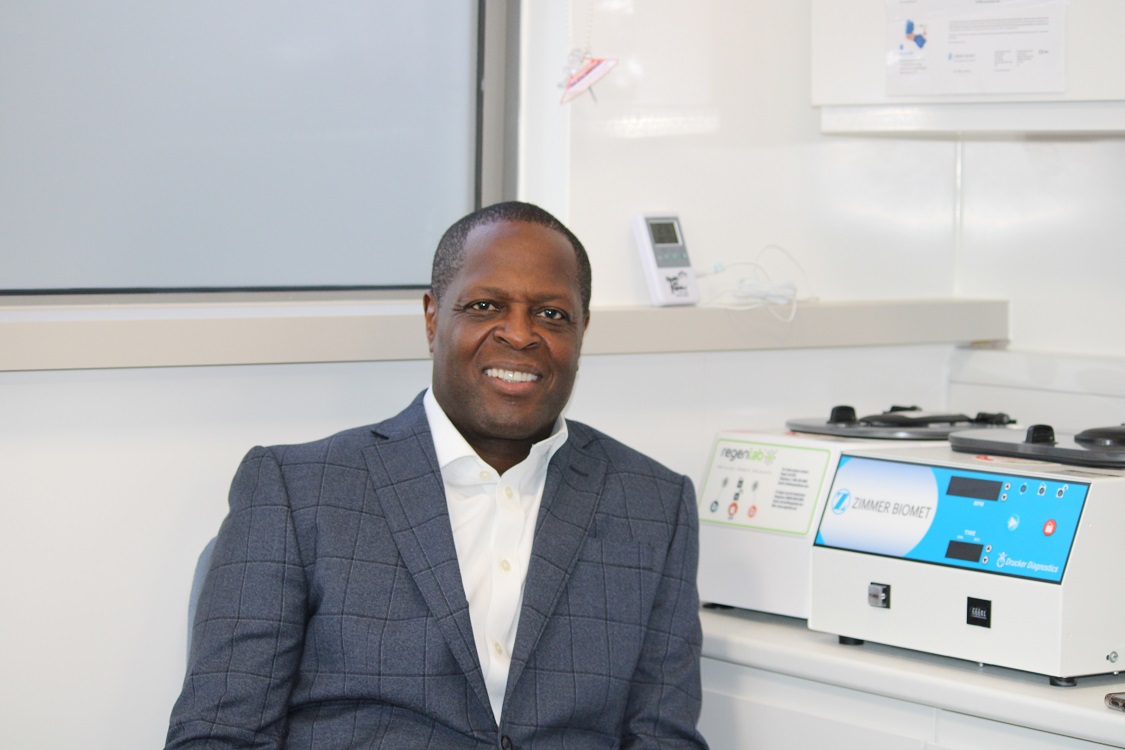
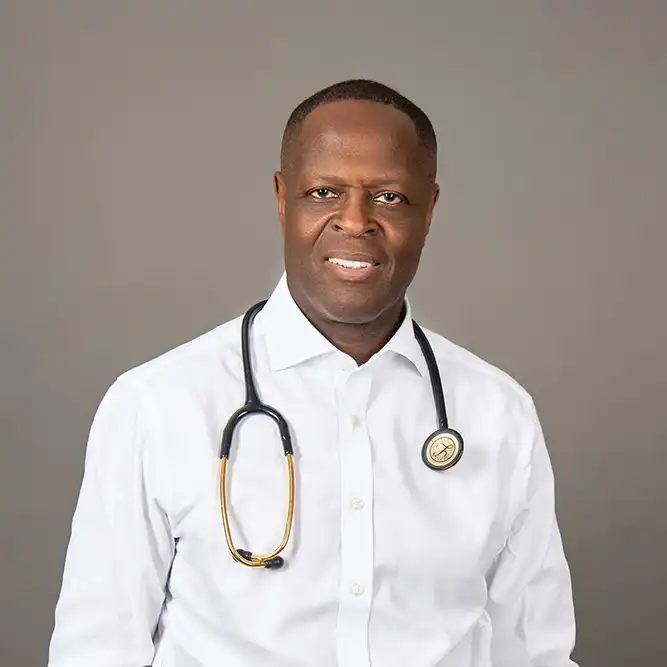
Selecting the right provider matters. Dr Ralph Rogers and the team at Rogers Regenerative Medical Group combine deep clinical experience with a patient‑first approach to deliver safe, effective regenerative care.
Dr Ralph Rogers is a recognised expert in regenerative and sports medicine with more than 25 years’ experience treating musculoskeletal conditions. His work in orthobiologics and minimally invasive care means patients benefit from up‑to‑date techniques and thoughtful clinical judgment.
Patients can be confident they’re in experienced hands — Dr Rogers remains active in education and research to ensure treatment choices reflect the latest evidence.
At RRMG we don’t use one‑size‑fits‑all plans. Each patient receives a thorough assessment so we can match the best non‑surgical options to their condition, lifestyle and goals.
That personalised approach — combining proven regenerative therapies with rehabilitation and practical advice — is designed to speed recovery and deliver better long‑term outcomes.
Booking with Rogers Regenerative Medical Group is straightforward. Our team aims to make your first visit welcoming and informative, so you understand your options from day one.
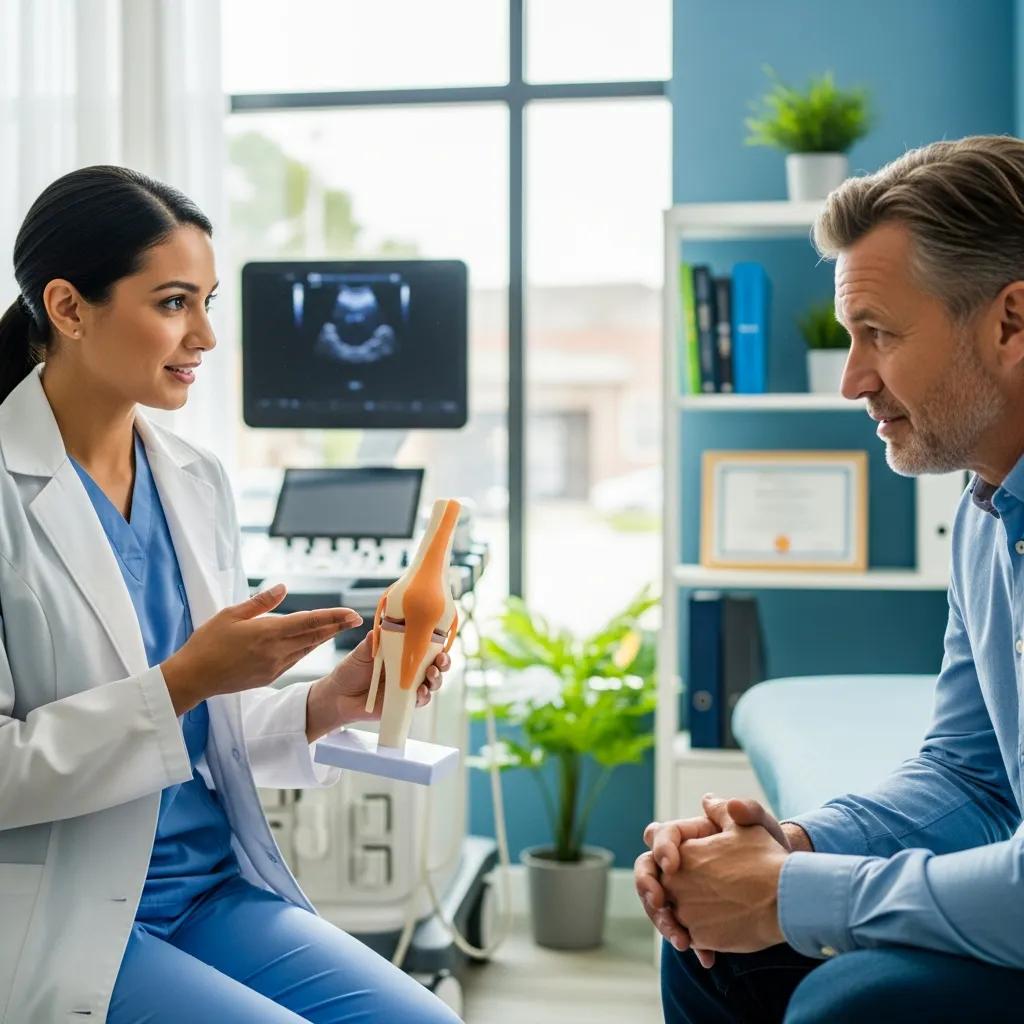
Your initial consultation includes a detailed medical history, a focused physical examination and any imaging needed to clarify the problem. We discuss your symptoms, goals and treatment choices before agreeing a plan.
After assessment we’ll explain the most appropriate non‑surgical options and work with you to create a clear, personalised treatment pathway so you feel informed and involved in every step.
Recovery varies by treatment and patient, but many people notice improvements within weeks, with further gains over a few months. Outcomes are generally positive — reduced pain, better function and a return to normal activities are common.
Combining advanced regenerative techniques with tailored rehabilitation at RRMG helps maximise these benefits and supports a confident, sustainable return to everyday life.
As regenerative orthopaedics becomes more widely used, patients understandably have questions about effectiveness and safety. Clear information helps you decide whether these treatments are right for you.
Good candidates often include people with chronic joint pain, sports injuries or degenerative conditions such as osteoarthritis who want to avoid or delay surgery. Those seeking personalised, less invasive options may benefit most.
A comprehensive assessment by an experienced clinician will determine whether regenerative therapies are appropriate for your specific health profile and goals.
PRP and autologous stem cell approaches have a strong safety record and can be effective for many musculoskeletal conditions. Studies and clinical experience show reductions in pain and improvements in function for a significant number of patients.
Individual results vary, and side effects are generally minimal. We encourage open discussion about expected outcomes and any concerns so you can make a confident, informed choice.
Regenerative orthopaedics offers a practical, less invasive pathway to manage joint pain and sports injuries by supporting the body’s natural healing. Patients can often expect shorter recoveries, lower risk and treatment plans tailored to their needs. Choosing Rogers Regenerative Medical Group means working with a team committed to safe, evidence‑informed care that helps you regain mobility and return to the things you love. Contact us to learn how our treatments could help you.
Dr Rogers has had a rich and illustrious career so far, which is continuing to grow and develop. Everything Ralph has been involved in since qualifying has added value to his knowledge and experience, but there have been some impressive highlights to note:
2018 – Present Founder Medical Director: Rogers Regenerative Medical Group (RRMG)
2012 – 2024 Medical Advisor – National Basketball Association
2008 – 2018 Medical Director: The London Sports Injury Clinic London
2010-2011 First Team Doctor, Chelsea Football Club
2007- 2010 The Football Association (Team Physician for England under 19 and development squads)
2005-2006 Medical Advisor: Trinidad & Tobago World Cup Football Team
2002 – 2008 Club Doctor: Walsall Football Club, West Midlands England
1998 – 2009 Medical Director: Medical & Orthopaedic Sports Therapy,
2000 – 2005 Sports Physician: Warwickshire County Cricket Club, Birmingham