Reading Time: mins
Knee pain can make everyday activities feel impossible. Knowing the cause and choosing the right treatment are the first steps toward getting back to the life you want. This guide explains how a knee pain specialist in Chelsea approaches care without surgery — the common causes we see, the non‑surgical options available at Rogers Regenerative Medical Group (RRMG), and how Dr. Ralph Rogers applies regenerative techniques to help patients heal and regain function.
Knee pain stems from many sources — injury, wear‑and‑tear, inflammation, or repetitive strain. Identifying the cause early helps prevent worsening and improves recovery. If your pain limits activity, persists, or is accompanied by swelling or instability, it’s time to consult a specialist.
At Rogers Regenerative Medical Group, we routinely treat knee problems using non‑operative approaches. Typical conditions include:
These conditions can erode quality of life, but timely, targeted care often prevents the need for surgery.
Knowing when to see a specialist helps you avoid long‑term problems. Watch for:
If you notice these signs, a specialist evaluation can identify the cause and outline the safest, most effective treatment plan.
Non‑surgical care can deliver meaningful relief while avoiding the risks and downtime of surgery. Understanding the advantages helps you choose an approach that fits your lifestyle and goals.
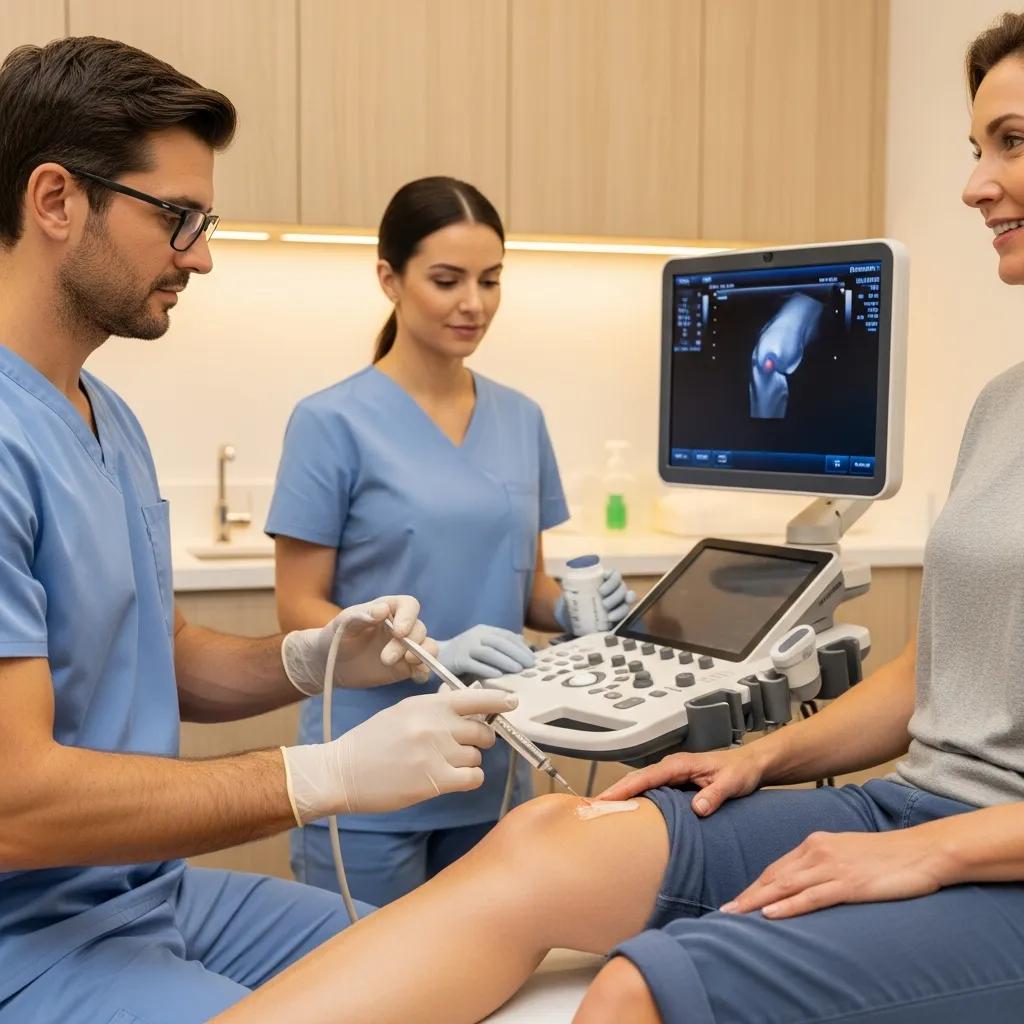
Regenerative orthopaedics aims to harness the body’s own healing to restore tissue and function. Key benefits include:
For suitable patients, these therapies offer a practical alternative to immediate surgical intervention.
Non‑surgical options use biologic or injection‑based therapies to reduce inflammation and encourage tissue repair. Platelet‑Rich Plasma (PRP) delivers concentrated growth factors to the injured area, supporting faster recovery. Stem cell therapy aims to create an environment where damaged tissues can regenerate, which may improve function without operative procedures.
Rogers Regenerative Medical Group provides a range of tailored, evidence‑based non‑surgical therapies for knee conditions. We match treatment to diagnosis, activity goals, and recovery expectations to maximize outcomes.
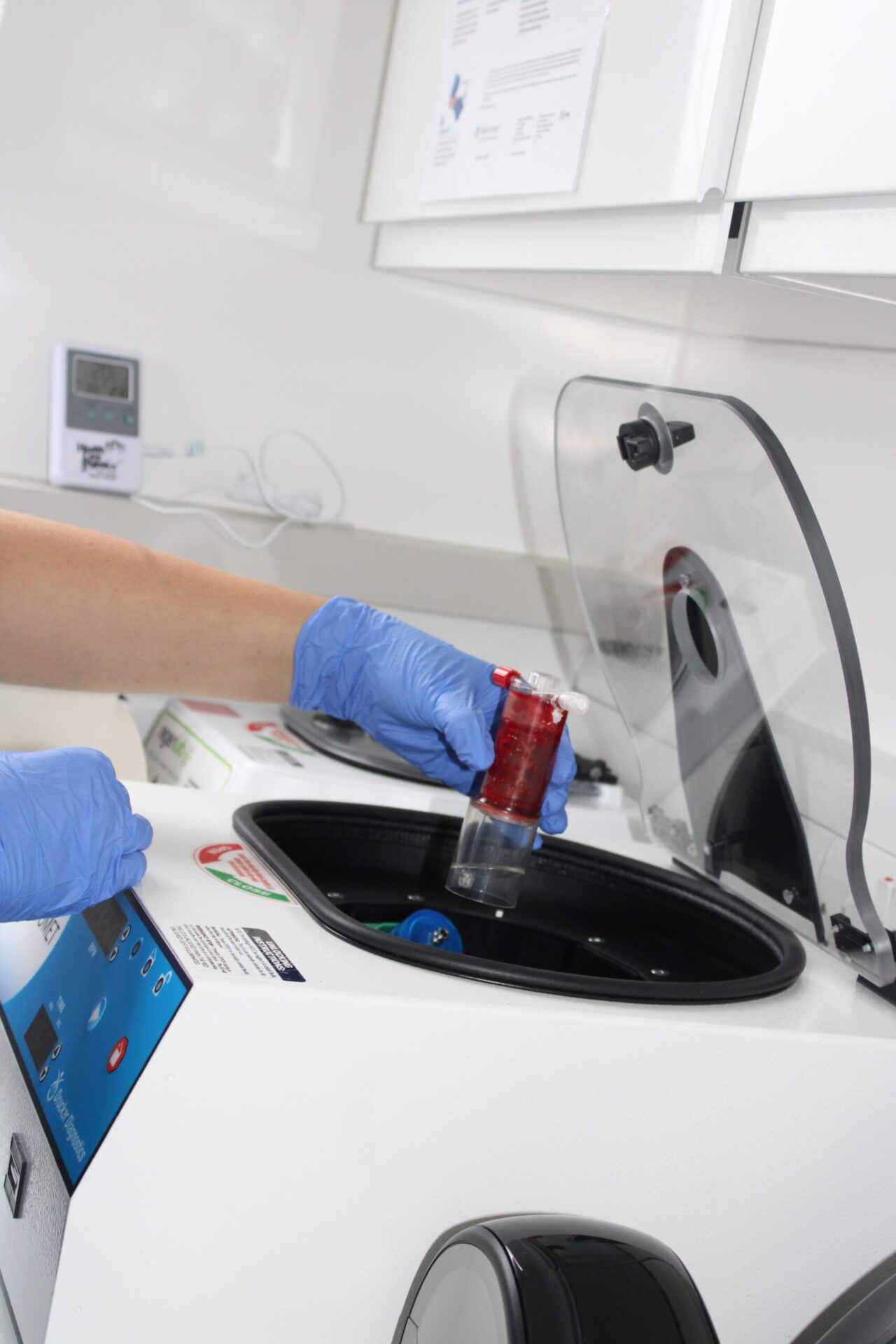
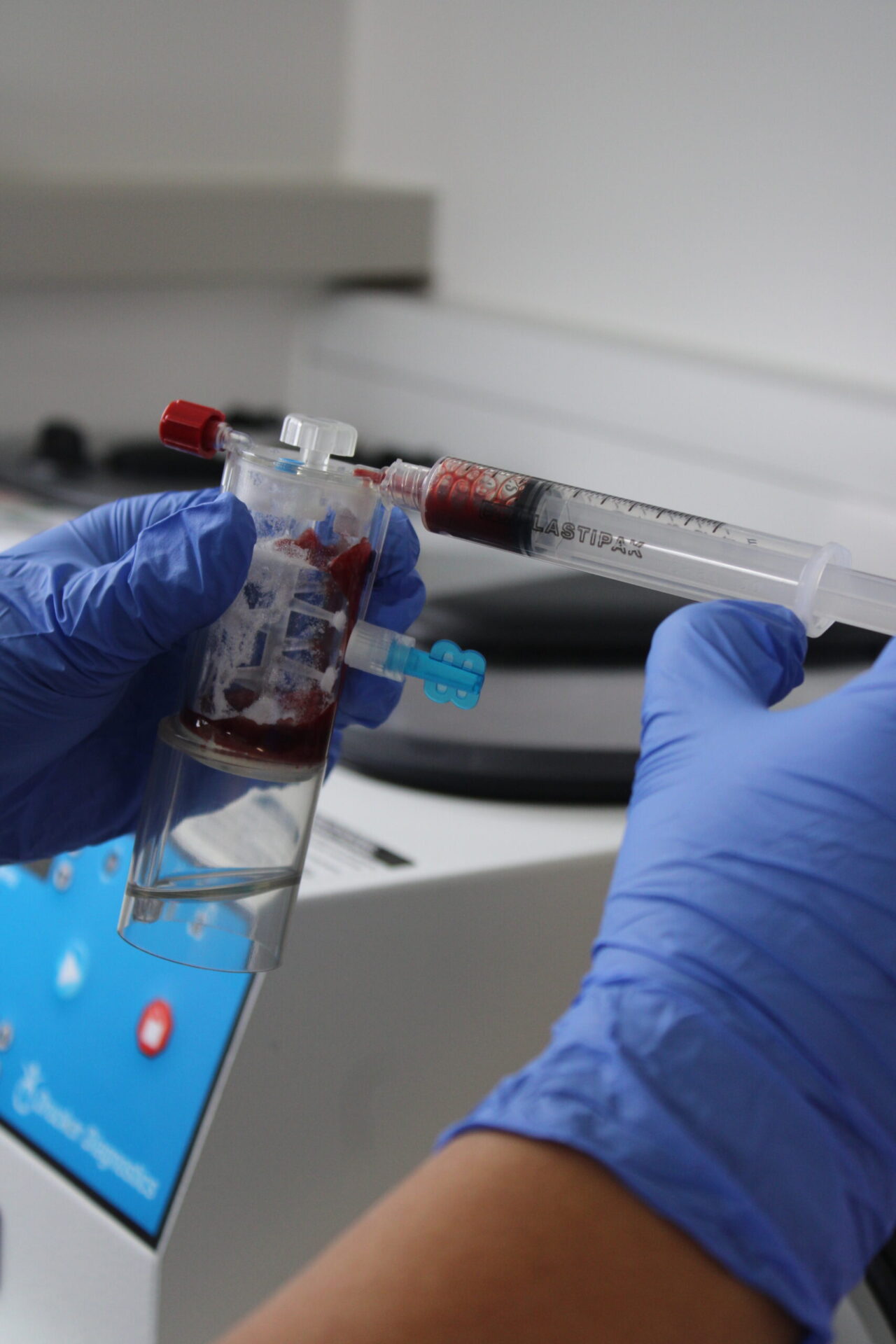
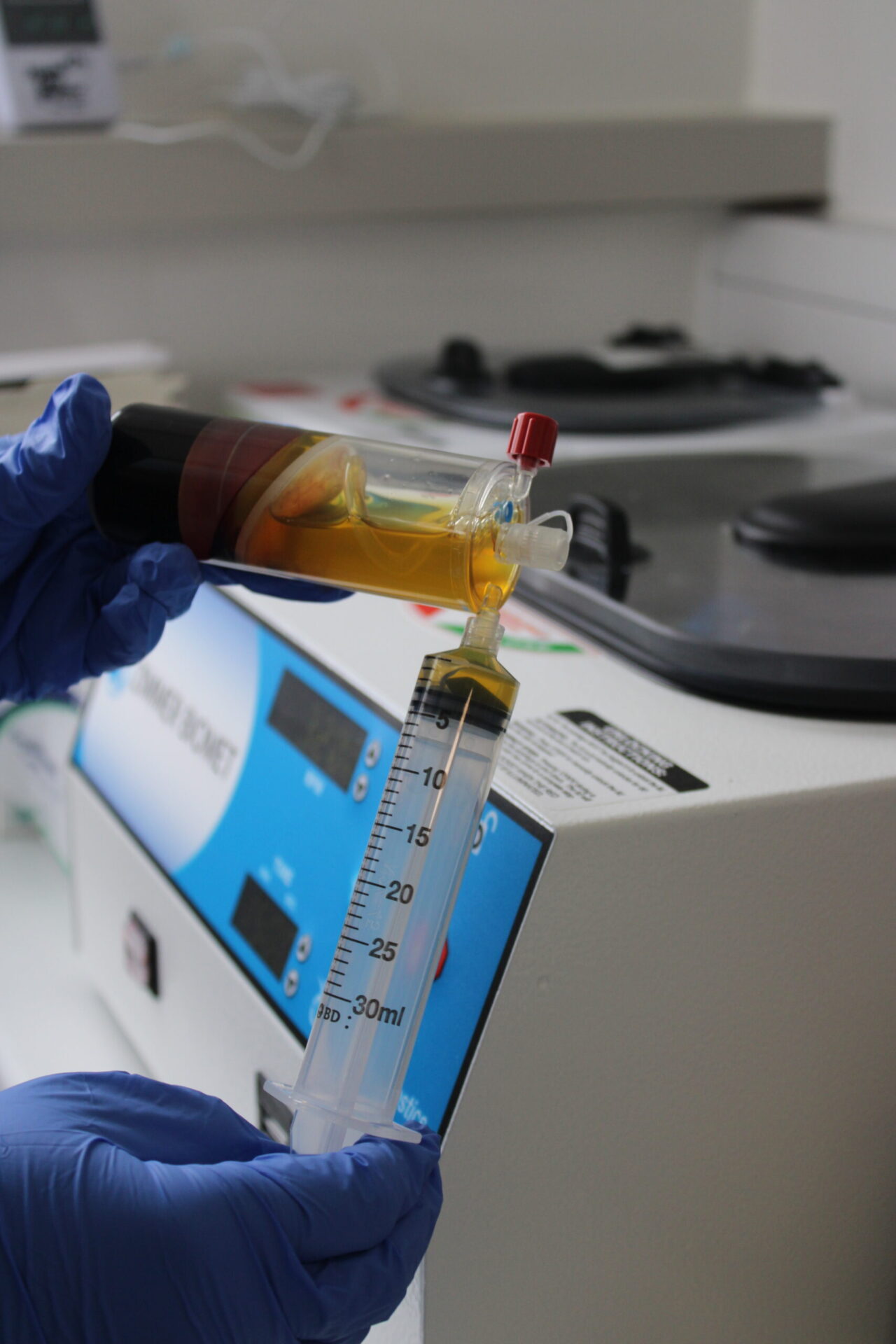
PRP therapy starts with a small blood draw that we spin to concentrate platelets and growth factors. Injecting that concentrate into the knee targets inflammation and supports tissue repair. Many patients notice reduced pain and improved mobility in the weeks following treatment.
Stem cell therapy uses regenerative cells to support healing where tissue is injured. For meniscus tears, stem cells may encourage repair and reduce symptoms, offering an alternative for patients who want to avoid or delay surgery. While outcomes can vary, emerging studies and clinical experience show promising results for selected candidates.
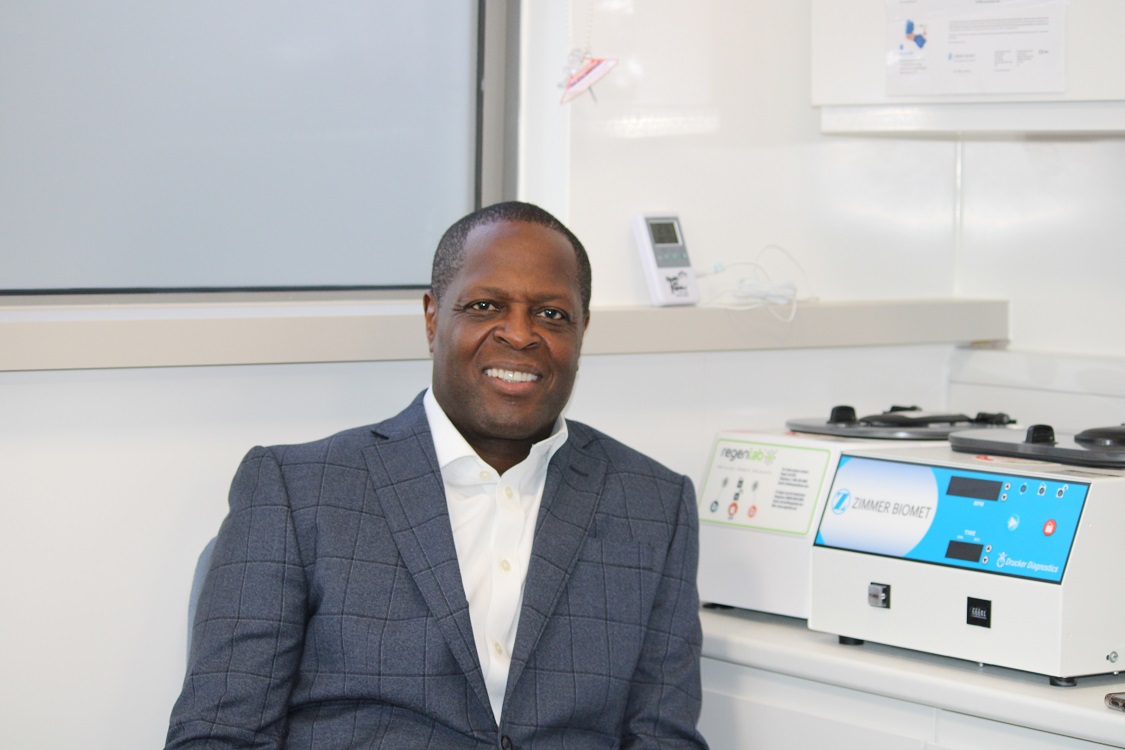
Dr. Ralph Rogers combines extensive clinical experience with advanced training in regenerative orthopaedics and sports medicine, which informs our individualized care strategies and improves patient outcomes.
With more than 25 years in musculoskeletal medicine, Dr. Rogers has deep experience treating complex knee problems using non‑operative methods. He keeps current with research and integrates proven advances into patient care to offer thoughtful, evidence‑based options.
Dr. Rogers crafts treatment plans around each patient’s goals, activity level, and diagnostic findings. Patients frequently report clearer mobility and less pain after following our targeted programs — outcomes that underscore the value of personalized regenerative care.
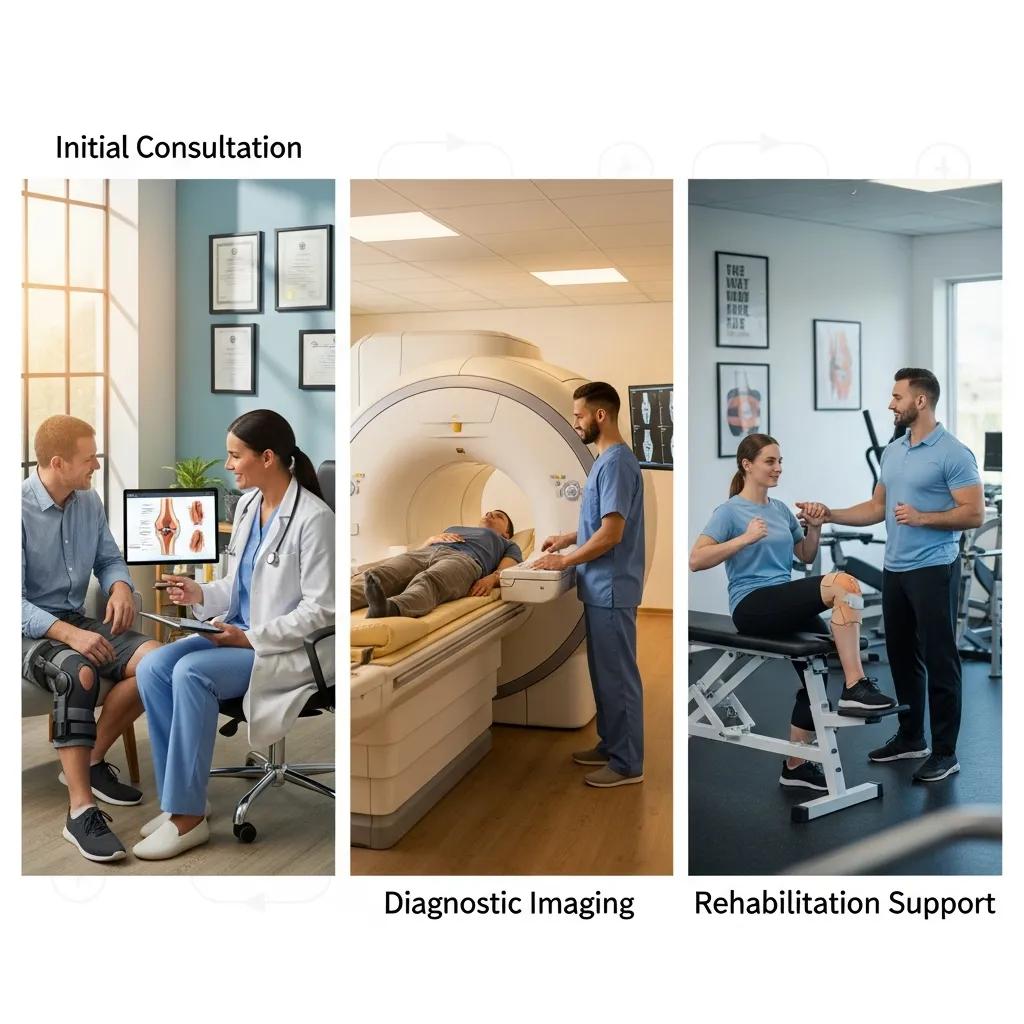
We design the patient journey to be clear and supportive — from the first visit through recovery — so you know what to expect at every step.
Your first appointment includes a focused history and physical exam. When needed, we use imaging such as X‑ray or MRI to pinpoint the problem. That diagnostic clarity allows Dr. Rogers to recommend the most appropriate non‑surgical plan for your knee.
After diagnosis, we provide a clear treatment protocol that may include biologic injections, physical therapy, and activity modification. Our team supports your rehabilitation to rebuild strength and restore function, helping results last longer.
Patients commonly want to know how well non‑surgical options work and what the recovery looks like. Clear answers help set realistic expectations and guide decision‑making.
PRP and stem cell therapies have shown benefit for many knee conditions, including early arthritis and certain meniscus or tendon injuries. Clinical results vary by diagnosis and individual factors, but many patients experience meaningful pain reduction and functional improvement.
Recovery timelines depend on the treatment and individual health. Many patients notice improvement within weeks, with continued gains over months. Risks are generally low but can include temporary pain, swelling, or bruising at the injection site. We review risks and aftercare during your consultation so you can make an informed choice.
| Treatment Type | Mechanism | Expected Outcome |
|---|---|---|
| PRP Injections | Delivers concentrated growth factors to stimulate healing | Reduced pain and improved joint function |
| Stem Cell Therapy | Supports regeneration of damaged tissue and creates a healing environment | Potential for enhanced cartilage repair and better joint mechanics |
| Hyaluronic Acid Injections | Improves joint lubrication and cushions movement | Smoother motion and reduced pain with activity |
This summary highlights common non‑surgical options at RRMG and what each is intended to accomplish. We tailor recommendations to your diagnosis and goals to deliver practical, patient‑centered care.
Knee pain doesn’t have to dictate your life. With careful diagnosis and modern non‑surgical options, many people regain mobility and reduce pain without immediate surgery. If you’re exploring alternatives, Dr. Ralph Rogers and the team at Rogers Regenerative Medical Group are here to guide you toward the safest, most effective plan for your knee health.
Non‑surgical treatments offer a proven, lower‑risk path to relieve knee pain and restore function for many patients. Approaches like PRP and stem cell therapy can reduce symptoms and support tissue healing, allowing you to return to daily activities with less discomfort. If you’re ready to explore non‑operative care, contact Dr. Ralph Rogers and the RRMG team in Chelsea to find a personalized plan that fits your needs and goals.
Dr Rogers has had a rich and illustrious career so far, which is continuing to grow and develop. Everything Ralph has been involved in since qualifying has added value to his knowledge and experience, but there have been some impressive highlights to note:
2018 – Present Founder Medical Director: Rogers Regenerative Medical Group (RRMG)
2012 – 2024 Medical Advisor – National Basketball Association
2008 – 2018 Medical Director: The London Sports Injury Clinic London
2010-2011 First Team Doctor, Chelsea Football Club
2007- 2010 The Football Association (Team Physician for England under 19 and development squads)
2005-2006 Medical Advisor: Trinidad & Tobago World Cup Football Team
2002 – 2008 Club Doctor: Walsall Football Club, West Midlands England
1998 – 2009 Medical Director: Medical & Orthopaedic Sports Therapy,
2000 – 2005 Sports Physician: Warwickshire County Cricket Club, Birmingham