Reading Time: mins
Sports injuries disrupt performance and everyday life. At Rogers Regenerative Medical Group in South Kensington we focus on evidence‑informed, non‑surgical strategies that help athletes recover faster and return to what they love. This article explains regenerative orthopaedics — how it works, the common conditions we treat, and how Dr Ralph Rogers and our team personalise care to support a safe, confident return to sport.
Regenerative orthopaedics uses the body’s own repair mechanisms and advanced biologic techniques to treat injured tissues without surgery. Common approaches include platelet‑rich plasma (PRP) and certain cell‑based therapies that aim to stimulate repair in tendons, ligaments and cartilage. By supporting natural healing processes, these treatments can shorten recovery times and improve long‑term function for many athletes.
For active patients, the appeal of regenerative options is clear: less downtime, fewer surgical risks and treatment plans tailored to each individual. Dr Ralph Rogers combines this approach with targeted rehabilitation to address each athlete’s goals and sport‑specific demands.
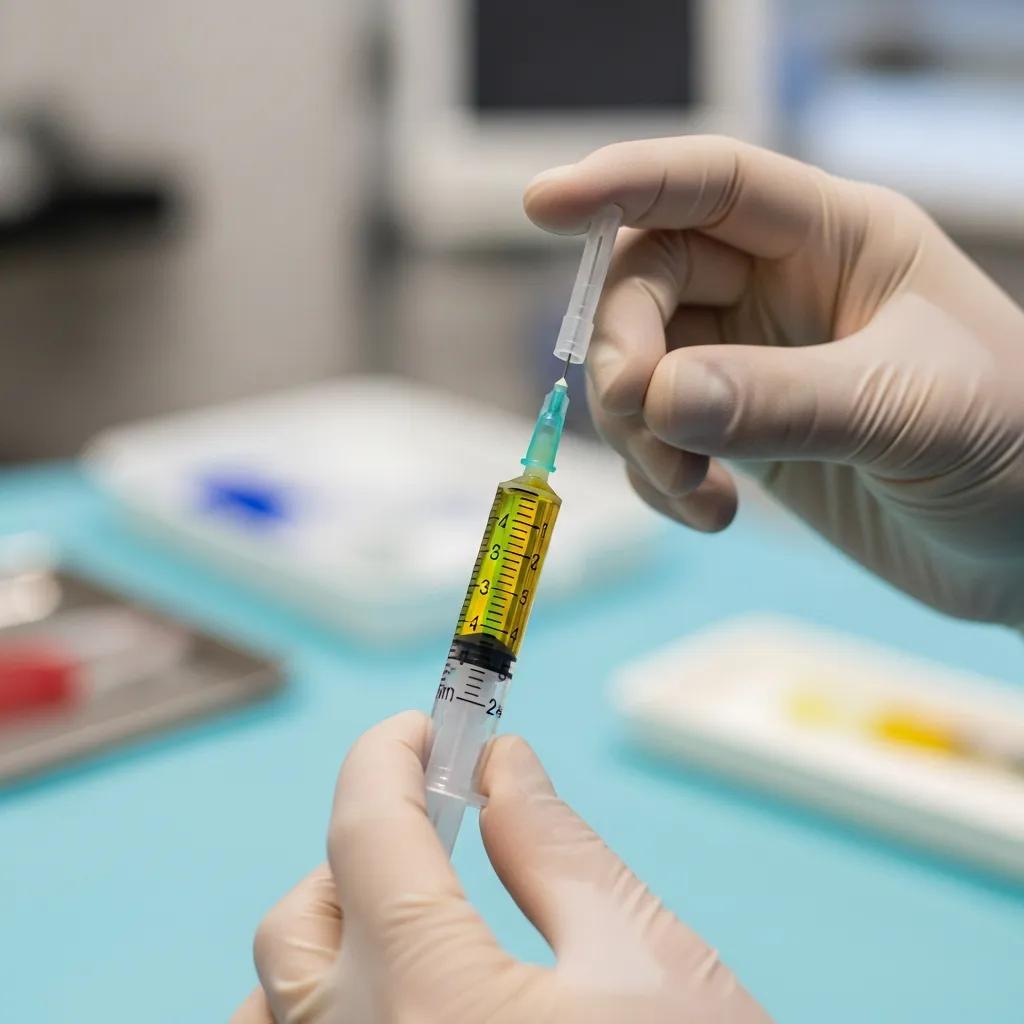
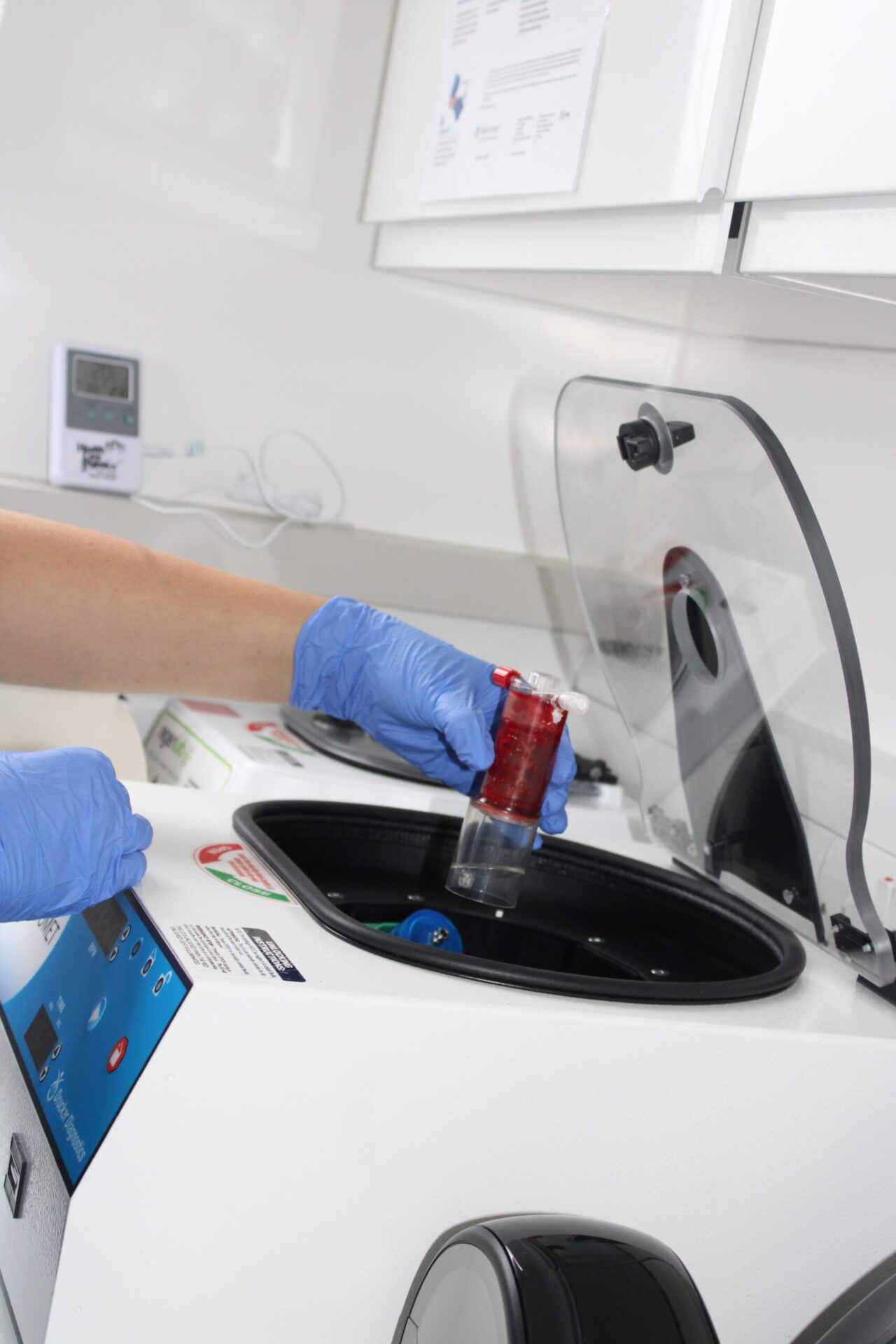
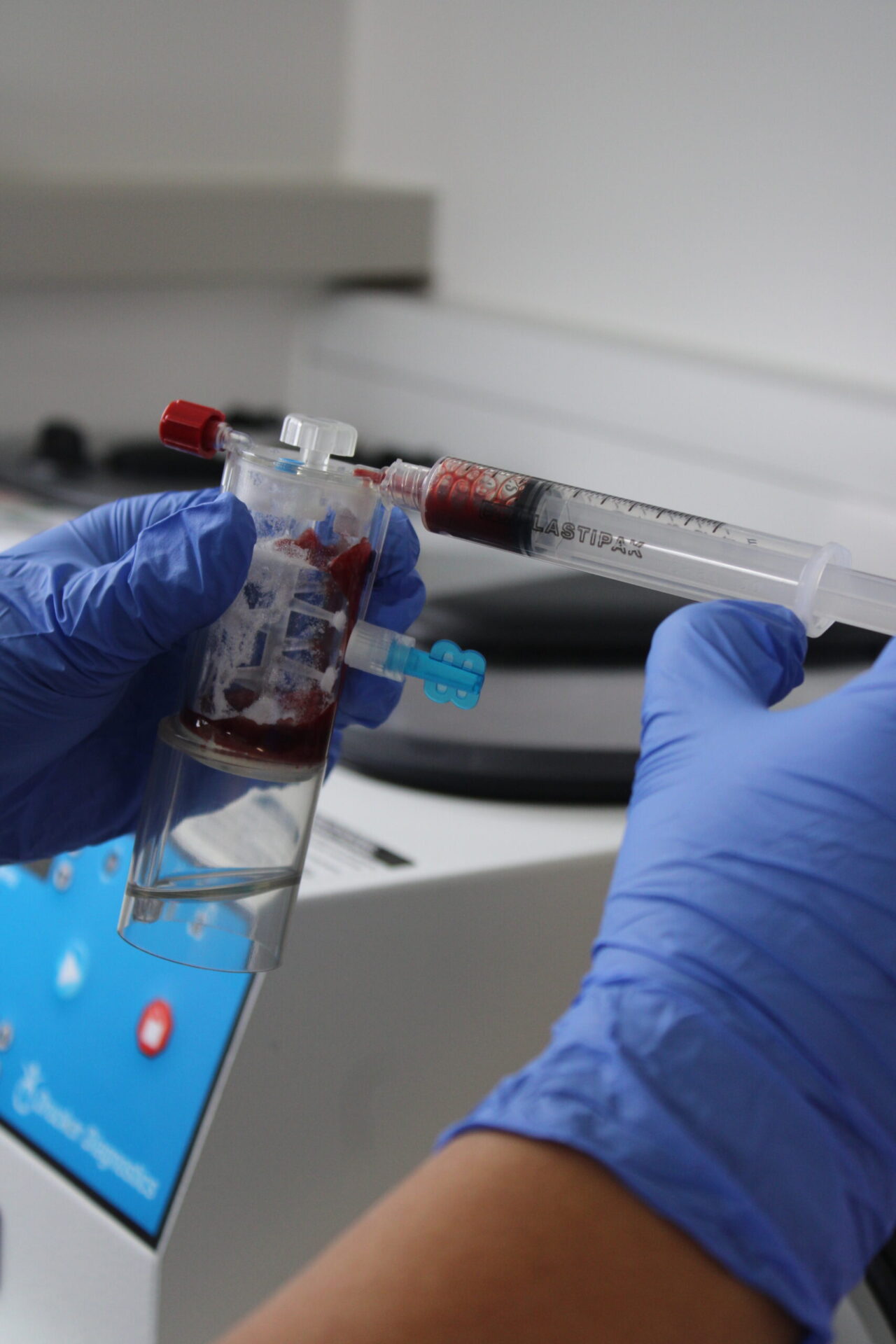
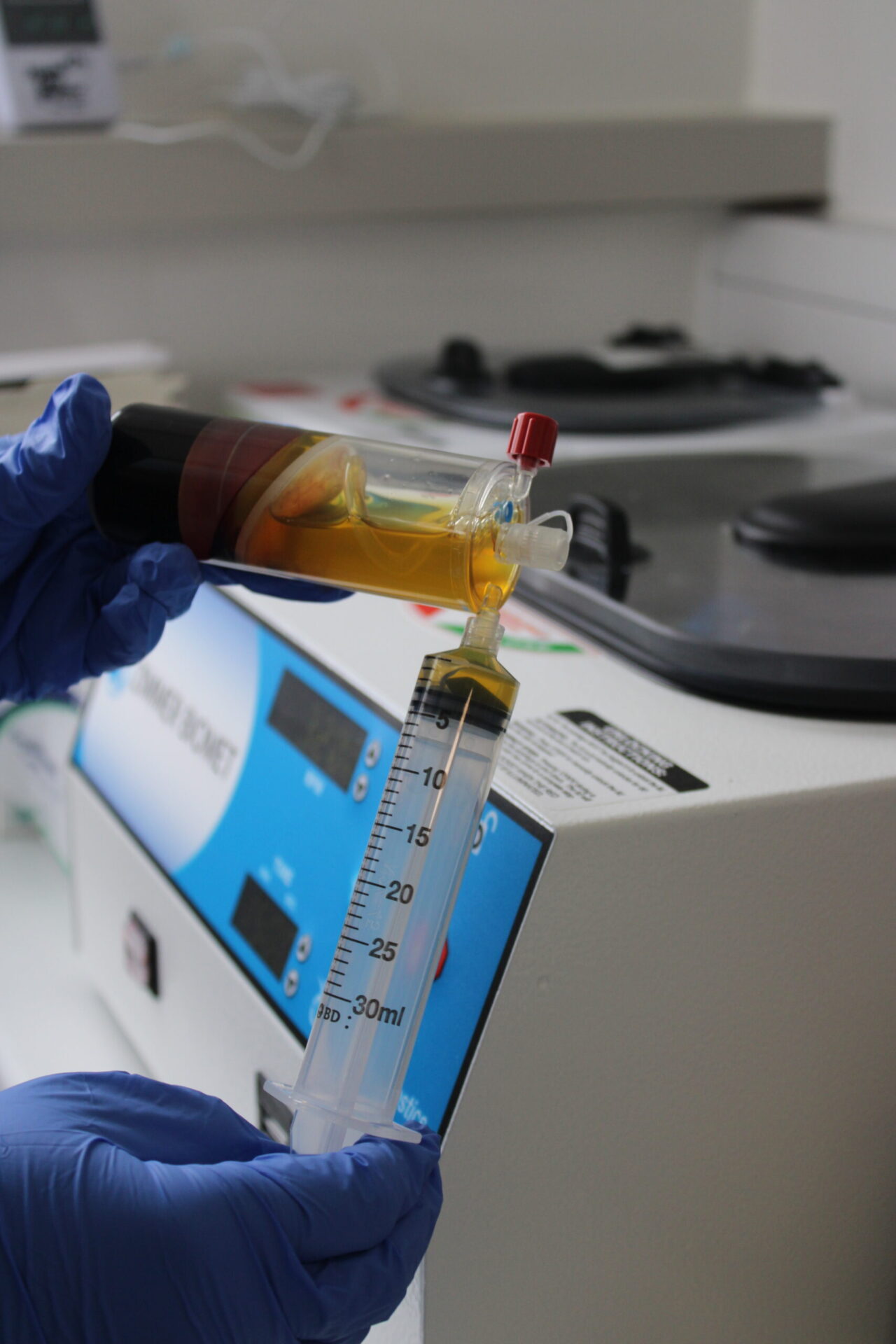
Platelet‑rich plasma (PRP) is prepared from a small sample of your own blood. We concentrate platelets and growth factors, then deliver that concentrated plasma to the injured area to encourage tissue repair and reduce pain. Clinical data suggest PRP can help with certain tendon injuries and osteoarthritis, though responses vary and ongoing research continues to refine best practices.
Cell‑based therapies aim to harness the body’s regenerative cells to support repair in damaged tissue. These treatments may help improve pain and mobility in selected cases, particularly when combined with rehabilitation. The field is evolving, and our recommendations are based on current evidence and individual clinical assessment.
Non‑surgical care offers several practical advantages over operative routes. Key benefits include:
The table below summarises common non‑surgical options we offer and the outcomes you can typically expect.
| Treatment Method | Mechanism of Action | Expected Outcome |
|---|---|---|
| Platelet‑Rich Plasma | Delivers concentrated growth factors to stimulate tissue repair | Reduced pain, improved function |
| Stem Cell Therapy | Supports regeneration of damaged tissue using the body’s repair cells | Enhanced recovery, tissue repair |
| Advanced Physiotherapy | Individualised exercise and manual therapy to restore strength and mobility | Increased mobility, pain relief |
These approaches are especially useful for athletes in South Kensington, where access to specialist care and integrated rehabilitation can make a meaningful difference to outcomes.
We treat a wide range of athletic injuries. The most frequent presentations include:
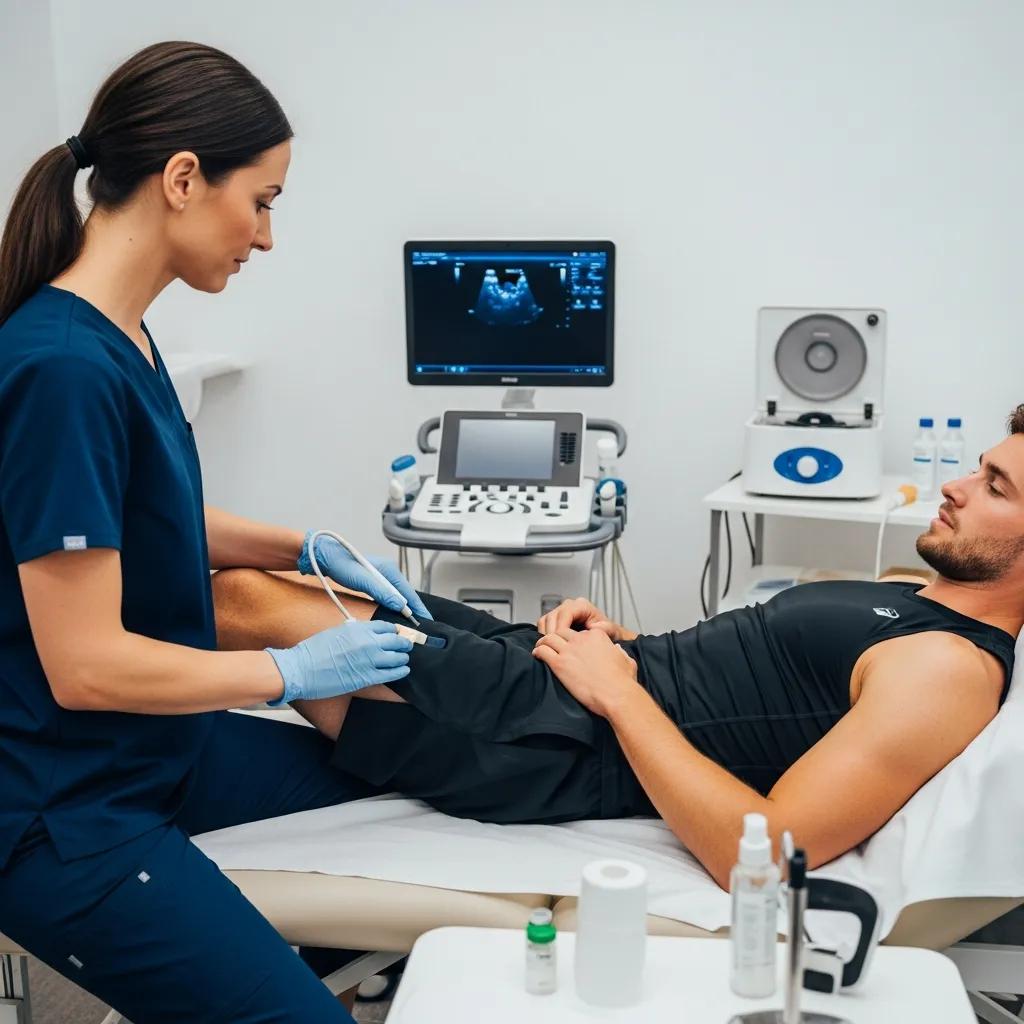
Diagnosis combines a targeted clinical assessment with imaging when needed, typically ultrasound or MRI. This lets us define the injury and create a clear treatment plan. Typical management steps include:
Recovery depends on the injury’s severity and the chosen treatment. Typical timelines are:
Many patients report that combining regenerative therapies with tailored rehabilitation helps accelerate recovery and restore confidence when returning to sport.
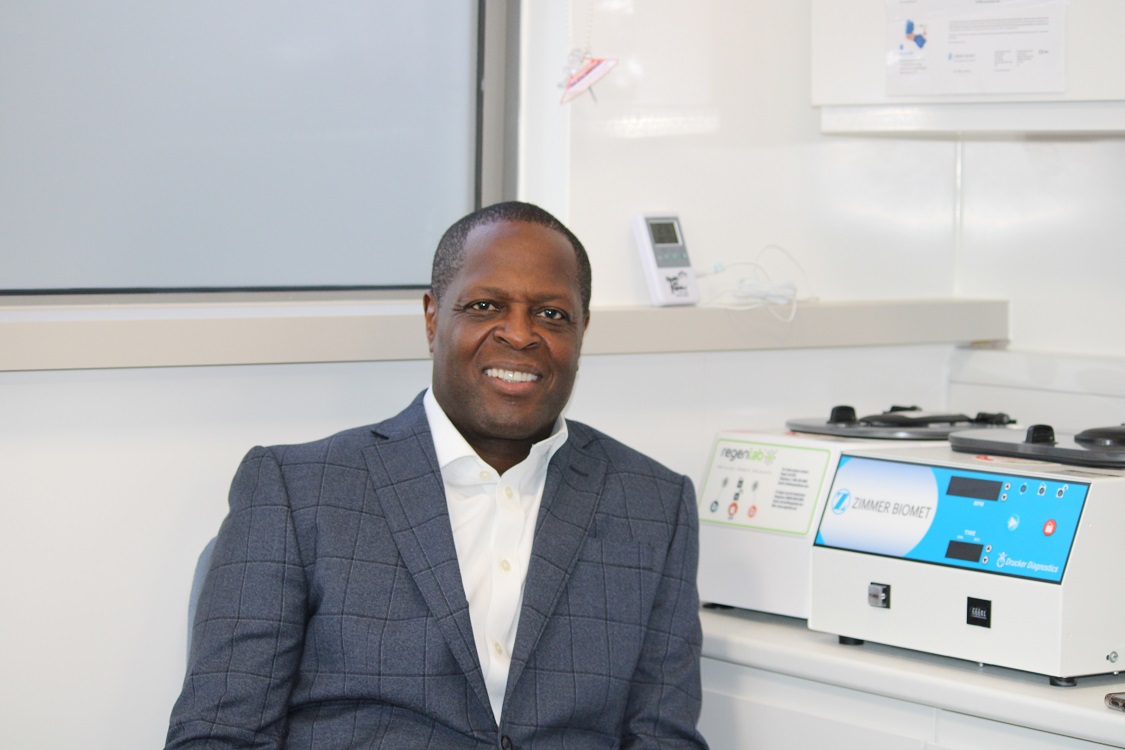
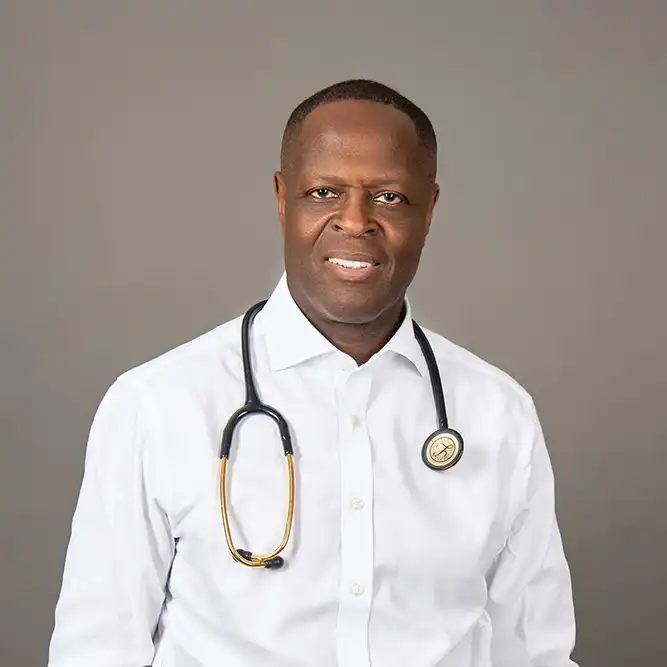
Dr Ralph Rogers is a sports injury specialist with more than 25 years’ experience in regenerative orthopaedics and sports medicine. He blends practical, evidence‑based treatments with personalised rehabilitation plans to help athletes recover safely and sustainably.
Dr Rogers has extensive clinical training and long experience treating athletes across disciplines. He applies advanced techniques, including PRP and selected cell‑based therapies, where the evidence and an individual assessment indicate likely benefit. His practice emphasises up‑to‑date research and outcomes‑focused care.
Individualised care matters: we assess your injury, sporting demands and recovery goals to craft a treatment plan that fits your life. Personalised programs improve adherence, speed functional recovery and reduce the risk of re‑injury — and they build a collaborative relationship between patient and clinician.
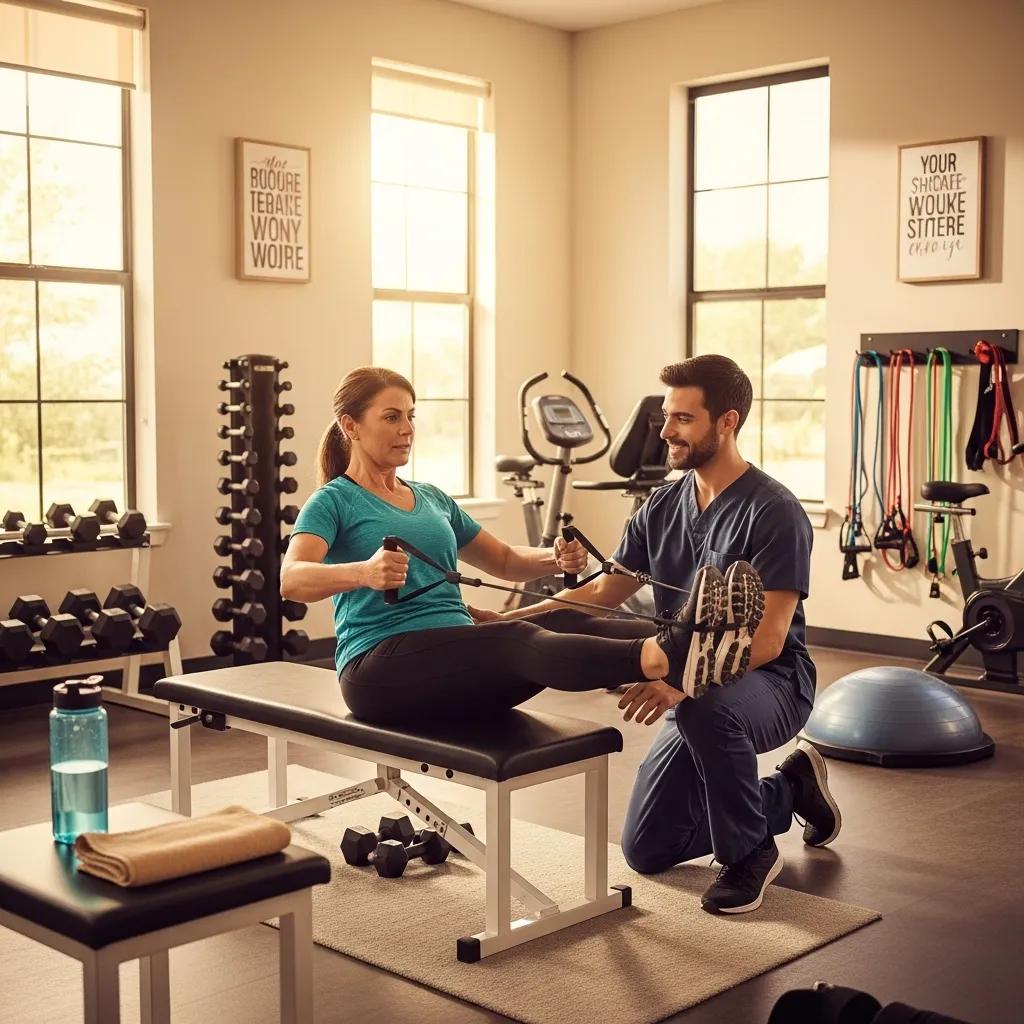
Our patient journey is designed to be clear and supportive. From the initial assessment through rehabilitation, we provide structured care, regular progress reviews and practical guidance so you can return to your sport safely.
Booking is simple: contact Rogers Regenerative Medical Group to arrange an initial appointment. Your first visit will include a full history, clinical examination and review of any previous imaging. If you have relevant reports or scans, please bring them to help guide the assessment.
All programmes are adapted to your stage of recovery and long‑term goals.
Patients commonly ask when to seek specialist help and whether non‑surgical options are effective. Clear answers help set realistic expectations and treatment pathways.
See a specialist if pain, swelling or limited movement persists, or if your condition prevents training or daily activities. Early assessment can prevent worsening and speed a safe return to sport.
Non‑surgical treatments can be effective for many tendon and some ligament injuries. Therapies such as PRP and selected regenerative approaches have shown benefit in appropriate cases, particularly when combined with structured rehabilitation. Effectiveness depends on the injury type and individual factors, so treatment is recommended after a specialist assessment.
Real‑world outcomes from patients and case studies help illustrate how our treatments perform in practice. They show improvements in pain, function and return‑to‑sport timelines when care is tailored and evidence‑based.
Patients frequently report reduced pain, better mobility and a quicker return to activity after combined regenerative and rehabilitation programmes. Individual results vary, and we discuss likely outcomes and recovery plans during assessment.
Positive reviews and testimonials provide social proof of clinical results and the patient experience. They help prospective patients understand our approach, the quality of care from Dr Rogers and the wider team, and what to expect from treatment.
Regenerative orthopaedics offers a practical, non‑surgical pathway for many athletes to recover from sports injuries with less downtime and strong functional outcomes. With Dr Ralph Rogers and our multidisciplinary team in South Kensington, you’ll receive personalised care that combines advanced biologic options with proven rehabilitation. If you’re ready to explore a focused route back to sport, book a consultation with our team today.
Dr Rogers has had a rich and illustrious career so far, which is continuing to grow and develop. Everything Ralph has been involved in since qualifying has added value to his knowledge and experience, but there have been some impressive highlights to note:
2018 – Present Founder Medical Director: Rogers Regenerative Medical Group (RRMG)
2012 – 2024 Medical Advisor – National Basketball Association
2008 – 2018 Medical Director: The London Sports Injury Clinic London
2010-2011 First Team Doctor, Chelsea Football Club
2007- 2010 The Football Association (Team Physician for England under 19 and development squads)
2005-2006 Medical Advisor: Trinidad & Tobago World Cup Football Team
2002 – 2008 Club Doctor: Walsall Football Club, West Midlands England
1998 – 2009 Medical Director: Medical & Orthopaedic Sports Therapy,
2000 – 2005 Sports Physician: Warwickshire County Cricket Club, Birmingham