Lipogems® Stem Cell Therapy in London

A single-visit injection that uses your own fat tissue, micro-fragmented into a cushioning repair graft, for worn joints and stubborn tendon pain. We perform every procedure under ultrasound guidance, led by founder Dr Ralph Rogers.

If you are considering Lipogems treatment in London, a consultation can help determine whether this approach is suitable for your condition.

4.9/5 92 reviews · verified by

List of Our Insurance Partners

UNDERSTANDING THE TREATMENT

What Is Lipogems Treatment?

Lipogems is a procedure that uses a patient's own fat tissue as a source of biologically active tissue for treatment.

Adipose tissue contains different cell types and supporting structures, including stromal cells and vascular components. The Lipogems system mechanically processes collected fat tissue into smaller clusters while retaining elements of its natural structure.

The processed tissue, known as micro-fragmented adipose tissue, is then injected into the affected joint or soft tissue.

Lipogems is sometimes described as stem cell therapy. However, it is more accurately classified as an adipose tissue treatment rather than an isolated stem cell preparation. It does not involve laboratory cell expansion or enzymatic cell isolation.
THE TREATMENT PROCESS

How Does the Lipogems Procedure Work?

The procedure involves three main stages.

Fat Tissue Collection

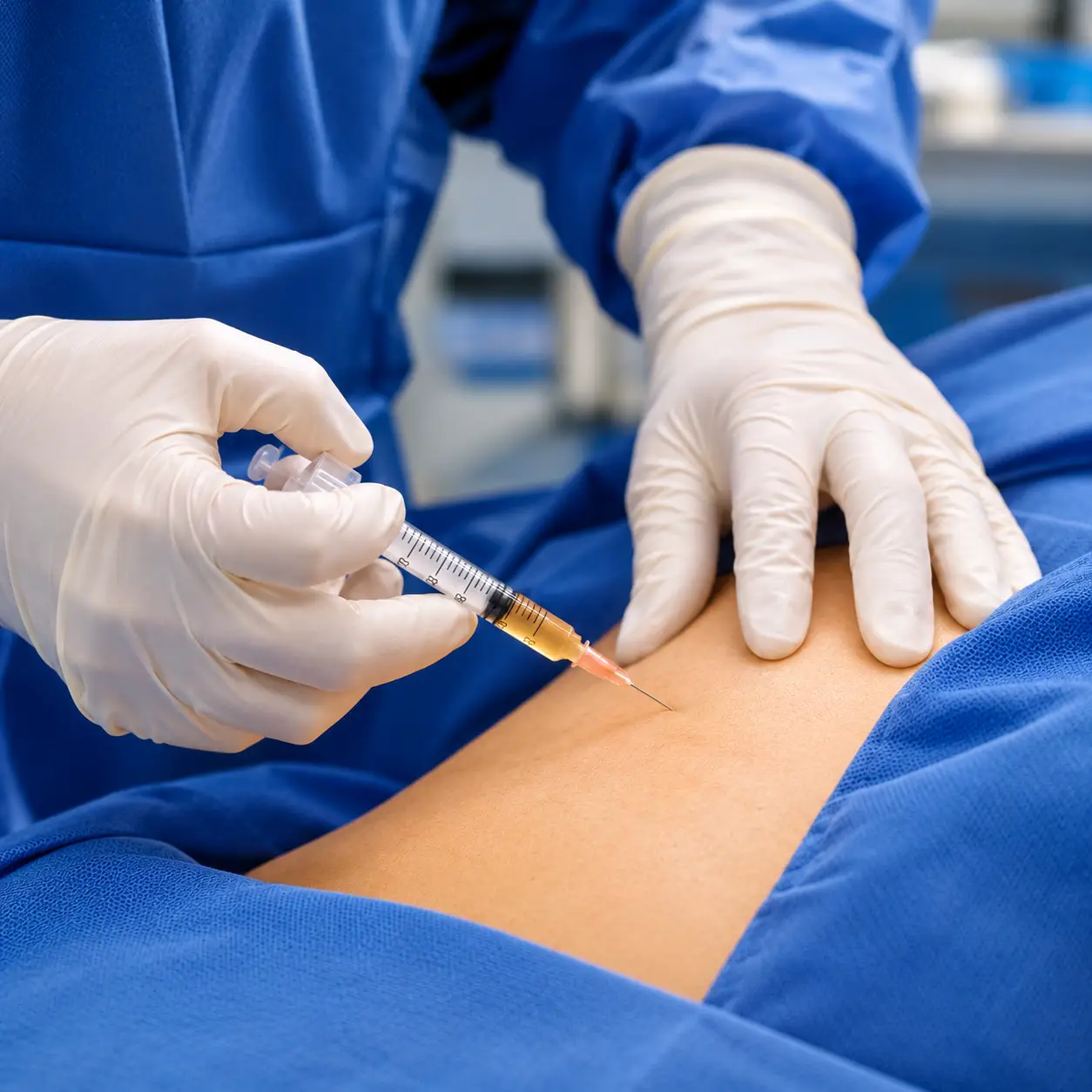
A small amount of adipose tissue is collected from a suitable area of the body, commonly the abdomen. Local anaesthesia is generally used to minimise discomfort during harvesting.

Tissue Processing

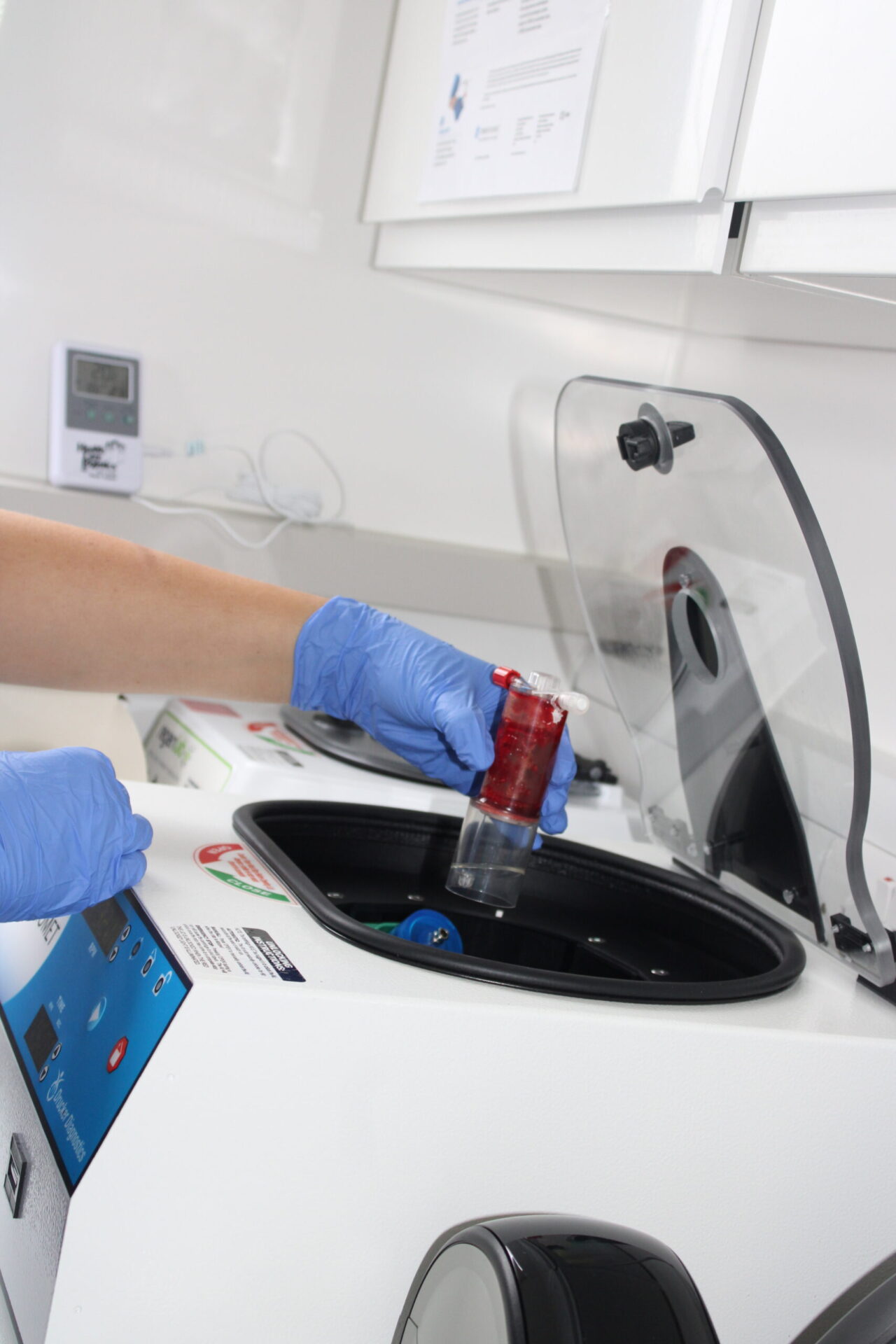
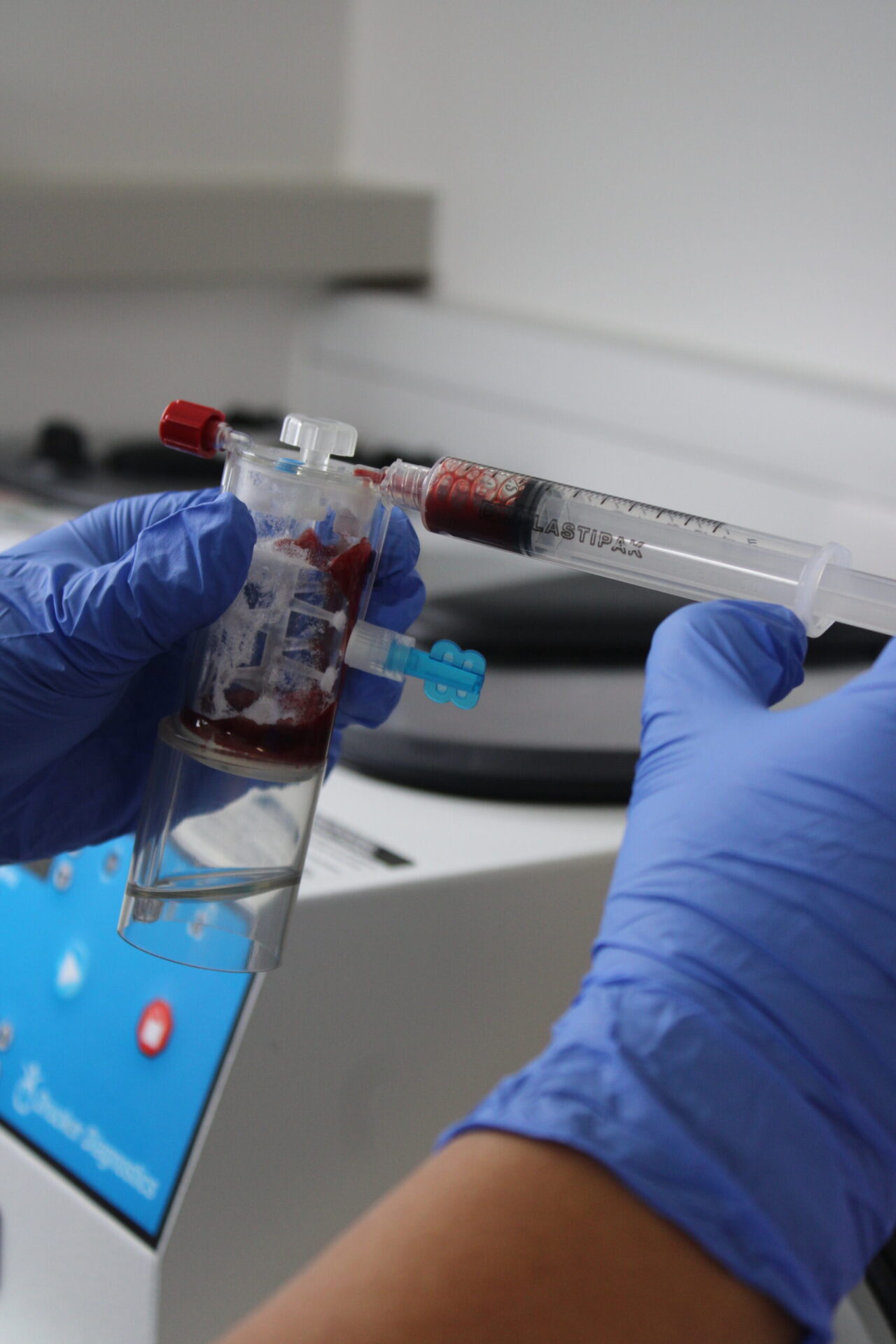
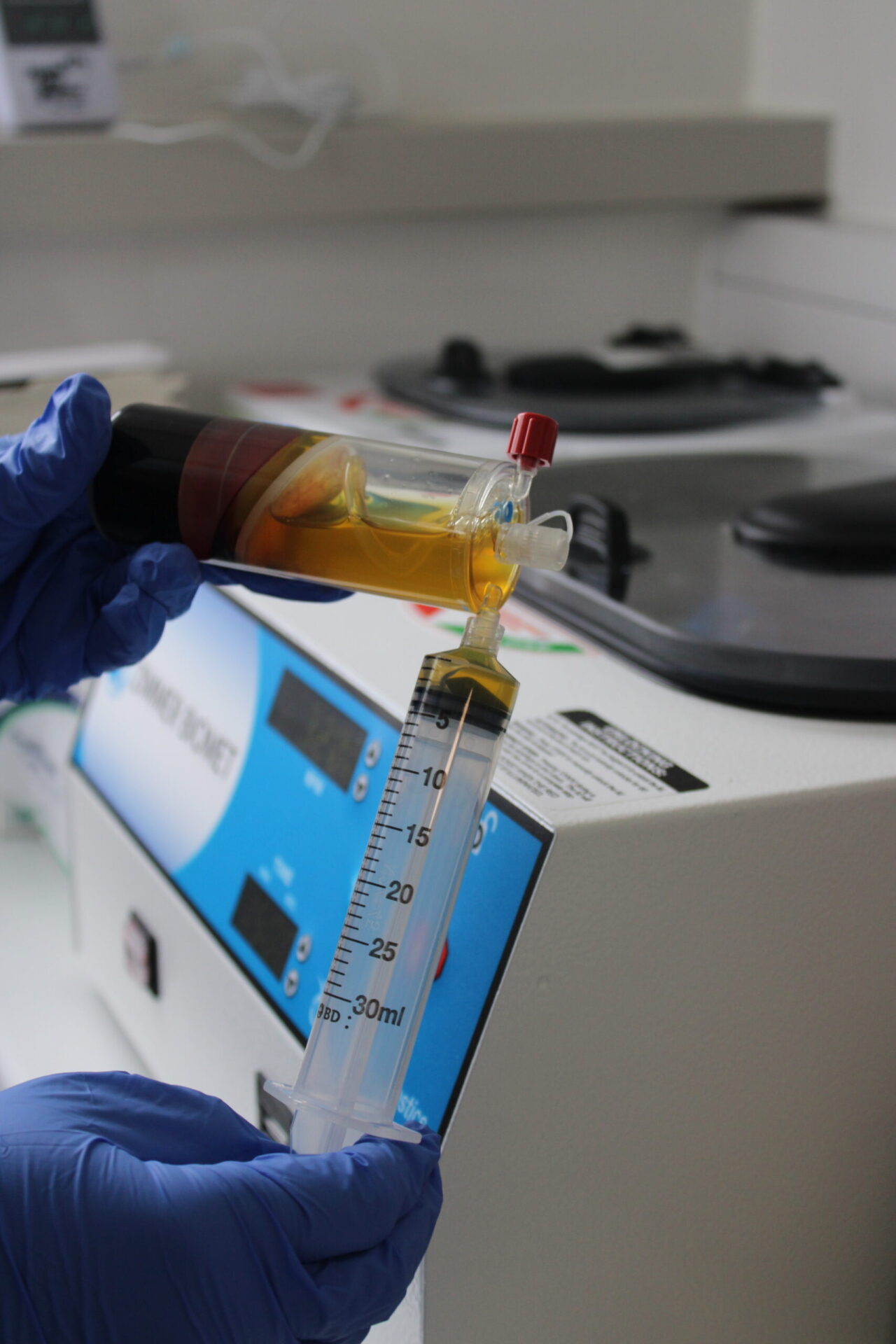
The collected fat is transferred into the Lipogems system, where it is mechanically processed to produce micro-fragmented adipose tissue.

Injection Into the Affected Area

The processed tissue is transferred into the affected joint or soft tissue. Imaging guidance may be used where clinically appropriate to help position the injection.
Conditions Treated

What We Treat with Lipogems

POTENTIAL BENEFITS

What Are the Potential Benefits of Lipogems?

Lipogems has attracted interest in regenerative orthopaedics because it uses tissue collected from the patient's own body.
Potential advantages include:
  • Uses the patient's own adipose tissue.
  • Involves a minimally invasive harvesting and injection procedure.
  • Does not require laboratory cell expansion.
  • Preserves elements of the original adipose tissue structure.
  • May be considered alongside rehabilitation and other treatment approaches.
Meet OUr Founder

Dr Ralph Rogers

MD PhD MBA FACSM FFSEM FFSEM (UK) CEO RRMG
Specialist in Sports Medicine, Regenerative Medicine and Human Performance
Watch Our Introduction Video
Your care pathway

From First Consultation to Recovery

Every condition is different. We assess your symptoms, explain our findings and discuss suitable treatment options, with costs explained before treatment begins.

Initial Consultation

Meet Dr Ralph Rogers to discuss your symptoms and medical history.

Assessment

Examine your condition and review imaging where appropriate.

Treatment Plan

Explore suitable treatments, benefits, risks and costs.

Follow-Up & Rehabilitation

Monitor progress and support your return to daily activities.
RECOVERY & AFTERCARE

Lipogems Recovery and Aftercare

Recovery following Lipogems treatment involves both the fat harvesting site and the area receiving the injection. You may experience temporary soreness, bruising or swelling around these areas. The recovery period varies depending on the treatment area and your individual circumstances.

At RRMG, we provide guidance to help you manage your recovery, which may include:

  • Rest and activity: We recommend limiting strenuous activities during the initial recovery period and following our advice on returning to normal activities.
  • Gradual movement: We encourage a gradual return to movement and exercise based on your recovery progress.
  • Physiotherapy: We may recommend a suitable rehabilitation programme to help maintain mobility and improve strength.
  • Follow-up care: We arrange follow-up appointments to monitor your progress and discuss any further care or rehabilitation requirements.

We will guide you through the recovery process and provide advice based on your progress. However, the extent and timing of improvement vary between patients.

FAQ'S

Frequently Asked Questions About Lipogems

Lipogems may be considered for selected patients with knee osteoarthritis, depending on the extent of joint damage, symptoms and previous treatments. However, it is not a replacement for knee replacement surgery in every case. During your consultation, we assess your condition and discuss whether this treatment or another approach is more appropriate.

We collect a small amount of your own adipose tissue, usually from the abdominal area or another suitable site. This tissue is processed using the Lipogems system before being transferred to the affected joint or soft tissue during the same procedure.

Lipogems produces micro-fragmented adipose tissue (MFAT), which contains different cell types, including stromal cells and supporting tissue structures. Although it is commonly referred to as stem cell therapy, it does not produce an isolated or laboratory-expanded stem cell preparation. Understanding this distinction is important when considering the treatment.

The entire procedure typically takes about 60 to 90 minutes, including fat harvesting, processing, and reinjection. Patients can usually go home the same day and return to light activity shortly after.

Lipogems is being investigated for its potential role in managing symptoms associated with joint conditions. However, current clinical evidence does not establish that it can regenerate lost cartilage or reverse osteoarthritis. We discuss the available evidence and realistic treatment expectations before recommending the procedure.

If previous treatments have not provided sufficient relief, we can assess whether Lipogems is worth considering. Your diagnosis, previous treatment history, imaging findings and overall joint condition will help determine whether it is an appropriate option.

Returning to sports and exercise depends on the treated area, your initial condition and your recovery progress. We provide guidance on activity restrictions and a gradual return to exercise. Physiotherapy may also form part of your rehabilitation programme.

In most cases, Lipogems is considered a private-pay procedure and is not typically covered by the NHS or private insurance. Contact RRMG directly for pricing, finance options, and consultation availability.

Let's Talk

Get in Touch with Us

Have a question or want to learn more about what we do? We're here to help you.

This site is protected by reCAPTCHA and the Google Privacy Policy and Terms of Service apply.

Any Questions, We Can Help You?

Any Specific Queries? Get In Touch

Email Us On:
pa@rrmg.com

Rogers Regenerative Medical Group (RRMG)

Dr Ralph Rogers is internationally recognised as a leader in Sports & Exercise Medicine, with over 25 years of experience treating elite athletes, world-class performers, and patients seeking life-changing non-surgical care.
Newsletter
Get expert insights on injury recovery, regenerative medicine, and wellness, delivered straight to your inbox.
Rogers Regenerative Medical Group (RRMG) © 2026 All Rights Reserved.

Webdesign by EyeMedia Creative

Some of my highlights

Dr Rogers has had a rich and illustrious career so far, which is continuing to grow and develop. Everything Ralph has been involved in since qualifying has added value to his knowledge and experience, but there have been some impressive highlights to note:


  • 2018 – Present Founder Medical Director: Rogers Regenerative Medical Group (RRMG)

  • 2012 – 2024 Medical Advisor – National Basketball Association

  • 2008 – 2018 Medical Director: The London Sports Injury Clinic London

  • 2010-2011 First Team Doctor, Chelsea Football Club

  • 2007- 2010 The Football Association (Team Physician for England under 19 and development squads)

  • 2005-2006 Medical Advisor: Trinidad & Tobago World Cup Football Team

  • 2002 – 2008 Club Doctor: Walsall Football Club, West Midlands England

  • 1998 – 2009 Medical Director: Medical & Orthopaedic Sports Therapy,

  • 2000 – 2005 Sports Physician: Warwickshire County Cricket Club, Birmingham
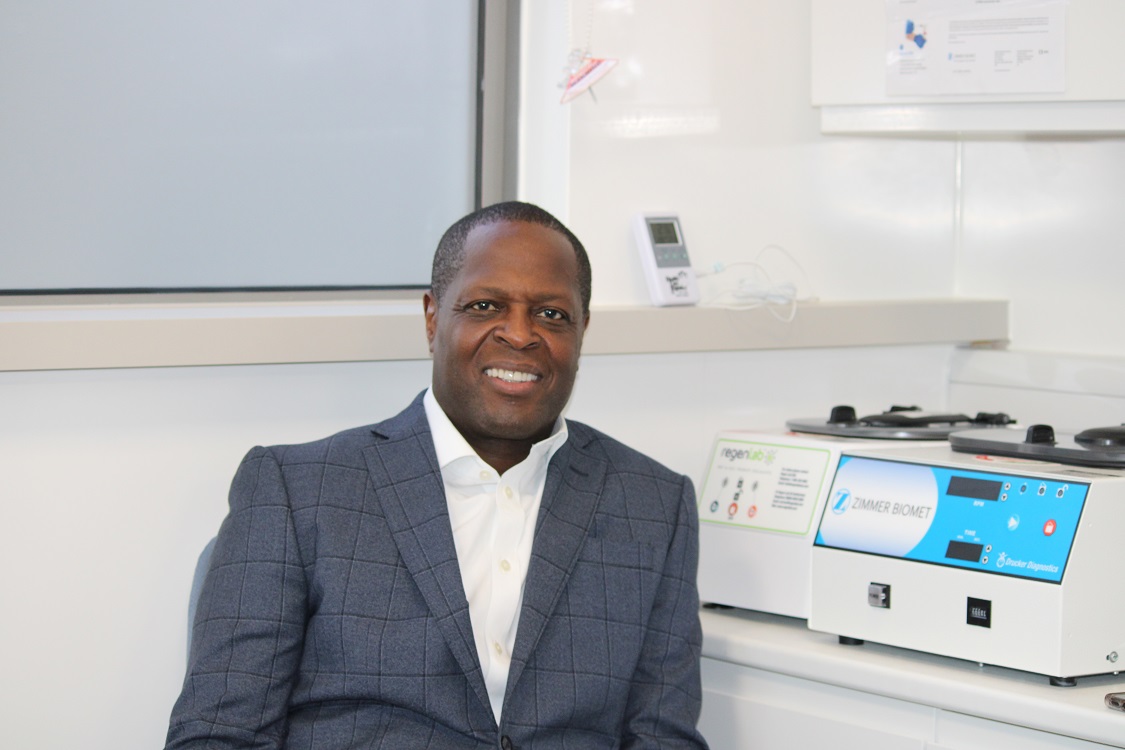
My Philosophy

Your body is the greatest tool you’ll ever have; it’s vital to treat it like that. The intricacies and capabilities of the human body are nothing short of astounding, and that is true for everyone from elite sports stars to weekend warriors. Athletes, amateurs and the general public alike have a responsibility to seek out the best sports and orthopaedic medicine when injury strikes, Dr Rogers offers a combination of world-class qualifications, reams of experience and a distinctive sense of style to ensure your treatment is the best.

Dr. Ralph Rogers' Biography
​

Dr Ralph Rogers is a renowned Consultant in Regenerative Orthopaedics and Sports Medicine, helping patients overcome chronic pain and injury with advanced regenerative treatments. As Founder and CEO of Rogers Regenerative Medical Group (RRMG), he leads clinics across London, providing elite care to both athletes and the general public.

​His academic journey began with a degree in Psychology from the University of Delaware, followed by a Medical Degree from the Catholic University of Leuven in Belgium. Dr Rogers expanded his expertise with a PhD in Exercise Physiology at the University of Maryland, supported by a prestigious NIH Research Fellowship. He also holds a Sports Medicine Fellowship from the Free University of Brussels, an MSc in Musculoskeletal Ultrasound Imaging from Bournemouth University, and an MBA from the University of Leicester.

​Dr. Rogers’ career highlights include serving as First Team Doctor for Chelsea Football Club and over a decade as Medical Advisor to the NBA, where he developed medical protocols for major events including NBA Global Games, Basketball Without Borders, and the Basketball Africa League. During the COVID-19 pandemic, he played a key role in implementing the NBA’s “Bubble” in Orlando, ensuring player safety through rigorous protocols.

​Specialising in non-surgical treatments, Dr Rogers uses cutting-edge therapies like Platelet Rich Plasma (PRP) and alpha-2 macroglobulin (A2M) injections to support joint health and mobility, minimising recovery times.

​He is a Fellow of the American College of Sports Medicine (FACSM) and The Faculty of Sports & Exercise Medicine in the UK and Ireland (FFSEM UK, IRE), where he also serves as an examiner. His dedication to innovation, excellence, and patient-centred care ensures that Dr Ralph Rogers remains at the forefront of regenerative sports medicine.

Phone

Address

Social