
Reading Time: mins
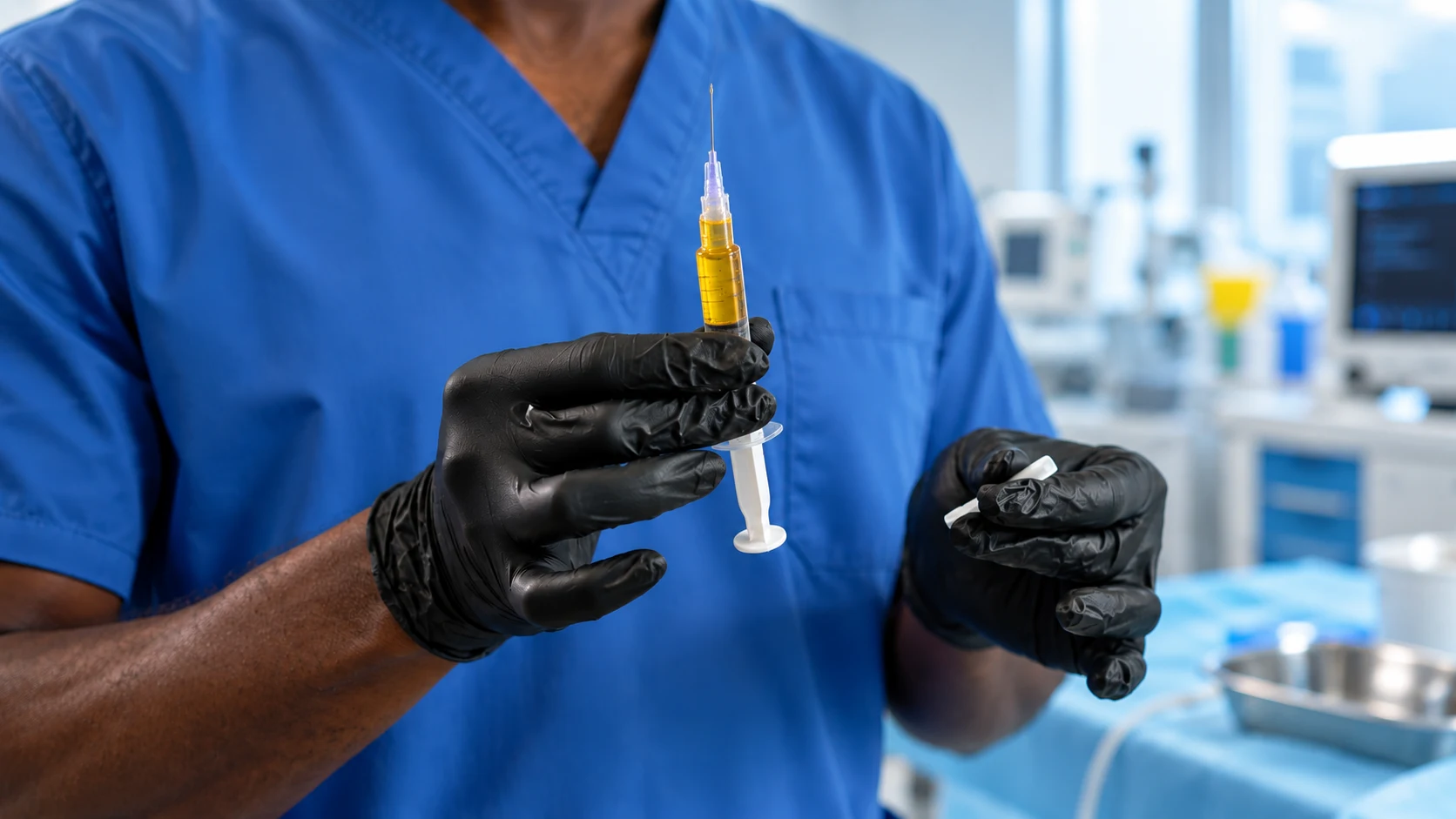
If you are thinking about Lipogems, the most useful question to start with is not “does it work?” but “would it be right for me?”. Not everyone who asks about it turns out to be a good candidate, and a careful selection process is part of doing the treatment well.
In short, Lipogems treatment planning looks at four things together:
No single factor decides the outcome. We weigh them together, and a full medical assessment is always needed before treatment is advised. It is also fair to say that the research on Lipogems is still developing, so we explain what is known, what is uncertain and where the evidence is mixed. In this guide we walk through each factor in plain language so you know what to expect from your assessment at RRMG.
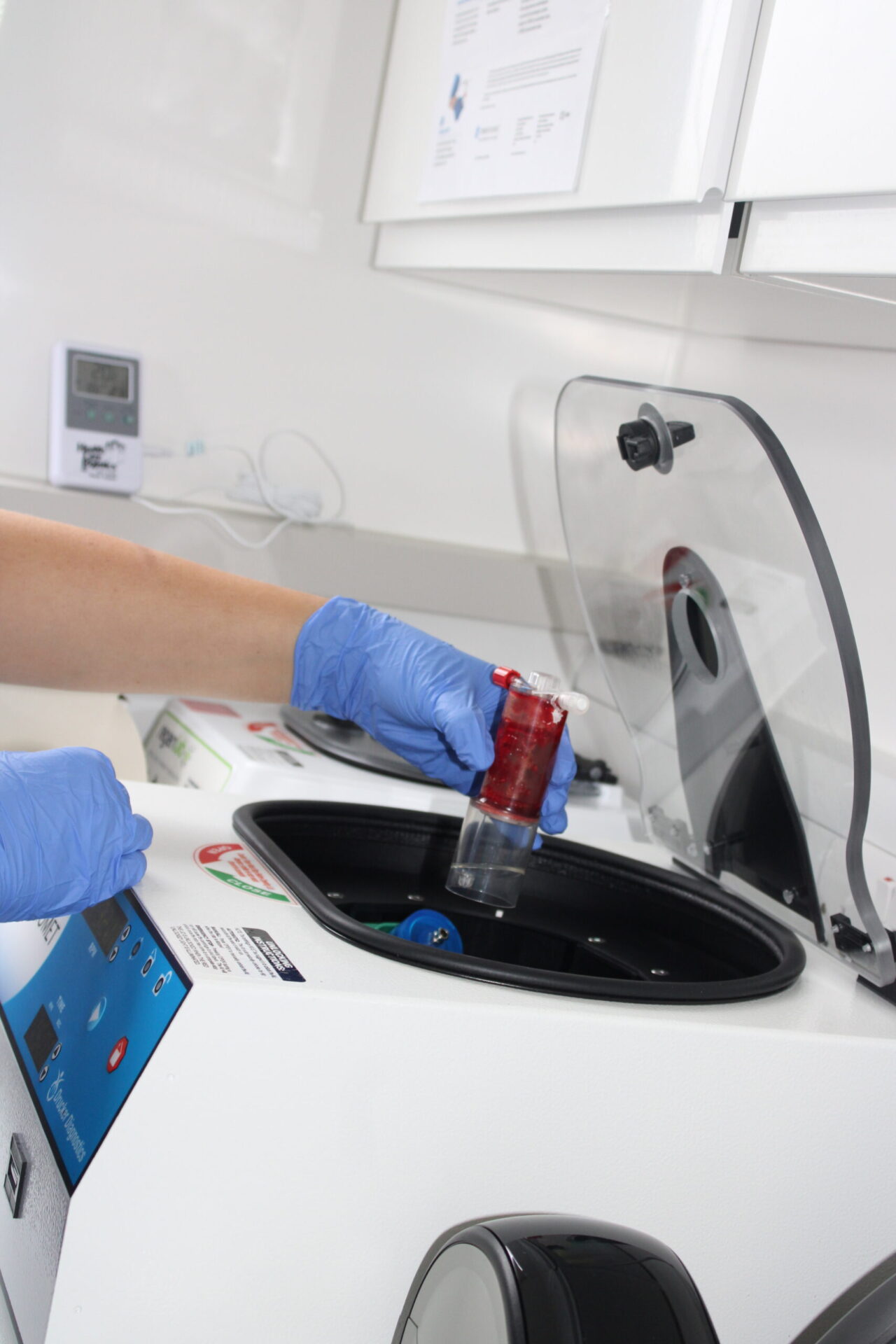
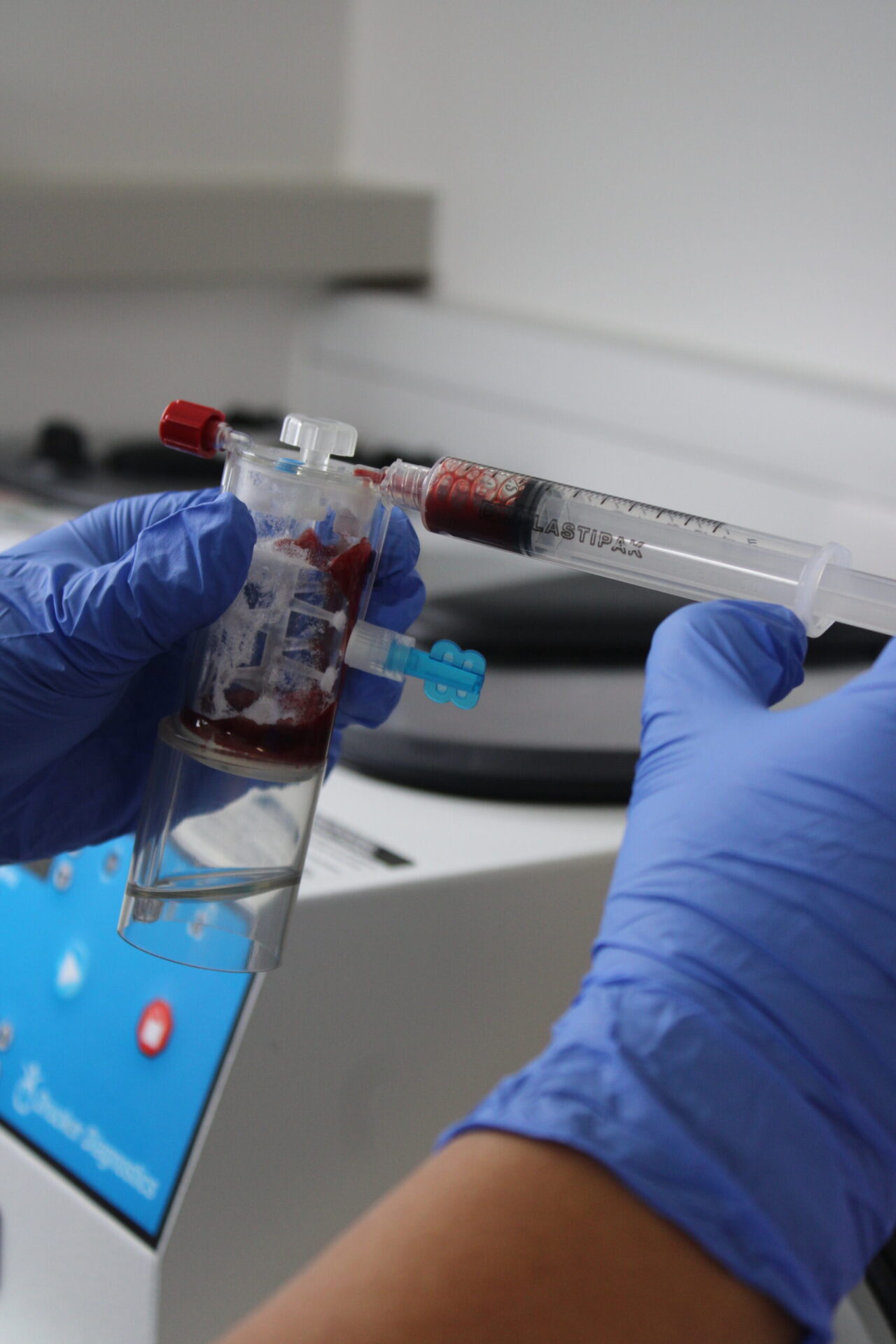
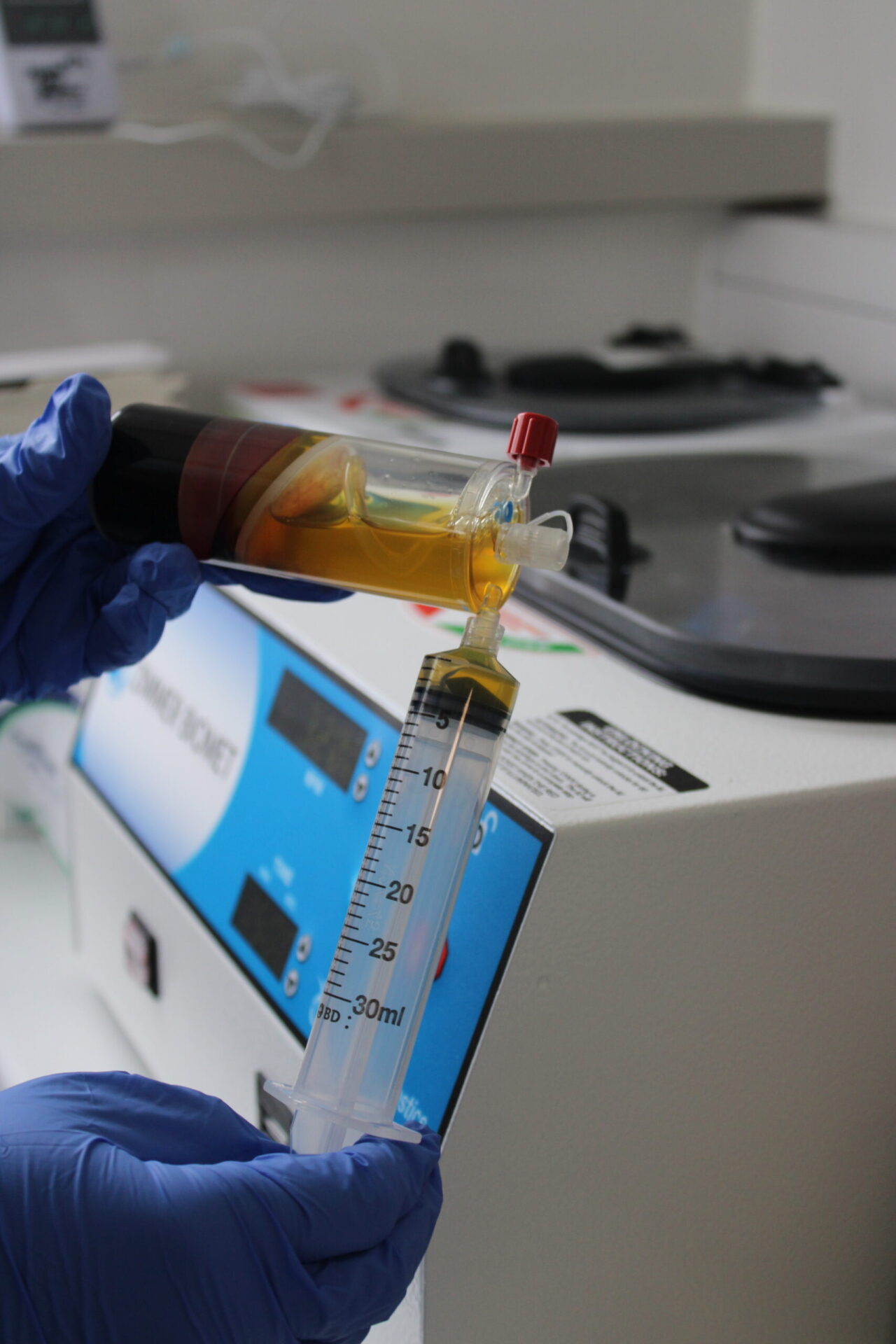
Lipogems is a system for processing a small amount of your own fat. The fat is gently harvested, rinsed and broken into very small fragments in a closed device, then injected into the treatment area. It is often called stem cell therapy, but it is better understood as an injection of your own fat tissue, which contains cells and supportive structures, rather than a lab-grown stem cell product.
The aim is to calm inflammation, cushion the joint and support the surrounding tissues, which may ease pain and help you move better. It does not rebuild a worn-out joint or reverse arthritis. At RRMG, Lipogems treatment is a day-case procedure done under local anaesthetic and usually takes around an hour. That relative simplicity is one reason careful patient selection matters, because the treatment should go to the people most likely to benefit. You can read more about our non-surgical treatments on our website.
The most important factor is what is actually going on inside your joint. Most of the published research on Lipogems is in the knee, so we use the knee as the example here, although the same principles apply to other joints.
Doctors grade knee osteoarthritis on X-ray using the Kellgren-Lawrence scale, from grade 1 (very mild) to grade 4 (severe, with little joint space left). Studies generally suggest that people with milder to moderate arthritis, around grades 2 and 3, tend to respond better than those with the most advanced disease. One 2023 study found that mainly people at grade 2 gained a clear benefit. Other groups have reported improvement even at grade 4, but those studies were small. So advanced arthritis is not an automatic exclusion, but it is a reason for more careful discussion and more cautious expectations.
An X-ray shows bone and joint space, but it does not show everything. A small case series in which Lipogems was used for knee osteoarthritis concluded that an up-to-date MRI is valuable when selecting patients, and that people without marked bone marrow swelling or certain meniscal damage may do better. We also use ultrasound to look at the soft tissues and fluid around the joint. Good imaging helps confirm that arthritis is the main problem and shows whether anything else needs treating first.
A knee that is badly bowed or knock-kneed, or that feels loose and unstable because of ligament damage, is under uneven load. Injecting fat tissue does not correct that. Research trials of Lipogems often exclude people with marked malalignment, ligament laxity or previous major knee surgery for this reason. In everyday practice, these findings do not always rule treatment out, but they can limit how much benefit to expect.
Knee pain can be referred from the hip or the lower back, or come from a tendon, a meniscal tear or a nerve. If the main pain source is elsewhere, treating the joint will not help. Sorting this out is a key part of the assessment, and it is why we start with a proper examination rather than a scan alone, an approach shaped by founder Dr Ralph Rogers’s years of image-guided musculoskeletal work. You can also see the wider range of conditions we treat.
Research trials have usually enrolled adults up to around 70, partly for practical reasons. The idea behind age as a factor is that the regenerative potential of cells tends to decline over the years, so younger patients may respond a little better. Studies are not consistent, however. One case series found younger age linked to better pain improvement at six months, while a recent Belgian study did not find age to be a clear influence. Many older people are treated, and age alone is not a reason to rule treatment in or out. Overall health and the state of the joint tend to matter more.
Extra weight increases the load on the knee and hip, and losing weight is one of the most effective things anyone with arthritis can do. When it comes to Lipogems specifically, studies have not found that higher weight clearly worsens results. In one case series, a higher BMI was even linked to better early response, although the effect was small. Clinical trials, though, often exclude a BMI over 40. Weight management is therefore worth discussing as part of the plan whatever your size, rather than being a simple pass or fail test.
Someone who wants to walk the dog without pain and someone who wants to return to competitive sport are asking for different things. We want to understand what you hope to do, so we can say honestly whether Lipogems is likely to help and how it fits with physiotherapy and strengthening. People who commit to rehabilitation after treatment tend to give themselves the best chance of a lasting benefit.
Lipogems is generally considered when sensible first steps have not given lasting relief, such as exercise, weight management, painkillers and injections. If you have not tried these, we would usually start with an assessment to plan them properly. If you have, the details of what helped and for how long tell us a lot about your joint.
Of all the factors, this is one of the most important. Lipogems may reduce pain and improve function over several weeks to months, but it is not guaranteed to work, the benefit may fade, and it will not make an arthritic joint young again. People who understand this going in are usually the ones who are happiest with the outcome, whatever the result.
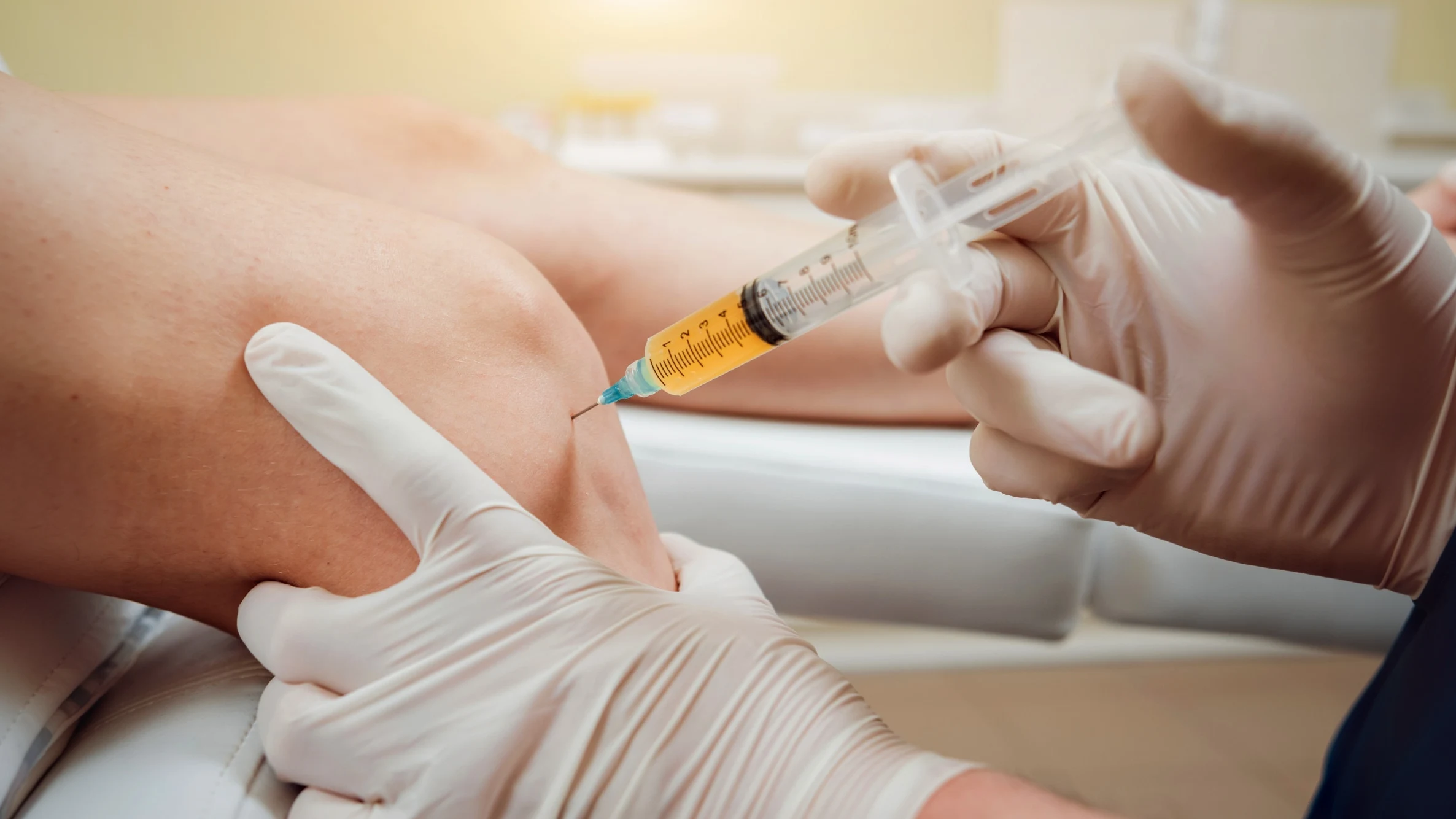
Lipogems uses your own tissue, which means there is no risk of rejection and a low risk of allergic reaction to the tissue itself. It is still a procedure with a needle and a small tissue harvest, so your overall health needs to be checked before we recommend it.
Things we will usually ask about include:
Some protocols also ask people to avoid anti-inflammatory tablets for several weeks afterwards, since the aim is to let the early healing response take place. We will tell you what applies to you.
None of these automatically rules you out, and many can be managed with planning. The point of asking is to make the treatment as safe as possible for you.
Choosing Lipogems also means being comfortable with what the treatment involves.
There are three steps. A small amount of fat is gently harvested, commonly from the abdomen, using local anaesthetic. The fat is processed in the closed Lipogems system, and a few millilitres of the resulting tissue are injected into the joint, usually with image guidance. In published studies, around 25 to 30 millilitres of fat is typically harvested to produce about 7 millilitres of final injectable tissue. The whole visit usually takes around an hour to an hour and a half, and you go home the same day.
Expect some soreness, swelling or bruising at both the harvest site and the joint for a few days. Most people return to normal daily activity within one to two weeks, and many notice gradual improvement over the following two to eight weeks, although this varies. In the Belgian study, for example, about one in five patients had temporary joint swelling and pain that settled without treatment within two months. Physiotherapy and a graded return to activity work alongside the injection, and strenuous or explosive sport is often discouraged for the first few weeks.
Lipogems is a private treatment, and we work with a wide range of insurance providers as well as self-funding patients, although not every service is covered. It is sensible to understand the cost before you decide, and our fees page has the current figures.
This table summarises how these factors are generally viewed. It is a guide to the thinking, not a checklist you can score yourself on, because we weigh everything together.
| Factor | Generally more favourable | Calls for more caution |
| Arthritis stage | Mild to moderate (grades 2 and 3) | Advanced (grade 4), where benefit is less certain |
| Pain source | Pain clearly matches the arthritic joint | Pain from hip, back, tendon or nerve |
| Alignment and stability | Joint reasonably well aligned and stable | Marked bowing or knock-knee, loose ligaments |
| Imaging | Recent MRI or ultrasound consistent with arthritis | Marked bone marrow changes or meniscal damage |
| Previous treatment | Exercise, weight management and injections tried without lasting relief | First-line measures not yet tried |
| Age | Mixed evidence, not a cut-off | Very limited research above around 70 |
| General health | Well controlled, no active infection | Blood thinners, active infection, uncontrolled conditions |
| Expectations | Aiming for less pain and better function | Expecting a cure or a rebuilt joint |
It is important to be open about what the research does and does not show, because it directly affects who should be offered treatment.
Many studies, most of them case series without a comparison group, report clear improvements in pain and function after a single injection. A recent Belgian study of 39 patients with knee osteoarthritis grades 2 to 4 found that scores on a standard knee questionnaire improved by more than the clinically important threshold, peaking at six months and staying above baseline at twelve months. The authors noted, however, that without a control group, placebo effects and natural fluctuation in symptoms could explain part of the benefit.
Controlled trials give a more cautious picture. A randomised trial of 75 people compared a micro-fragmented fat injection made with Lipogems, a steroid injection and a saline injection, and reported that the fat injection reduced pain more than saline over a year, while the steroid helped early on. By contrast, a blinded trial with two years of follow-up published in the British Journal of Sports Medicine in 2025 found no clear difference between micro-fragmented fat and a saline placebo injection. A systematic review that compared micro-fragmented fat with platelet-rich plasma and bone marrow concentrate found no clear statistical differences between them, although the certainty of the evidence was low.
It suggests that Lipogems may help some people, that results are not the same for everyone, and that no one can promise a particular outcome. It is one reason we encourage a careful conversation, and why the treatment is best viewed as one option among several, not a guaranteed alternative to surgery. We discuss regulation, availability and what is formally approved in a consultation, and will always tell you what is established and what is still emerging.
Sometimes the honest answer from an assessment is that Lipogems is not the best next step. This is more likely if:
In those cases, other routes may suit you better. For many people with milder arthritis, PRP injections are a less invasive biologic option that needs no fat harvest. Ultrasound-guided steroid injections can settle a flare for a few weeks. If pain persists, treatments that target the pain nerves around the knee, such as cooled radiofrequency, are part of the range we describe for knee osteoarthritis. And when a joint is very advanced, we work with orthopaedic surgeons so that you can get a surgical opinion if one is needed. Our aim is to match the treatment to the person, not the other way round.

It makes sense to book an assessment if joint pain has lasted more than six to eight weeks despite self-care, if exercise, painkillers or injections have not given lasting relief, or if you have been told you have arthritis and want to understand every option before considering surgery. A specialist opinion is also worth having if you are unsure whether your pain is really coming from the joint.
Whether Lipogems makes sense for you depends on your joint, your health, your goals and what you have already tried. No article can answer that, and not everyone who asks about Lipogems will turn out to be a suitable candidate. A consultation is the way to find out, and it does not commit you to treatment.
RRMG is a private regenerative orthopaedics and sports medicine clinic on Blythe Road, London, and we personally run every case, drawing on founder Dr Ralph Rogers’s image-guided musculoskeletal experience. We work with a wide range of insurance providers as well as self-funding patients.
When you see us, we review your history and scans with you, examine the joint, explain what is likely to help and what is not, and talk through the options from rehabilitation and injections to regenerative treatments. You get fast access to a specialist, a clear diagnosis instead of continued guesswork, and a plain explanation of what Lipogems can and cannot do for you. If Lipogems is appropriate, we explain exactly what the procedure involves and what a likely result looks like.
| Service | Indicative Price |
| Lipogems treatment | From £6,500 |
Please visit our fees page for current, exact pricing.
If joint pain is limiting what you can do, book a consultation with us today:
It is possible in some cases, but results tend to be less predictable in very advanced arthritis, and the evidence is limited. We would talk through sensible expectations and whether another option, including surgery, might be more reliable.
Not on its own. Studies have not shown that higher weight clearly worsens the result, although some trials exclude very high BMI. Weight management helps your joints whatever treatment you choose.
We decide what imaging you need at your assessment. An X-ray is usually the starting point, and an MRI or ultrasound can add useful detail about the soft tissues and the cause of your pain.
This needs individual advice. Never stop a prescribed medicine without medical guidance. We weigh the bleeding risk against the benefit and advise you.
Sometimes both are treated in the same visit, depending on your symptoms and our advice. This is a decision to make at assessment.
Repeat treatment is not yet well established. Some studies suggest the benefit can fade after the first year, and research on a second injection is still limited. We can discuss what is sensible if your symptoms return.
It may reduce pain enough to make surgery less pressing for some people, but it cannot be promised. If your joint is badly damaged, a replacement may still be the right option.
Dr Rogers has had a rich and illustrious career so far, which is continuing to grow and develop. Everything Ralph has been involved in since qualifying has added value to his knowledge and experience, but there have been some impressive highlights to note:
2018 – Present Founder Medical Director: Rogers Regenerative Medical Group (RRMG)
2012 – 2024 Medical Advisor – National Basketball Association
2008 – 2018 Medical Director: The London Sports Injury Clinic London
2010-2011 First Team Doctor, Chelsea Football Club
2007- 2010 The Football Association (Team Physician for England under 19 and development squads)
2005-2006 Medical Advisor: Trinidad & Tobago World Cup Football Team
2002 – 2008 Club Doctor: Walsall Football Club, West Midlands England
1998 – 2009 Medical Director: Medical & Orthopaedic Sports Therapy,
2000 – 2005 Sports Physician: Warwickshire County Cricket Club, Birmingham