
Reading Time: mins
Last Updated: 09/18/26
If you have been living with low back pain that will not settle, you may have come across platelet-rich plasma as an option worth asking about. At RRMG, we treat this question often, and the honest answer is that PRP can help certain types of low back pain, though not every cause of back pain responds the same way. This guide walks through what a PRP injection for low back pain actually involves, who tends to benefit, and what the current evidence says.
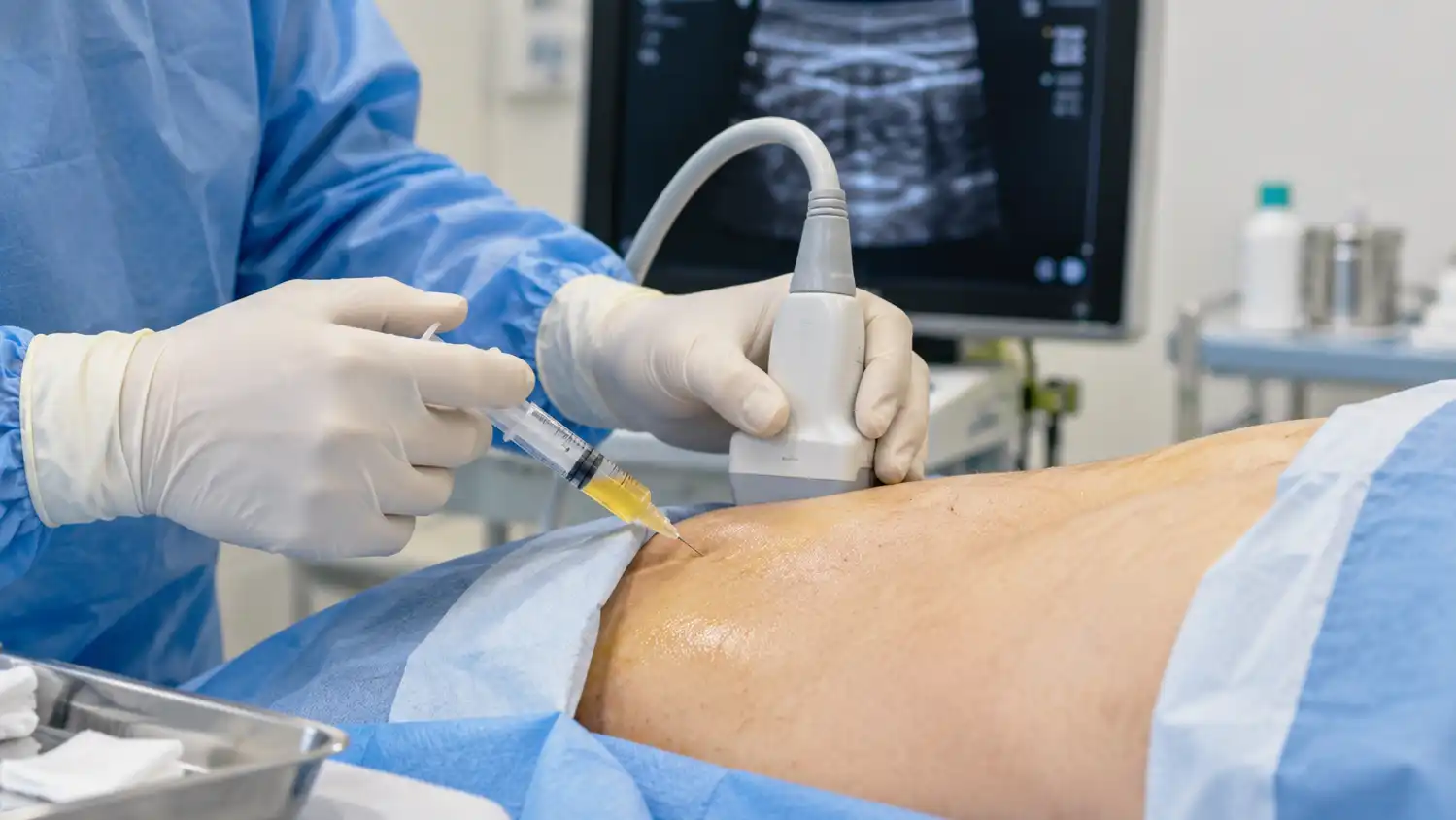
A PRP injection for low back pain uses a concentrated sample of your own blood platelets, drawn and processed on the same visit, then injected into the specific structure in your spine that is driving your pain. Platelets carry growth factors that support your body’s own repair response, and concentrating them in one targeted dose is the whole point of the treatment.
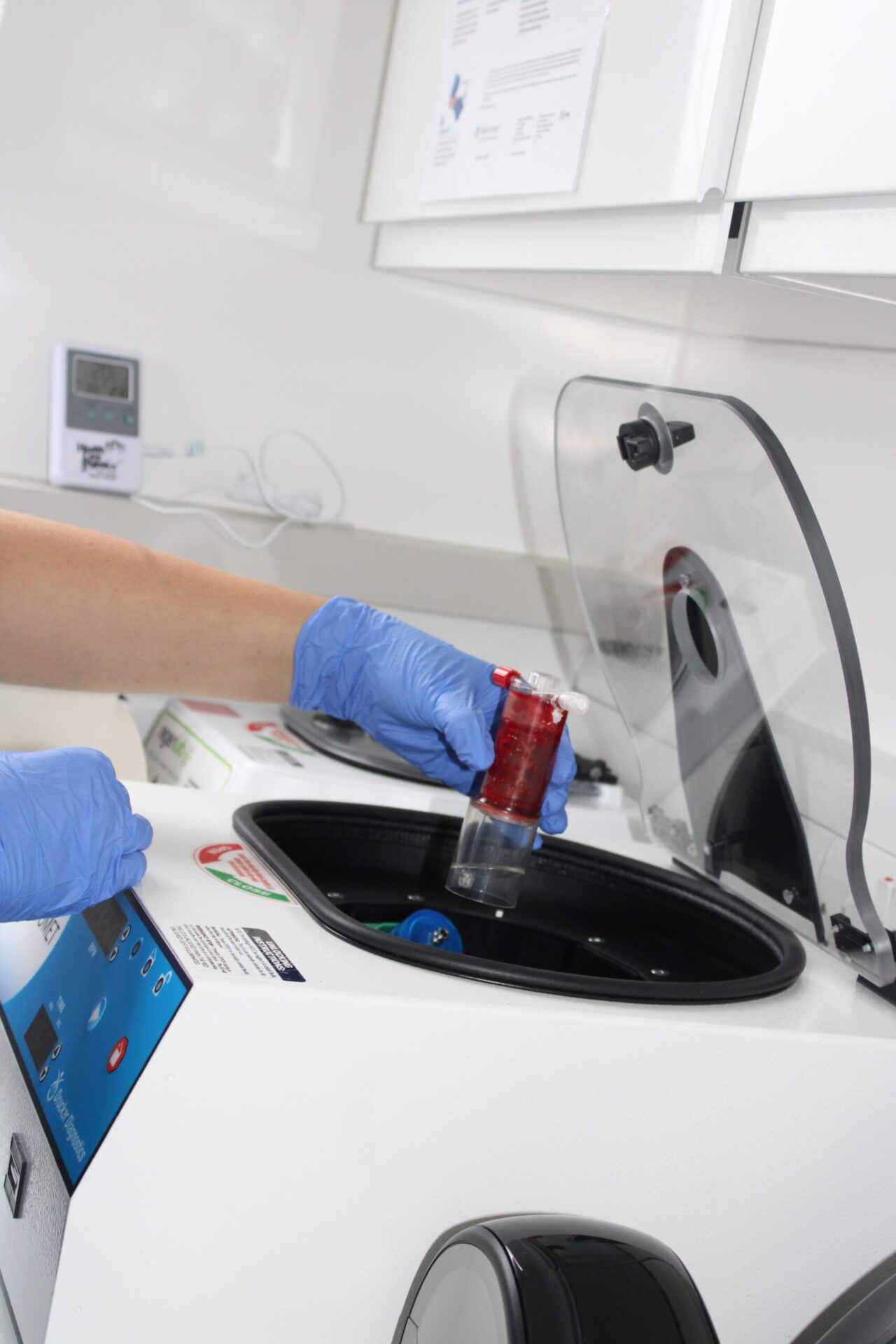
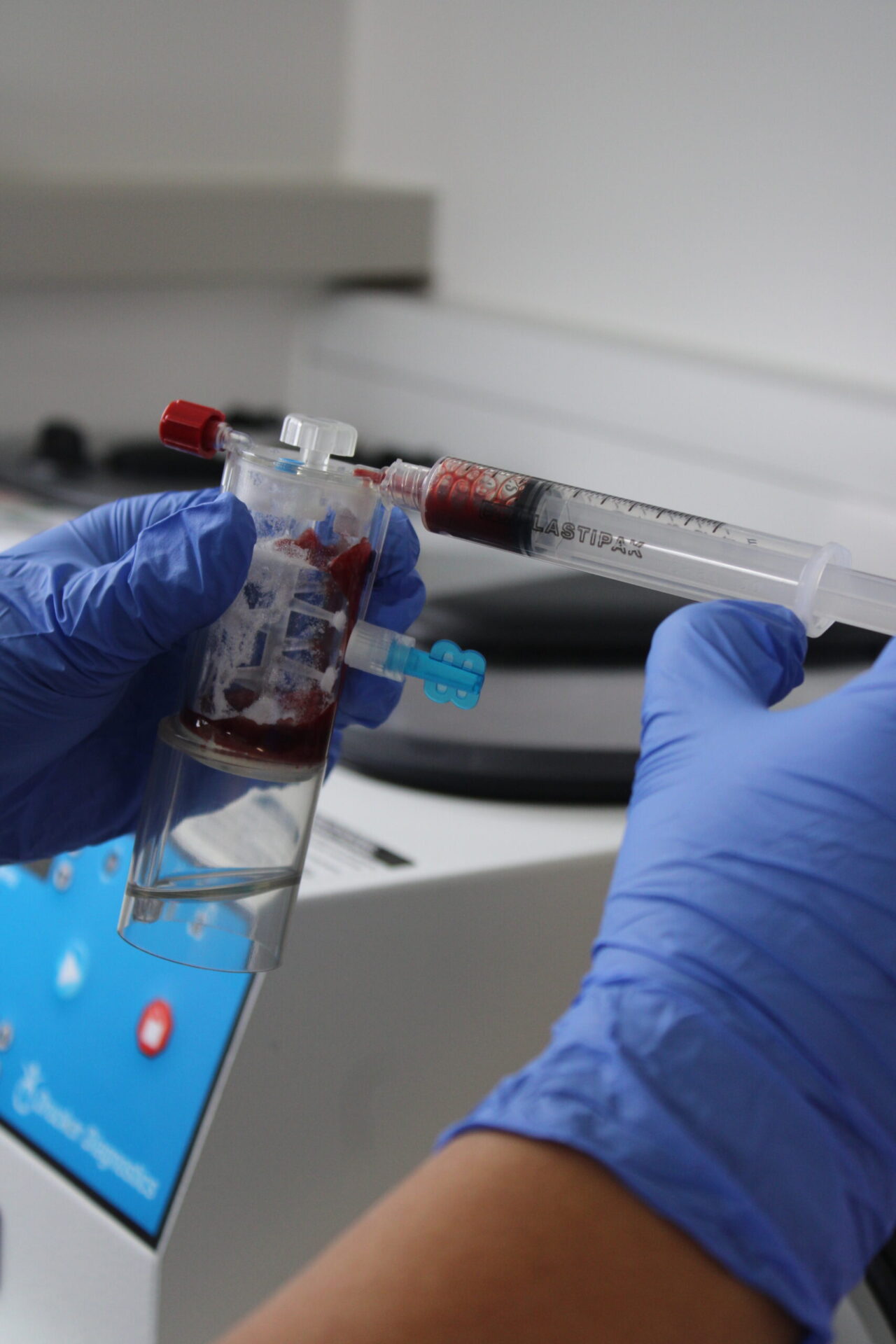
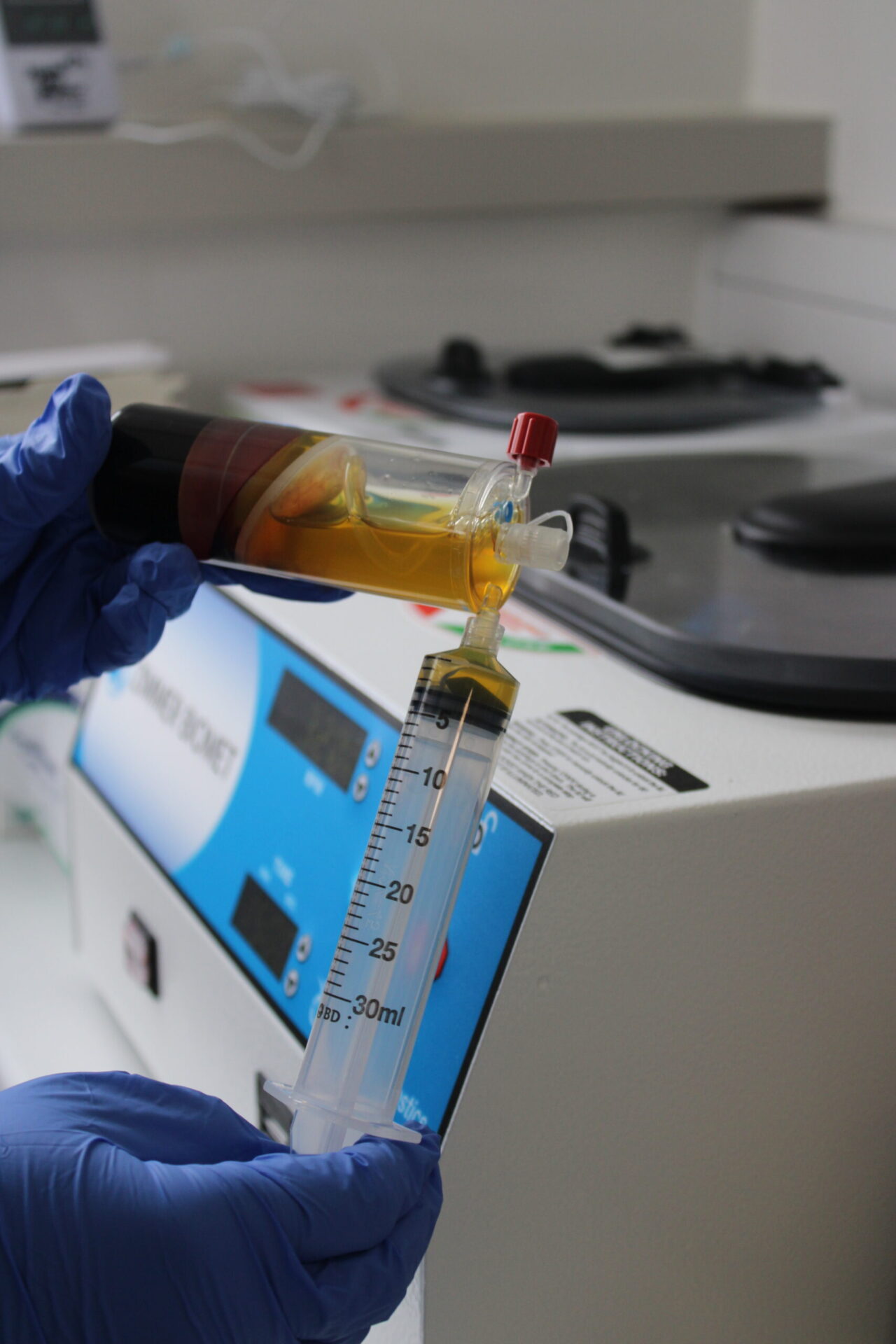
The process starts with a small blood draw, much like a routine blood test. We spin that sample in a centrifuge to separate out the platelet-rich layer, leaving behind a plasma solution many times more concentrated in platelets than ordinary blood. Using ultrasound or imaging guidance, we then inject that plasma directly into the joint, disc, or soft tissue structure we have identified as the source of your pain.
This matters because low back pain rarely has one single cause. A PRP injection that targets a facet joint works differently to one aimed at a degenerating disc, which is why getting an accurate diagnosis before treatment is the first real step, not an afterthought.
The idea behind PRP is not new science dressed up in new language. Platelets have always played a central role in how your body heals cuts, strains, and soft tissue damage. What PRP does differently is take that same biological process and deliver it in a far higher concentration than your blood would ever produce on its own, placed exactly where it is needed rather than spread throughout your bloodstream. For a joint or disc that has been struggling to heal on its own for months, that concentrated, targeted dose can make a real difference.

Yes, PRP back pain treatment can help, and a well-targeted PRP injection lower back pain approach works best when your pain is traced to a specific structural cause rather than back pain in general. The clearest evidence supports PRP for facet joint pain, sacroiliac joint pain, and certain cases of disc-related pain, where injecting concentrated platelets directly into the affected structure gives your body a genuine head start on repair.
Where PRP is less suited is pain with no clear structural driver. A short list of signs that need urgent medical assessment first, rather than a regenerative injection, includes:
The practical takeaway is that PRP is not a blanket fix for every ache in your lower back. It works when we can pinpoint the joint, disc, or tissue causing your pain, and then place the treatment exactly there.
This is also why the first conversation we have with any new patient is rarely about treatment at all. It is about listening carefully to how your pain behaves, where it sits, what makes it worse, and what your day-to-day life looks like around it. That picture, combined with imaging and sometimes a diagnostic injection, tells us whether PRP is likely to help your specific case, or whether a different approach altogether would serve you better.
Facet joints and sacroiliac joints are two of the most common structural sources of chronic low back pain, and this is where PRP has some of its strongest recent evidence behind it.
A systematic review and meta-analysis published in 2025 compared PRP against corticosteroid injections for facet and sacroiliac joint pain and found PRP injections may actually outperform corticosteroids in reducing pain from these joints over time.
This finding matters because corticosteroid injections, while effective short term, tend to wear off within weeks to a few months and cannot be repeated indefinitely without risking joint or tissue damage. PRP works through a different mechanism entirely: rather than just reducing inflammation temporarily, it aims to support the joint’s own healing response, which is part of why its benefits can last longer for some patients.
For sacroiliac joint pain specifically, a separate 2026 study comparing PRP with corticosteroid injections for chronic low back pain linked to sacroiliitis reported comparable safety between the two, with PRP holding its own even against a treatment that has been the default for decades. This is why we count PRP injections for SI joint pain among the strongest, most evidence-backed uses of this treatment for the lower back.
We always confirm which joint is driving your pain, usually through a combination of your symptom pattern and a diagnostic injection, before recommending PRP for facet or sacroiliac pain specifically.
It is also worth understanding why facet and sacroiliac joints respond so well to this particular approach. Both are small, mechanically active joints that take on a disproportionate amount of load during everyday movement like twisting, standing from sitting, or walking on uneven ground. Once irritated, they tend to stay irritated, since ordinary daily movement keeps aggravating the same tissue. Placing PRP directly into that joint space gives the tissue a genuine opportunity to settle and repair, rather than asking it to heal while still under constant mechanical strain.
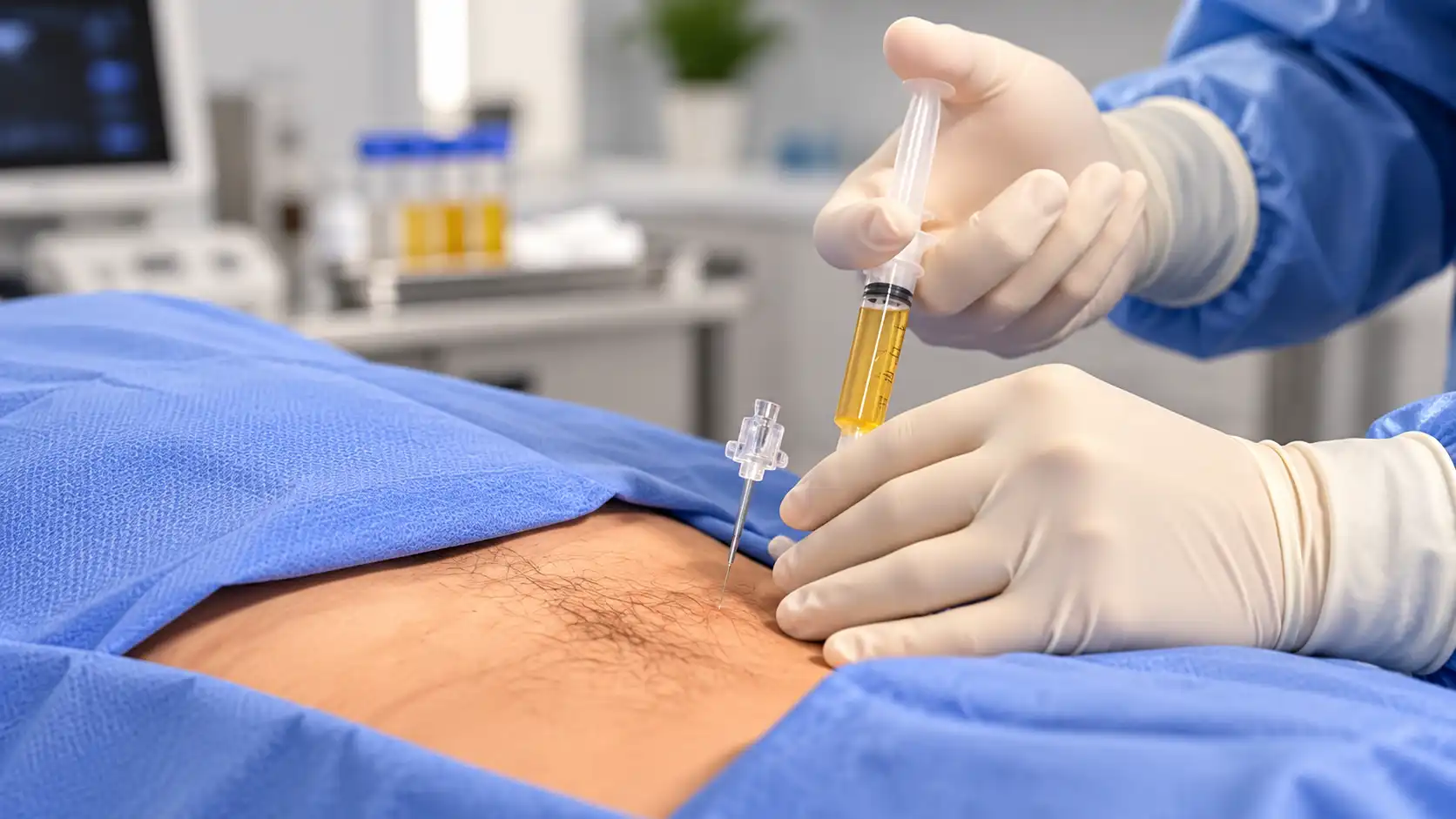
PRP for degenerative disc disease is one of the better-studied uses of this treatment in the lower back, though the evidence here is encouraging rather than definitive. Whether PRP helps degenerative disc disease enough to be worth pursuing usually comes down to how advanced the degeneration is, and whether imaging confirms the disc itself, rather than a nearby joint, is the source of your pain.
Patients often ask us directly: does PRP help degenerative disc disease enough to avoid surgery? For many, the honest answer is that it can noticeably reduce pain and improve function, though it is not guaranteed to reverse the degeneration itself. A detailed review covering thirteen randomized controlled trials across intradiscal, facet, and epidural PRP approaches found that eleven of those thirteen trials showed favorable results compared to control treatments, with pain reduction reported across follow-up periods ranging from roughly six months to over a year.
One long-term case series within that same body of evidence followed patients for nearly six years and found sustained improvement in more than 90% of them, which is a striking figure for a condition that often gets managed rather than actually improved. We share this figure with the caveat that it comes from a case series, not a large randomized trial, so it points to real promise rather than a guarantee for every patient.
For degenerative disc disease specifically, PRP is injected directly into the disc space under image guidance, aiming to calm the inflammatory process inside the disc that drives much of the pain. This intradiscal approach is more involved than a facet or sacroiliac joint injection, since it requires precise placement inside a disc rather than around it, which is one reason we only recommend it once imaging has confirmed the disc itself is the likely source of your symptoms. If you would rather understand the full range of options before considering an injection, our guide to non-surgical options for disc degeneration in the lower back covers the broader picture, including where PRP fits alongside other approaches. If you are also weighing PRP against stem cell therapy for a disc-related problem, that comparison is a helpful read before you decide.
Does PRP work for herniated disc pain? The evidence here is still developing, and we want to be upfront about that rather than overselling it.
Some of the same intradiscal and epidural PRP trials mentioned above included patients with disc herniation and radicular leg pain, and a 2025 meta-analysis directly comparing epidural PRP with steroid injections for this exact group found the two treatments gave comparable pain relief, without PRP proving clearly superior.
That does not mean PRP has no role here. It means the honest picture is that PRP appears to work about as well as steroid injections for radicular pain from a herniated disc, with a similar safety profile, rather than being a dramatically better alternative. For some patients, that comparable effectiveness combined with PRP’s regenerative mechanism still makes it worth discussing, particularly if steroids have already been tried or are not suitable.
We always talk through where the evidence is strong versus where it is still emerging, so you can make an informed decision rather than assuming every regenerative treatment carries the same weight of proof. Herniated discs also vary a great deal in severity, and a disc bulge causing mild irritation is a very different picture from a large herniation pressing directly on a nerve root. That distinction, confirmed through imaging, plays a direct part in whether PRP, a different injection, or a specialist referral is the right next step for you.
A PRP injection lower back procedure is typically quick and well tolerated, whether it is delivered as a single treatment or as part of a short course for more persistent back pain. Most patients describe only mild discomfort during the injection itself, and a local anaesthetic can be used to minimise this further.
There is little to no real downtime afterward, and most people return to normal daily activities within 24 to 48 hours. People researching PRP for back injuries from sport or general strain, not just degenerative conditions, usually go through the same simple process.
Because PRP uses your own blood, the risk of allergic reaction or rejection is minimal compared with injected medications. The main practical requirement on your end is a short period avoiding anti-inflammatory painkillers before treatment, since these can interfere with the platelet activity the injection relies on. We will talk you through this in detail before your appointment.
Results are not immediate, so setting the right expectations matters. Here is roughly what to expect after a PRP back injection:
| Timeframe | What to Expect |
| 24 to 48 hours | Mild soreness at the injection site settles, most people resume desk-based work and driving |
| A few weeks | Improvement usually begins as the regenerative process takes hold |
| Four to six weeks | Fuller results typically develop for most patients |
| Up to three months | Some patients continue to notice further gains |
Many people see real benefit from a single PRP back injection, though depending on the severity and cause of your pain, a short course of two to three sessions is sometimes recommended for the best outcome. Most patients can drive themselves home afterward, though we usually suggest holding off on heavy lifting or intense exercise for a short window while the treated area settles. Everyone heals at a slightly different pace, so we build a simple aftercare plan around your specific case rather than handing you a generic printed sheet on your way out.
Every PRP injection at our Blythe Road clinic in London is delivered personally by founder Dr Ralph Rogers, using image-guided technique to make sure the treatment reaches exactly the structure causing your pain. That level of hands-on precision is not incidental. It comes from more than 25 years working in sports medicine, including time as first-team doctor for Chelsea FC and as a medical advisor to the NBA, where accurately diagnosing the actual source of pain, rather than just treating the symptom, was the difference between an athlete returning to form or not.
We bring that same diagnose-first approach to every patient who comes to us with low back pain, whether you are managing an old injury, a desk-related flare-up, or a longer-standing condition like facet joint arthropathy. Your body is capable of a genuine healing response when it is given the right, targeted support, and that principle guides how we approach every case, not just the ones involving elite athletes.
If you are based in Kensington, Chelsea, or elsewhere in West London and have been putting off getting your back pain properly assessed, this is exactly the kind of case we see regularly and can usually get you seen for quickly.

We are a private regenerative orthopaedics and sports medicine clinic on Blythe Road in London, founded by Dr Ralph Rogers, and every PRP case that comes through our doors is one we personally run from diagnosis through to treatment. We also work with a wide range of insurance providers, as well as self-funding patients, so cost should not be the reason you put off getting an accurate answer about your back pain.
Getting a proper diagnosis matters more than most people realise. Too many people live with low back pain for months or years without ever finding out exactly which structure is causing it, cycling through generic advice instead of a specific answer. A specialist assessment with us means you get a clear diagnosis, not continued guesswork, and you can typically be seen far sooner than a standard NHS referral pathway would allow.
From there, if PRP is the right option for your specific diagnosis, booking in is simple. Here is a starting guide to what is involved:
| Service | Indicative Price |
| Initial Consultation | From £300 |
| PRP Treatment (per injection) | From £1,020 |
| PRP Treatment (package of 3) | From £2,500 |
These are starting figures only. Visit our fees page for current, exact pricing, since costs can be reviewed and updated over time.
Whatever stage you are at, whether you want a second opinion or you are ready to book, we would rather you come in and get a real answer than keep guessing at home.
You can also request an appointment directly through our website at any time.
PRP therapy for back pain is a treatment that uses a concentrated dose of your own blood platelets, injected directly into the joint, disc, or tissue causing your pain. It aims to support your body’s natural repair response rather than simply masking pain the way some other injections do. The procedure takes a single clinic visit and carries minimal downtime for most patients.
Most patients begin noticing improvement within a few weeks of a PRP injection for back pain, with fuller results typically developing over four to six weeks. Some people continue to see gains for up to three months afterward, since the regenerative process builds gradually rather than delivering instant relief. This is different from a steroid injection, which tends to work faster but wear off sooner.
It depends on which part of your back is affected. Recent evidence suggests PRP may outperform corticosteroid injections specifically for facet and sacroiliac joint pain, while for radicular pain from a herniated disc, PRP and steroid injections appear to work about equally well. Neither treatment is universally better, which is why an accurate diagnosis matters before choosing between them.
Many patients see real benefit from a single PRP session, though a short course of two to three injections is sometimes recommended depending on the severity and specific cause of your back pain. We will recommend a number based on your individual diagnosis rather than applying the same course to every patient.
PRP is generally considered safe because it uses your own blood, which removes the risk of allergic reaction associated with some injected medications. Reported side effects across clinical studies have been minor and infrequent, with serious complications rare. As with any injection, there is a small risk of localised discomfort, bruising, or infection at the injection site.
Dr Rogers has had a rich and illustrious career so far, which is continuing to grow and develop. Everything Ralph has been involved in since qualifying has added value to his knowledge and experience, but there have been some impressive highlights to note:
2018 – Present Founder Medical Director: Rogers Regenerative Medical Group (RRMG)
2012 – 2024 Medical Advisor – National Basketball Association
2008 – 2018 Medical Director: The London Sports Injury Clinic London
2010-2011 First Team Doctor, Chelsea Football Club
2007- 2010 The Football Association (Team Physician for England under 19 and development squads)
2005-2006 Medical Advisor: Trinidad & Tobago World Cup Football Team
2002 – 2008 Club Doctor: Walsall Football Club, West Midlands England
1998 – 2009 Medical Director: Medical & Orthopaedic Sports Therapy,
2000 – 2005 Sports Physician: Warwickshire County Cricket Club, Birmingham