
Reading Time: mins
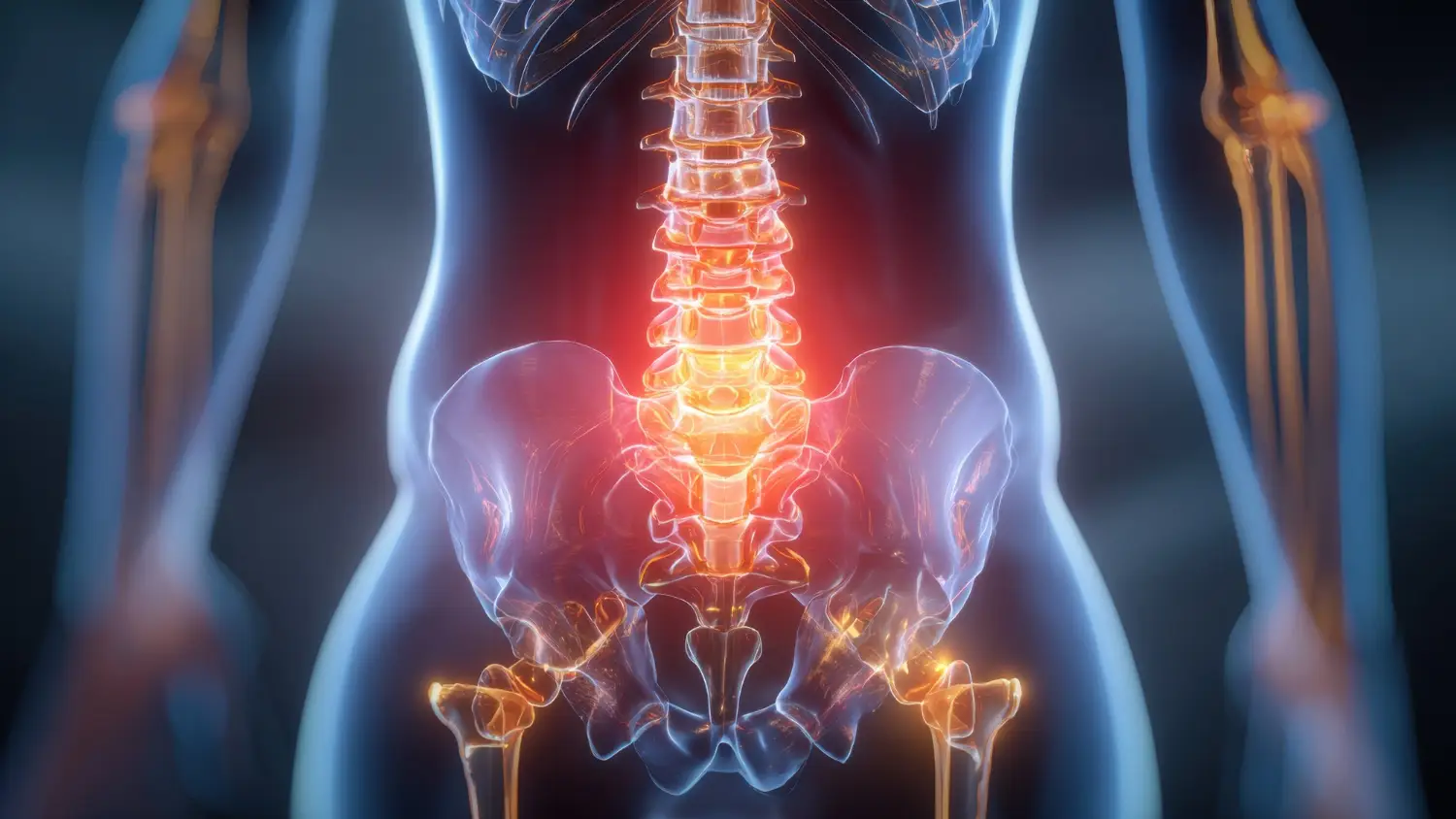
A dull ache across your lower back that will not fully go away, worse in the morning and easing once you get moving, is one of the most common reasons people search for answers about their spine. For many of you, that ache has a name: lumbar spondylosis, sometimes also called spinal osteoarthritis or facet joint arthritis. It is an incredibly common finding, and in most cases it is manageable without surgery. This guide walks through what lumbar spondylosis disease is, why it develops, how we tell it apart from related conditions like spinal stenosis, and the non-surgical back pain treatment options we offer at Rogers Regenerative Medical Group in London.
Lumbar spondylosis disease is the medical term for age-related, degenerative changes in the joints and discs of your lower spine, often described simply as spinal wear and tear. As you age, the cartilage in your facet joints gradually thins and the discs between your vertebrae lose some of their height and water content. This is a normal part of how joints go through cycles of use and repair over a lifetime, and by your 50s and 60s it is common to have some degree of it show up on an MRI or X-ray, often without any symptoms at all.
The condition itself is not a single disease with one fixed outcome. It covers a spectrum, from mild stiffness that barely registers day to day, to more persistent pain that affects how you move, sit, and sleep. What matters most for your outlook is not the scan itself, but how your symptoms affect your daily life. This lines up with NHS lumbar spondylosis guidance, which frames it as a normal, age-related process rather than a disease to fear.
For most people, lumbar spondylosis on its own is not a serious or dangerous condition. It causes mechanical back pain and stiffness rather than nerve damage, and the majority of cases respond well to conservative care such as exercise, activity adjustment, and targeted injections when needed.
That said, a small number of cases involve nerve compression from bone spurs or a narrowed spinal canal, which can cause pain, numbness, or weakness running down a leg. Red flag symptoms always need prompt medical assessment, since they point to something beyond ordinary wear and tear:
The most common symptoms of lumbar spondylosis disease are low back pain, stiffness, and muscle spasm centred on your lower back and buttocks. Pain often feels worse first thing in the morning or after sitting for a while, and tends to ease once you have been moving for a few minutes. Bending forward, standing for long periods, or twisting can also bring on a flare.
Because facet joints and discs share nerve pathways with muscles nearby, it is common for the ache to spread into your hips or thighs without any true nerve involvement. This is different from pain that travels further down the leg in a clear band, which points toward a nerve being affected rather than the joint alone.
Lumbar spondylosis with radiculopathy means a bone spur, a bulging disc, or a narrowed nerve passage is pressing on a spinal nerve root as it leaves your spine. Unlike ordinary mechanical back pain, this version tends to send a sharper, burning, or electric-feeling pain down one leg, sometimes as far as your foot, and it can come with numbness, pins and needles, or weakness in specific muscle groups. When it follows the sciatic nerve pathway down the back of your leg, this pattern is often called sciatica.
This pattern is far less common than ordinary joint-related back pain, and it usually points to a specific level of your spine being affected rather than general wear and tear across several levels. We assess this with a clinical exam and, where needed, imaging, since the treatment approach for nerve-related pain differs somewhat from pain that stays in your back.
Lumbar spondylosis causes come down to the natural ageing process of your spine, though several factors influence how quickly and how severely it develops. Your facet joints carry a substantial share of the load and twisting force your lower back handles every day, and over decades that repeated stress wears down the cartilage that cushions them.
Age is the single biggest factor, but it is not the only one. Factors that influence how quickly and severely lumbar spondylosis develops include:
No single cause explains every case, which is why two people the same age can have very different amounts of change on a scan.
Lumbar spondylosis osteophytes, commonly called bone spurs, form when your body reacts to joint stress and cartilage loss. As cartilage wears thin, the bone underneath grows small bony extensions along the joint edges. This is the joint’s own attempt to stay stable once its natural cushioning starts to go.
Most osteophytes cause no symptoms at all. Problems tend to start only when one grows into the space where a nerve exits the spine, or when several together narrow the canal enough to press on the nerves inside it. This is one of the few ways lumbar spondylosis can shift from ordinary mechanical pain toward true nerve-related symptoms, which is why we check osteophyte location carefully on imaging rather than just noting that they are there.
When lumbar spondylosis affects multiple levels of your spine, symptoms tend to spread out rather than stay in one spot, and you might feel stiffness across a wider area of your lower back. This is common, since the aging process behind spondylosis rarely stays confined to one joint, and the lowest two levels of your spine usually carry the most load over a lifetime.
More levels affected does not automatically mean more pain. Some people with widespread changes have mild, manageable symptoms, while others with just one affected level have considerably more pain. That is because how much a joint bothers you depends on inflammation and nerve sensitivity, not just what shows up on a scan.
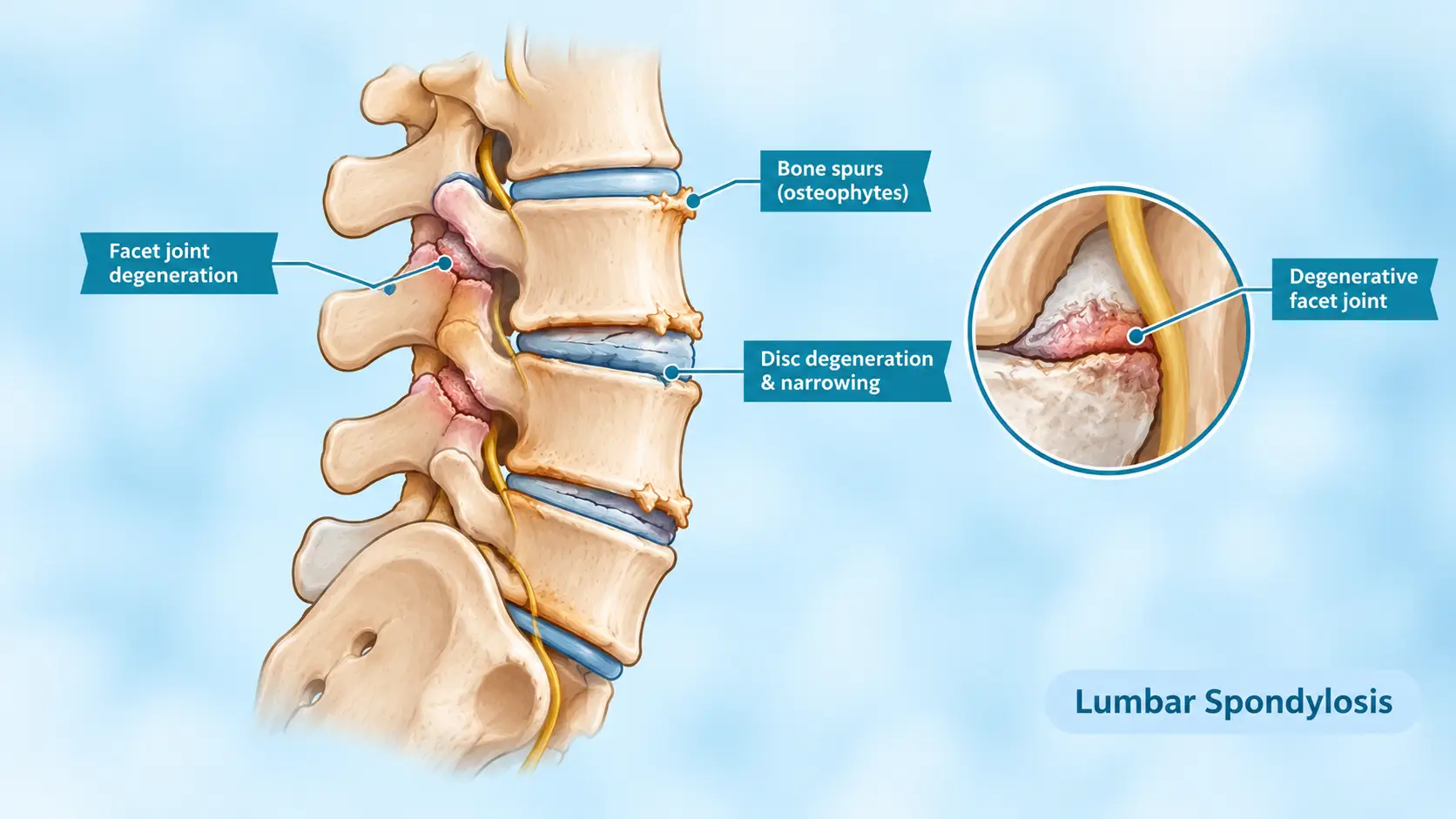
Facet arthropathy is one of the main drivers behind lumbar spondylosis and deserves its own explanation. Your facet joints are small, paired joints at the back of each vertebra that let your spine bend, twist, and extend. They are true synovial joints, much like your knee or hip, with cartilage surfaces and a joint capsule, and together they carry a large share of the rotational and shear force your lower back absorbs during everyday movement.
As these joints degenerate, the cartilage thins, the joint space narrows, and the surrounding bone can thicken in response. Facet arthropathy typically causes localised lower back pain that can spread to your buttocks or upper thighs, often worse with extension movements like arching backward, and tends to concentrate at the lowest two levels of your spine, where the load is greatest.
We pinpoint which joint is actually driving your pain using a diagnostic medial branch block before committing to any longer-term treatment plan, drawing on founder Dr Ralph Rogers‘s years of image-guided musculoskeletal work.
Lumbar spondylosis and spinal stenosis are related but distinct conditions, and the two get confused often because spondylosis is one of the most common causes of stenosis developing in the first place. Spondylosis describes the underlying wear and tear itself, the joint and disc changes we have covered throughout this piece. Stenosis describes a specific consequence, a narrowing of the space around your spinal cord or nerve roots, which can happen when osteophytes, a bulging disc, or thickened ligaments crowd that space.
Not everyone with spondylosis develops stenosis, and the two produce somewhat different symptom patterns. Spondylosis alone typically causes localised back pain and stiffness. Stenosis more often causes leg pain, heaviness, or cramping that worsens with walking or standing and eases when you lean forward or sit down, a pattern sometimes called neurogenic claudication. If your back pain has started to come with that specific walking-related leg pattern, it is worth mentioning to us directly, since it changes how we would approach your assessment.
Disc-related wear overlaps with spondylosis often too. If disc degeneration looks like a bigger part of your picture than facet or joint changes, we cover that closely related condition in more detail separately.
Treatment for lumbar spondylosis almost always starts with conservative, non-surgical options, and most people never need anything more invasive than that. Our approach begins with an accurate diagnosis of exactly which structure, a facet joint, a disc, or a nerve root, is generating your pain, since treatment aimed at the wrong source rarely helps for long. From there, we build a plan around image-guided injections designed to calm inflammation and confirm the pain source, paired with movement-based rehabilitation to support the muscles around your spine.
Below is a comparison of the main non-surgical options we offer, followed by more detail on each.
| Treatment | What It Targets | Typical Relief Duration | Approx Starting Price |
| Ultrasound-guided steroid injection | Localised joint or soft tissue inflammation | Weeks to a few months | From £600 |
| Medial branch block (diagnostic) | Confirms which facet joint is causing pain | Diagnostic, short-term relief | From £2,000 |
| Radiofrequency ablation | Facet-joint mediated pain, longer term | 6 to 12 months or more | From £1,300 |
| Transforaminal epidural injection | Nerve root inflammation and radiculopathy | Weeks to several months | From £2,295 |
| PRP (platelet-rich plasma) | Supports the body’s natural healing response in degenerating tissue | Varies, assessed individually | From £1,020 |
Ultrasound-guided steroid injections deliver anti-inflammatory medication directly to the joint or area that is driving your pain, under real-time imaging for accuracy. They are often the first step we try for a flare, since they can reduce inflammation and pain within days, giving you a window to progress with exercise and rehabilitation while the joint settles. Relief varies from person to person and is not permanent, which is why we usually pair injections with a longer-term movement plan rather than repeating them indefinitely.
A medial branch block is primarily a diagnostic tool, though it can bring welcome short-term relief too. We inject a small amount of local anaesthetic around the tiny nerves that supply a specific facet joint. If your pain eases substantially for the few hours the anaesthetic lasts, that confirms the joint as your pain source and helps guide whether radiofrequency ablation is likely to help you.
Radiofrequency ablation uses heat generated by a small needle-based probe to temporarily disable the tiny nerves carrying pain signals from a facet joint, once a medial branch block has confirmed that joint as the source. It is one of the longer-lasting options we offer, with relief often reported for six to twelve months or more before the nerve pathway regenerates and, if needed, the procedure can be repeated. It does not repair the underlying joint changes, but it can noticeably reduce day-to-day pain while you keep up with rehabilitation.
A transforaminal epidural injection targets inflammation around a specific nerve root, most useful when osteophytes or a bulging disc are pressing on a nerve and causing pain, numbness, or weakness down your leg. Using fluoroscopic or ultrasound guidance, we place the medication precisely at the affected level rather than spreading it more broadly, which tends to improve accuracy. Relief can last anywhere from several weeks to a few months, often enough time for the underlying irritation to settle with the help of physiotherapy.
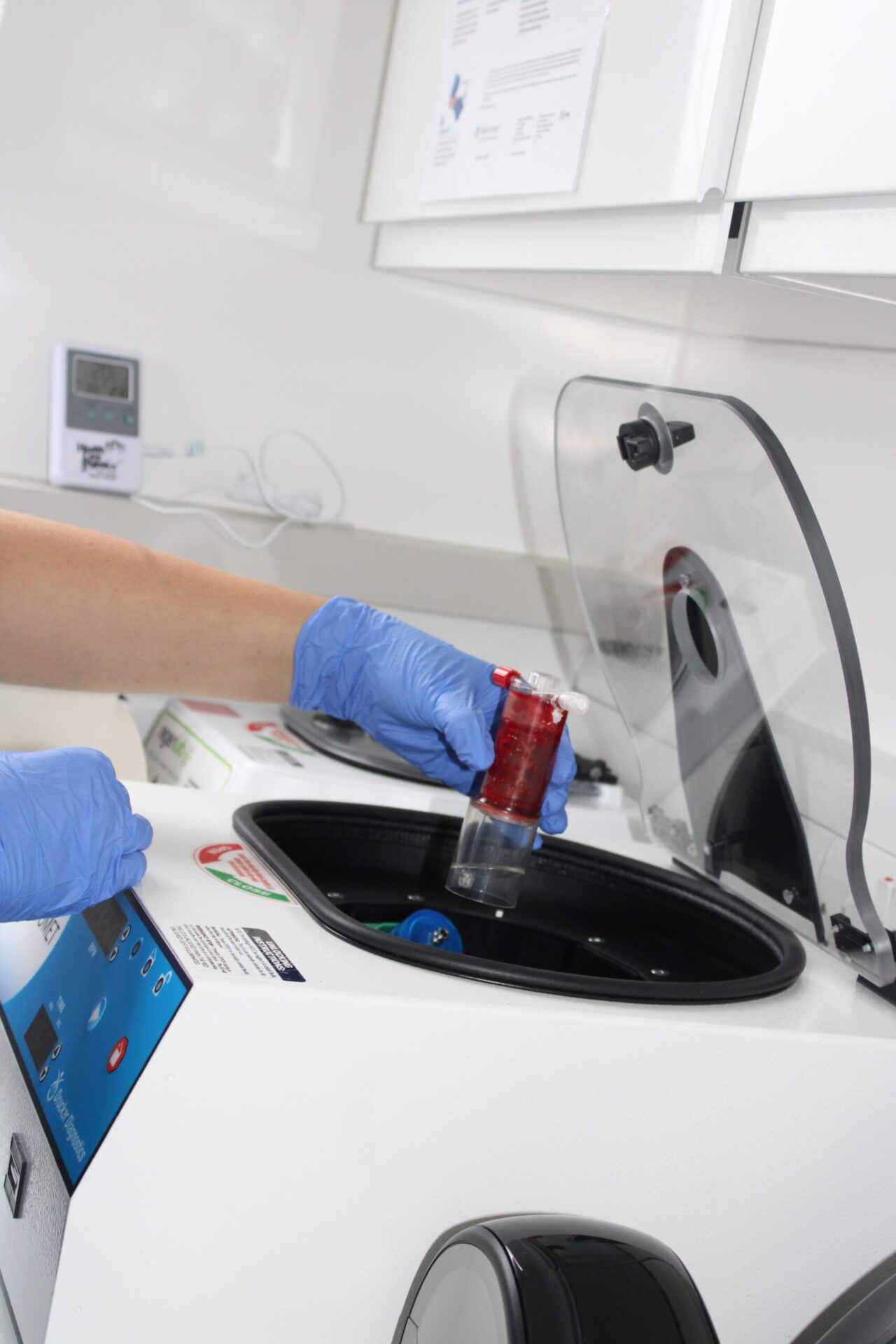
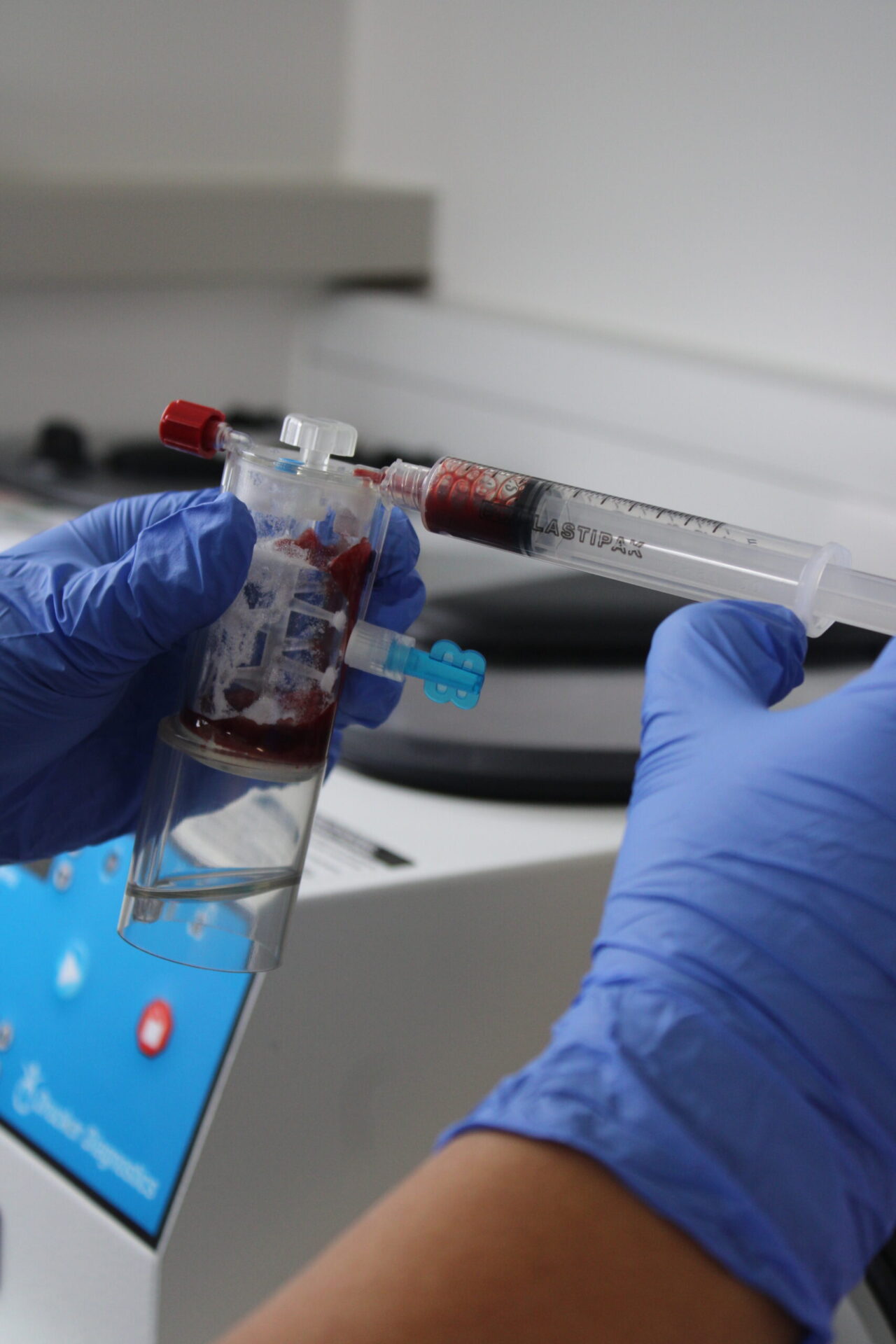
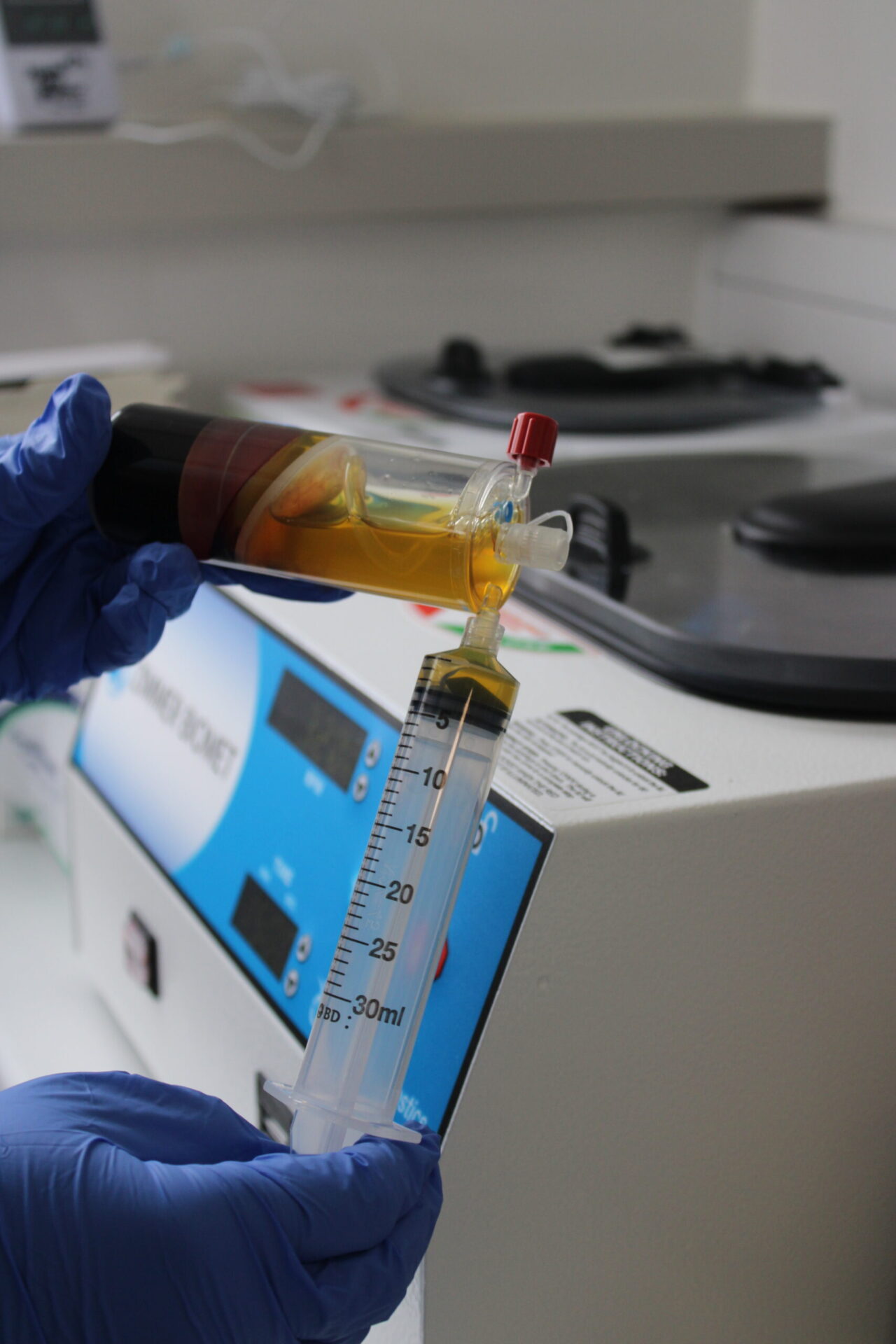
Platelet-rich plasma involves concentrating platelets from a small sample of your own blood and injecting them into the affected area, where they are designed to support your body’s natural healing response rather than replace or regrow damaged tissue outright. We may suggest PRP for spondylosis-related joint changes when more conservative options have not given lasting enough relief, though results vary between patients and we are always upfront about what the current evidence does and does not show for this specific use.
Exercises for lumbar spondylosis work by strengthening the muscles that support your spine, taking some of the load off the joints themselves. Gentle, consistent movement almost always helps more than rest, even during a flare, since prolonged inactivity tends to make stiffness and pain worse over time rather than better.
We generally recommend starting with low-impact activity such as walking, swimming, or a supervised physiotherapy programme focused on core and hip strength, gradually building intensity as your symptoms allow. Stretching your hip flexors and hamstrings can also reduce strain on your lower back. Everyone progresses differently, so we build this around your specific pain pattern and fitness level rather than handing over a generic exercise sheet, and we are happy to point you toward the right professional if physiotherapy input would help.

We are Rogers Regenerative Medical Group, a private regenerative orthopaedics and sports medicine clinic on Blythe Road in London, founded by Dr Ralph Rogers, whose case-by-case approach we bring to every patient we see for back pain. We work with a wide range of insurance providers as well as self-funding patients, so getting started is usually simpler than people expect.
If a dull, persistent ache in your lower back has been affecting your daily life, we would encourage you to get in touch for an assessment rather than waiting to see if it settles on its own. Depending on what we find, treatment typically starts from £600 for a steroid injection, with options such as radiofrequency ablation and PRP priced individually based on your specific plan. For current treatment pricing, our fees page has the most up to date figures.
You can request an appointment directly, or reach us using the details below:
No, lumbar spondylosis is not an autoimmune disease. It is a mechanical, age-related wear process affecting your joints and discs, not a condition where your immune system attacks its own tissue. Autoimmune conditions such as ankylosing spondylitis can also cause back pain and are sometimes confused with spondylosis, but they involve a different cause and typically need different treatment and monitoring.
Yes, lumbar spondylosis can be treated, though treatment focuses on managing symptoms and improving function rather than reversing the underlying joint changes. Most people respond well to a combination of targeted exercise, activity adjustments, and image-guided injections such as steroid injections or radiofrequency ablation when pain persists. Surgery is rarely needed and is reserved for cases involving notable nerve compression that has not improved with conservative care.
Lumbar spondylosis is typically treated with a stepped approach starting from the least invasive options. This usually begins with targeted exercise and physiotherapy, moves to image-guided injections such as steroid injections or a medial branch block if pain persists, and can progress to radiofrequency ablation for longer-lasting relief from facet-joint pain. We build your specific plan around what is driving your symptoms rather than applying a one-size-fits-all approach.
Yes, walking is generally good for lumbar spondylosis and is one of the simplest ways to keep your spine mobile without overloading it. Gentle, regular walking helps maintain circulation to the joints and discs, supports the muscles around your spine, and tends to ease stiffness rather than worsen it. If walking consistently increases leg pain, numbness, or weakness, that is worth mentioning to us, since it can point toward nerve involvement rather than ordinary mechanical stiffness.
Dr Rogers has had a rich and illustrious career so far, which is continuing to grow and develop. Everything Ralph has been involved in since qualifying has added value to his knowledge and experience, but there have been some impressive highlights to note:
2018 – Present Founder Medical Director: Rogers Regenerative Medical Group (RRMG)
2012 – 2024 Medical Advisor – National Basketball Association
2008 – 2018 Medical Director: The London Sports Injury Clinic London
2010-2011 First Team Doctor, Chelsea Football Club
2007- 2010 The Football Association (Team Physician for England under 19 and development squads)
2005-2006 Medical Advisor: Trinidad & Tobago World Cup Football Team
2002 – 2008 Club Doctor: Walsall Football Club, West Midlands England
1998 – 2009 Medical Director: Medical & Orthopaedic Sports Therapy,
2000 – 2005 Sports Physician: Warwickshire County Cricket Club, Birmingham