Reading Time: mins

Sports medicine focuses on diagnosing, treating and preventing injuries and conditions that affect people who train and compete. It also helps maximise performance and long-term wellbeing for active lives. In London, athletes and fitness enthusiasts can access specialist care tailored to their goals and demands. This article outlines what sports medicine offers—highlighting the regenerative and minimally invasive options available at Rogers Regenerative Medical Group (RRMG). You’ll read about Dr Ralph Rogers’ experience, the conditions we treat, leading regenerative therapies, and how human performance optimisation can help you perform better. We also share patient stories that reflect real-world outcomes.
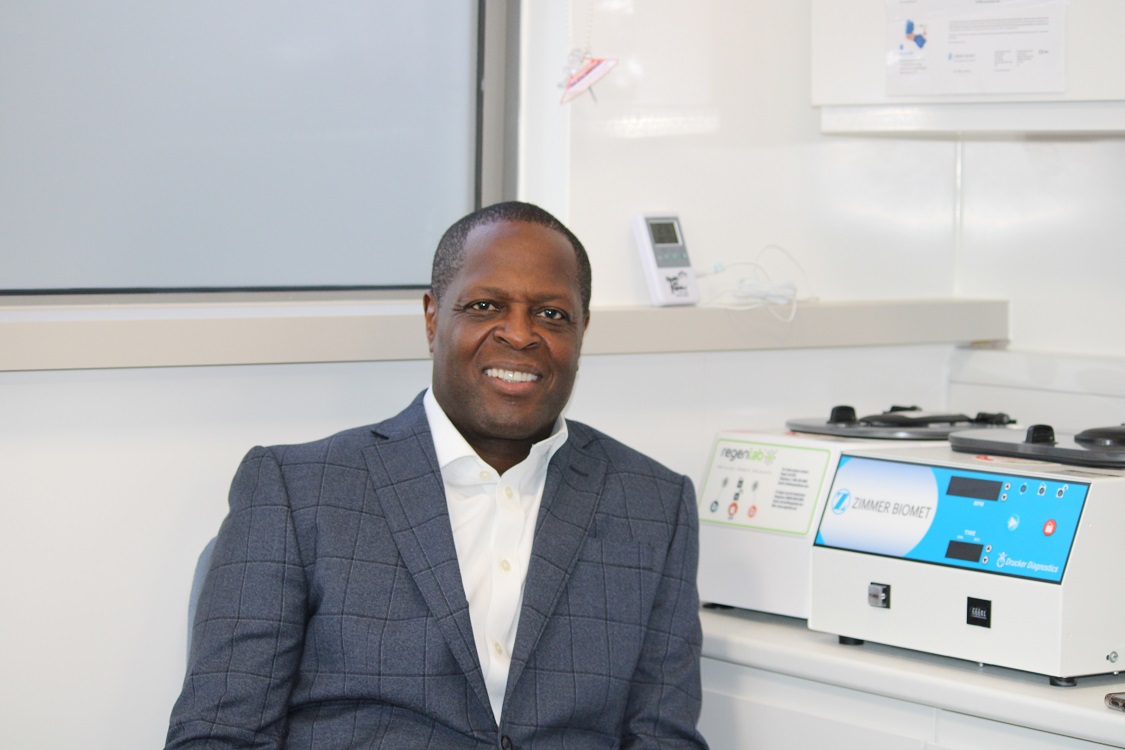
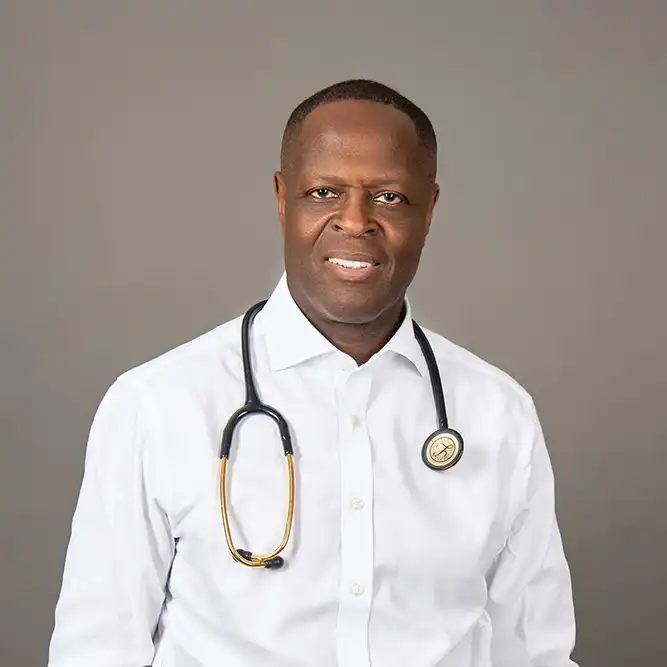
Rogers Regenerative Medical Group specialises in advanced, non‑surgical approaches delivered with personalised clinical care. The practice is led by Dr Ralph Rogers, Consultant in Regenerative Orthopaedics and Sports Medicine, who has over 25 years’ experience. His emphasis on minimally invasive techniques aims to shorten recovery times and lower complication risk—important benefits for athletes and active patients seeking effective, practical treatment plans.
Dr Rogers has worked with elite athletes across multiple sports and combines strong surgical training with a focus on regenerative therapies. His qualifications and clinical experience allow him to design treatment plans that reflect each patient’s sport, lifestyle and recovery goals. He is recognised for applying evidence‑based regenerative techniques to promote healing and restore function.
Non‑surgical regenerative treatments can speed recovery, reduce pain and improve patient satisfaction when used appropriately. Therapies such as platelet‑rich plasma (PRP) and other cell‑based approaches stimulate the body’s repair processes, often allowing patients to avoid or delay invasive surgery while returning to activity more quickly.
Sports medicine teams in London manage a wide range of musculoskeletal problems seen in athletes and active people. Common presentations include joint pain and arthritis, tendon disorders, ligament injuries and overuse syndromes. Knowing which conditions are treatable helps patients choose timely, targeted care and preserve long‑term function.
Conservative management typically combines physiotherapy, tailored medication and regenerative options where appropriate. Treatments such as ultrasound‑guided joint injections and PRP aim to reduce inflammation and encourage tissue repair. Early assessment and intervention can slow progression and improve daily function.
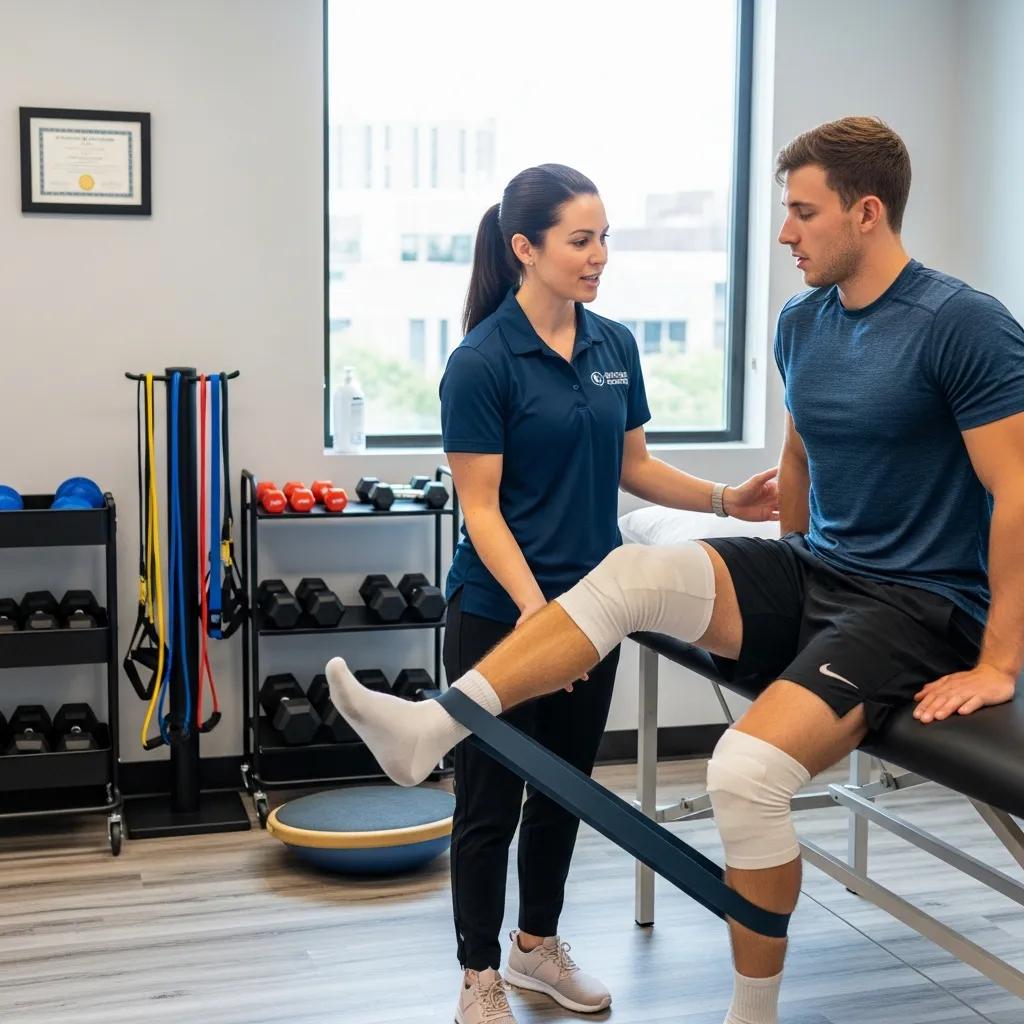
Tendon and ligament injuries are frequent in sport and can limit performance if not managed correctly. Treatment pathways include structured rehabilitation, supportive bracing and targeted regenerative therapies such as PRP or autologous cell procedures. These options focus on promoting tissue healing and restoring strength so athletes can return to their sport safely.
Rogers Regenerative Medical Group provides a range of regenerative orthopaedic therapies designed to promote natural healing while avoiding major surgery where possible. Treatments are selected and customised to the injury, the patient’s goals and the best available evidence to optimise outcomes.
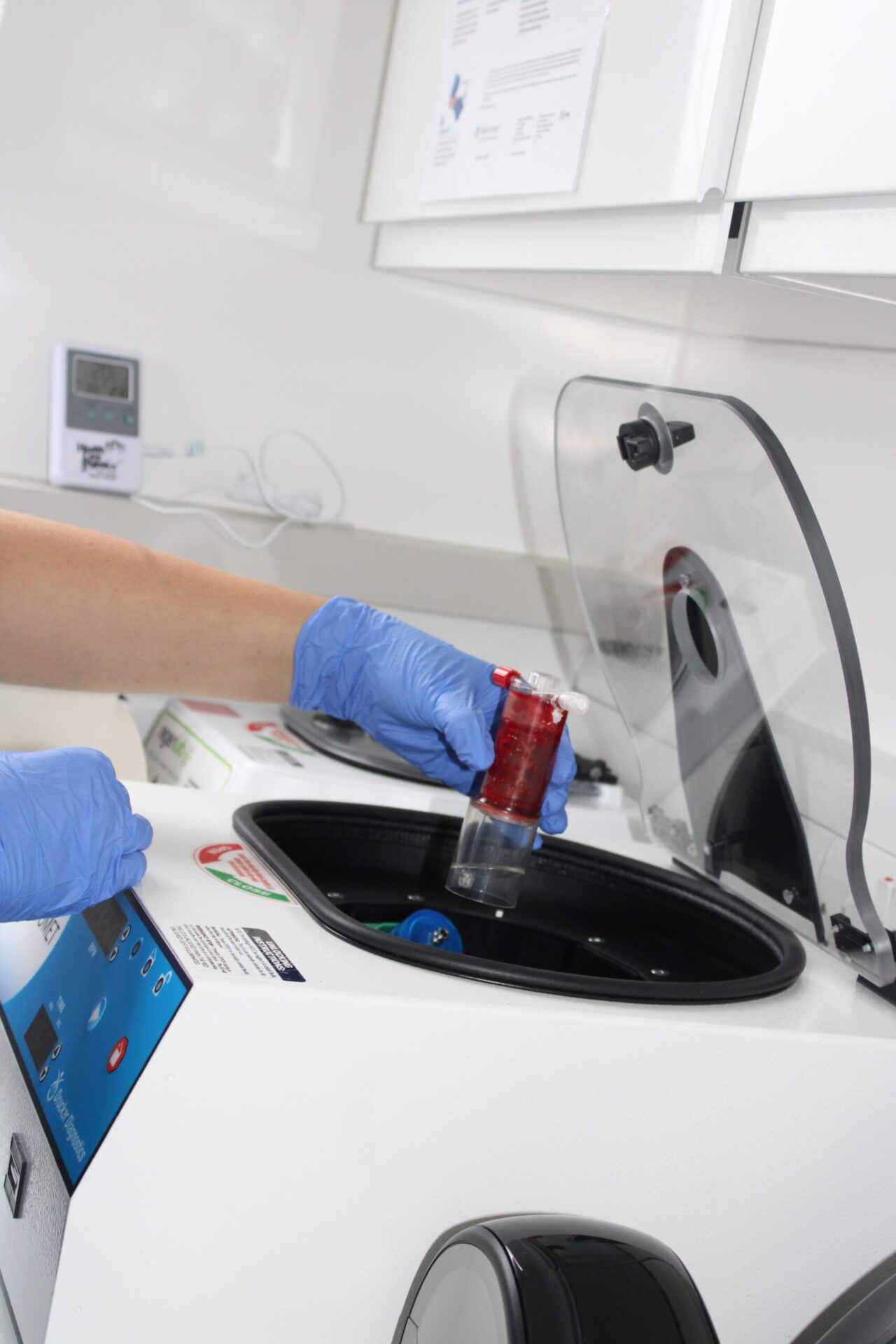
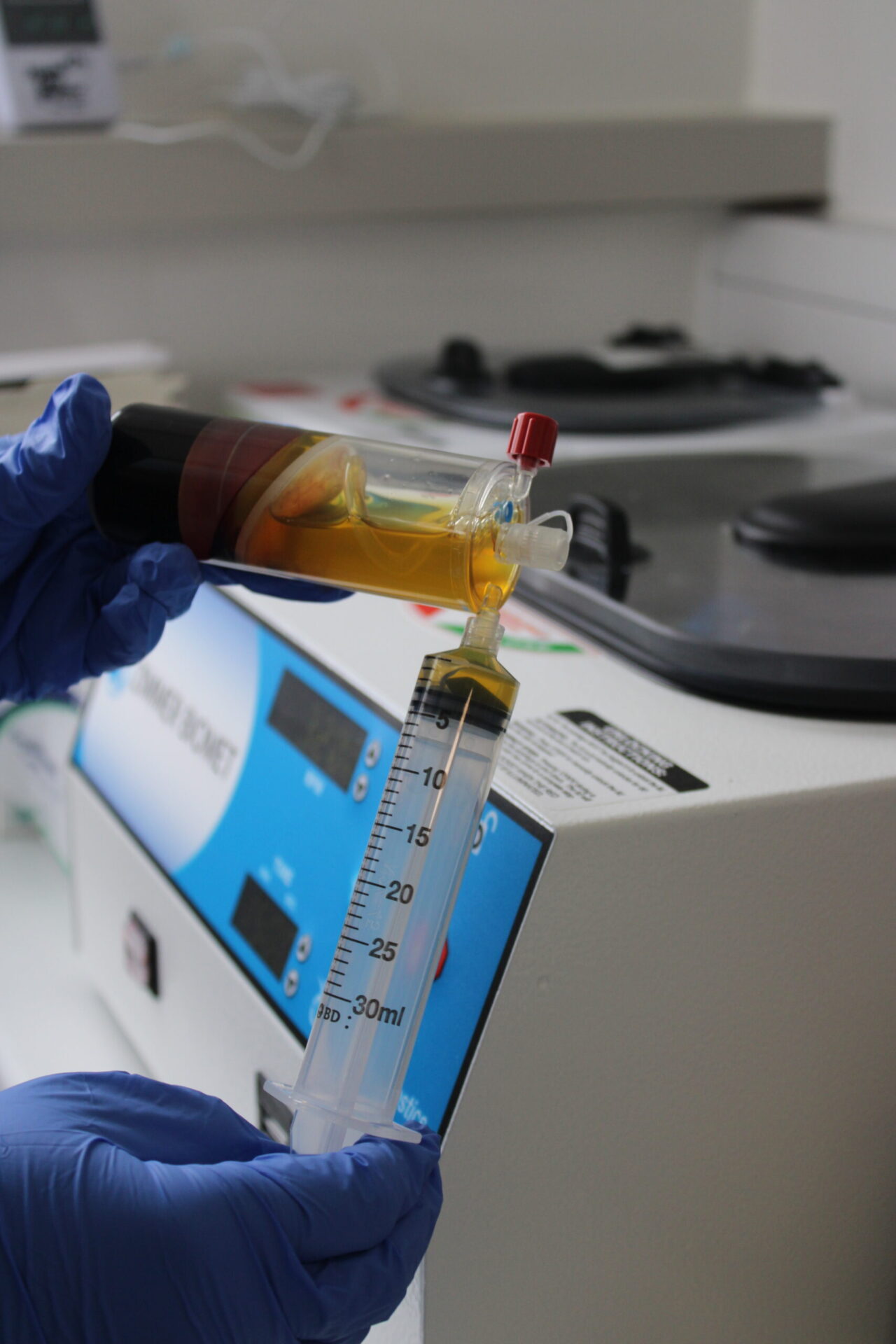
Platelet‑rich plasma (PRP) is prepared from a small sample of the patient’s blood, concentrated to increase platelet and growth‑factor levels, and injected into the injured area. Those growth factors support tissue repair and can reduce pain and improve function in conditions such as tendinopathy, early osteoarthritis and certain joint injuries.
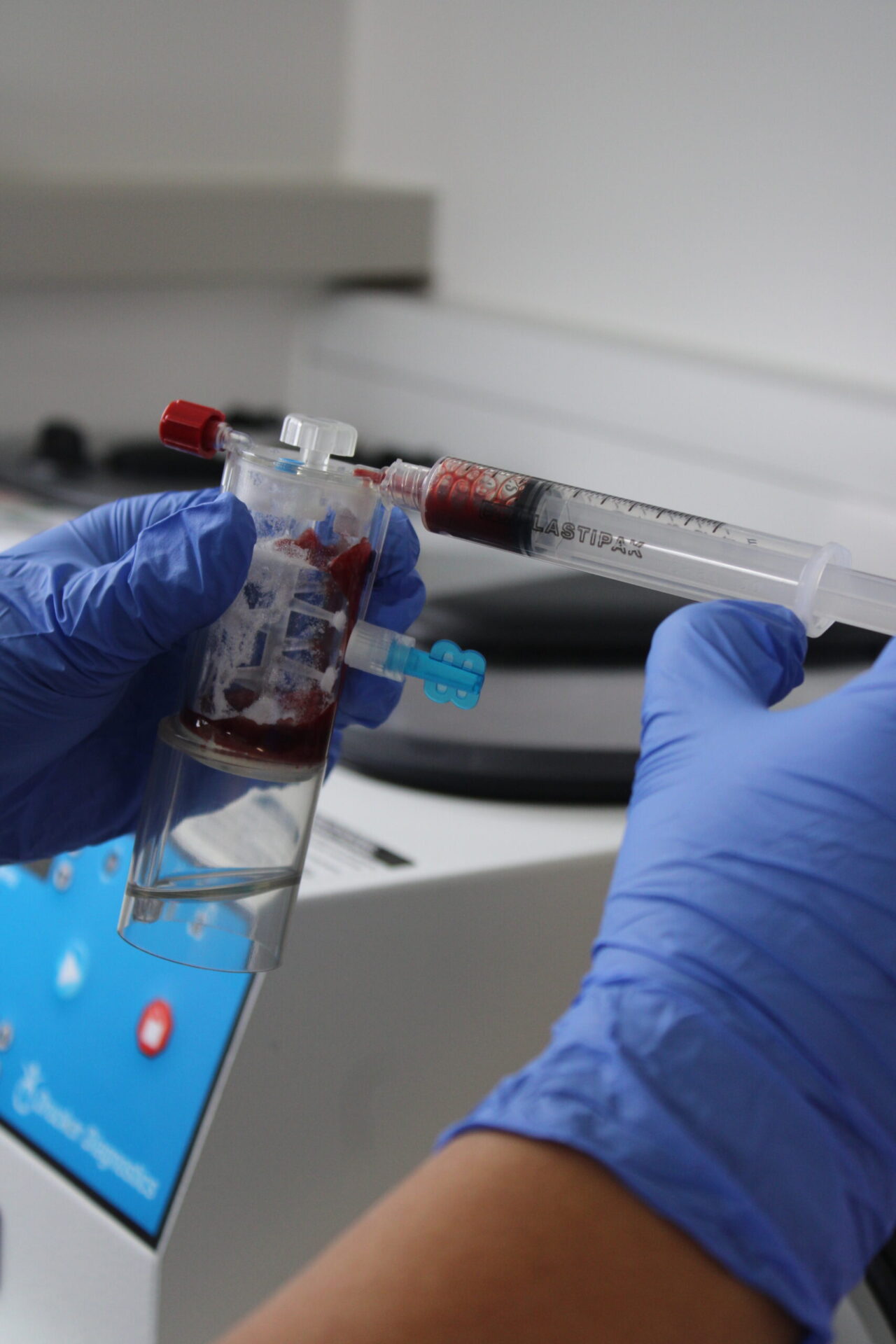
Lipogems uses the patient’s own adipose (fat) tissue, processed to preserve regenerative cells within a micro‑fragmented matrix, then delivered to the site of injury. The treatment supplies a concentrated source of reparative cells and signalling factors that can support tissue regeneration and symptomatic improvement.
| Treatment | How it works | Key benefits |
|---|---|---|
| Platelet‑Rich Plasma (PRP) Therapy | Delivers concentrated platelets and growth factors to injured tissue | Reduces pain, supports tissue repair, may speed recovery |
| Lipogems | Uses processed adipose tissue to provide regenerative cells and extracellular matrix | Supports healing, supplies reparative cells |
| Joint Injections | Directly delivers anti‑inflammatory or therapeutic agents into the joint | Rapid symptom relief, improved joint function |
This table summarises key regenerative options offered at RRMG, showing how each approach works and the benefits patients commonly experience when non‑surgical care is appropriate.
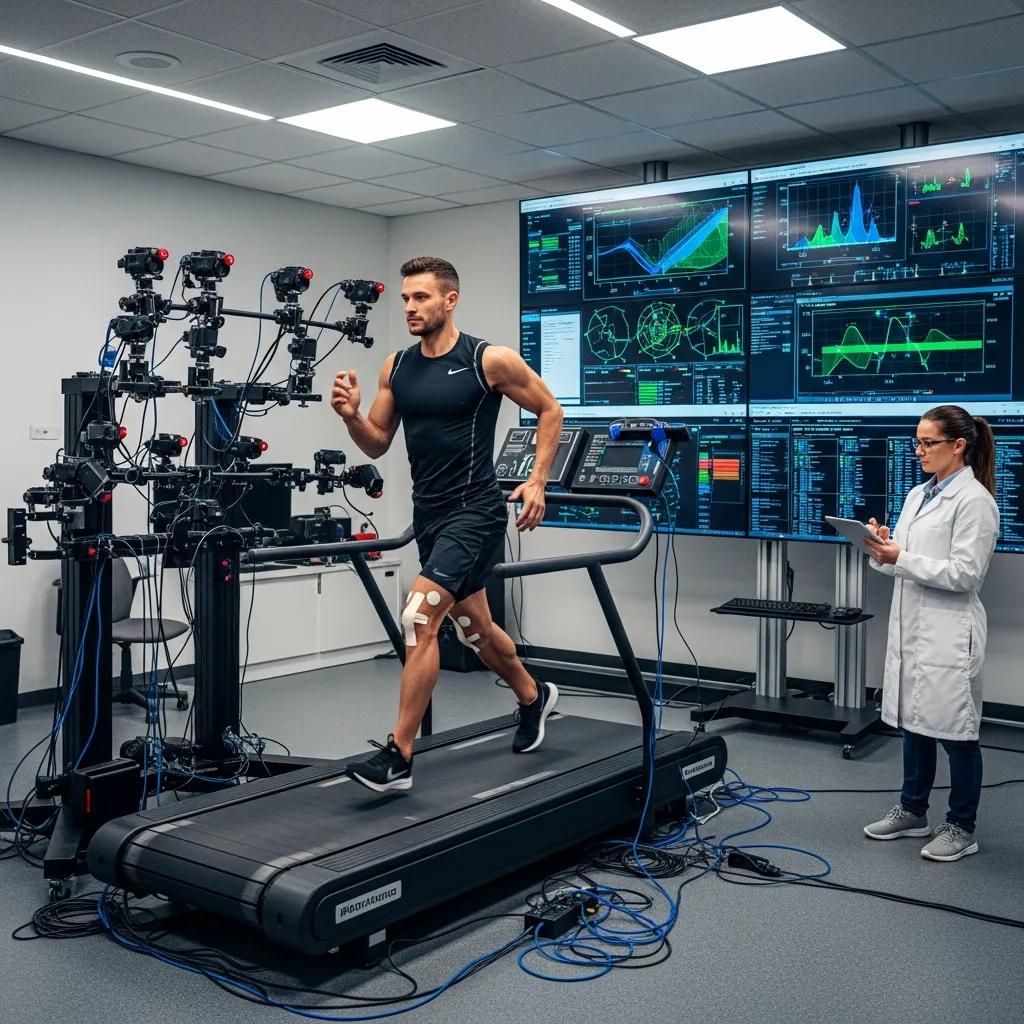
Human performance optimisation combines precise assessment with bespoke training and recovery strategies to raise an athlete’s physical capacity. It blends diagnostics, conditioning and injury‑prevention work to improve performance while reducing the chance of setbacks.
Diagnostics such as biomechanical analysis, metabolic testing and functional movement screening identify strengths, weaknesses and movement patterns that influence performance and injury risk. These data then guide personalised training and rehabilitation programmes aimed at measurable improvement.
A prevention and rehab plan typically includes progressive strength training, mobility and flexibility work, and sport‑specific conditioning. Regular reassessment and load management help catch emerging issues early so athletes can stay healthy and competitive.
Patient stories from Rogers Regenerative Medical Group illustrate how tailored regenerative and rehabilitation approaches can lead to meaningful recovery and return to sport. These accounts show practical benefits in pain reduction, function and confidence.
Many patients treated with regenerative techniques at RRMG report reduced pain, quicker returns to activity and sustained functional gains. Outcomes vary by condition and individual factors, but these results highlight the potential of non‑surgical pathways when chosen and delivered appropriately.
Testimonials commonly note the personalised care, clear communication and clinical expertise they received—factors patients say contributed to positive outcomes and satisfaction with their treatment journey under Dr Rogers’ care.
Booking a consultation with Dr Rogers is straightforward and designed to get you the right care quickly.
Contact Rogers Regenerative Medical Group directly to arrange an appointment. Have relevant medical details available (previous imaging, treatment history and any current medications) to help us prepare. Our team will guide you through scheduling and pre‑visit information.
Your first visit includes a detailed medical history review, focused physical examination and any necessary diagnostic tests. This comprehensive assessment allows Dr Rogers to recommend an evidence‑based, individualised plan aligned with your recovery and performance goals.
Choosing specialist sports medicine at Rogers Regenerative Medical Group can help you recover faster and perform better through targeted, non‑surgical treatments and personalised care. If you’re ready to take the next step, book a consultation to explore options tailored to your goals and get back to the activities you love.
Dr Rogers has had a rich and illustrious career so far, which is continuing to grow and develop. Everything Ralph has been involved in since qualifying has added value to his knowledge and experience, but there have been some impressive highlights to note:
2018 – Present Founder Medical Director: Rogers Regenerative Medical Group (RRMG)
2012 – 2024 Medical Advisor – National Basketball Association
2008 – 2018 Medical Director: The London Sports Injury Clinic London
2010-2011 First Team Doctor, Chelsea Football Club
2007- 2010 The Football Association (Team Physician for England under 19 and development squads)
2005-2006 Medical Advisor: Trinidad & Tobago World Cup Football Team
2002 – 2008 Club Doctor: Walsall Football Club, West Midlands England
1998 – 2009 Medical Director: Medical & Orthopaedic Sports Therapy,
2000 – 2005 Sports Physician: Warwickshire County Cricket Club, Birmingham