
Reading Time: mins

Regenerative medicine offers promising alternatives to traditional surgery, and two treatments that often come up are Platelet‑Rich Plasma (PRP) and stem cell therapy. This guide breaks down how each works, the benefits and limits of each approach, and which conditions they typically address. Whether you’re exploring non‑surgical options or preparing for a consultation, we’ll also describe what the patient experience looks like at Rogers Regenerative Medical Group, where we focus on evidence‑based care in orthopaedics and sports medicine.
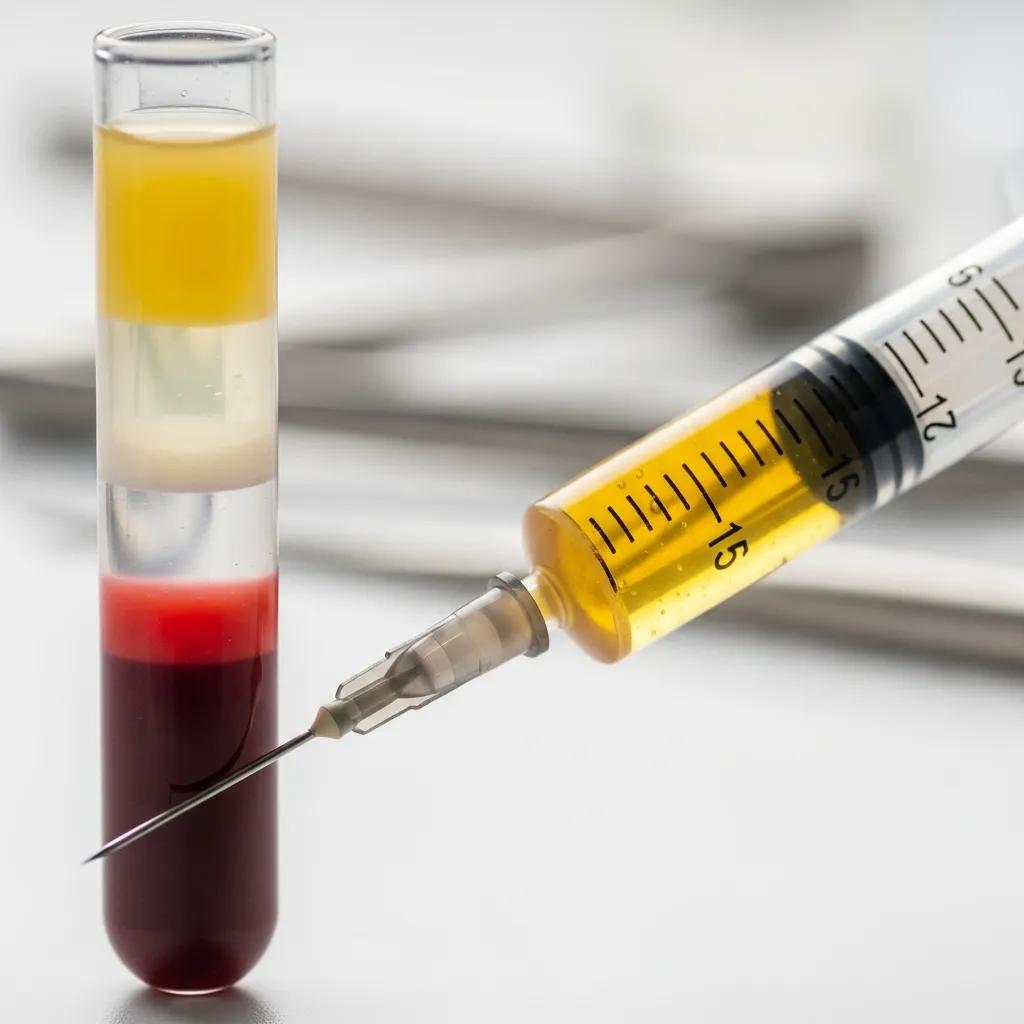
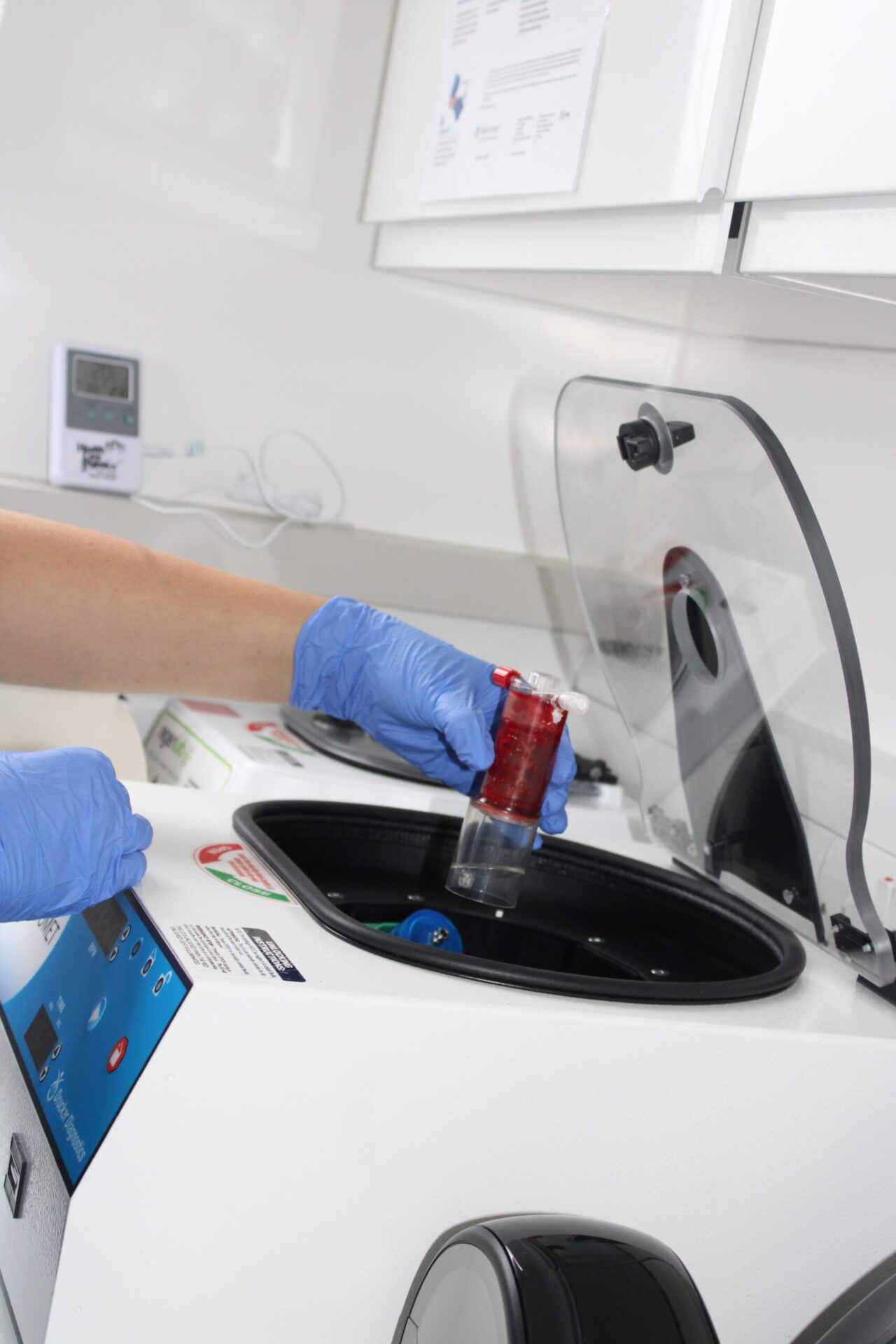
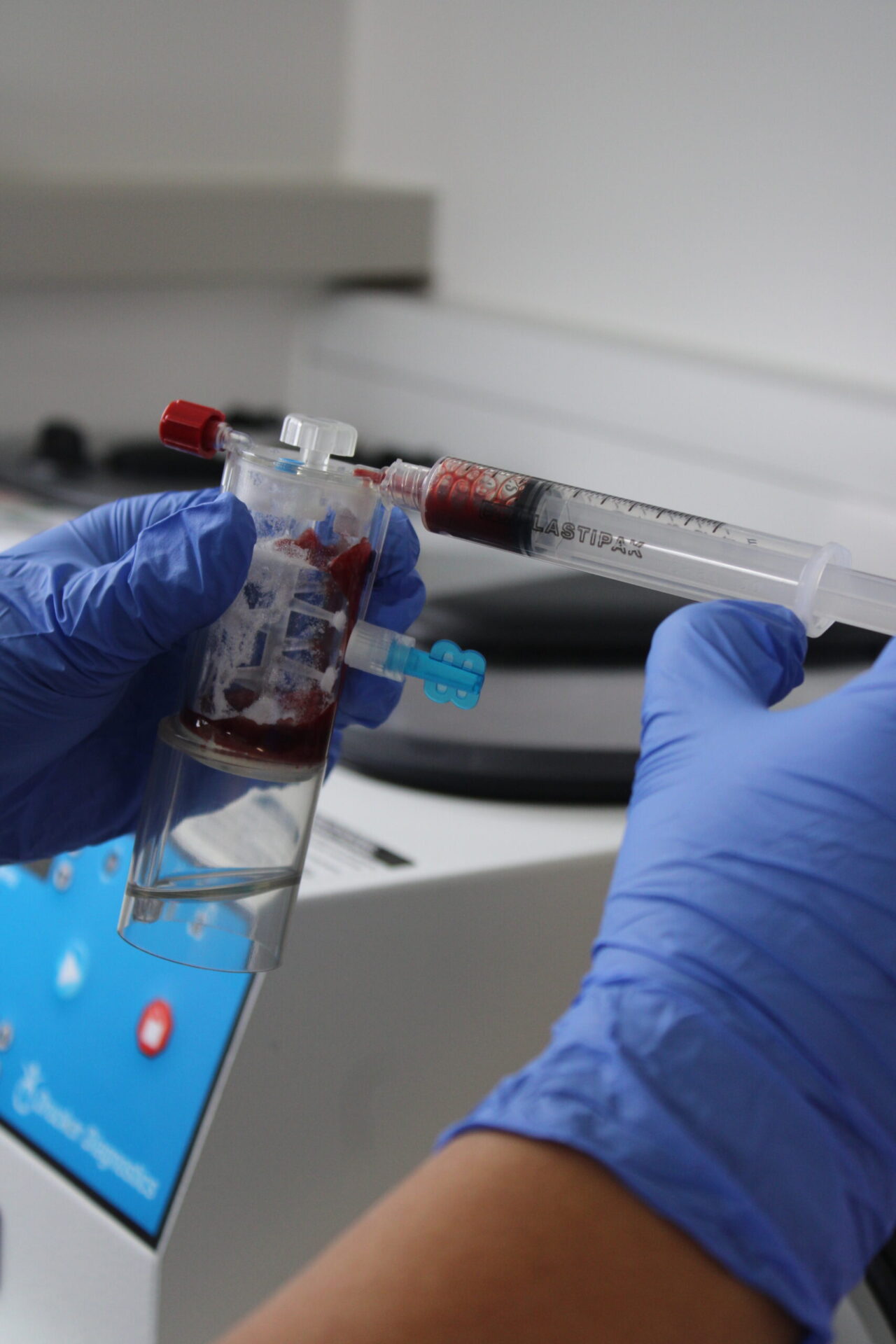
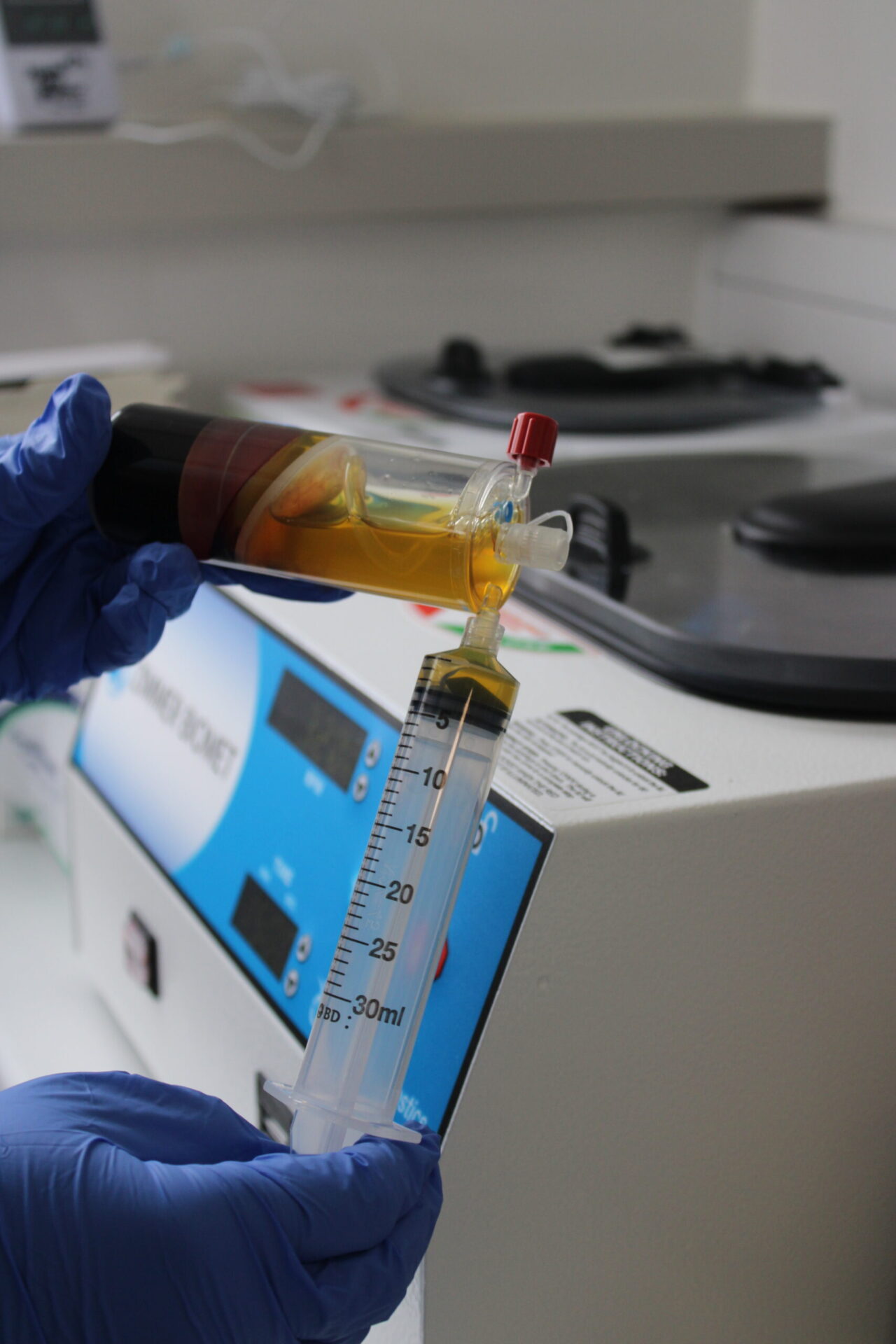
Platelet‑Rich Plasma (PRP) therapy is a non‑surgical treatment that uses components from your own blood to stimulate healing. We draw a small blood sample, concentrate the platelets and growth factors, then inject that concentrated solution into the injured area. PRP leverages your body’s natural repair signals and is commonly used for musculoskeletal injuries and degenerative joint issues.
PRP delivers a high concentration of platelets and growth factors directly to the injury site. Those biological signals promote tissue repair and can speed recovery. Timelines vary with the type and severity of injury, but many patients notice meaningful improvements within weeks. Clinical studies support PRP’s role in improving outcomes for tendon conditions, ligament strains, and certain joint pains.
PRP is frequently used for a range of musculoskeletal problems, including:
Research shows PRP can reduce pain and improve function for many patients, making it a practical non‑surgical option when appropriate.
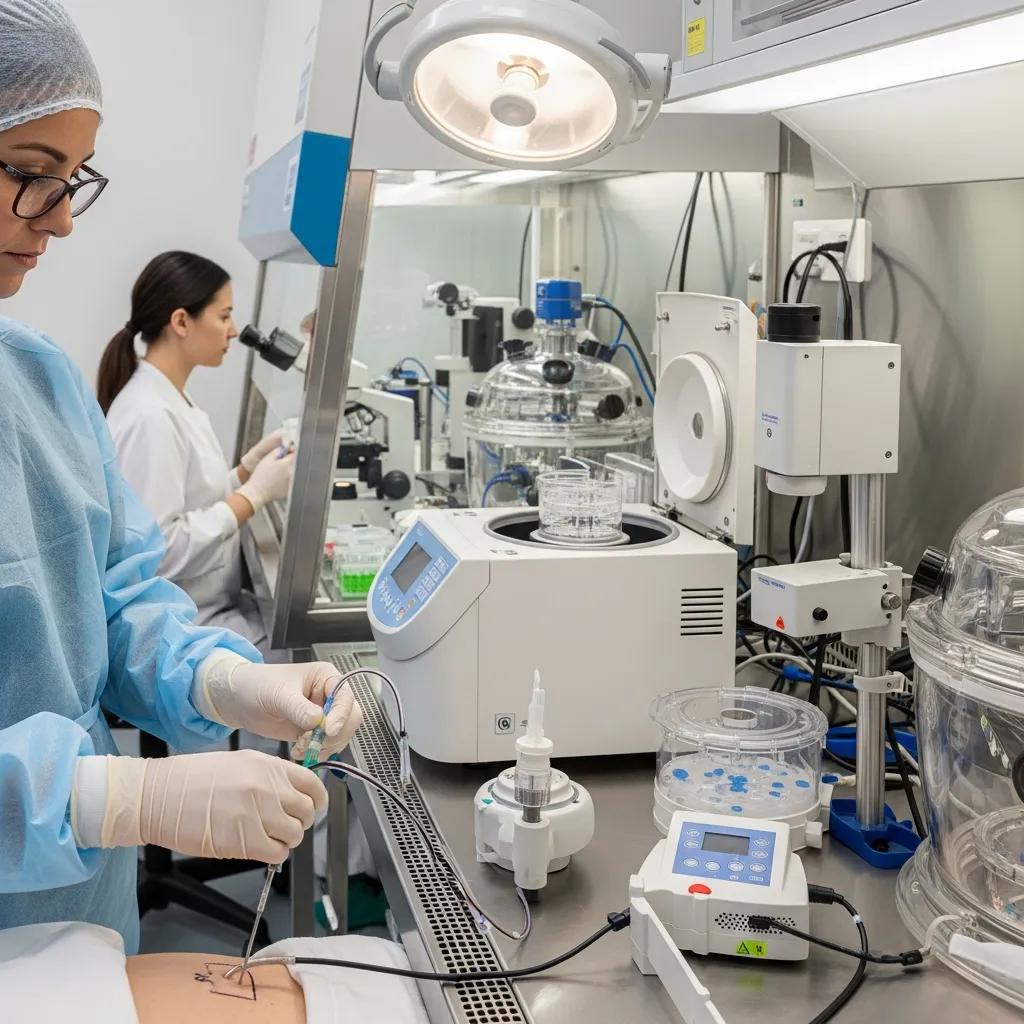
Stem cell therapy uses cells with the ability to differentiate into multiple tissue types to support repair and regeneration. These cells can be sourced from the patient’s own tissues—commonly bone marrow or adipose (fat)—and are processed before being delivered to the damaged area. Stem cell treatments aim to encourage the growth or replacement of damaged tissue, which can be useful for more advanced degeneration or complex injuries.
Treatment typically starts by harvesting stem cells from the patient. That may involve a minimally invasive bone marrow aspiration or a liposuction procedure to collect adipose‑derived cells. After processing, the concentrated cells are injected into the target area. This targeted approach is used for conditions such as advanced arthritis, some spinal problems, and other degenerative disorders.
Stem cell therapy is being studied for several serious or degenerative conditions, including:
Early clinical results are encouraging for some patients, with reports of reduced pain and improved function. Still, more rigorous research is needed to fully define effectiveness and long‑term safety.
PRP and stem cell therapy differ in how they work, the conditions they best treat, and the expected recovery. Understanding those differences helps you and your provider select the most appropriate option for your situation.
| Therapy Type | Mechanism | Cost | Invasiveness | Recovery Time |
|---|---|---|---|---|
| PRP Therapy | Delivers platelet‑derived growth factors to stimulate healing | Generally lower | Minimally invasive | Short (days to weeks) |
| Stem Cell Therapy | Introduces stem cells to support tissue regeneration | Generally higher | Minimally invasive to invasive | Longer (weeks to months) |
PRP mainly enhances your body’s existing healing response through concentrated growth factors. Stem cell therapy seeks to replace or encourage new tissue growth by adding regenerative cells. Because of that, PRP is often suited for mild to moderate injuries, while stem cells may be considered for chronic or more severe degeneration that likely needs tissue regeneration.
PRP treatments tend to be less costly and involve a quicker recovery, which makes them an attractive first‑line option for many patients. Stem cell procedures usually require a larger financial commitment and a longer recovery period, depending on the harvest method and complexity of the treatment.
Deciding between PRP and stem cell therapy depends on the severity of your condition, your recovery goals, and your personal preferences. A consultation with a qualified specialist is the best way to match treatment to your specific needs.
Milder or recent injuries often respond well to PRP. For advanced degeneration or injuries that need tissue restoration, stem cell therapy may offer advantages because of its regenerative potential. Your provider will weigh the evidence, your health status, and your objectives when recommending a path forward.
In select cases, combining PRP and stem cell treatments may enhance outcomes. PRP can provide an early boost to healing while stem cells contribute longer‑term regenerative support. We evaluate each case individually to determine if a combined approach makes sense.
At Rogers Regenerative Medical Group we prioritize a thorough, patient‑centered process. Our team specializes in regenerative orthopaedics and sports medicine, and we tailor every treatment plan to your goals and medical history.
Your first visit includes a detailed evaluation—medical history, physical exam, and imaging if needed—to identify the source of your symptoms. We’ll review treatment options, explain the procedure, and set realistic expectations for recovery so you feel informed and comfortable before moving forward.
Dr. Ralph Rogers brings over 25 years of experience in regenerative medicine and orthopaedics. His clinical judgment and hands‑on experience help ensure treatments are applied appropriately and personalized to each patient, improving the likelihood of a successful outcome.
Patients frequently ask about safety, expected benefits, and the financial aspects of these treatments. Below are answers to the most common concerns to help you prepare for a conversation with your provider.
Both therapies can reduce pain and improve function, but they carry different risk profiles. PRP is generally low‑risk with minor side effects like temporary soreness or swelling. Stem cell procedures are more complex and may carry additional risks related to harvesting and processing. Discuss risks and benefits with your clinician to determine what’s appropriate for your situation.
Costs vary by procedure and provider. PRP treatments commonly range from $500 to $2,000 per session. Stem cell therapy typically costs more—often $3,000 to $10,000 or higher—depending on the method and cell source. Insurance coverage is limited for both; PRP may be covered in select cases, while stem cell therapy is rarely covered. Check with your insurer and our office for detailed cost and coverage information.
Both PRP and stem cell therapies offer valuable tools in regenerative care: PRP to boost your body’s natural repair response, and stem cells to support tissue regeneration where needed. Understanding their differences helps you and your provider choose the right approach for your condition and goals. If you’re considering regenerative treatment, schedule a consultation with our team to review your options and take the next step toward recovery.
Dr Rogers has had a rich and illustrious career so far, which is continuing to grow and develop. Everything Ralph has been involved in since qualifying has added value to his knowledge and experience, but there have been some impressive highlights to note:
2018 – Present Founder Medical Director: Rogers Regenerative Medical Group (RRMG)
2012 – 2024 Medical Advisor – National Basketball Association
2008 – 2018 Medical Director: The London Sports Injury Clinic London
2010-2011 First Team Doctor, Chelsea Football Club
2007- 2010 The Football Association (Team Physician for England under 19 and development squads)
2005-2006 Medical Advisor: Trinidad & Tobago World Cup Football Team
2002 – 2008 Club Doctor: Walsall Football Club, West Midlands England
1998 – 2009 Medical Director: Medical & Orthopaedic Sports Therapy,
2000 – 2005 Sports Physician: Warwickshire County Cricket Club, Birmingham