Exercise During Pregnancy

Search Post

Exercise during pregnancy

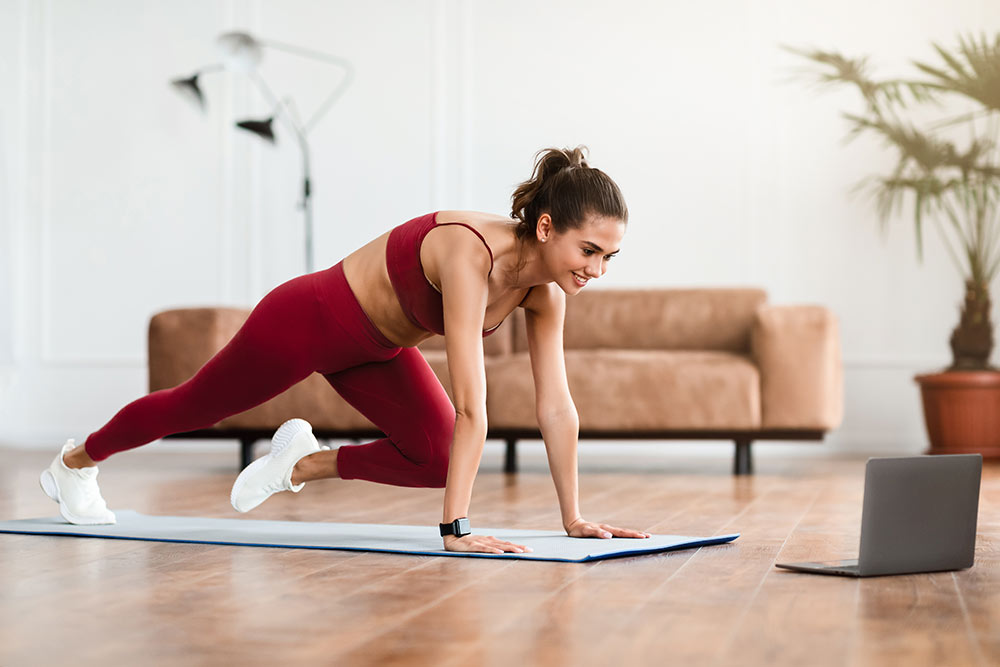
During pregnancy, regular exercise improves your health and muscle tone to prepare for labour and delivery. Scientific studies have repeatedly shown that exercise in pregnancy does not increase the chance of pregnancy loss nor of premature delivery, nor does it cause low birth weight.

Pregnancy can often cause an increased sense of fatigue and low back pain. With only a few exceptions, a sedentary lifestyle in pregnancy will only worsen these symptoms. Pregnancy can be a good time to find motivation to start exercising, even if you have not been exercising for a while.

Why should I exercise in pregnancy?

Exercising in pregnancy can:

  • Decrease back pain, constipation, bloatedness and swelling.
  • Improve your mood and reduce fatigue.
  • Improve quality of sleep.
  • Prevent excessive weight gain.
  • Improve muscle tone, strength and resistance.

Other benefits of exercising regularly during the whole duration of pregnancy are:

  • Reducing the length of labour
  • Reducing the chances of undergoing an emergency C-section.
  • Reducing the chances of developing gestational diabetes.
  • Reducing the chances of developing preeclampsia

You can safely begin an exercise program during pregnancy after consulting with your Gynaecologist

Your Gynaecologist might recommend avoiding exercise if you have:

  • Heart or lung conditions
  • Preeclampsia or hypertension developing in pregnancy
  • A shortened or weak cervix
  • Vaginal bleeding or spotting
  • Problems affecting the placenta
  • A risk of premature labour
  • A twin pregnancy with a risk of premature labour
  • Premature rupture of membranes
  • Severe anemia

How much exercise can I do?

In general, a minimum of 30 minutes daily of aerobic exercise is recommended.

Brisk walking is a good idea, especially if you have not exercised regularly before. Swimming, low-impact aerobics and stationary cycling are also good options if you enjoy these.

Remember to hydrate with enough water and very gradually increase the intensity of exercising.

Which sports are not safe in pregnancy?

  • Sports that keep you lying on your back, in the second and third trimester.
  • Scuba diving
  • Contact sports such as ice hockey, football, kickboxing, basketball, volleyball.
  • Activities during which falling is likely: skiing, skating, gymnastics, horseback riding.
  • High altitude exercises
  • Hot yoga or Hot pilates

It is important that you stop immediately if you experience any of the following:

  • Vaginal bleeding or liquid discharge.
  • Dizziness
  • Headache
  • Difficulty breathing
  • Chest pain
  • Painful uterine contractions
  • Calf pain or swelling
  • Muscle weakness that reduces your balance

Exercising regularly in pregnancy improves your health and offers multiple benefits to the pregnancy and delivery outcomes.

Contact Dr Giada Frontino, our Consultant Gynaecologist for a face-to-face or virtual consultation.

    Any Questions, We Can Help You?

    Any Specific Queries? Get In Touch

    Email Us On:
    pa@rrmg.com

    Rogers Regenerative Medical Group (RRMG)

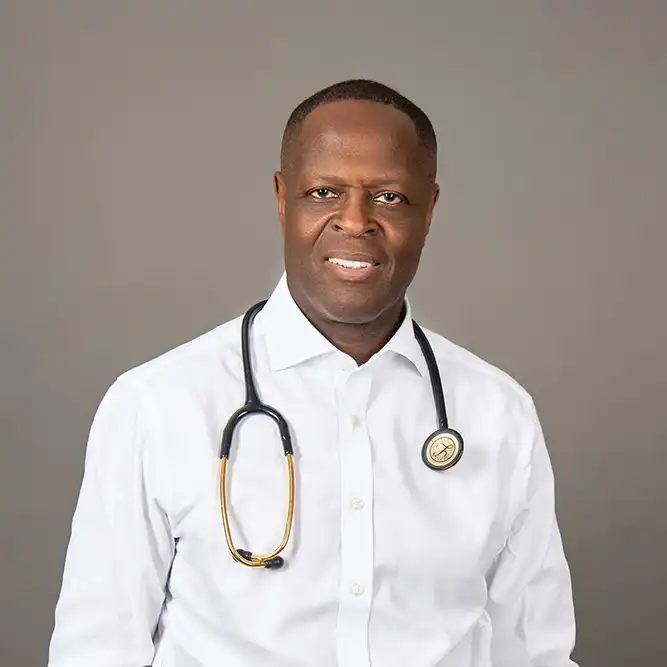
    Dr Ralph Rogers is internationally recognised as a leader in Sports & Exercise Medicine, with over 25 years of experience treating elite athletes, world-class performers, and patients seeking life-changing non-surgical care.
    Newsletter
    Get expert tips on injury recovery, regenerative medicine, and wellness—straight to your inbox.
    Rogers Regenerative Medical Group (RRMG) © 2026 All Rights Reserved.

    Webdesign by EyeMedia Creative

    Some of my highlights

    Dr Rogers has had a rich and illustrious career so far, which is continuing to grow and develop. Everything Ralph has been involved in since qualifying has added value to his knowledge and experience, but there have been some impressive highlights to note:


    • 2018 – Present Founder Medical Director: Rogers Regenerative Medical Group (RRMG)

    • 2012 – 2024 Medical Advisor – National Basketball Association

    • 2008 – 2018 Medical Director: The London Sports Injury Clinic London

    • 2010-2011 First Team Doctor, Chelsea Football Club

    • 2007- 2010 The Football Association (Team Physician for England under 19 and development squads)

    • 2005-2006 Medical Advisor: Trinidad & Tobago World Cup Football Team

    • 2002 – 2008 Club Doctor: Walsall Football Club, West Midlands England

    • 1998 – 2009 Medical Director: Medical & Orthopaedic Sports Therapy,

    • 2000 – 2005 Sports Physician: Warwickshire County Cricket Club, Birmingham
    My Philosophy

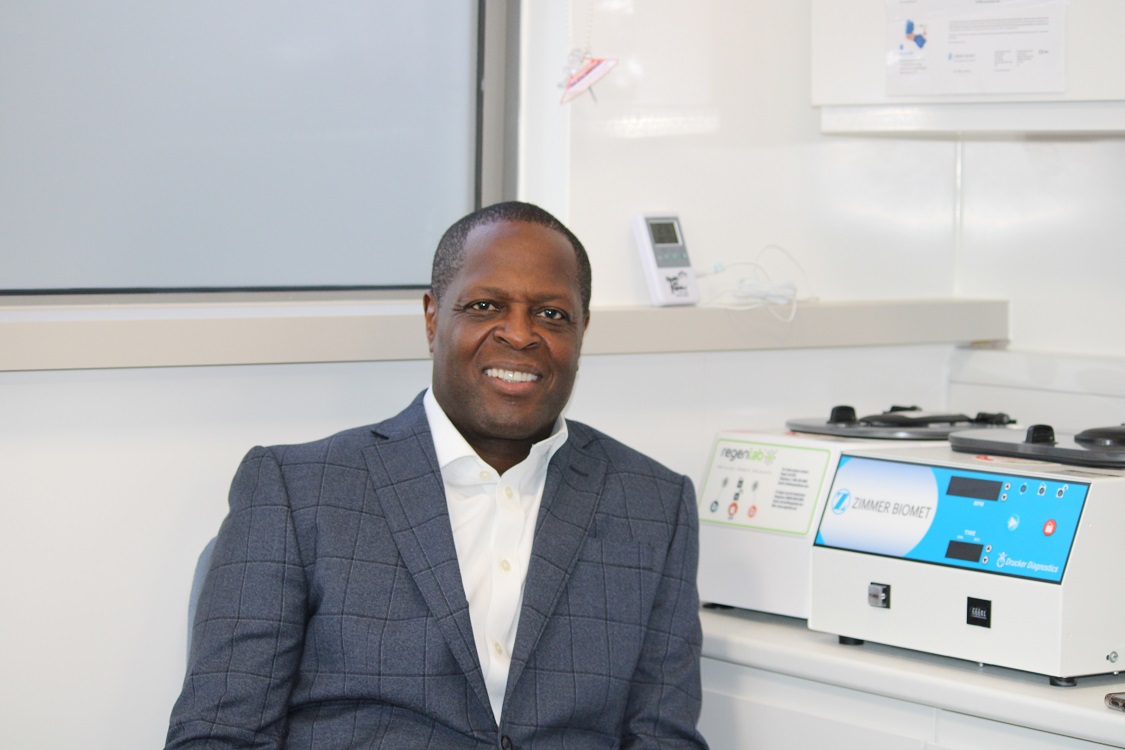
    Your body is the greatest tool you’ll ever have; it’s vital to treat it like that. The intricacies and capabilities of the human body are nothing short of astounding, and that is true for everyone from elite sports stars to weekend warriors. Athletes, amateurs and the general public alike have a responsibility to seek out the best sports and orthopaedic medicine when injury strikes, Dr Rogers offers a combination of world-class qualifications, reams of experience and a distinctive sense of style to ensure your treatment is the best.

    Dr. Ralph Rogers' Biography

    Dr Ralph Rogers is a renowned Consultant in Regenerative Orthopaedics and Sports Medicine, helping patients overcome chronic pain and injury with advanced regenerative treatments. As Founder and CEO of Rogers Regenerative Medical Group (RRMG), he leads clinics across London, providing elite care to both athletes and the general public.

    ​His academic journey began with a degree in Psychology from the University of Delaware, followed by a Medical Degree from the Catholic University of Leuven in Belgium. Dr Rogers expanded his expertise with a PhD in Exercise Physiology at the University of Maryland, supported by a prestigious NIH Research Fellowship. He also holds a Sports Medicine Fellowship from the Free University of Brussels, an MSc in Musculoskeletal Ultrasound Imaging from Bournemouth University, and an MBA from the University of Leicester.

    ​Dr. Rogers’ career highlights include serving as First Team Doctor for Chelsea Football Club and over a decade as Medical Advisor to the NBA, where he developed medical protocols for major events including NBA Global Games, Basketball Without Borders, and the Basketball Africa League. During the COVID-19 pandemic, he played a key role in implementing the NBA’s “Bubble” in Orlando, ensuring player safety through rigorous protocols.

    ​Specialising in non-surgical treatments, Dr Rogers uses cutting-edge therapies like Platelet Rich Plasma (PRP) and alpha-2 macroglobulin (A2M) injections to support joint health and mobility, minimising recovery times.

    ​He is a Fellow of the American College of Sports Medicine (FACSM) and The Faculty of Sports & Exercise Medicine in the UK and Ireland (FFSEM UK, IRE), where he also serves as an examiner. His dedication to innovation, excellence, and patient-centred care ensures that Dr Ralph Rogers remains at the forefront of regenerative sports medicine.

    Phone

    Address

    Social