








SPECIALIST BACK PAIN CARE

Lumbar Disc Degeneration Assessment & Treatment in London

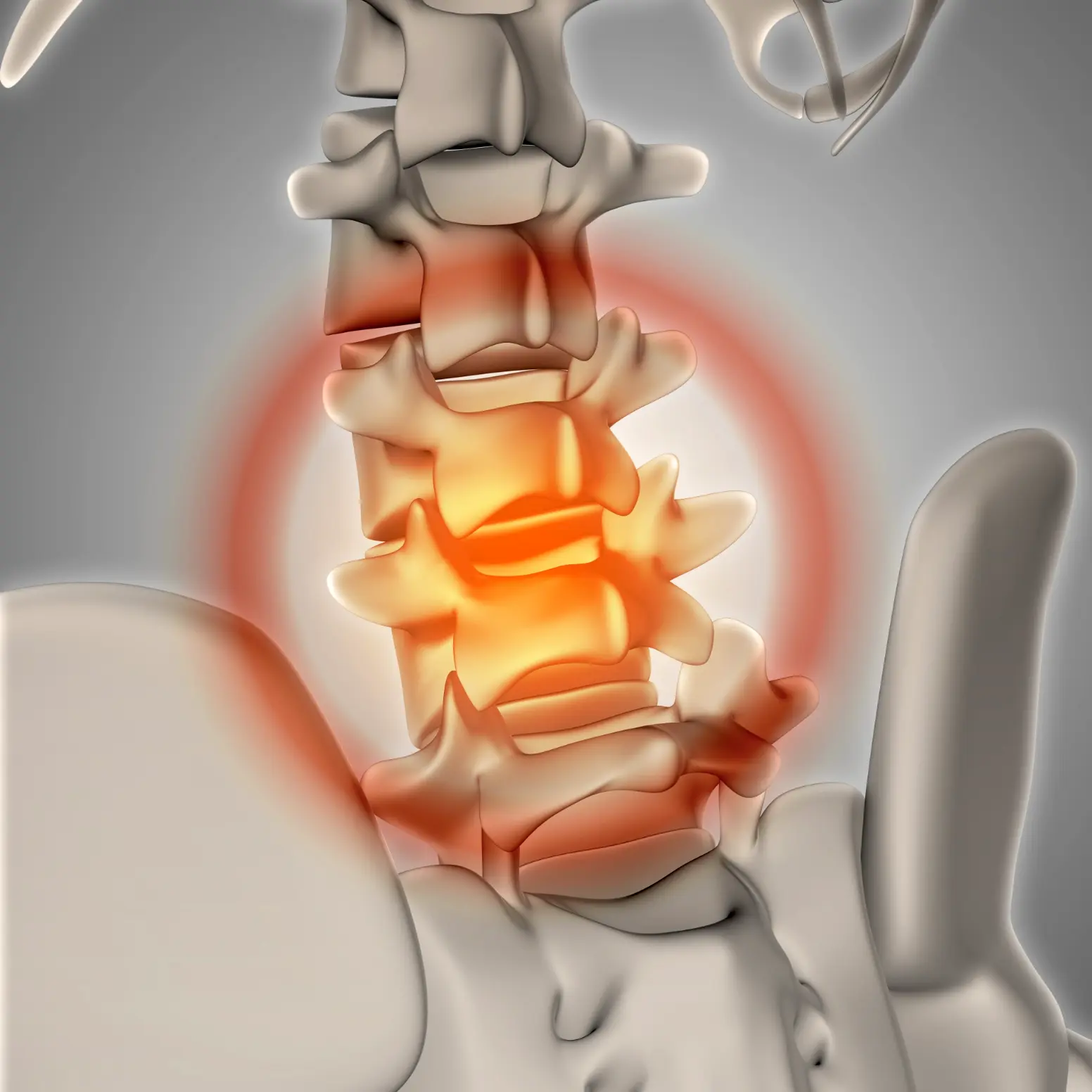
Disc degeneration is a common finding on spinal scans, but it does not always explain lower back pain. If you are experiencing persistent discomfort, stiffness or difficulty with everyday movement, understanding your symptoms is an important step towards choosing appropriate treatment.

At Rogers Regenerative Medical Group (RRMG), we assess your symptoms, spinal function and relevant imaging to help determine what may be contributing to your pain and discuss suitable treatment options.
4.9/5 92 reviews · verified by

List of Our Insurance Partners

RECOGNISE THE SIGNS

How Can Disc-Related Back Pain Affect You?

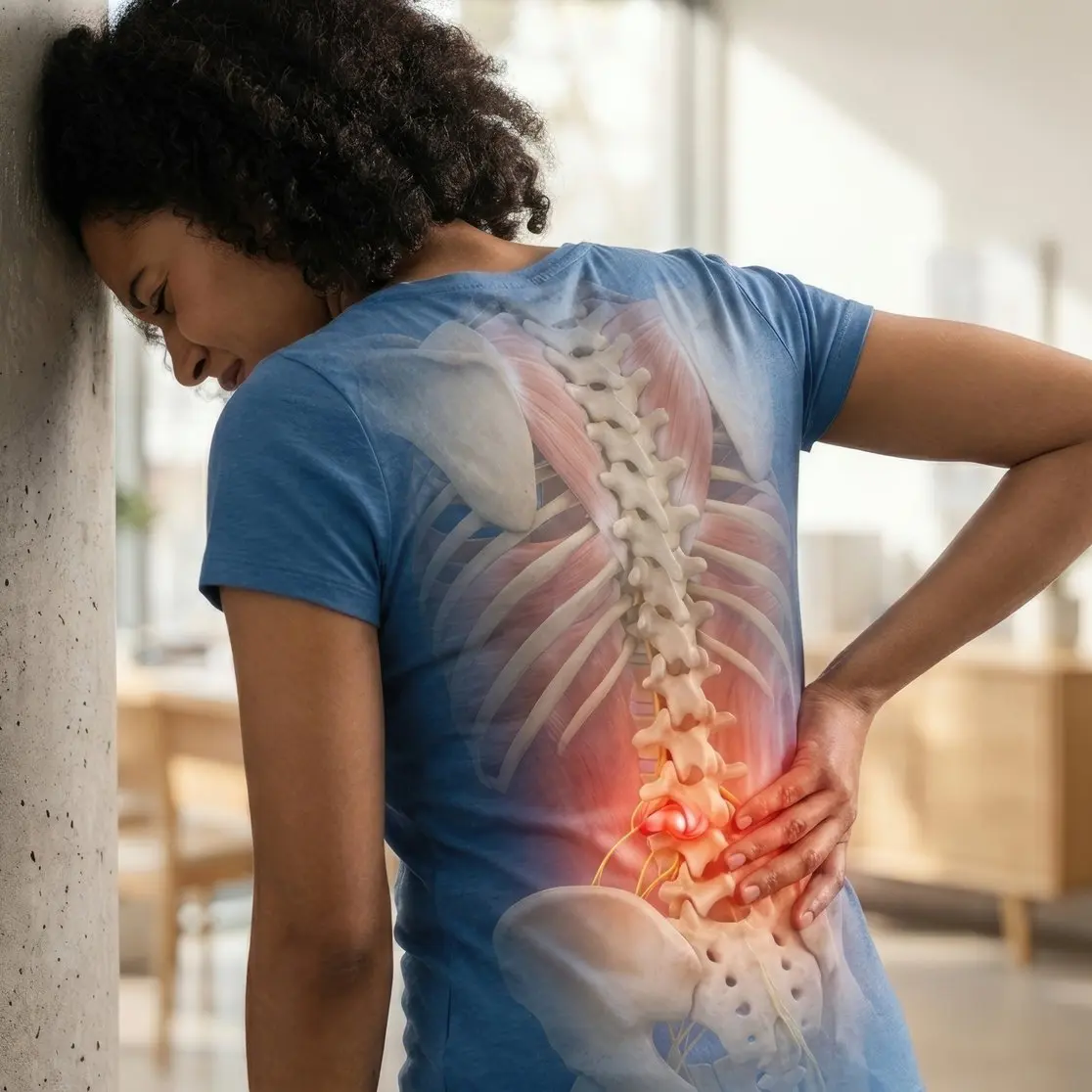
When you experience back pain alongside degenerative changes, you may notice:
  • Aching or persistent discomfort in the lower back.
  • Stiffness when bending, straightening or changing position.
  • Pain that affects sitting, lifting or everyday movement.
  • Discomfort that increases or changes with physical activity.
  • Recurrent episodes of lower back pain.
  • Pain extending into the buttock or thigh.
  • Shooting leg pain, tingling or numbness when nerve irritation is also present.
  • Reduced tolerance for exercise, work or prolonged physical activity.
UNDERSTANDING THE CAUSE

What Can Contribute to Disc Degeneration?

Disc degeneration is usually a gradual process rather than the result of one specific injury. Several factors can influence the changes seen in the spine and how they relate to your symptoms.

Age-Related Changes

Spinal discs naturally change over time, including changes in their water content, structure and ability to distribute loads. These changes are common and do not necessarily lead to pain.

Changes in Disc Structure

Some discs lose height or develop changes in their outer fibres. These findings may occur alongside other spinal changes, but their significance depends on the wider clinical picture.

Disc Bulging or Herniation

In some cases, disc material extends beyond its usual boundaries. If this irritates or compresses a nearby nerve, you may develop leg pain, tingling, numbness or weakness.

Other Spinal and Muscular Factors

Changes in facet joints, muscles and other spinal structures may contribute to pain alongside disc degeneration. We assess these factors rather than assuming one structure explains your pain.
Treatment options

How We Treat Disc Degeneration and Back Pain

Before You Decide on Treatment, Understand What’s Causing Your Symptoms

Pain, stiffness or restricted movement can have different causes. Arrange a specialist assessment with Dr Ralph Rogers to review your symptoms and discuss appropriate treatment options.
Your care pathway

From First Consultation to Recovery

Every condition is different. We assess your symptoms, explain our findings and discuss suitable treatment options, with costs explained before treatment begins.

Initial Consultation

Meet Dr Ralph Rogers to discuss your symptoms and medical history.

Assessment

Examine your condition and review imaging where appropriate.

Treatment Plan

Explore suitable treatments, benefits, risks and costs.

Follow-Up & Rehabilitation

Monitor progress and support your return to daily activities.
Meet OUr Founder

Dr Ralph Rogers

MD PhD MBA FACSM FFSEM FFSEM (UK) CEO RRMG
Specialist in Sports Medicine, Regenerative Medicine and Human Performance
Watch Our Introduction Video
Frequently asked questions

Most Common Asked Questions by our Patients

Not necessarily. Disc degeneration describes structural changes that commonly develop with age. These changes may be present without symptoms, and a scan finding alone cannot confirm the cause of back pain.

It may contribute to pain in some people, but not everyone with disc degeneration experiences symptoms. Your pain may also involve muscles, joints or other spinal structures, so we assess the wider clinical picture.

Disc structure often changes over time, but the progression and effect on symptoms vary between individuals. The appearance of degeneration on a scan does not reliably tell us how much pain you will experience or how your symptoms will develop.

There is no established treatment that reliably restores a degenerated spinal disc to its original state. Treatment generally focuses on managing symptoms, maintaining function and addressing specific problems identified during assessment.

Not everyone needs an MRI. We consider imaging when it is likely to clarify a significant clinical question or change treatment decisions. MRI findings must be interpreted alongside your symptoms and examination.

Disc degeneration refers to structural changes in the disc. A herniated disc involves disc material extending through its usual boundary and may irritate a nearby nerve. The two can occur together, but they are not the same finding.

Exercise and continued activity are important parts of managing lower back pain. The appropriate programme depends on your symptoms, abilities and clinical findings. We can discuss which activities and rehabilitation approaches may be suitable for you.

Let's Talk

Get in Touch with Us

Have a question or want to learn more about what we do? We're here to help you.

This site is protected by reCAPTCHA and the Google Privacy Policy and Terms of Service apply.

Any Questions, We Can Help You?

Any Specific Queries? Get In Touch

Email Us On:
pa@rrmg.com

Rogers Regenerative Medical Group (RRMG)

Dr Ralph Rogers is internationally recognised as a leader in Sports & Exercise Medicine, with over 25 years of experience treating elite athletes, world-class performers, and patients seeking life-changing non-surgical care.
Newsletter
Get expert insights on injury recovery, regenerative medicine, and wellness, delivered straight to your inbox.
Rogers Regenerative Medical Group (RRMG) © 2026 All Rights Reserved.

Webdesign by EyeMedia Creative

Some of my highlights

Dr Rogers has had a rich and illustrious career so far, which is continuing to grow and develop. Everything Ralph has been involved in since qualifying has added value to his knowledge and experience, but there have been some impressive highlights to note:


  • 2018 – Present Founder Medical Director: Rogers Regenerative Medical Group (RRMG)

  • 2012 – 2024 Medical Advisor – National Basketball Association

  • 2008 – 2018 Medical Director: The London Sports Injury Clinic London

  • 2010-2011 First Team Doctor, Chelsea Football Club

  • 2007- 2010 The Football Association (Team Physician for England under 19 and development squads)

  • 2005-2006 Medical Advisor: Trinidad & Tobago World Cup Football Team

  • 2002 – 2008 Club Doctor: Walsall Football Club, West Midlands England

  • 1998 – 2009 Medical Director: Medical & Orthopaedic Sports Therapy,

  • 2000 – 2005 Sports Physician: Warwickshire County Cricket Club, Birmingham
My Philosophy

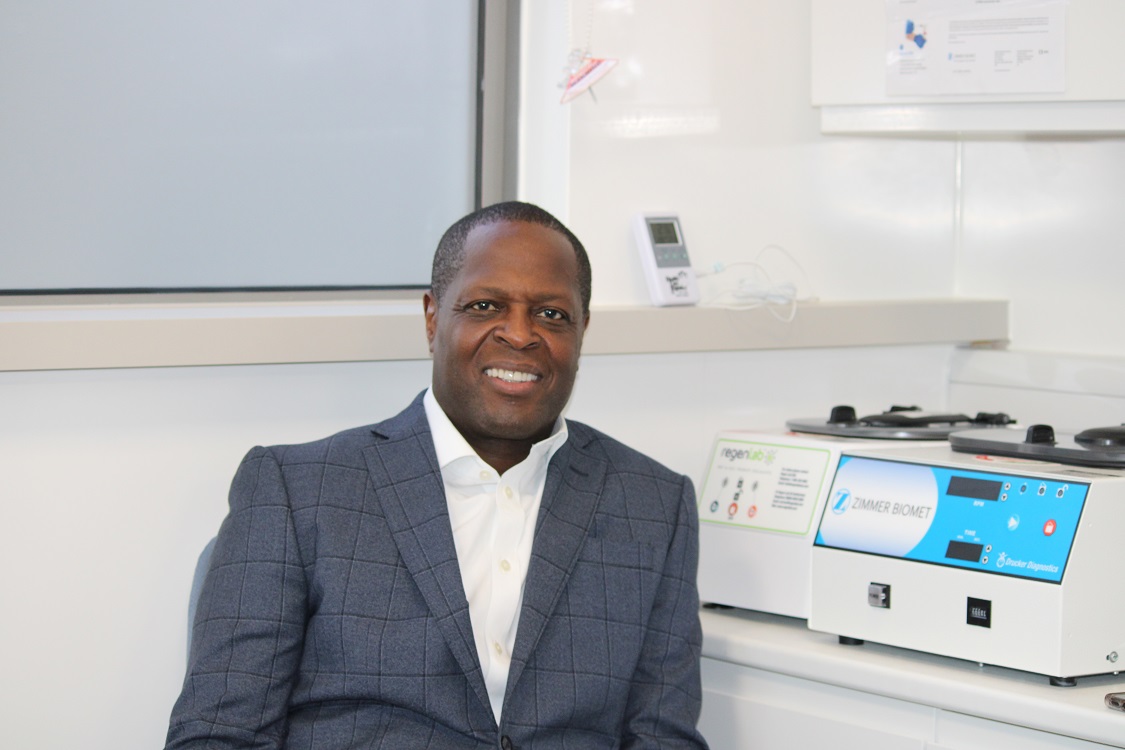
Your body is the greatest tool you’ll ever have; it’s vital to treat it like that. The intricacies and capabilities of the human body are nothing short of astounding, and that is true for everyone from elite sports stars to weekend warriors. Athletes, amateurs and the general public alike have a responsibility to seek out the best sports and orthopaedic medicine when injury strikes, Dr Rogers offers a combination of world-class qualifications, reams of experience and a distinctive sense of style to ensure your treatment is the best.

Dr. Ralph Rogers' Biography
​

Dr Ralph Rogers is a renowned Consultant in Regenerative Orthopaedics and Sports Medicine, helping patients overcome chronic pain and injury with advanced regenerative treatments. As Founder and CEO of Rogers Regenerative Medical Group (RRMG), he leads clinics across London, providing elite care to both athletes and the general public.

​His academic journey began with a degree in Psychology from the University of Delaware, followed by a Medical Degree from the Catholic University of Leuven in Belgium. Dr Rogers expanded his expertise with a PhD in Exercise Physiology at the University of Maryland, supported by a prestigious NIH Research Fellowship. He also holds a Sports Medicine Fellowship from the Free University of Brussels, an MSc in Musculoskeletal Ultrasound Imaging from Bournemouth University, and an MBA from the University of Leicester.

​Dr. Rogers’ career highlights include serving as First Team Doctor for Chelsea Football Club and over a decade as Medical Advisor to the NBA, where he developed medical protocols for major events including NBA Global Games, Basketball Without Borders, and the Basketball Africa League. During the COVID-19 pandemic, he played a key role in implementing the NBA’s “Bubble” in Orlando, ensuring player safety through rigorous protocols.

​Specialising in non-surgical treatments, Dr Rogers uses cutting-edge therapies like Platelet Rich Plasma (PRP) and alpha-2 macroglobulin (A2M) injections to support joint health and mobility, minimising recovery times.

​He is a Fellow of the American College of Sports Medicine (FACSM) and The Faculty of Sports & Exercise Medicine in the UK and Ireland (FFSEM UK, IRE), where he also serves as an examiner. His dedication to innovation, excellence, and patient-centred care ensures that Dr Ralph Rogers remains at the forefront of regenerative sports medicine.

Phone

Address

Social