


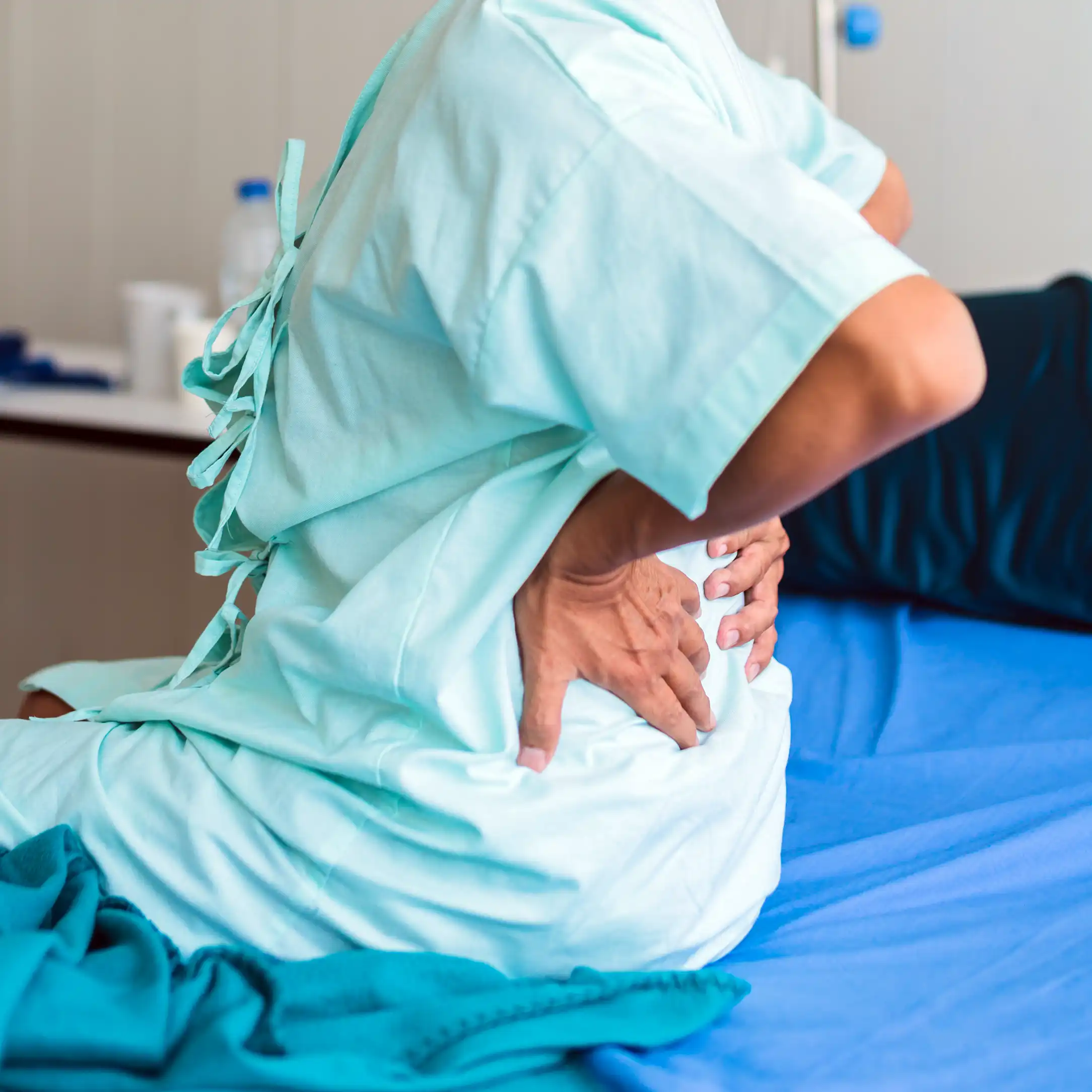











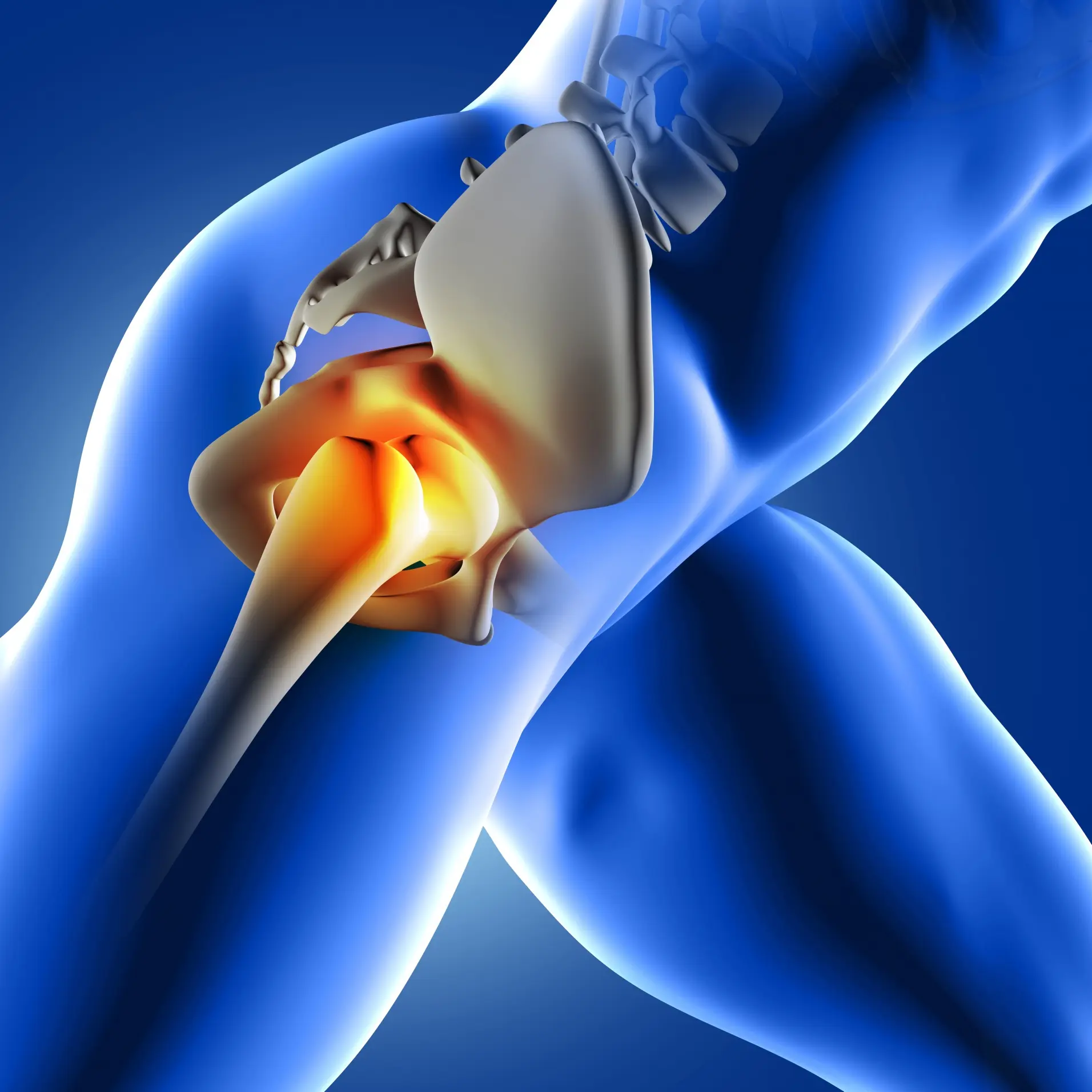
Early symptoms may include pain in the groin or outer hip, stiffness after rest and discomfort during walking or other weight-bearing activities. Some people also notice difficulty bending the hip or putting on socks and shoes. Symptoms vary between individuals.
Hip osteoarthritis often causes deep groin pain and stiffness with movement. Greater trochanteric pain syndrome more commonly causes pain on the outer side of the hip, which may worsen when lying on that side or climbing stairs. However, symptoms can overlap, so a clinical assessment is important.
Many people manage hip osteoarthritis without surgery through exercise, strengthening, lifestyle changes where relevant and appropriate symptom management. When symptoms remain severe and substantially affect quality of life despite suitable treatment, a surgical opinion may be appropriate.
Not necessarily. Symptoms can fluctuate, and the impact on daily life varies between people. Appropriate management can help reduce symptoms and maintain function, although it cannot guarantee that the condition will stop progressing.
Not always. Typical osteoarthritis can often be diagnosed clinically without imaging. X-rays or MRI may be considered when symptoms are atypical, the diagnosis is uncertain or another condition is suspected.
Yes. Problems affecting the lower back can refer pain into the buttock, hip or thigh. This is one reason a clinical assessment should consider the surrounding structures rather than assuming all hip-region pain originates in the hip joint.
The potential benefit depends on the type of injection and the individual clinical situation. NICE allows corticosteroid injections to be considered in selected circumstances, while explaining that their benefit is short term. Hyaluronic acid injections are not recommended by NICE for osteoarthritis. Treatment options and their limitations should be discussed with your clinician.
Seek medical advice if hip pain persists, repeatedly returns or affects walking, sleep or daily activities. Severe pain after an injury, an inability to walk or bear weight, or a hot, swollen hip accompanied by fever requires urgent assessment.
This site is protected by reCAPTCHA and the Google Privacy Policy and Terms of Service apply.
Dr Rogers has had a rich and illustrious career so far, which is continuing to grow and develop. Everything Ralph has been involved in since qualifying has added value to his knowledge and experience, but there have been some impressive highlights to note:
2018 – Present Founder Medical Director: Rogers Regenerative Medical Group (RRMG)
2012 – 2024 Medical Advisor – National Basketball Association
2008 – 2018 Medical Director: The London Sports Injury Clinic London
2010-2011 First Team Doctor, Chelsea Football Club
2007- 2010 The Football Association (Team Physician for England under 19 and development squads)
2005-2006 Medical Advisor: Trinidad & Tobago World Cup Football Team
2002 – 2008 Club Doctor: Walsall Football Club, West Midlands England
1998 – 2009 Medical Director: Medical & Orthopaedic Sports Therapy,
2000 – 2005 Sports Physician: Warwickshire County Cricket Club, Birmingham