












MENISCUS & CARTILAGE DAMAGE TREATMENT IN LONDON

Meniscus & Cartilage Damage Treatment

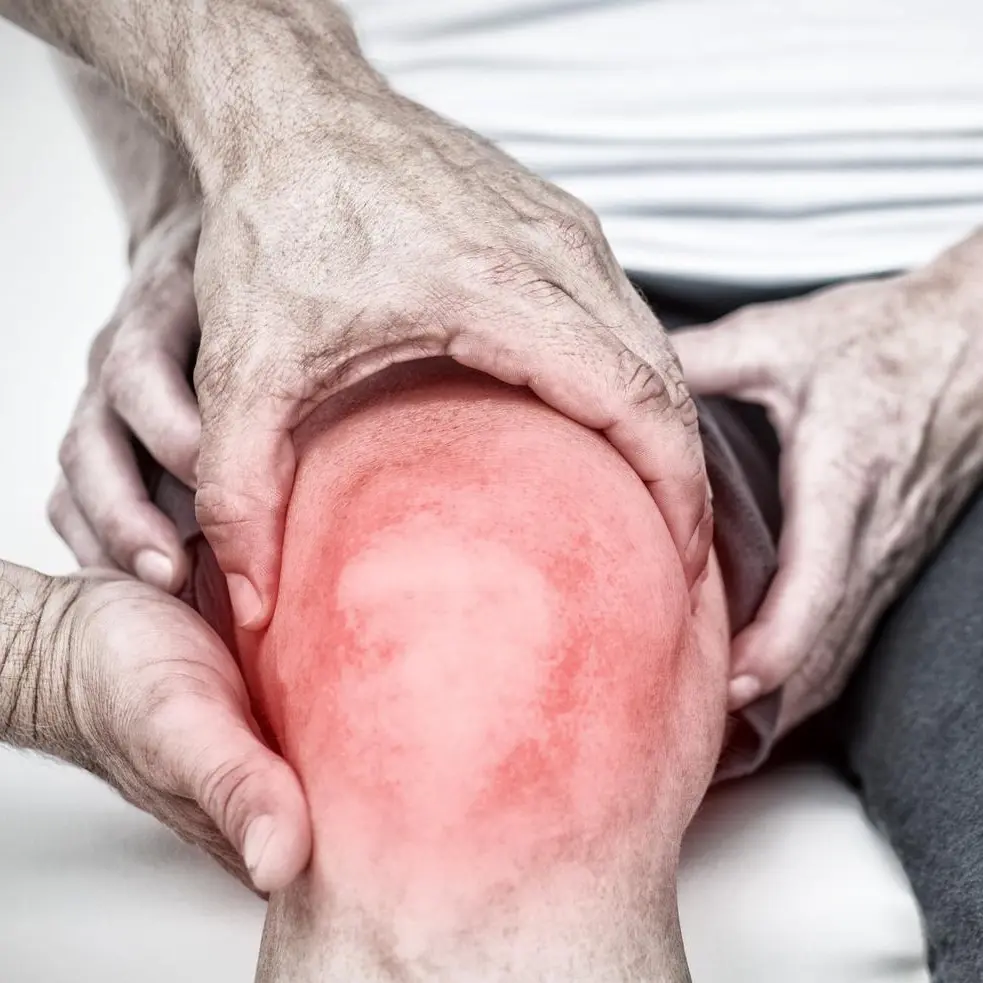
Knee pain, swelling, catching or difficulty bending your knee can be signs of a meniscus tear or cartilage damage. These problems can affect how you walk, exercise and return to everyday activities.

At Rogers Regenerative Medical Group (RRMG), Dr Ralph Rogers provides specialist assessment for knee injuries and degenerative joint conditions, helping identify the cause of your symptoms and explore appropriate treatment options, including non-surgical care where suitable.
4.9/5 92 reviews · verified by

List of Our Insurance Partners

RECOGNISE THE SIGNS

Symptoms of Meniscus and Cartilage Damage

The symptoms depend on the location and severity of the damage. Some develop immediately after an injury, while others become noticeable gradually.
You may experience:
  • Pain along the inner or outer side of the knee.
  • Swelling that develops over several hours or days.
  • Stiffness or difficulty fully bending or straightening the knee.
  • Clicking or catching sensations during movement.
  • Pain when twisting, squatting or changing direction.
  • A feeling that the knee gives way or feels unstable.
  • Discomfort when walking, climbing stairs or returning to exercise.
WHY KNEE CARTILAGE DAMAGE OCCURS

What Causes Meniscus Tears and Cartilage Damage?

There are several reasons the structures inside your knee may become damaged.

Sports and Twisting Injuries

Turning sharply on a planted foot, squatting under load or sustaining an impact can injure the meniscus or damage cartilage within the knee.

Age-Related Tissue Changes

The meniscus can become more vulnerable to tearing as its structure changes over time. Degenerative tears may occur without a single identifiable injury.

Osteoarthritis and Joint Degeneration

Degenerative changes can affect the articular cartilage and other joint structures, sometimes contributing to persistent pain and reduced movement.

Repeated Loading

Repetitive twisting, deep squatting and demanding physical activity can aggravate an existing knee problem, although pain during activity does not necessarily mean new structural damage has occurred.
Treatment options

How We Treat Meniscus and Cartilage Damage

Before You Decide on Treatment, Understand What’s Causing Your Symptoms

Pain, stiffness or restricted movement can have different causes. Arrange a specialist assessment with Dr Ralph Rogers to review your symptoms and discuss appropriate treatment options.
Your care pathway

From First Consultation to Recovery

Every condition is different. We assess your symptoms, explain our findings and discuss suitable treatment options, with costs explained before treatment begins.

Initial Consultation

Meet Dr Ralph Rogers to discuss your symptoms and medical history.

Assessment

Examine your condition and review imaging where appropriate.

Treatment Plan

Explore suitable treatments, benefits, risks and costs.

Follow-Up & Rehabilitation

Monitor progress and support your return to daily activities.
Meet OUr Founder

Dr Ralph Rogers

MD PhD MBA FACSM FFSEM FFSEM (UK) CEO RRMG
Specialist in Sports Medicine, Regenerative Medicine and Human Performance
Watch Our Introduction Video
Your care pathway

Most Common Asked Questions by our Patients

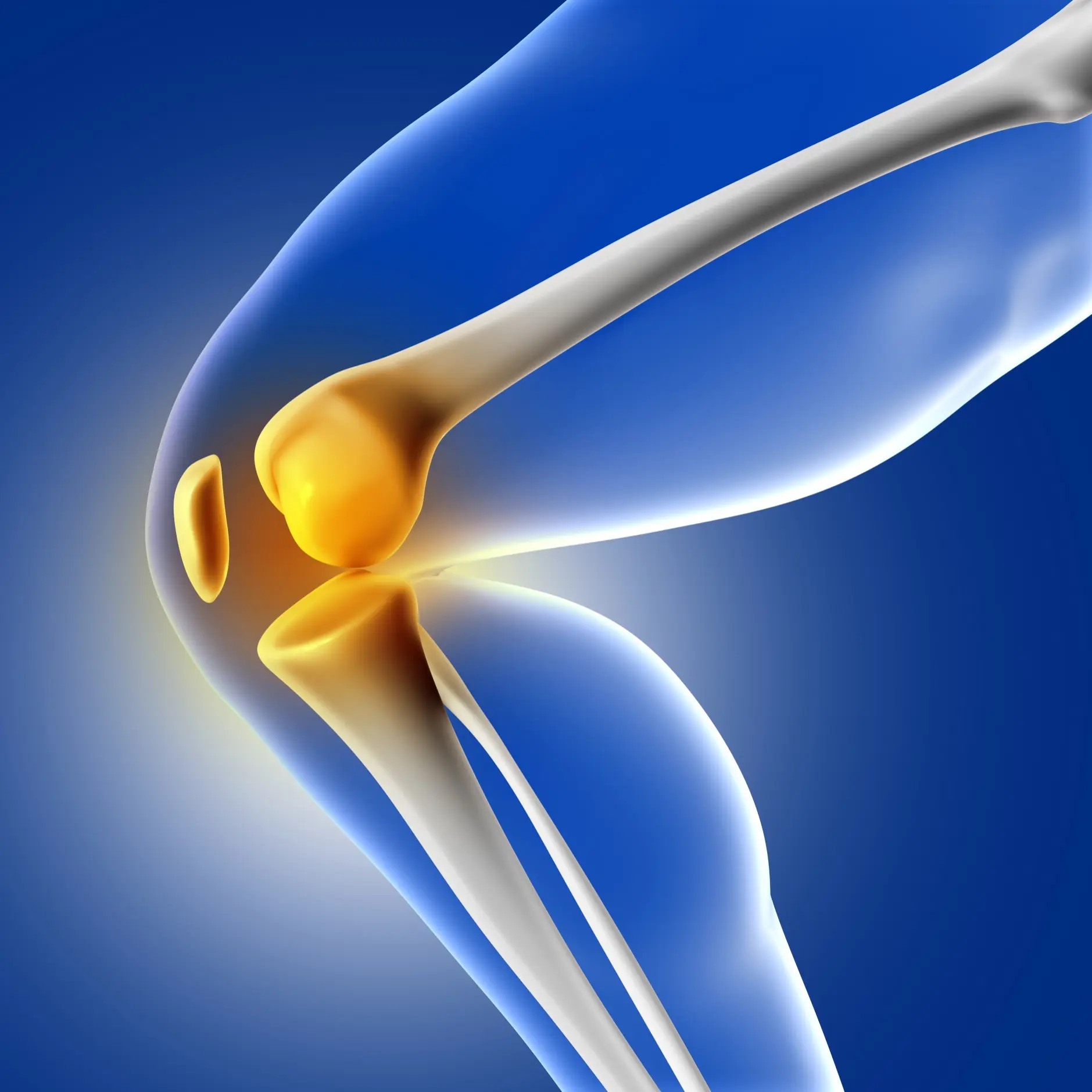
The meniscus is a piece of fibrocartilage that cushions the space between the thighbone and shinbone. Articular cartilage is the smooth tissue covering the ends of the bones. A meniscus tear affects the cushioning structure, while articular cartilage damage affects the joint surface. Both can cause knee pain, swelling and restricted movement.

Some meniscus tears can improve with time, activity modification and rehabilitation. The likelihood of healing depends on factors such as the tear's location, pattern and blood supply. Other tears may need surgical assessment, particularly when symptoms are severe or movement is mechanically restricted.

No. Some tears cause noticeable swelling, which may develop several hours or days after the injury, while others cause mainly pain or catching during movement. The absence of swelling does not rule out a meniscus problem.

Not every patient requires an MRI, but it is generally the preferred imaging method for diagnosing an acute meniscus tear when imaging is indicated. Your clinician will consider your symptoms, examination findings and whether the scan could change the treatment plan.

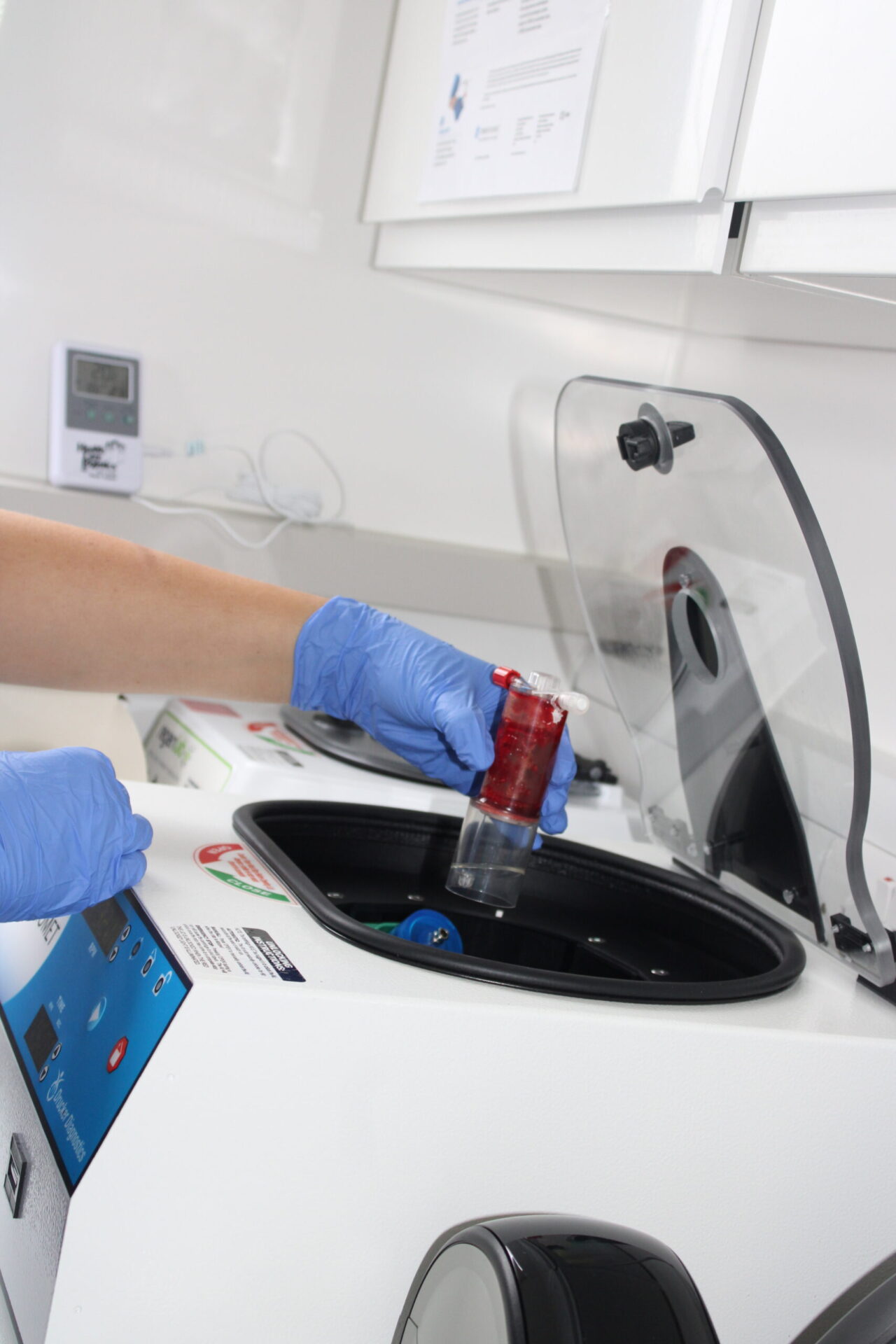
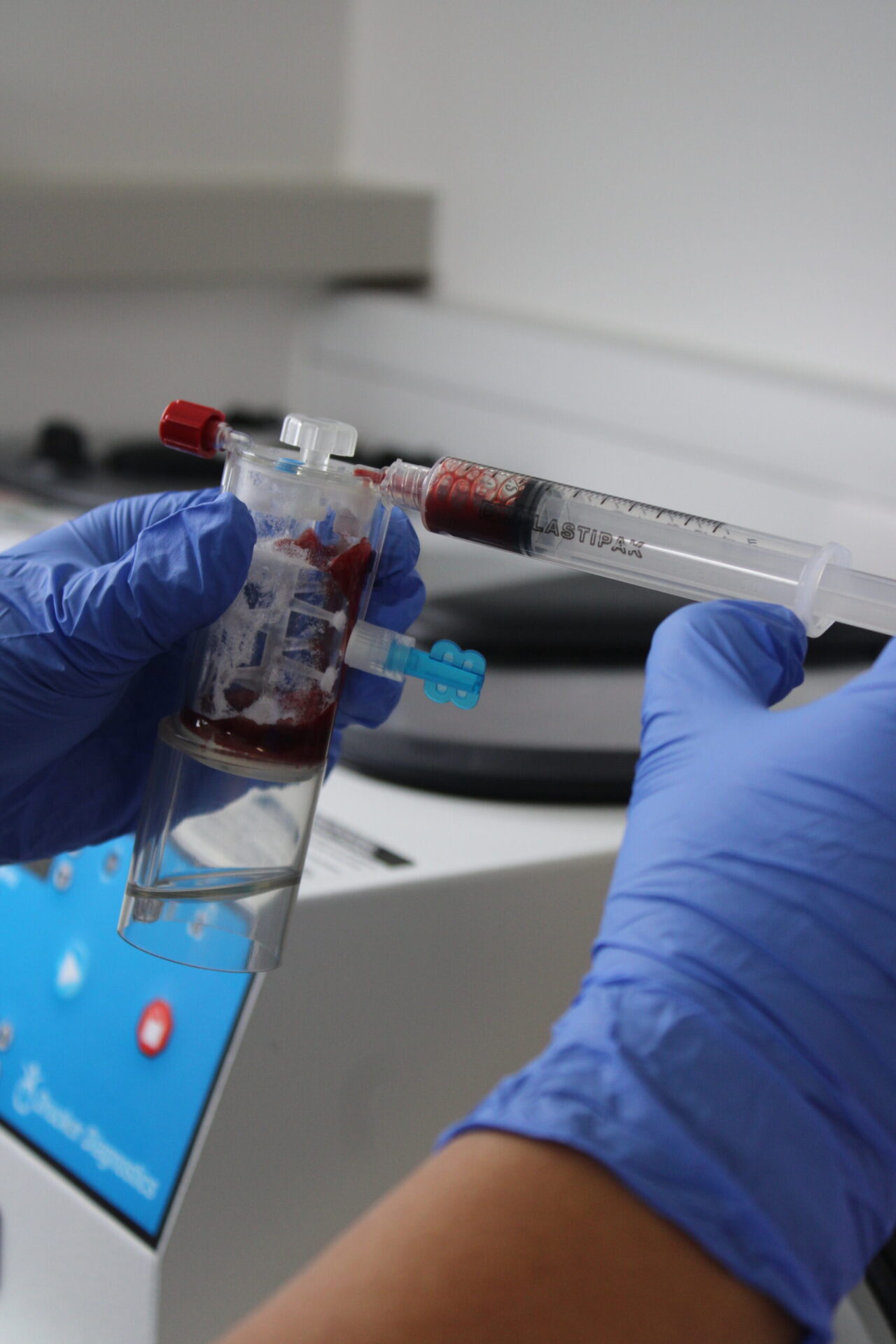
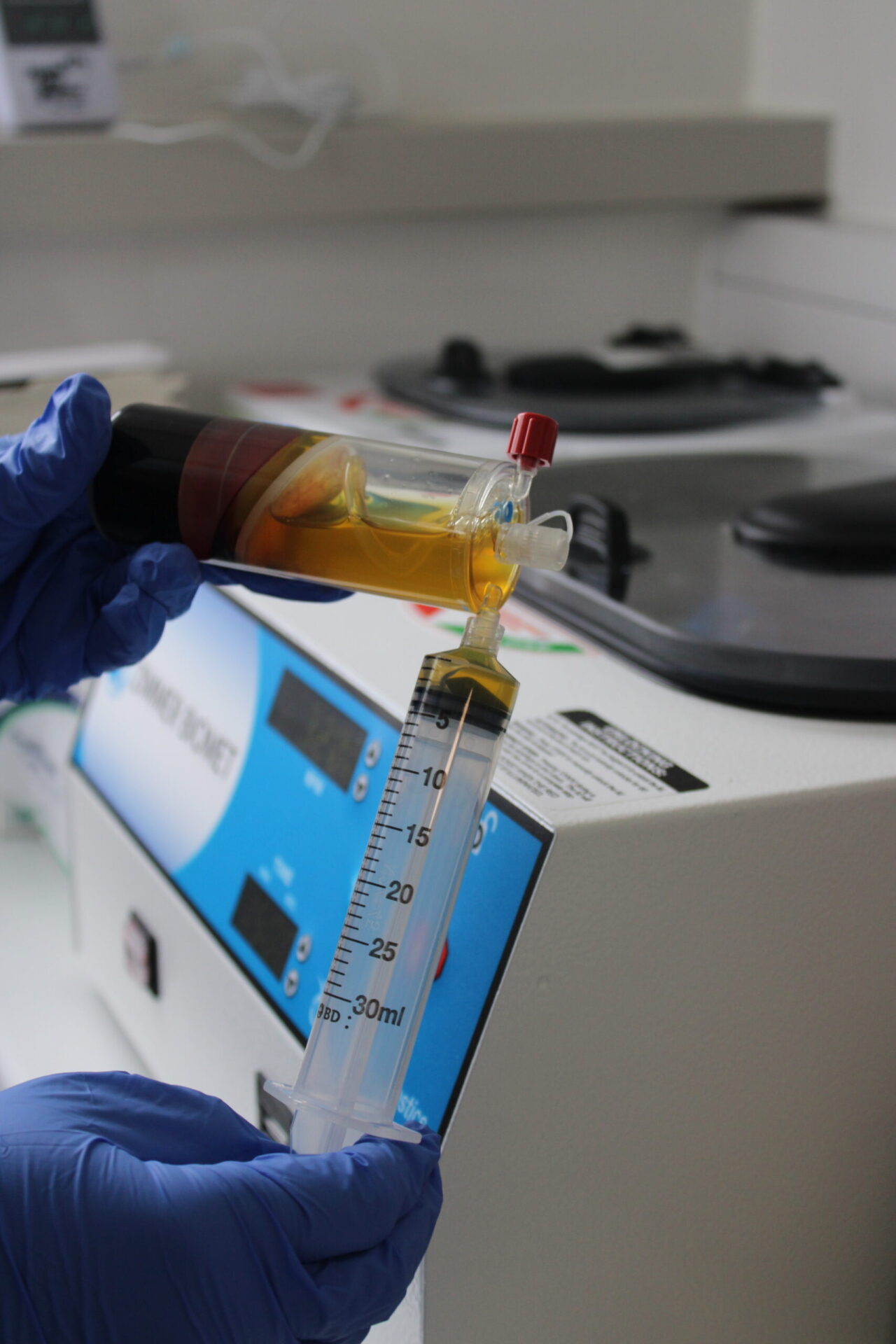
PRP is used in some clinical settings for musculoskeletal conditions, but it should not be described as a guaranteed way to repair a meniscus tear. Suitability and expected benefit depend on the injury, the evidence for the proposed use and the individual patient. Discuss the limitations and alternatives with your clinician.

Yes. Damage to structures within the knee can cause pain during weight-bearing activities such as climbing stairs, squatting or standing from a chair. However, these symptoms can also arise from other conditions, so an assessment is needed to establish the likely cause.

The appropriate level of activity depends on the injury and your symptoms. You may need to temporarily avoid movements that aggravate pain, particularly twisting or deep squatting. Rehabilitation can help guide a gradual return to exercise. Severe pain, a locked knee or an inability to bear weight needs prompt medical assessment.

Let's Talk

Get in Touch with Us

Have a question or want to learn more about what we do? We're here to help you.

This site is protected by reCAPTCHA and the Google Privacy Policy and Terms of Service apply.

Any Questions, We Can Help You?

Any Specific Queries? Get In Touch

Email Us On:
pa@rrmg.com

Rogers Regenerative Medical Group (RRMG)

Dr Ralph Rogers is internationally recognised as a leader in Sports & Exercise Medicine, with over 25 years of experience treating elite athletes, world-class performers, and patients seeking life-changing non-surgical care.
Newsletter
Get expert insights on injury recovery, regenerative medicine, and wellness, delivered straight to your inbox.
Rogers Regenerative Medical Group (RRMG) © 2026 All Rights Reserved.

Webdesign by EyeMedia Creative

Some of my highlights

Dr Rogers has had a rich and illustrious career so far, which is continuing to grow and develop. Everything Ralph has been involved in since qualifying has added value to his knowledge and experience, but there have been some impressive highlights to note:


  • 2018 – Present Founder Medical Director: Rogers Regenerative Medical Group (RRMG)

  • 2012 – 2024 Medical Advisor – National Basketball Association

  • 2008 – 2018 Medical Director: The London Sports Injury Clinic London

  • 2010-2011 First Team Doctor, Chelsea Football Club

  • 2007- 2010 The Football Association (Team Physician for England under 19 and development squads)

  • 2005-2006 Medical Advisor: Trinidad & Tobago World Cup Football Team

  • 2002 – 2008 Club Doctor: Walsall Football Club, West Midlands England

  • 1998 – 2009 Medical Director: Medical & Orthopaedic Sports Therapy,

  • 2000 – 2005 Sports Physician: Warwickshire County Cricket Club, Birmingham
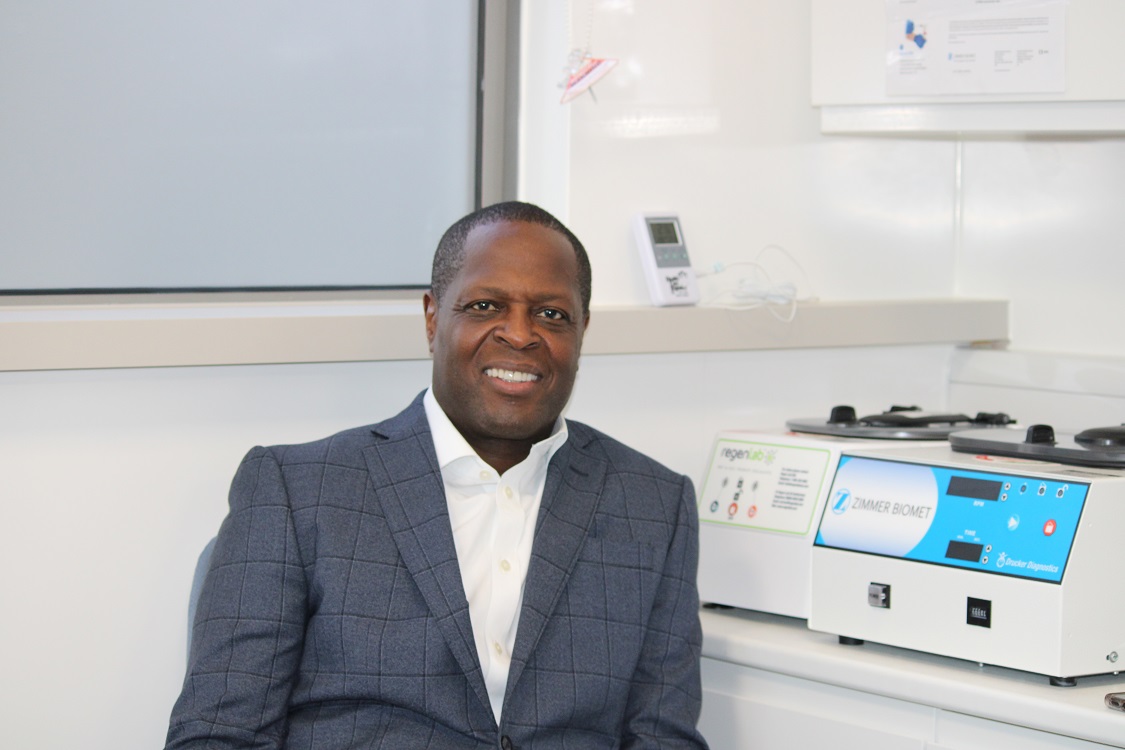
My Philosophy

Your body is the greatest tool you’ll ever have; it’s vital to treat it like that. The intricacies and capabilities of the human body are nothing short of astounding, and that is true for everyone from elite sports stars to weekend warriors. Athletes, amateurs and the general public alike have a responsibility to seek out the best sports and orthopaedic medicine when injury strikes, Dr Rogers offers a combination of world-class qualifications, reams of experience and a distinctive sense of style to ensure your treatment is the best.

Dr. Ralph Rogers' Biography
​

Dr Ralph Rogers is a renowned Consultant in Regenerative Orthopaedics and Sports Medicine, helping patients overcome chronic pain and injury with advanced regenerative treatments. As Founder and CEO of Rogers Regenerative Medical Group (RRMG), he leads clinics across London, providing elite care to both athletes and the general public.

​His academic journey began with a degree in Psychology from the University of Delaware, followed by a Medical Degree from the Catholic University of Leuven in Belgium. Dr Rogers expanded his expertise with a PhD in Exercise Physiology at the University of Maryland, supported by a prestigious NIH Research Fellowship. He also holds a Sports Medicine Fellowship from the Free University of Brussels, an MSc in Musculoskeletal Ultrasound Imaging from Bournemouth University, and an MBA from the University of Leicester.

​Dr. Rogers’ career highlights include serving as First Team Doctor for Chelsea Football Club and over a decade as Medical Advisor to the NBA, where he developed medical protocols for major events including NBA Global Games, Basketball Without Borders, and the Basketball Africa League. During the COVID-19 pandemic, he played a key role in implementing the NBA’s “Bubble” in Orlando, ensuring player safety through rigorous protocols.

​Specialising in non-surgical treatments, Dr Rogers uses cutting-edge therapies like Platelet Rich Plasma (PRP) and alpha-2 macroglobulin (A2M) injections to support joint health and mobility, minimising recovery times.

​He is a Fellow of the American College of Sports Medicine (FACSM) and The Faculty of Sports & Exercise Medicine in the UK and Ireland (FFSEM UK, IRE), where he also serves as an examiner. His dedication to innovation, excellence, and patient-centred care ensures that Dr Ralph Rogers remains at the forefront of regenerative sports medicine.

Phone

Address

Social