


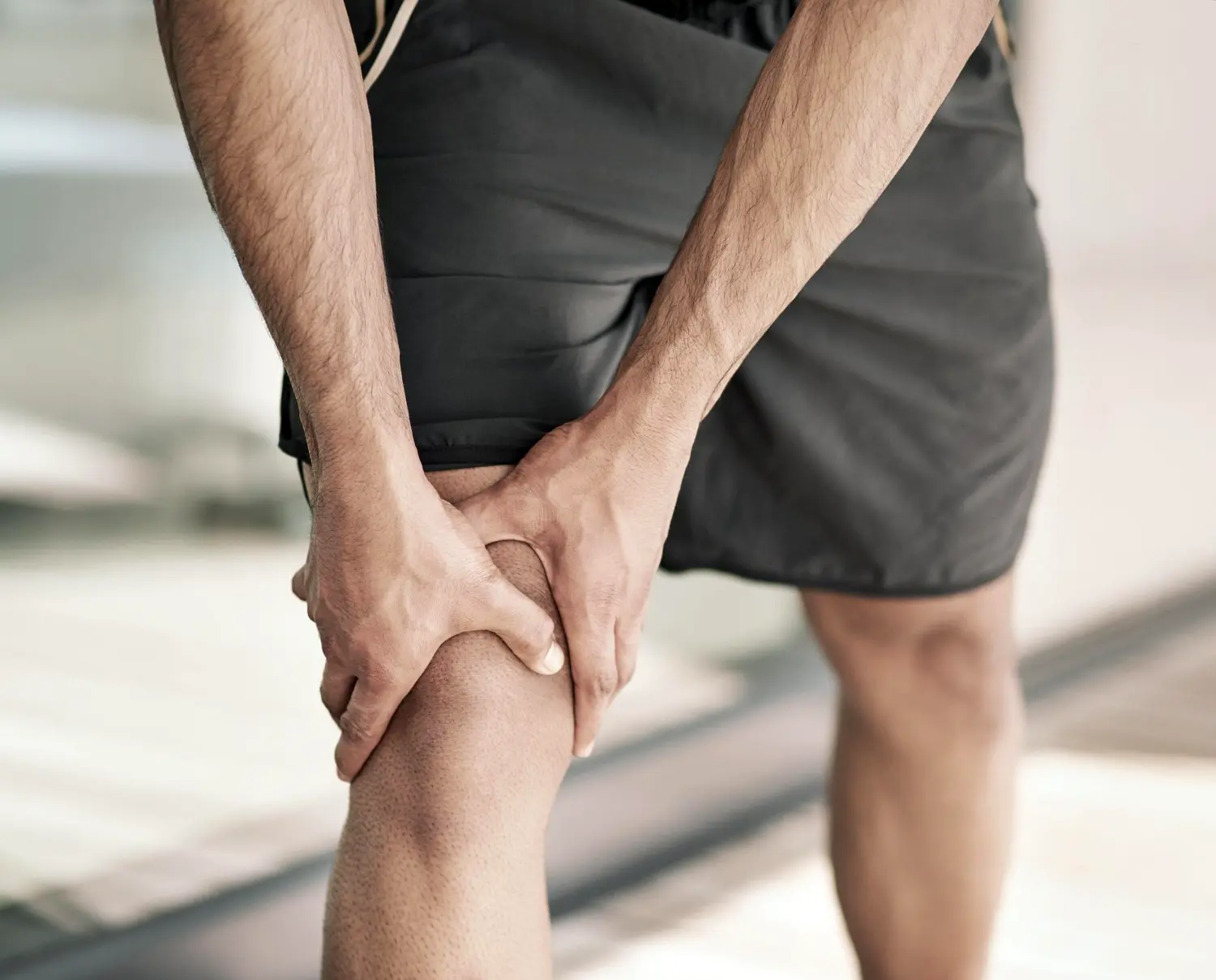











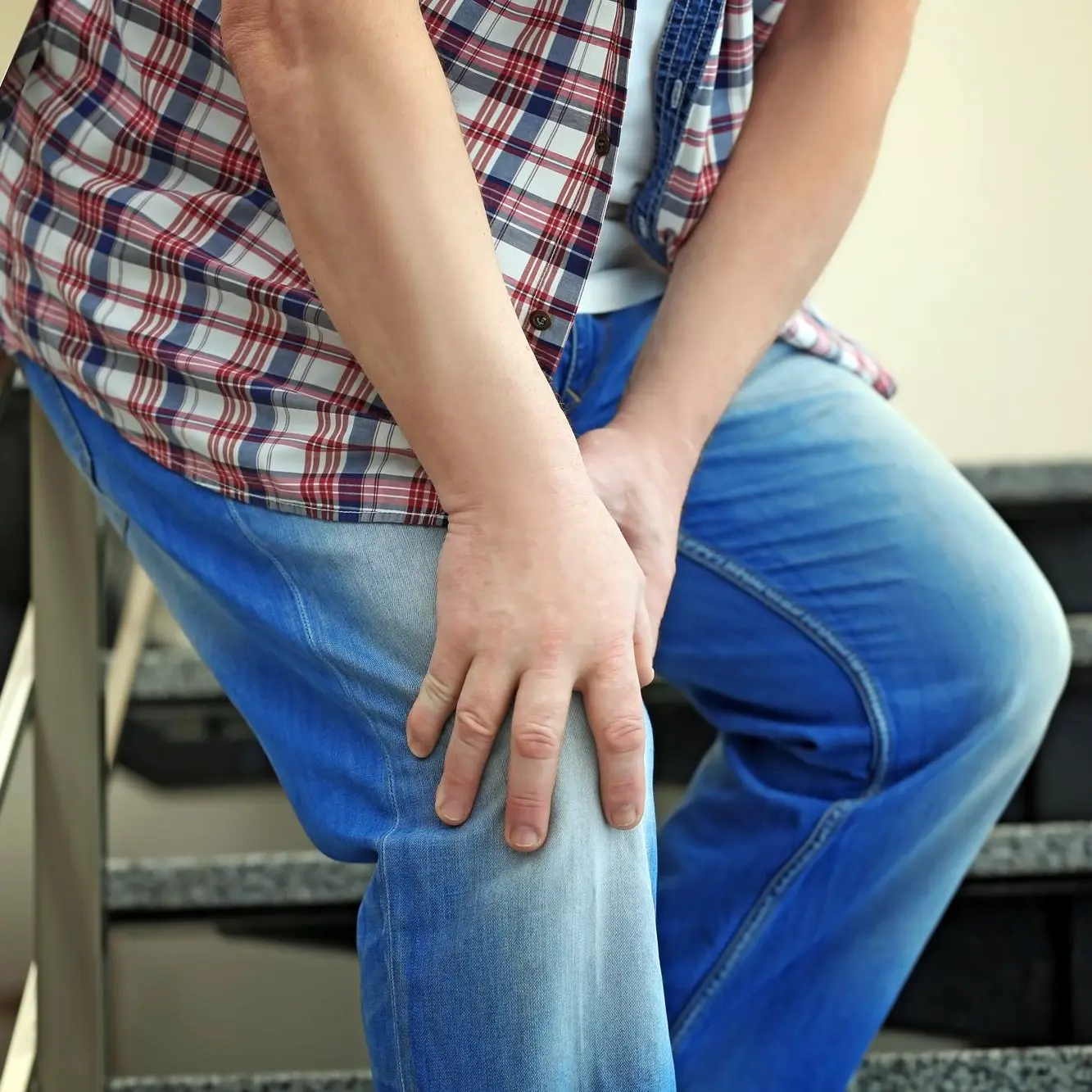
Knee swelling after walking can occur when excess fluid builds up inside the joint. Knee osteoarthritis is one possible cause, but a meniscus problem, gout or an inflammatory condition can also lead to swelling. If it keeps returning after activity, a clinical assessment can help identify the cause.
No. Osteoarthritis is a common cause of knee swelling, particularly when symptoms develop gradually, but it is not the only explanation. Meniscus injuries, ligament problems, gout and other inflammatory conditions can cause similar symptoms. An assessment helps distinguish between these conditions and determine whether further investigations are needed.
Swelling may become more noticeable throughout the day as walking, climbing stairs and standing place repeated loads on the knee. An irritated joint lining can produce excess fluid, creating a feeling of tightness or fullness. Rest may help the swelling settle, but recurring symptoms should be assessed rather than automatically attributed to arthritis.
Ultrasound can help identify fluid within the knee joint and distinguish it from some other causes of visible swelling, such as thickening of the joint lining or changes in surrounding soft tissues. At RRMG, ultrasound may be used during an assessment when clinically appropriate to help clarify the findings and guide a suitable procedure.
Not always. Knee osteoarthritis can often be diagnosed through your symptoms and clinical examination without imaging. An X-ray or MRI may be considered when symptoms are unusual, the diagnosis is uncertain or another condition is suspected. The choice of investigation depends on your clinical findings.
Yes. Knee aspiration is a procedure in which a clinician uses a needle to remove excess joint fluid. It may be considered when swelling causes significant discomfort, restricts movement or when the fluid needs to be analysed to investigate the cause. Whether aspiration is appropriate depends on the examination and suspected diagnosis.
It can. Aspiration removes excess fluid, but it does not necessarily treat the underlying reason it developed. If the joint remains irritated by osteoarthritis, an injury or another condition, swelling may return. A broader treatment plan may therefore be needed to address the cause and manage symptoms.
Not necessarily. Regular, appropriate exercise is an important part of managing knee osteoarthritis. If walking repeatedly causes swelling, consider reducing the distance, building activity up gradually and allowing time for recovery. Persistent or worsening swelling should be assessed, particularly if it affects your ability to walk normally.
This site is protected by reCAPTCHA and the Google Privacy Policy and Terms of Service apply.
Dr Rogers has had a rich and illustrious career so far, which is continuing to grow and develop. Everything Ralph has been involved in since qualifying has added value to his knowledge and experience, but there have been some impressive highlights to note:
2018 – Present Founder Medical Director: Rogers Regenerative Medical Group (RRMG)
2012 – 2024 Medical Advisor – National Basketball Association
2008 – 2018 Medical Director: The London Sports Injury Clinic London
2010-2011 First Team Doctor, Chelsea Football Club
2007- 2010 The Football Association (Team Physician for England under 19 and development squads)
2005-2006 Medical Advisor: Trinidad & Tobago World Cup Football Team
2002 – 2008 Club Doctor: Walsall Football Club, West Midlands England
1998 – 2009 Medical Director: Medical & Orthopaedic Sports Therapy,
2000 – 2005 Sports Physician: Warwickshire County Cricket Club, Birmingham