Sports Injury Clinic City of London: Expert Diagnosis & Treatment

Search Post

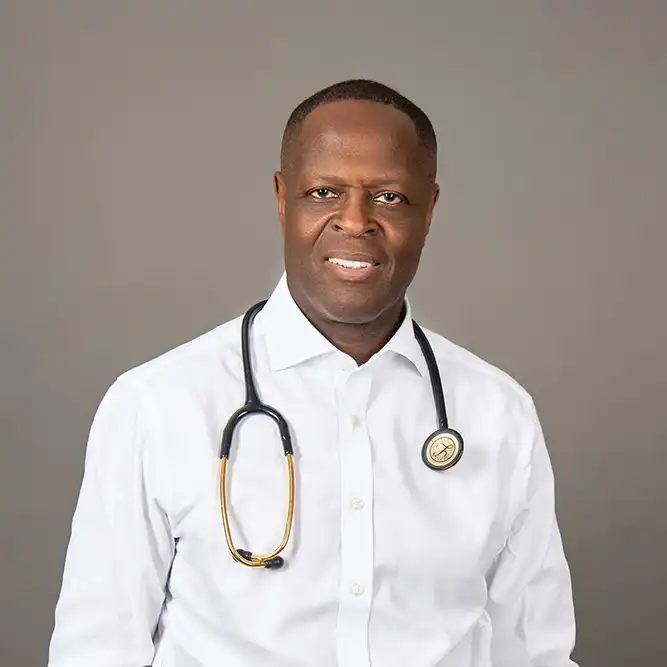
Sports injury clinic in London with a doctor examining an athlete's knee

Sports Injury Clinic City of London: Expert Assessment & Non‑Surgical Care for Athletic Injuries

Sports injuries can derail training and everyday life. At Rogers Regenerative Medical Group (RRMG), we focus on clear diagnosis, early intervention and non‑surgical options that speed recovery and protect long‑term function. This page outlines the common injuries we treat in the City of London, how regenerative orthopaedics supports healing, Dr Ralph Rogers’ approach, and what patients can expect on their journey back to sport.

What Are Common Sports Injuries Treated in City of London Clinics?

Athletes present with a wide range of injuries, each needing a tailored plan. The most common issues we see are sprains, strains, fractures and tendinopathy. Recognising these problems early and choosing the right treatment reduces time away from sport and limits the chance of chronic symptoms.

Which Joint, Tendon, and Ligament Injuries Affect Athletes?

Injuries to joints, tendons and ligaments are frequent in active people. Typical joint problems include:

  1. Knee Injuries: ACL ruptures and meniscal tears — common where quick direction changes and contact occur.
  2. Shoulder Injuries: Rotator cuff tears and dislocations — often seen in throwing and overhead sports.
  3. Ankle Injuries: Sprains and fractures — frequent in jumping and pivoting sports.

Tendon issues such as Achilles and patellar tendinopathy also reduce performance and cause persistent pain. Around 40% of sports injuries involve the knee, so focused assessment and targeted therapies for that joint are essential.

How Does Early Diagnosis Improve Sports Injury Outcomes?

Finding the problem early matters. Prompt diagnosis lets us start the most appropriate treatment sooner, which shortens recovery and lowers the risk of re‑injury. Evidence from team sport settings shows athletes treated in the first week often return faster — in some reports up to 30% sooner — than those who delay care. If something doesn’t feel right, seek assessment without waiting.
How Does Regenerative Orthopaedics Enhance Sports Injury Treatment in London?

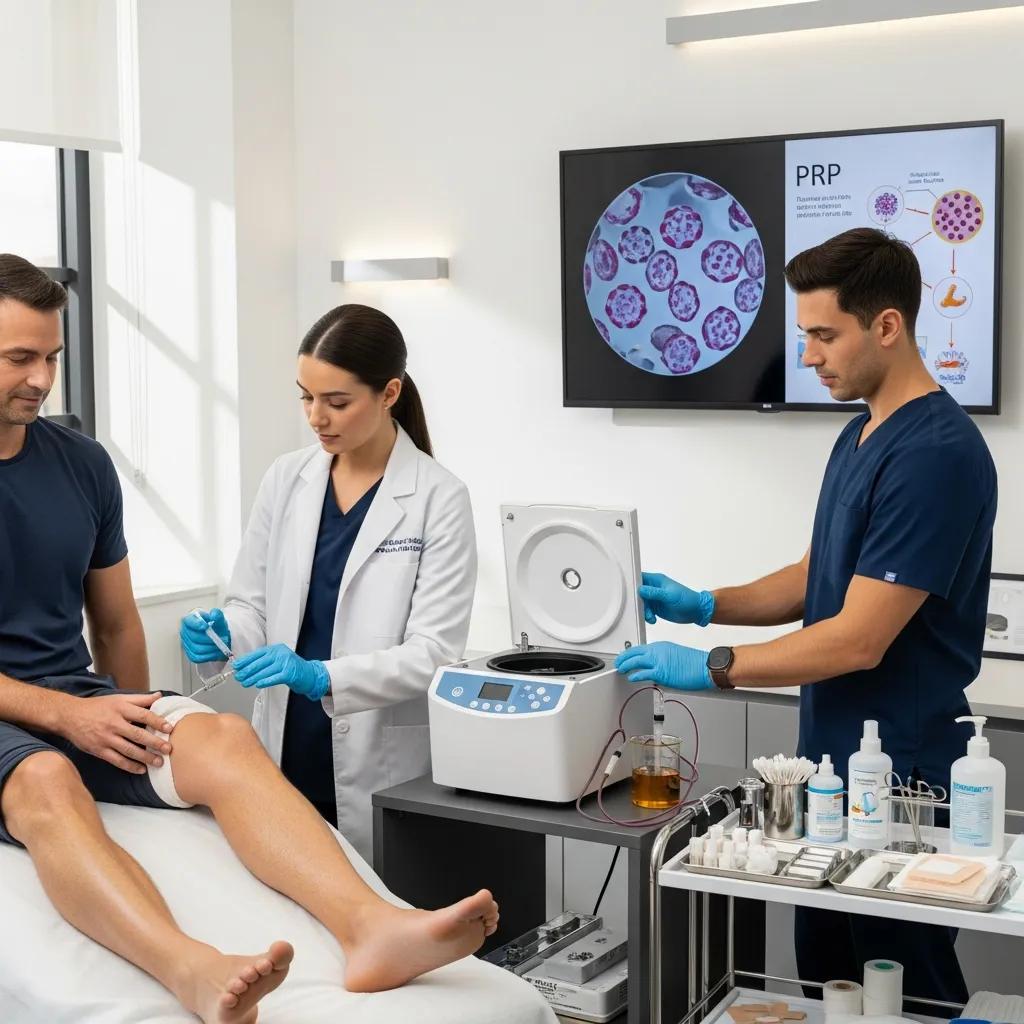
Patient receiving PRP treatment at a modern regenerative orthopaedics clinic

Regenerative orthopaedics uses the body’s own healing mechanisms to repair damaged tissue, offering effective non‑surgical alternatives to traditional operations. These approaches can reduce pain, restore function and get athletes back to their sport with less downtime.

What Are PRP, Lipogems, and Tenex Therapies?

Common regenerative options we provide include:

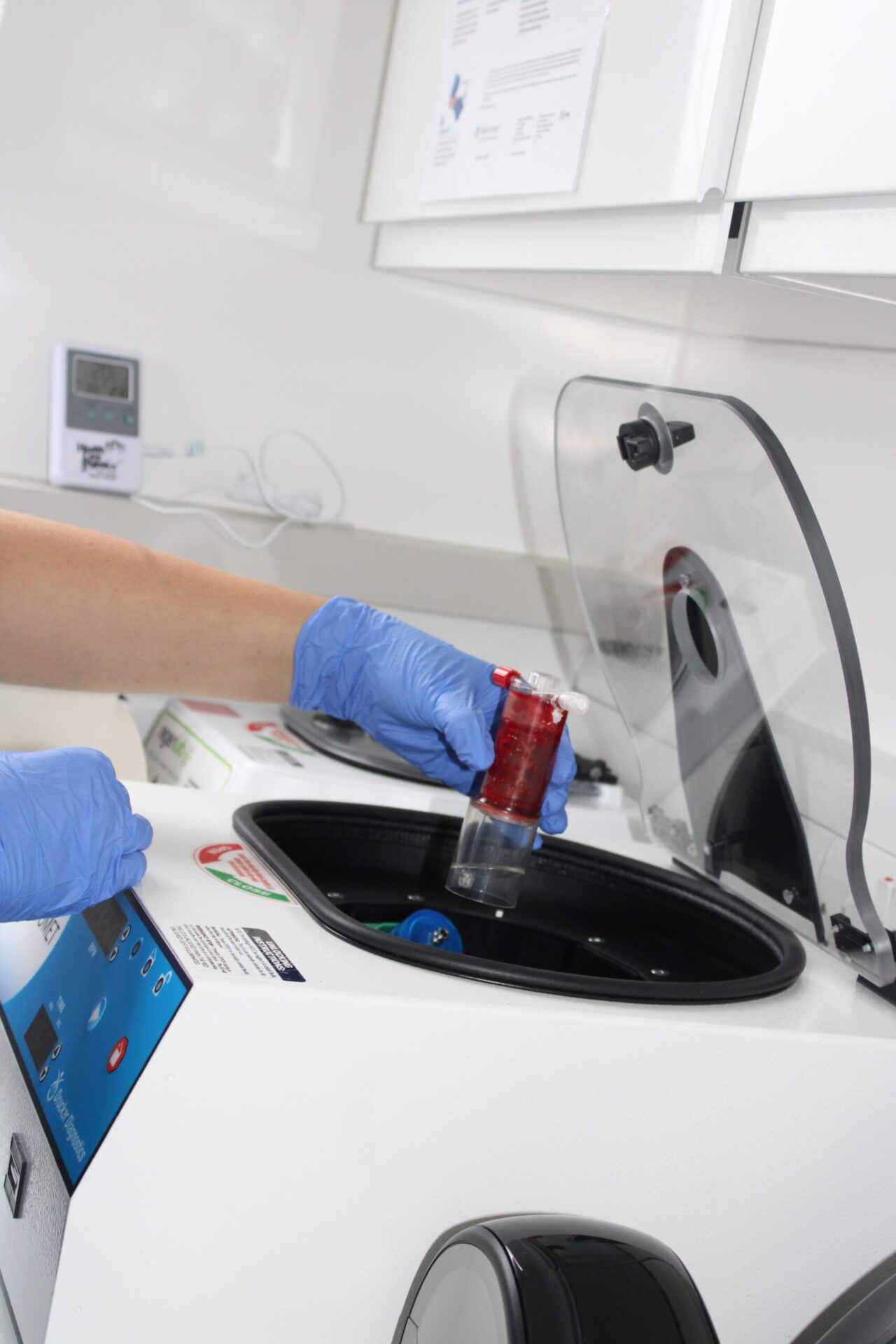
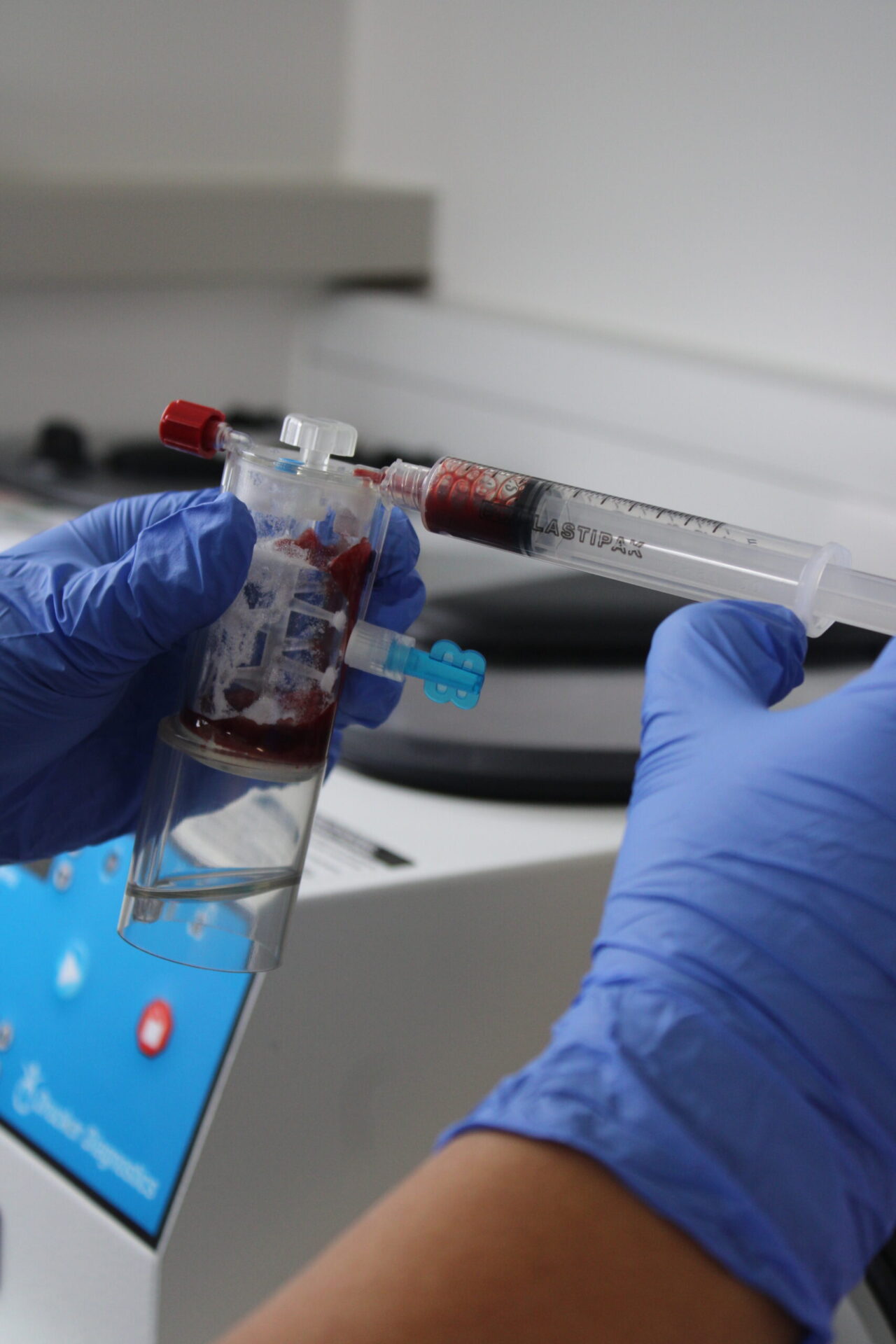
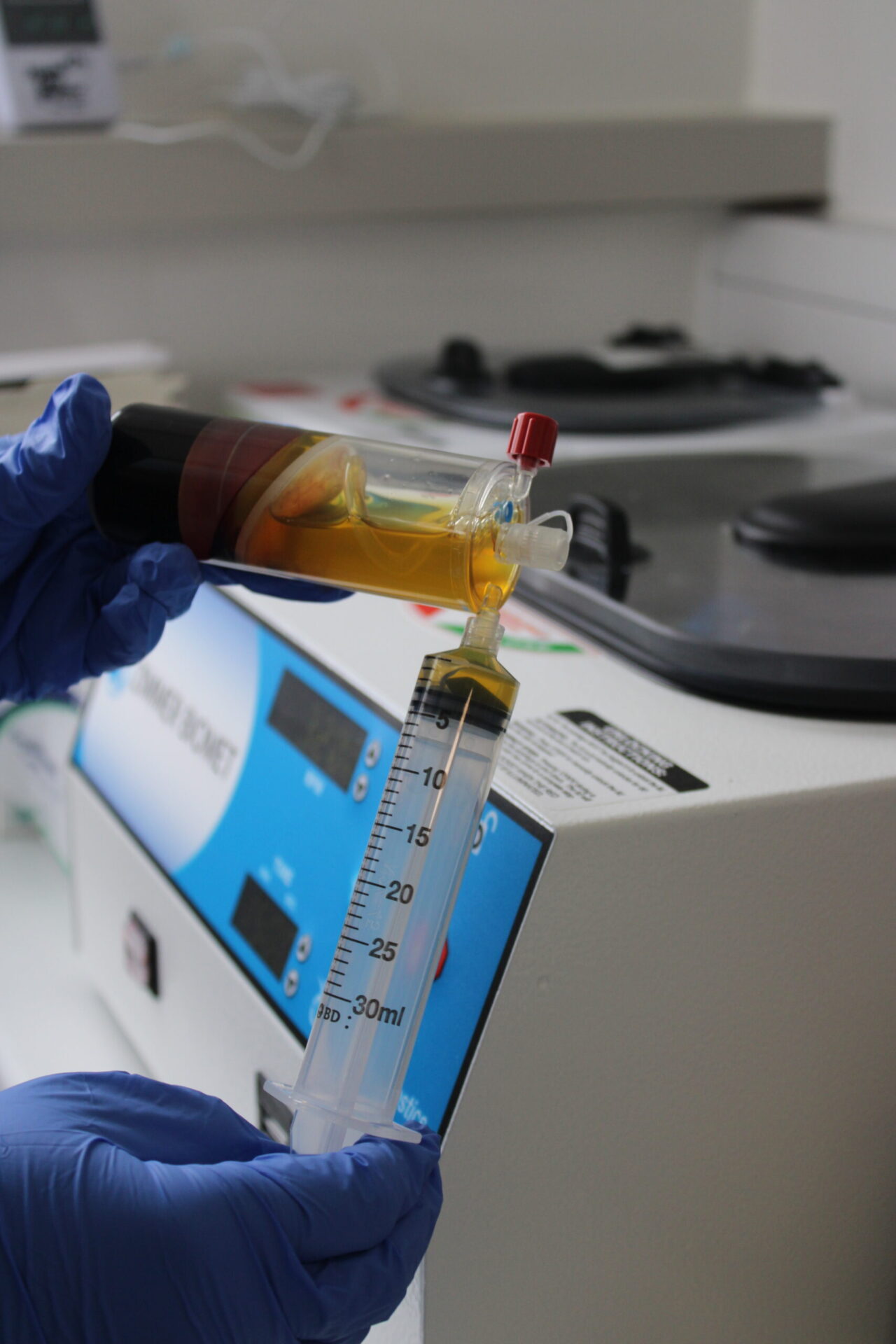
  1. PRP Therapy: Concentrated platelets from your own blood are injected into the injured area to stimulate repair.
  2. Lipogems Treatment: Micro‑processed adipose tissue provides growth factors and cells that support tissue regeneration.
  3. Tenex Procedure: A minimally invasive ultrasound‑guided technique that removes degenerated tendon tissue to allow healthier tissue to rebuild.

Each therapy has a specific role depending on the injury. When appropriate, these options let athletes avoid or delay surgery while achieving meaningful recovery.

What Benefits Do Non-Surgical Regenerative Treatments Offer Compared to Surgery?

Non‑surgical regenerative care has several clear advantages over conventional surgery:

  1. Reduced Recovery Time: Minimally invasive treatments often mean less downtime and a faster return to activity.
  2. Lower Risk of Complications: Fewer surgical risks and generally quicker, simpler post‑treatment recovery.
  3. Cost‑Effectiveness: For suitable injuries, these treatments can be more affordable than operative routes and carry fewer indirect costs.

Our patients frequently report meaningful decreases in pain and improved function after regenerative treatment, supported by tailored rehabilitation to consolidate gains.

Who Is Dr Ralph Rogers and What Expertise Does He Bring to Sports Medicine?

Dr Ralph Rogers is a respected clinician in sports medicine and regenerative orthopaedics with over 25 years’ experience. His practice emphasises evidence‑based, patient‑focused care and practical plans that prioritise recovery and long‑term joint health.

What Is Dr Rogers’ Experience with Elite Athletes and Regenerative Medicine?

Dr Rogers has worked with elite athletes across sports such as football and basketball, developing personalised regenerative treatment plans that address each athlete’s goals and timelines. His work includes documented returns to play following innovative therapies, always delivered with a conservative, outcome‑driven philosophy.

Which Specific Conditions Does RRMG Treat at Its City of London Sports Injury Clinic?

Rogers Regenerative Medical Group treats a broad spectrum of musculoskeletal conditions to support athletes and active people at every level.

How Are Knee, Shoulder, Hip, and Ankle Injuries Managed with Regenerative Therapies?

We use regenerative techniques to manage a variety of joint injuries, including:

  • Knee Injuries: PRP and Lipogems can support healing for ACL-related damage and meniscal problems.
  • Shoulder Injuries: Targeted regenerative care can aid recovery from rotator cuff tears and instability, helping restore range and strength.
  • Hip Injuries: Labral and soft‑tissue issues around the hip can respond well to precision regenerative treatments that reduce pain and improve function.
  • Ankle Injuries: Non‑surgical options for sprains and tendon pathology help athletes regain stability and confidence.

What Are the Treatment Options for Tendon and Ligament Injuries at RRMG?

Rogers Regenerative Medical Group offers a range of tailored treatments for tendon and ligament problems, including:

Treatment OptionDescriptionExpected Outcomes
PRP TherapyAutologous platelet concentrate injected to stimulate local healingLower pain levels and improved function
LipogemsMicrofragmented adipose tissue providing growth factors and supportive cellsEnhanced tissue repair and structural support
Tenex ProcedureUltrasound‑guided removal of degenerated tendon tissuePain relief and restored mobility

We select and combine these options based on your diagnosis, activity goals and recovery timeline to achieve the best possible outcome.
What Does the Patient Journey Look Like at a City of London Sports Injury Clinic?

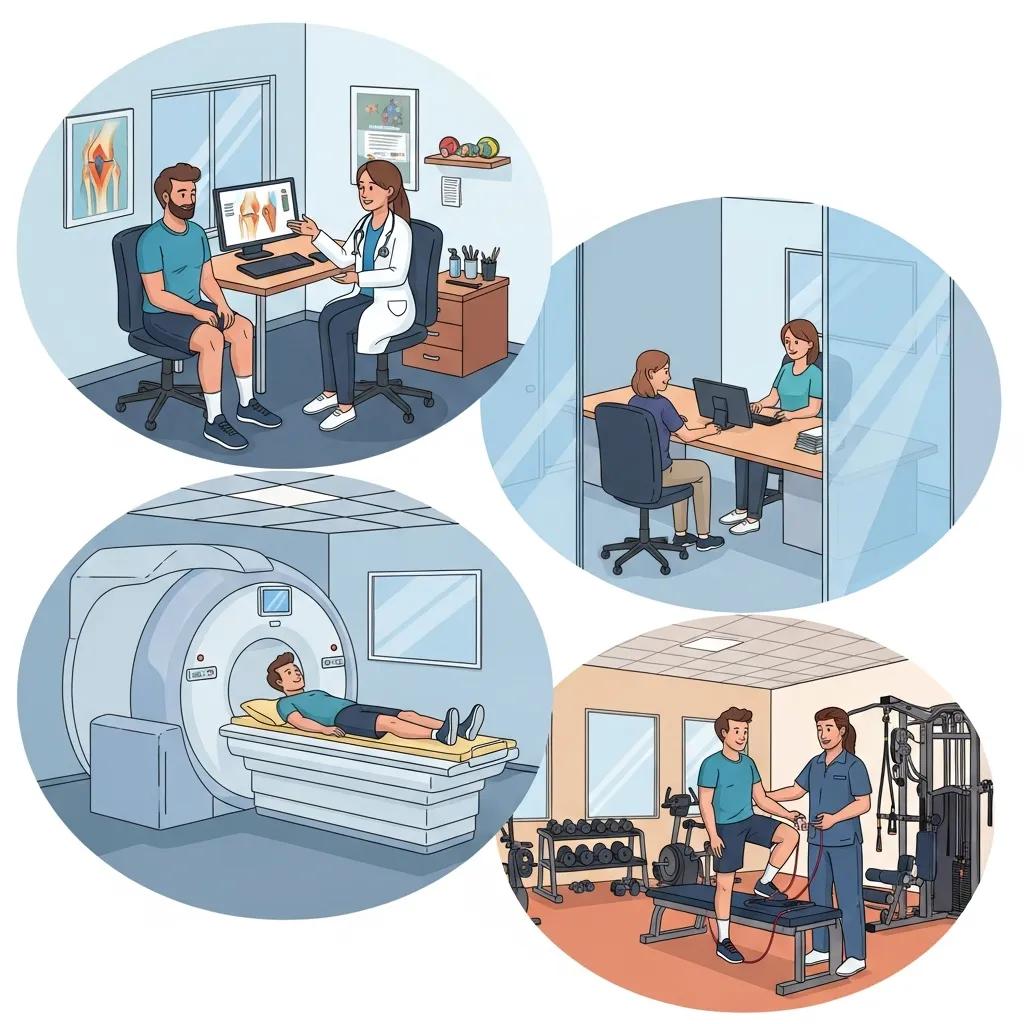
Graphic showing the patient journey from diagnosis to rehabilitation at RRMG

Our patient pathway is designed to be thorough, efficient and supportive so you can focus on recovery with clear expectations at every step.

How Is a Sports Injury Diagnosed and Assessed at RRMG?

Assessment at RRMG follows a structured process:

  1. Medical History Review: We gather background, previous injuries and performance goals.
  2. Physical Examination: A focused assessment of pain, swelling and range of motion.
  3. Diagnostic Imaging: MRI, ultrasound or other imaging as needed to confirm the diagnosis and guide treatment.

This approach ensures we identify the root cause and build an effective plan from day one.

What Are the Steps from Treatment to Rehabilitation and Recovery?

Your recovery follows clear stages:

  1. Initial Treatment: Deliver the chosen regenerative therapy under image guidance where appropriate.
  2. Rehabilitation Program: A personalised rehab plan to restore strength, mobility and sport‑specific function.
  3. Follow‑Up Care: Regular reviews to monitor progress and adjust treatment so you safely return to performance.

That structured pathway helps athletes reach their goals with less uncertainty and better long‑term results.

Why Choose Rogers Regenerative Medical Group for Sports Injury Treatment in City of London?

Choosing a clinic is about expertise, outcomes and the care experience. RRMG combines clinical excellence with personalised plans so patients recover well and return to the activities they value.

What Unique Advantages Does RRMG Offer Over Other London Clinics?

RRMG stands out for:

  1. Expertise in Regenerative Medicine: A clinic led by Dr Ralph Rogers with deep experience in non‑surgical treatments.
  2. Personalised Care: Treatment plans built around each patient’s diagnosis, goals and lifestyle.
  3. State‑of‑the‑Art Facilities: Modern diagnostic and treatment technology to support precise, effective care.

What Do Patients Say About Their Recovery Experiences at RRMG?

Patient feedback highlights measurable improvements in pain, mobility and return‑to‑sport timelines. Many athletes attribute quicker, more confident returns to the combination of regenerative treatment, focused rehab and ongoing clinical support provided by Dr Rogers and the team.

Faq’s

  1. What types of sports injuries do you treat at your City of London clinic?
    We treat a wide range of sports injuries affecting joints, tendons, ligaments and soft tissues, including knee, shoulder, hip, groin and ankle problems.
  2. Why is early diagnosis of a sports injury important?
    Early diagnosis helps identify exactly what is injured and how severe it is, allowing faster, more effective treatment and reducing the risk of long‑term problems.
  3. What is regenerative orthopaedics and how can it help my sports injury?
    Regenerative orthopaedics uses treatments like PRP, Lipogems and Tenex to stimulate your body’s natural healing, reduce pain and repair damaged tissues without major surgery.
  4. What are the benefits of non‑surgical treatment for sports injuries?
    Non‑surgical regenerative treatments can relieve pain, promote healing and restore function while avoiding hospital stays, large incisions and long surgical recovery times.
  5. Which specific sports injury conditions do you commonly manage?
    We commonly manage ACL‑related knee issues, cartilage and meniscal injuries, rotator cuff and shoulder problems, hip and groin pain, ankle sprains and stubborn tendon injuries.
  6. Who is Dr Ralph Rogers and why choose him for my injury?
    Dr Ralph Rogers is a leading sports medicine and regenerative orthopaedics specialist with extensive experience treating athletes and active people using advanced, evidence‑based techniques.
  7. What can I expect from my patient journey at Rogers Regenerative Medical Group?
    You can expect a thorough assessment, clear diagnosis, personalised treatment plan (including regenerative options where suitable) and guided rehabilitation with ongoing follow‑up.
  8. Why should I choose your Sports Injury Clinic in the City of London?
    Our clinic offers expert sports injury diagnosis, cutting‑edge regenerative treatments and personalised non‑surgical care in a convenient central London location to help you return to pain‑free activity.

Conclusion

Recovering from a sports injury is achievable with expert diagnosis, timely intervention and the right non‑surgical options. At Rogers Regenerative Medical Group we use proven regenerative therapies alongside personalised rehabilitation to reduce recovery time and improve outcomes. If you’re ready to explore your options, book a consultation and let us help you get back to the activities you love.

    Any Questions, We Can Help You?

    Any Specific Queries? Get In Touch

    Email Us On:
    pa@rrmg.com

    Rogers Regenerative Medical Group (RRMG)

    Dr Ralph Rogers is internationally recognised as a leader in Sports & Exercise Medicine, with over 25 years of experience treating elite athletes, world-class performers, and patients seeking life-changing non-surgical care.
    Newsletter
    Get expert tips on injury recovery, regenerative medicine, and wellness—straight to your inbox.
    Rogers Regenerative Medical Group (RRMG) © 2026 All Rights Reserved.

    Webdesign by EyeMedia Creative

    Some of my highlights

    Dr Rogers has had a rich and illustrious career so far, which is continuing to grow and develop. Everything Ralph has been involved in since qualifying has added value to his knowledge and experience, but there have been some impressive highlights to note:


    • 2018 – Present Founder Medical Director: Rogers Regenerative Medical Group (RRMG)

    • 2012 – 2024 Medical Advisor – National Basketball Association

    • 2008 – 2018 Medical Director: The London Sports Injury Clinic London

    • 2010-2011 First Team Doctor, Chelsea Football Club

    • 2007- 2010 The Football Association (Team Physician for England under 19 and development squads)

    • 2005-2006 Medical Advisor: Trinidad & Tobago World Cup Football Team

    • 2002 – 2008 Club Doctor: Walsall Football Club, West Midlands England

    • 1998 – 2009 Medical Director: Medical & Orthopaedic Sports Therapy,

    • 2000 – 2005 Sports Physician: Warwickshire County Cricket Club, Birmingham
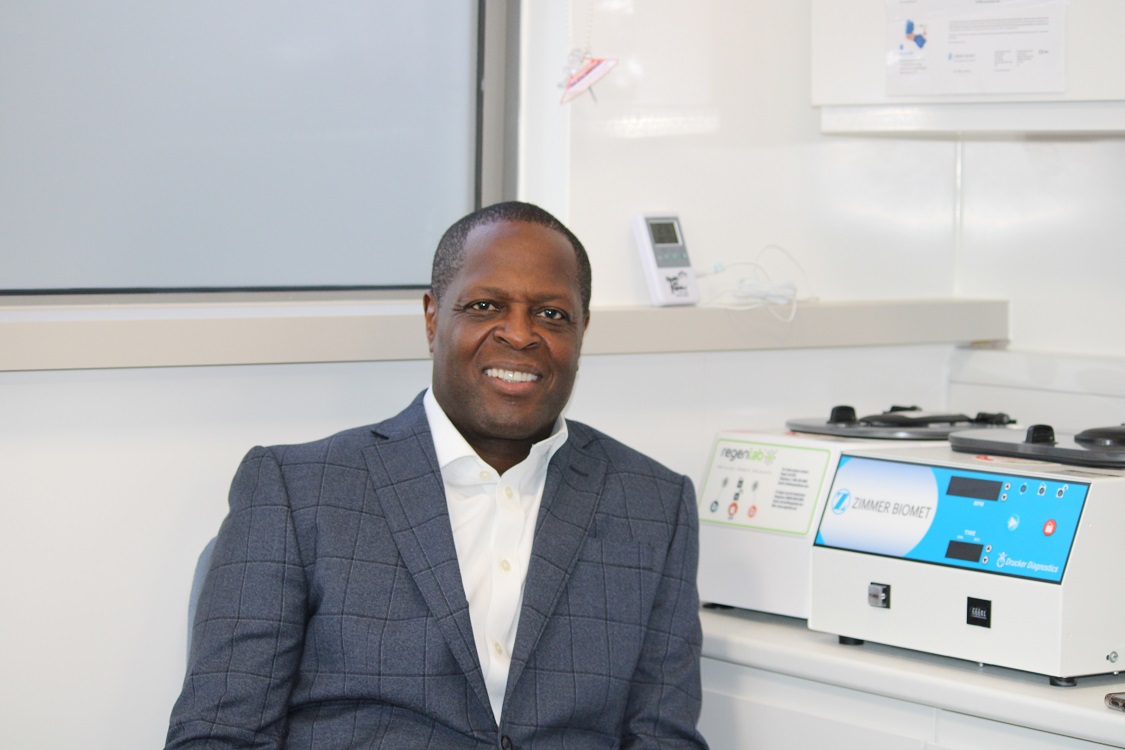
    My Philosophy

    Your body is the greatest tool you’ll ever have; it’s vital to treat it like that. The intricacies and capabilities of the human body are nothing short of astounding, and that is true for everyone from elite sports stars to weekend warriors. Athletes, amateurs and the general public alike have a responsibility to seek out the best sports and orthopaedic medicine when injury strikes, Dr Rogers offers a combination of world-class qualifications, reams of experience and a distinctive sense of style to ensure your treatment is the best.

    Dr. Ralph Rogers' Biography

    Dr Ralph Rogers is a renowned Consultant in Regenerative Orthopaedics and Sports Medicine, helping patients overcome chronic pain and injury with advanced regenerative treatments. As Founder and CEO of Rogers Regenerative Medical Group (RRMG), he leads clinics across London, providing elite care to both athletes and the general public.

    ​His academic journey began with a degree in Psychology from the University of Delaware, followed by a Medical Degree from the Catholic University of Leuven in Belgium. Dr Rogers expanded his expertise with a PhD in Exercise Physiology at the University of Maryland, supported by a prestigious NIH Research Fellowship. He also holds a Sports Medicine Fellowship from the Free University of Brussels, an MSc in Musculoskeletal Ultrasound Imaging from Bournemouth University, and an MBA from the University of Leicester.

    ​Dr. Rogers’ career highlights include serving as First Team Doctor for Chelsea Football Club and over a decade as Medical Advisor to the NBA, where he developed medical protocols for major events including NBA Global Games, Basketball Without Borders, and the Basketball Africa League. During the COVID-19 pandemic, he played a key role in implementing the NBA’s “Bubble” in Orlando, ensuring player safety through rigorous protocols.

    ​Specialising in non-surgical treatments, Dr Rogers uses cutting-edge therapies like Platelet Rich Plasma (PRP) and alpha-2 macroglobulin (A2M) injections to support joint health and mobility, minimising recovery times.

    ​He is a Fellow of the American College of Sports Medicine (FACSM) and The Faculty of Sports & Exercise Medicine in the UK and Ireland (FFSEM UK, IRE), where he also serves as an examiner. His dedication to innovation, excellence, and patient-centred care ensures that Dr Ralph Rogers remains at the forefront of regenerative sports medicine.

    Phone

    Address

    Social