

Hip Arthritis Treatment Mayfair: Regenerative Solutions

Search Post

Diverse individuals enjoying physical activities in a park, symbolizing hip pain relief and active living

Hip Arthritis TreatmentMayfair: Regenerative, Non‑Surgical Options for Lasting Hip Pain Relief

Hip arthritis — most commonly osteoarthritis — is a progressive condition that can cause persistent pain and restrict everyday movement. This guide outlines the regenerative, non‑surgical options available in Mayfair and how they can help reduce pain, restore function and delay or avoid surgery. You’ll find clear explanations of what hip arthritis is, the benefits of regenerative medicine, and practical information on treatments we offer at Rogers Regenerative Medical Group (RRMG), including Platelet‑Rich Plasma (PRP) and stem cell‑based approaches.

What is hip arthritis and how does it affect joint health?

Hip arthritis, typically osteoarthritis, occurs when the cartilage that cushions the hip joint breaks down. As cartilage thins, bones can rub together, causing pain, inflammation and reduced range of motion. These changes make walking, climbing stairs and many daily tasks more difficult — and addressing them early helps protect joint health and quality of life.

What are the common causes and symptoms of hip osteoarthritis?

Hip osteoarthritis develops for a number of reasons, including:

  1. Family history: A genetic tendency can increase the risk of developing hip arthritis.
  2. Age: Wear and tear over time raises the likelihood of cartilage degeneration.
  3. Excess weight: Additional load on the hip accelerates joint breakdown.

Typical symptoms include ongoing hip pain, morning stiffness, reduced walking distance and occasional swelling or aching after activity. Symptoms often worsen after long periods of inactivity or following exercise.

How is hip arthritis diagnosed in Mayfair clinics?

Diagnosis usually involves a thorough assessment to confirm the cause and severity of symptoms, such as:

  1. Clinical examination: We assess movement, strength and areas of tenderness to understand how the hip is functioning.
  2. Imaging: X‑rays are used to check cartilage space and bone changes; MRI scans may be requested when we need a closer look at soft tissues.
  3. Medical history: A detailed review of symptoms, previous injuries and general health helps shape the diagnosis and treatment plan.

Together, these steps let clinicians determine how advanced the arthritis is and recommend the best personalised options.

Why choose regenerative medicine for hip arthritis treatment in Mayfair?

Clinician discussing regenerative treatment options with a patient in a consultation room

Regenerative medicine focuses on stimulating the body’s own repair mechanisms to reduce pain and improve joint function — usually without the downtime of surgery. These treatments aim to calm inflammation, support tissue healing and help patients return to the activities they value.

What are the benefits of non‑surgical regenerative hip treatments?

Non‑surgical regenerative options offer several clear advantages:

  1. Faster recovery: Most patients resume normal activities sooner than they would after an operation.
  2. Lower complication risk: Minimally invasive procedures generally carry fewer short‑ and long‑term risks than major surgery.
  3. High patient satisfaction: Many people appreciate the reduced pain and quicker return to daily life that regenerative approaches can provide.

For many patients these benefits make regenerative medicine an attractive alternative to immediate surgical intervention.

How do regenerative therapies compare to traditional hip surgery?

AspectRegenerative TherapiesTraditional Hip Surgery
InvasivenessMinimally invasiveInvasive
Recovery timeTypically shorterLonger, involves rehabilitation
Risk of complicationsGenerally lowerHigher
Long‑term outcomesPromising, under active studyWell established over decades

This side‑by‑side shows how regenerative options can deliver symptom relief with fewer immediate risks, while acknowledging that long‑term evidence is still developing for some therapies.
How do Platelet‑Rich Plasma injections treat hip arthritis?

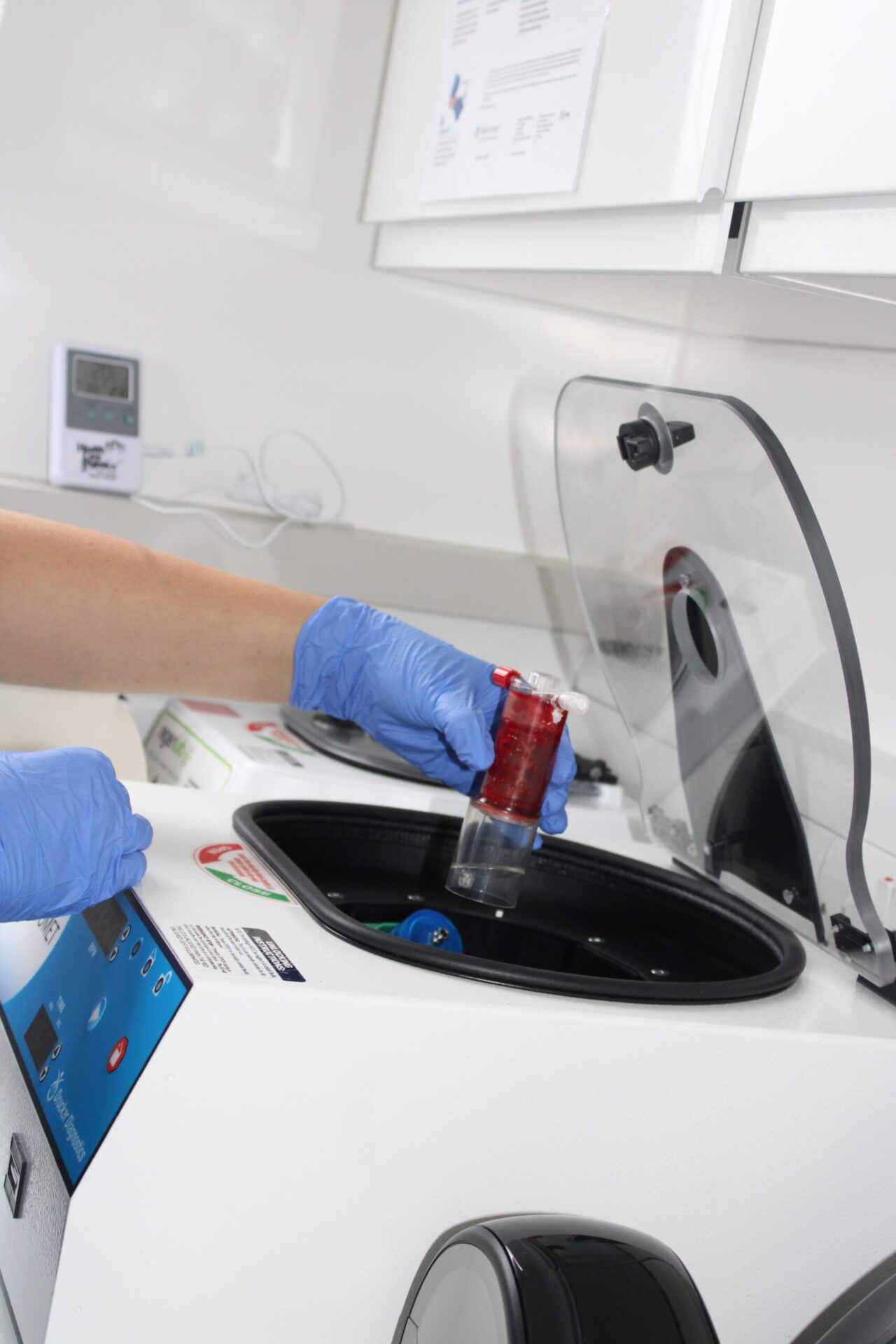
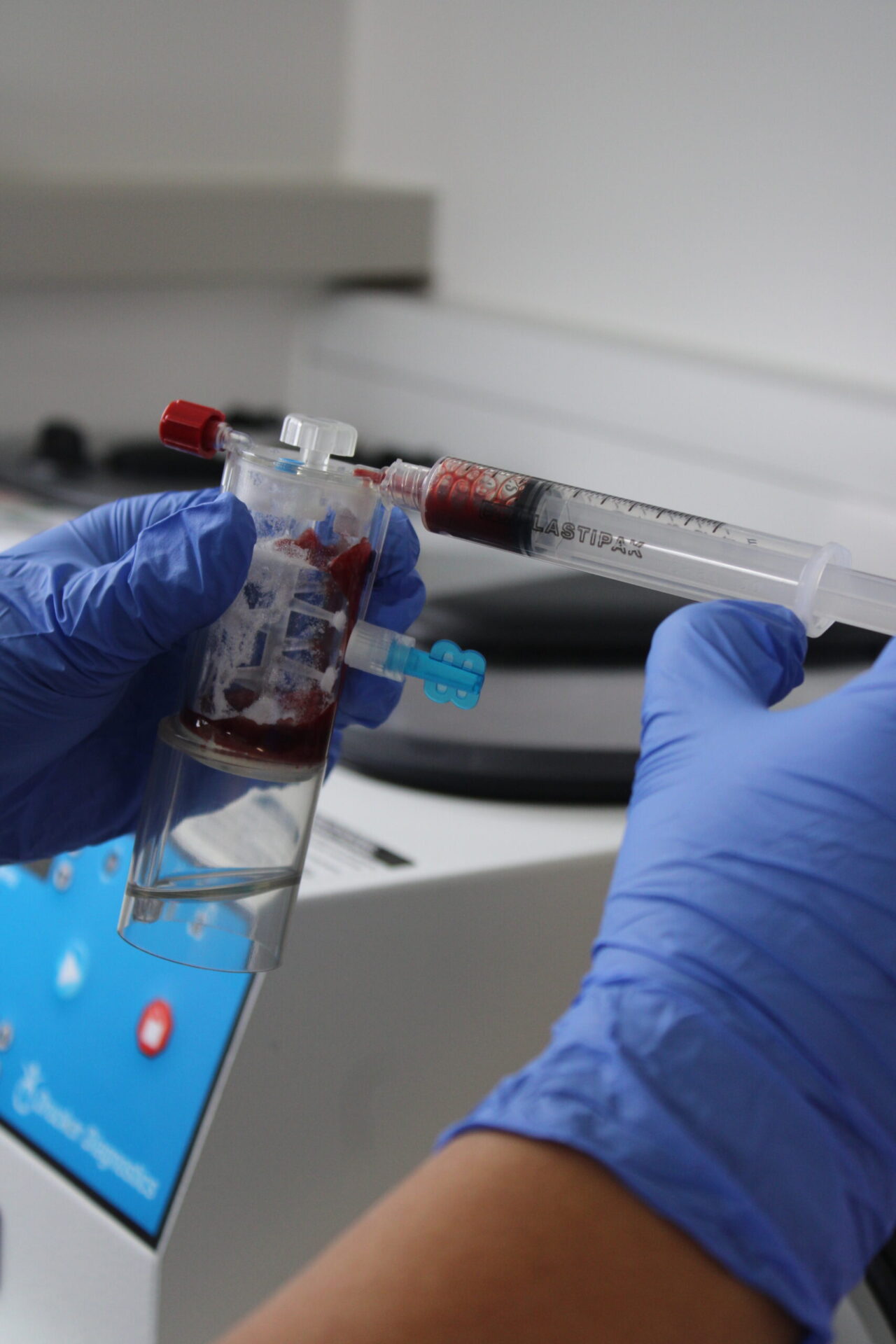
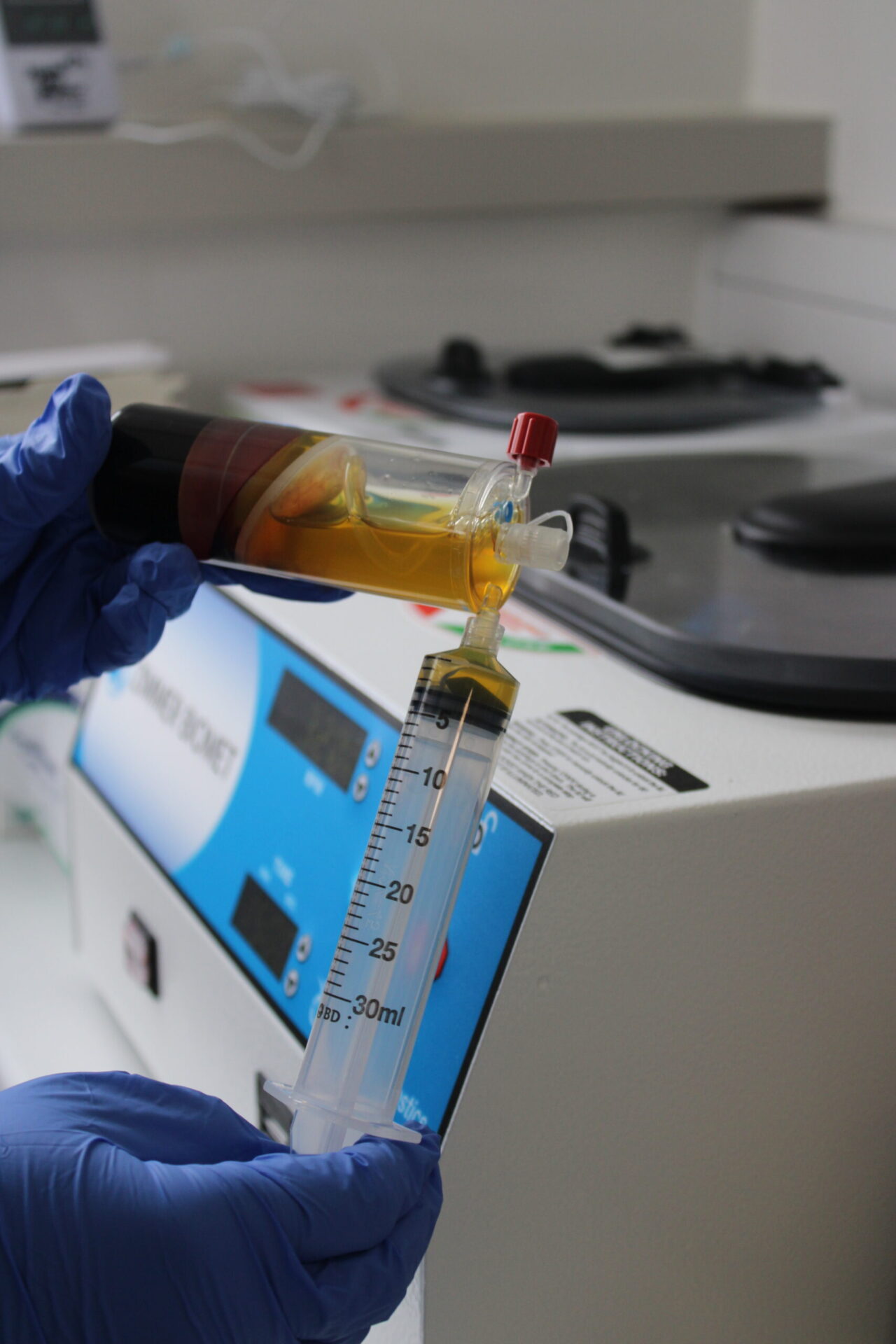
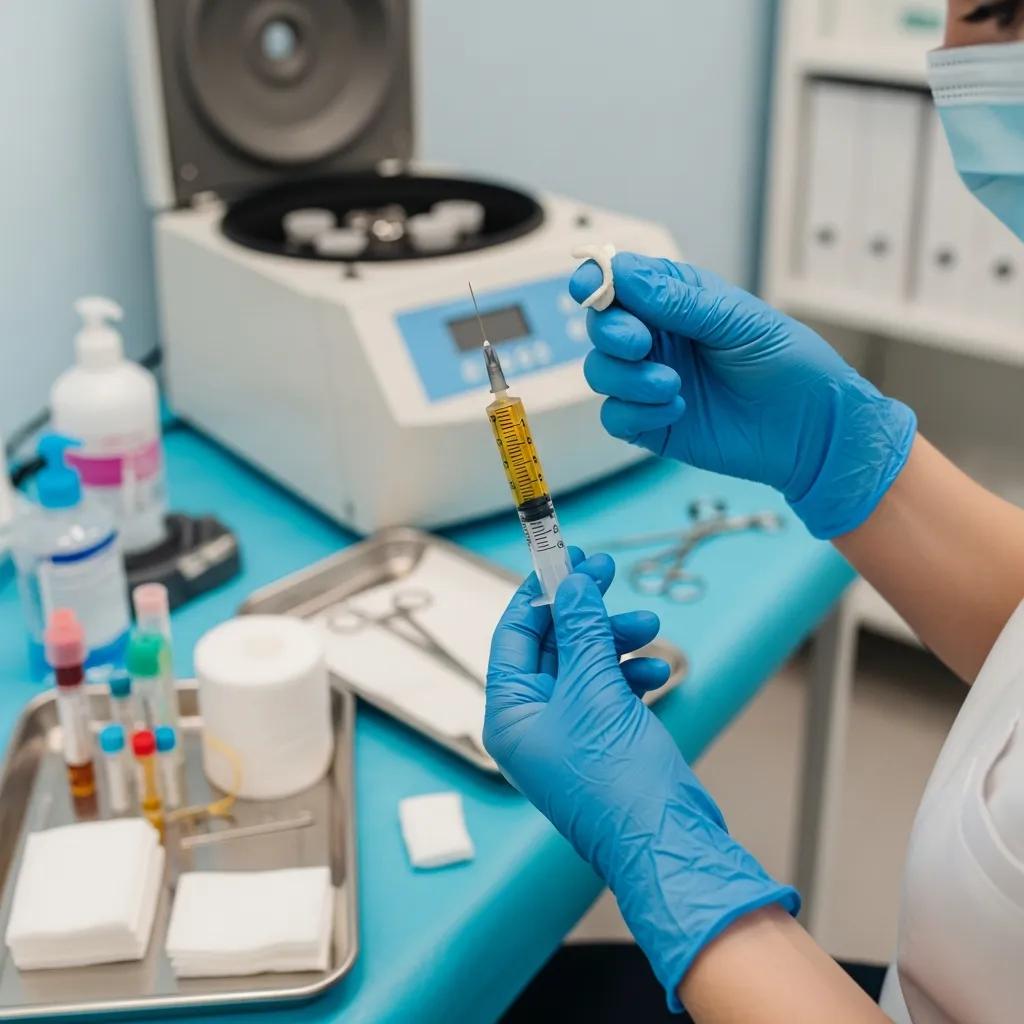
Preparing a Platelet‑Rich Plasma (PRP) treatment for a patient’s hip

Platelet‑Rich Plasma (PRP) is a treatment that uses a concentration of the patient’s own platelets to encourage healing and reduce inflammation in the joint. It’s performed as an outpatient procedure with imaging guidance to ensure accurate placement.

What is the PRP procedure for hip pain relief?

A typical PRP session follows these steps:

  1. Blood draw: A small sample of blood is taken from the patient.
  2. Centrifuge processing: The blood is spun to concentrate platelets and growth factors.
  3. Ultrasound‑guided injection: The PRP is injected into the hip joint to target the area of damage.

By delivering platelet‑rich fluid directly to the joint, PRP aims to reduce inflammation and support the body’s natural repair processes.

Who is suitable for PRP therapy in Mayfair?

PRP is typically recommended for patients with mild to moderate hip arthritis who prefer to avoid surgery. Common candidates include:

  1. Active people: Those who want to maintain or return to regular activity without major surgery.
  2. Patients seeking non‑surgical care: Individuals who prefer less invasive treatment paths.
  3. Early‑stage arthritis sufferers: Those whose symptoms and imaging suggest potential benefit from regenerative approaches.

An individual consultation is essential to confirm suitability and set realistic expectations.

What are the advantages of stem cell therapy for hip arthritis?

Stem cell therapies offer another regenerative route, using cells and growth factors derived from the patient to support tissue repair and reduce inflammation. These treatments aim to improve pain and mobility by encouraging the joint environment to heal.

How does Lipogems stem cell treatment work for hip joint repair?

Lipogems is a processed‑fat approach that captures regenerative cells and supportive tissue components. The procedure generally involves:

  1. Fat harvesting: A small volume of fat is collected from the abdomen or thigh under local anaesthesia.
  2. Processing: The harvested fat is processed to concentrate regenerative cells and growth factors.
  3. Injection: The prepared solution is injected into the hip joint under imaging guidance.

The goal is to provide a rich, natural mixture of cells and factors that support repair and reduce joint inflammation.

What outcomes can patients expect from stem cell therapy?

Patients may experience several beneficial effects after stem cell treatment, such as:

  1. Reduced pain: Many report meaningful decreases in joint pain.
  2. Improved function: Better range of motion and walking tolerance are commonly described.
  3. Potential durable benefits: Some studies indicate lasting improvements, though further high‑quality research is needed to fully define long‑term results.

These outcomes highlight the promise of stem cell approaches while recognising the evolving evidence base.

Who is Dr Ralph Rogers and why is he a leading hip pain specialist in Mayfair?

Dr Ralph Rogers leads Rogers Regenerative Medical Group (RRMG) with a focus on regenerative orthopaedics and sports medicine. His clinical experience, practical approach and commitment to personalised care make him a trusted specialist for patients seeking non‑surgical hip treatments.

What expertise does Dr Rogers bring to regenerative orthopaedics?

Dr Rogers combines clinical skill with an evidence‑led approach to offer modern regenerative options:

  1. Advanced techniques: Skilled in PRP, Lipogems and other contemporary regenerative procedures.
  2. Patient‑centred care: Treatment plans are tailored to each person’s goals and lifestyle.
  3. Research and innovation: Actively engaged in developing and evaluating new regenerative approaches.

These strengths make Dr Rogers a reliable choice for comprehensive, non‑surgical hip care.

How does RRMG personalise hip arthritis treatment plans?

At RRMG we design individualised programmes that match a patient’s condition and objectives. The process typically includes:

  1. Initial consultation: A detailed assessment to understand symptoms, imaging and lifestyle goals.
  2. Customised plan: A recommended treatment pathway tailored to the patient’s needs and expectations.
  3. Follow‑up care: Ongoing review and adjustments to ensure optimal recovery and results.

This personalised model helps ensure each patient receives appropriate, effective care for their hip arthritis.

How can patients access hip arthritis treatment and what are the costs in Mayfair?

We aim to make accessing care straightforward, with clear guidance on appointments, assessments and treatment options.

What are the consultation and treatment fees for regenerative hip solutions?

Consultations at RRMG are typically between £150 and £250, depending on case complexity. PRP treatment sessions commonly start around £500 each. Stem cell–based therapies can vary more widely, often ranging from approximately £1,500 to £3,000 depending on the specific protocol and requirements.

How to book an appointment with RRMG in Mayfair?

Booking is simple and designed for convenience:

  1. Contact the clinic: Call or email our team to arrange an initial consultation.
  2. Online booking: Use the website’s booking system to select a suitable appointment slot.
  3. Prepare for your visit: Bring relevant medical history and any recent imaging to help us tailor your assessment.

These steps help us start you on an appropriate, personalised treatment pathway quickly and efficiently.

Conclusion

Regenerative treatments in Mayfair provide a compelling, less invasive route to reduce hip pain and improve function. By working with the body’s own healing systems, options such as PRP and Lipogems stem cell treatments can offer meaningful symptom relief and enhanced mobility for many patients. If you’re exploring non‑surgical alternatives, contact Rogers Regenerative Medical Group to discuss a personalised plan that fits your goals and lifestyle.

    Any Questions, We Can Help You?

    Any Specific Queries? Get In Touch

    Email Us On:
    pa@rrmg.com

    Rogers Regenerative Medical Group (RRMG)

    Dr Ralph Rogers is internationally recognised as a leader in Sports & Exercise Medicine, with over 25 years of experience treating elite athletes, world-class performers, and patients seeking life-changing non-surgical care.
    Newsletter
    Get expert tips on injury recovery, regenerative medicine, and wellness—straight to your inbox.
    Rogers Regenerative Medical Group (RRMG) © 2026 All Rights Reserved.

    Webdesign by EyeMedia Creative

    Some of my highlights

    Dr Rogers has had a rich and illustrious career so far, which is continuing to grow and develop. Everything Ralph has been involved in since qualifying has added value to his knowledge and experience, but there have been some impressive highlights to note:


    • 2018 – Present Founder Medical Director: Rogers Regenerative Medical Group (RRMG)

    • 2012 – 2024 Medical Advisor – National Basketball Association

    • 2008 – 2018 Medical Director: The London Sports Injury Clinic London

    • 2010-2011 First Team Doctor, Chelsea Football Club

    • 2007- 2010 The Football Association (Team Physician for England under 19 and development squads)

    • 2005-2006 Medical Advisor: Trinidad & Tobago World Cup Football Team

    • 2002 – 2008 Club Doctor: Walsall Football Club, West Midlands England

    • 1998 – 2009 Medical Director: Medical & Orthopaedic Sports Therapy,

    • 2000 – 2005 Sports Physician: Warwickshire County Cricket Club, Birmingham
    My Philosophy

    Your body is the greatest tool you’ll ever have; it’s vital to treat it like that. The intricacies and capabilities of the human body are nothing short of astounding, and that is true for everyone from elite sports stars to weekend warriors. Athletes, amateurs and the general public alike have a responsibility to seek out the best sports and orthopaedic medicine when injury strikes, Dr Rogers offers a combination of world-class qualifications, reams of experience and a distinctive sense of style to ensure your treatment is the best.

    Dr. Ralph Rogers' Biography

    Dr Ralph Rogers is a renowned Consultant in Regenerative Orthopaedics and Sports Medicine, helping patients overcome chronic pain and injury with advanced regenerative treatments. As Founder and CEO of Rogers Regenerative Medical Group (RRMG), he leads clinics across London, providing elite care to both athletes and the general public.

    ​His academic journey began with a degree in Psychology from the University of Delaware, followed by a Medical Degree from the Catholic University of Leuven in Belgium. Dr Rogers expanded his expertise with a PhD in Exercise Physiology at the University of Maryland, supported by a prestigious NIH Research Fellowship. He also holds a Sports Medicine Fellowship from the Free University of Brussels, an MSc in Musculoskeletal Ultrasound Imaging from Bournemouth University, and an MBA from the University of Leicester.

    ​Dr. Rogers’ career highlights include serving as First Team Doctor for Chelsea Football Club and over a decade as Medical Advisor to the NBA, where he developed medical protocols for major events including NBA Global Games, Basketball Without Borders, and the Basketball Africa League. During the COVID-19 pandemic, he played a key role in implementing the NBA’s “Bubble” in Orlando, ensuring player safety through rigorous protocols.

    ​Specialising in non-surgical treatments, Dr Rogers uses cutting-edge therapies like Platelet Rich Plasma (PRP) and alpha-2 macroglobulin (A2M) injections to support joint health and mobility, minimising recovery times.

    ​He is a Fellow of the American College of Sports Medicine (FACSM) and The Faculty of Sports & Exercise Medicine in the UK and Ireland (FFSEM UK, IRE), where he also serves as an examiner. His dedication to innovation, excellence, and patient-centred care ensures that Dr Ralph Rogers remains at the forefront of regenerative sports medicine.

    Phone

    Address

    Social